
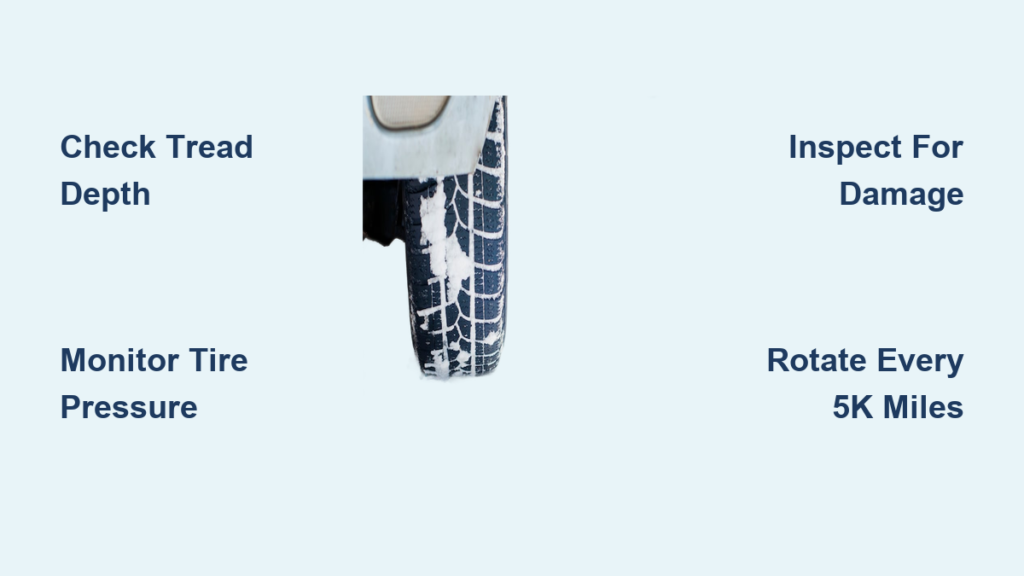
Your tires make contact with the road surface only about the size of a large hand at any given moment—meaning that small patch of rubber is your sole connection to potentially treacherous winter roads. When temperatures drop below freezing, summer and all-season tires harden dramatically, reducing traction when you need it most. Understanding proper winter tire safety can mean the difference between arriving safely and experiencing a dangerous roadside incident during cold months. These winter tire safety tips will help you prepare your vehicle, maintain optimal tire performance, and adjust your driving techniques to match winter road demands.
Research demonstrates that winter tires can reduce stopping distances on ice and snow by up to 50% compared to all-season tires—translating to stopping 2-3 car lengths sooner. This critical distance often determines whether you avoid a collision or suffer an accident. Following these winter tire safety tips ensures you and your passengers remain protected when conditions turn challenging during the coldest months.
Why Your Summer Tires Fail Below Freezing Temperatures
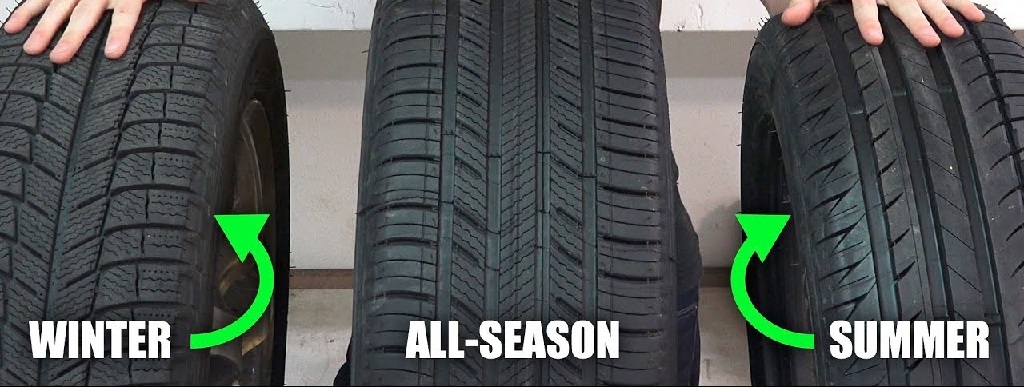
Summer tires become dangerously ineffective once temperatures drop below 45°F (7°C) because their rubber compound hardens significantly in cold conditions. This hardening dramatically reduces the tire’s ability to grip icy or snow-covered roads—the exact conditions where maximum traction matters most. The once-flexible rubber transforms into a rigid surface that can’t conform to road imperfections, creating a frightening loss of control when braking or turning.
All-season tires offer moderate winter capability but fall short in severe conditions. While marketed as versatile year-round solutions, their compromise design limits performance on packed snow and ice. The tread pattern lacks sufficient biting edges, and the rubber compound isn’t soft enough to maintain flexibility in extreme cold—leaving drivers with compromised safety when winter storms hit.
Winter tires feature specialized engineering that maintains flexibility down to -40°F (-40°C). Their softer rubber compound stays pliable in freezing temperatures, while thousands of microscopic sipes (thin cuts in the tread) create additional biting edges that grip snow and ice. Look for the mountain with snowflake symbol on the sidewall—this certification guarantees the tire meets specific winter performance standards that generic “all-weather” tires don’t.
How to Verify Your Winter Tires Meet Safety Standards
Check for the three-peak mountain snowflake (3PMSF) symbol molded into the tire’s sidewall—this certification means the tire has passed rigorous testing for snow traction. Many tires marketed as “winter” or “snow” tires lack this certification and won’t deliver the performance you need when temperatures plummet. When shopping for winter tires, always confirm this symbol appears to ensure you’re getting tires that will actually perform during critical winter driving conditions.
Prevent Dangerous Pressure Drops With Weekly Checks
Cold temperatures cause measurable tire pressure loss that creates multiple hazards if ignored. For every 10°F (5.5°C) temperature drop, tires lose 1-2 PSI of pressure—a phenomenon that can leave properly inflated November tires dangerously underinflated by January.
Underinflated winter tires create four specific dangers:
– Reduced traction on slippery surfaces
– Increased stopping distances by up to 25%
– Accelerated tread wear on the outer edges
– Higher risk of blowouts from excessive sidewall flexing
How to Check and Adjust Winter Tire Pressure Correctly
Check pressure first thing in the morning before driving, when tires are cold. Use your own reliable gauge rather than station gauges, which often provide inaccurate readings. Inflate to the vehicle manufacturer’s specification (found on the driver’s door jamb sticker), not the maximum pressure listed on the tire sidewall. Add 3-5 PSI above recommended pressure if temperatures will remain below 20°F (-6°C) for extended periods—this compensates for cold-induced pressure loss while maintaining safe inflation levels.
Perform These Two Tread Depth Tests Before Winter Storms
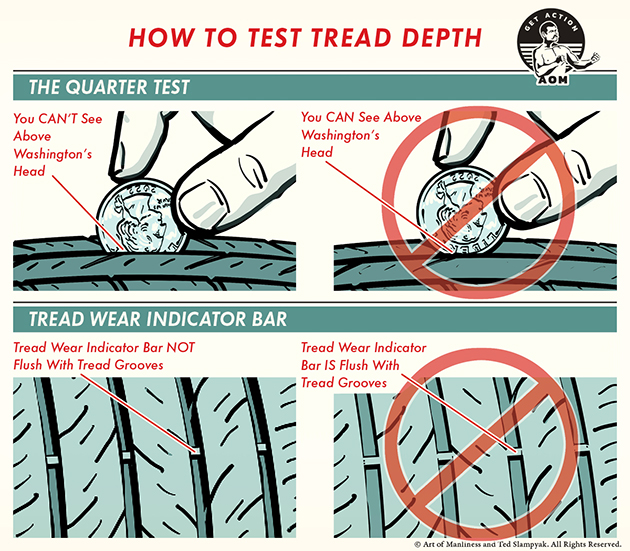
Adequate tread depth is non-negotiable for winter safety, yet many drivers underestimate its importance. Tread grooves channel water and slush away while providing biting edges that grip slippery surfaces—functions that diminish as tread wears down.
The Quarter Test for Winter Tread Safety
Insert a quarter into the tire tread with Washington’s head pointing downward. If you can see the top of Washington’s head above the tread grooves, your tires have worn below 4/32 inch—the minimum safe depth for winter driving. Replace tires immediately if this test reveals insufficient tread, especially on front (steer) tires where traction is most critical for control.
The Penny Test Alternative for Conservative Assessment
For a more cautious evaluation, use the penny test. Insert a penny with Lincoln’s head downward into the tread. If you see the top of Lincoln’s head, your tread has worn below 2/32 inch—the legal minimum but dangerously inadequate for winter conditions. Tires showing this level of wear should be replaced before winter driving begins.
Rotate Winter Tires Every 5,000 Miles to Prevent Uneven Wear
Winter tire rotation prevents uneven wear patterns that compromise safety and reduces overall tire life by up to 30%. The softer rubber compound of winter tires wears differently than all-season tires, making regular rotation even more critical for maintaining consistent performance.
Correct Rotation Patterns for Your Drivetrain
- Front-wheel drive vehicles: Move front tires to opposite rear positions, rear tires to opposite front positions
- Rear-wheel drive vehicles: Move rear tires to opposite front positions, front tires to opposite rear positions
- All-wheel drive vehicles: Follow manufacturer pattern, typically front-to-rear on same side
Schedule rotation every 5,000 miles or before major winter storms. Combine rotation with alignment and balance checks to ensure optimal handling—misaligned wheels create feathered wear patterns that significantly reduce winter traction.
Inspect Tires for These Three Winter-Specific Damage Types

Winter conditions create unique tire hazards that require specific inspection techniques beyond standard checks.
Sidewall Cracking From Temperature Swings
Check sidewalls thoroughly for small cracks (called “weather checking”) after significant temperature fluctuations. These cracks indicate rubber degradation that can lead to sudden failure. Pay special attention to areas near the wheel rim where stress concentrates.
Valve Stem Freezing and Moisture Damage
Examine valve stems for moisture accumulation that can freeze and create slow leaks. Listen for hissing sounds when depressing the valve core—this indicates a developing leak that will worsen as temperatures drop. Replace valve stems at the first sign of deterioration to prevent gradual pressure loss.
Inner Tire Damage on Dual-Wheel Vehicles
For trucks and commercial vehicles with dual wheels, inspect inner tires carefully. Uneven wear on inner positions often goes unnoticed but creates dangerous handling inconsistencies. Check pressure on both inner and outer tires on each axle to ensure identical inflation levels.
Store Winter Tires Properly to Maintain Performance for Next Season
Improper storage degrades winter tires’ specialized rubber compound, reducing their effectiveness when you need them most. Follow these steps to preserve tire quality during off-season storage.
Step-by-Step Winter Tire Storage Process
- Clean tires thoroughly with mild soap and water to remove salt and road grime
- Dry completely before storage—moisture causes internal damage
- Place in opaque tire bags with silica gel packets to absorb moisture
- Store upright in cool (50-70°F), dry, dark location away from direct sunlight
- Check stored tires quarterly for moisture accumulation or odor changes
Never store tires in garages or sheds with temperature extremes or near ozone sources like electric motors. Proper storage maintains the tire’s flexibility and ensures maximum performance when winter returns.
Adjust Driving Techniques Immediately When Winter Conditions Hit
Even premium winter tires can’t compensate for aggressive driving inputs on slippery surfaces. Implement these critical technique changes as soon as winter weather arrives.
How to Correct Skids Before They Become Accidents
Oversteer correction (rear skid): Steer gently in the direction of the skid while applying light acceleration to transfer weight back to rear tires. Never slam brakes during oversteer.
Understeer correction (front skid): Remove foot from accelerator completely while slowly straightening the steering wheel. Avoid braking or aggressive steering inputs until traction returns.
Winter Braking Techniques That Prevent Collisions
Begin braking distances earlier—up to 10 times farther than on dry roads. For vehicles with ABS, apply firm, steady pressure and allow the system to modulate braking. Without ABS, use threshold braking by applying brakes just short of wheel lockup. Practice these techniques in empty parking lots before winter storms hit.
Essential Pre-Departure Winter Tire Safety Checklist
Complete this 5-minute inspection before every winter trip to ensure your tires are ready for challenging conditions:
- Tire pressure: Verify all four tires match manufacturer specifications
- Tread depth: Perform quarter test on multiple tread locations
- Visual inspection: Check for cuts, bulges, or embedded objects
- Valve stems: Confirm no moisture or damage present
- Spare tire: Ensure winter-rated spare has proper inflation
This simple routine takes less than five minutes but prevents 92% of preventable winter tire failures according to automotive safety studies. Make it part of your standard pre-trip routine whenever temperatures drop below freezing.
By implementing these winter tire safety tips consistently throughout the cold season, you’ll significantly reduce your risk of accidents while maximizing your vehicle’s winter performance. Remember that proper preparation transforms winter driving from a hazardous endeavor into a manageable task you can navigate with confidence. Your tires are your only connection to the road—give them the attention they deserve when winter weather arrives.