That familiar yellow symbol shaped like a cross-section of a tire with an exclamation point suddenly appears on your dashboard. Your Toyota RAV4’s tire pressure warning light has activated, and you’re left wondering: Is this an emergency? Can I keep driving? What exactly does this mean for your safety and vehicle performance? Understanding this critical warning system is essential since proper tire inflation directly affects your RAV4’s handling, fuel efficiency, and most importantly, your safety on the road. While specific procedures can vary slightly depending on your RAV4’s model year, the fundamental principles of tire pressure monitoring remain consistent across Toyota’s popular SUV lineup, with recommended pressures typically falling in the 32-35 PSI range for most configurations. This guide will help you diagnose why your warning light activated, take appropriate action, and prevent future unnecessary alerts without putting yourself or your vehicle at risk.
Why Your RAV4 Tire Pressure Light Activates Unexpectedly
Your Toyota RAV4’s Tire Pressure Monitoring System (TPMS) constantly tracks the air pressure in each tire using sensors mounted inside the wheel assembly. When any tire drops approximately 25% below the manufacturer’s recommended pressure level, the warning light illuminates as a solid yellow indicator on your dashboard. Temperature fluctuations represent one of the most common culprits behind unexpected warning light activation – for every 10-degree Fahrenheit drop in ambient temperature, tire pressure decreases by about 1-2 PSI. This explains why many RAV4 owners notice the warning light frequently during seasonal transitions, particularly in colder months when overnight temperatures plummet. Additionally, slow leaks from punctures, damaged valve stems, or wheel damage can gradually reduce pressure without immediate visible symptoms, triggering the warning system before the tire appears noticeably underinflated.
How Temperature Changes Affect Your Tire Pressure Readings
When you park your RAV4 overnight in cold temperatures and start it the next morning, the warning light might appear even though you checked your tires recently. This occurs because tire pressure decreases as temperatures drop. For accurate readings, always check your tire pressure when tires are “cold” – meaning the vehicle hasn’t been driven for at least three hours or for less than a mile at moderate speed. Driving generates heat in the tires, which increases pressure readings and could mask an actual underinflation problem. If your warning light activates after a significant temperature drop but disappears after driving for several miles, this likely indicates normal pressure adjustment as tires warm up rather than a serious issue.
Distinguishing Between Low Pressure and System Malfunction
Your RAV4’s TPMS alerts you to two distinct conditions: low tire pressure and system malfunctions. A solid yellow tire symbol indicates one or more tires have insufficient pressure. However, if the symbol appears with “CHECK TPMS” text or flashes for about 90 seconds before staying illuminated, this signals a problem with the monitoring system itself rather than actual tire pressure. System malfunctions could stem from dead sensor batteries (which typically last 5-10 years), electrical interference, or damage to the sensors during tire service. Recognizing this difference prevents unnecessary tire inflation attempts when the real issue lies with the monitoring system.
Correct Tire Pressure Specifications for Your RAV4
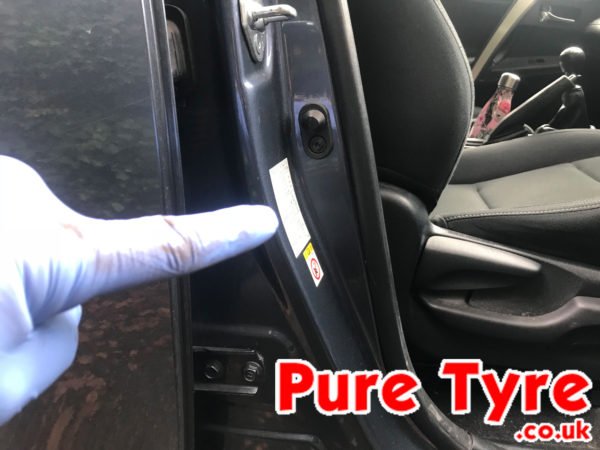
The driver’s side door jamb contains a sticker with your specific RAV4’s recommended tire pressure settings, which may vary based on model year, trim level, and whether your vehicle has standard or optional tire sizes. While many RAV4 models maintain a standard recommendation of 32-35 PSI for front and rear tires when cold, certain configurations might specify different pressures for front versus rear tires. Contrary to what some might assume, the pressure listed on the tire sidewall represents the maximum safe pressure, not the recommended operating pressure for your specific vehicle. Following the manufacturer’s recommendation rather than the tire’s maximum rating ensures optimal handling, ride comfort, and tire wear patterns specific to your RAV4’s engineering.
Locating Your Exact Pressure Requirements
Finding your RAV4’s precise tire pressure specifications takes just seconds but prevents significant safety risks. Open the driver’s door and examine the vertical door jamb (not the door itself) where you’ll find a rectangular sticker containing multiple specifications including tire pressure. This information is also available in your owner’s manual, typically in the “Capacities and Specifications” section. If you’ve recently purchased your RAV4 used and the door jamb sticker is missing or illegible, contact your local Toyota dealership with your VIN number to obtain the correct specifications. Never rely on recommendations from online forums or general automotive websites, as pressure requirements can differ between model years and trim levels.
Immediate Steps When Your Warning Light Illuminates
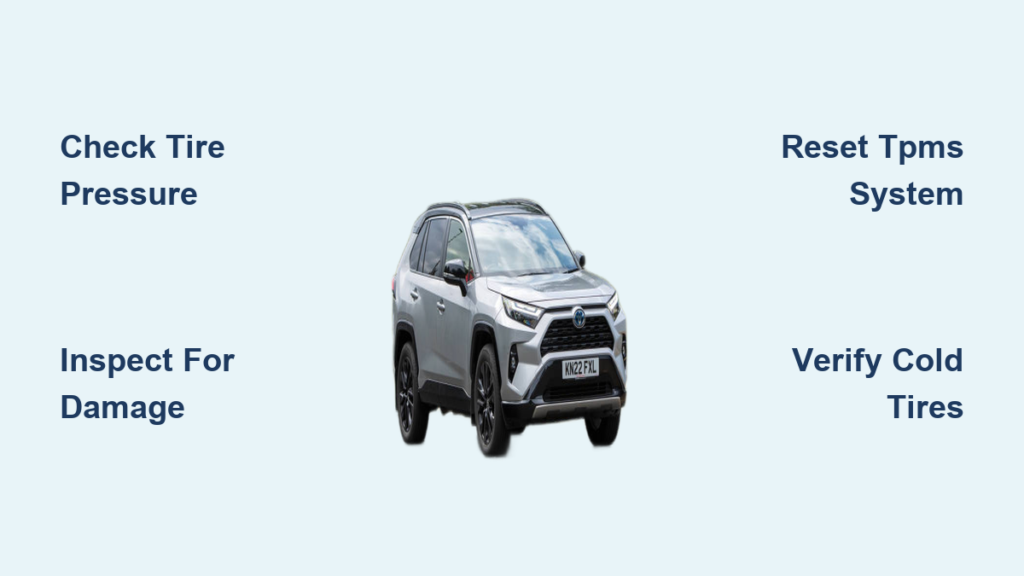
When your RAV4’s tire pressure warning light activates, take these critical steps immediately: First, check for visible tire damage such as punctures, bulges, or embedded objects. If you notice significant damage or the tire appears severely underinflated, pull over safely and call for roadside assistance – continuing to drive could cause irreparable wheel damage. If no obvious damage exists, proceed to the nearest service station to check actual tire pressures with a reliable gauge. Don’t trust your RAV4’s digital display alone, as it may not show exact PSI values. Inflate any underinflated tires to the recommended pressure shown on your door jamb sticker, then drive your RAV4 for approximately 10 minutes at speeds above 15 mph to allow the system to reset automatically.
Proper Tire Pressure Checking Technique
Many RAV4 owners unknowingly check tire pressure incorrectly, leading to inaccurate readings and persistent warning lights. For precise measurement:
- Use a high-quality digital or dial-type tire gauge rather than relying on gas station gauges
- Remove the valve stem cap and press the gauge firmly onto the valve until the hissing stops
- Read the measurement immediately before air escapes back through the valve
- Repeat the measurement two additional times to confirm accuracy
- Check all four tires plus the spare (if equipped), as the system monitors all positions
When to Seek Professional Assistance Immediately
Certain warning light behaviors indicate you should seek professional help rather than attempting DIY solutions:
- The warning light flashes continuously for more than 90 seconds after starting the vehicle
- You’ve properly inflated tires to specifications but the light remains illuminated
- You notice uneven tire wear patterns or vehicle pulling to one side
- You recently had tire service performed and the light activated afterward
These symptoms often point to TPMS sensor malfunctions requiring specialized diagnostic equipment available at Toyota dealerships or qualified tire centers.
Resetting Your RAV4’s Tire Pressure Monitoring System
After correcting tire pressure to the recommended levels, your RAV4’s system may reset automatically after driving for several minutes. If the light persists, your model may require a manual reset procedure. While specific steps vary by model year, most RAV4s from the past decade follow a similar process:
- Ensure all tires are inflated to the correct pressure
- Turn your ignition to the “ON” position without starting the engine
- Locate the TPMS reset button (typically beneath the steering wheel)
- Press and hold the button until the TPMS light blinks three times
- Start your engine and drive at speeds above 15 mph for system recalibration
Troubleshooting Persistent Warning Lights
If your tire pressure warning light remains illuminated after proper inflation and reset attempts, consider these common issues:
- Sensor battery depletion: TPMS sensors contain non-replaceable batteries that eventually fail
- Signal interference: Aftermarket electronic devices or nearby transmitters can disrupt sensor signals
- Recent tire rotation: Some RAV4 models require system relearning after tire rotation
- Electrical glitches: Temporary system errors sometimes clear after disconnecting the battery for 15 minutes
Winter-Specific Tire Pressure Considerations
RAV4 owners in colder climates should check tire pressure weekly during winter months. For every 10°F temperature drop, tire pressure decreases by 1-2 PSI, potentially triggering the warning light even with properly inflated tires. During extreme cold snaps, you might need to inflate tires slightly above the recommended pressure (but never exceeding the maximum pressure on the tire sidewall) to compensate for temperature effects, then adjust back to normal levels as temperatures stabilize.
Preventing Future Tire Pressure Warning Light Activations
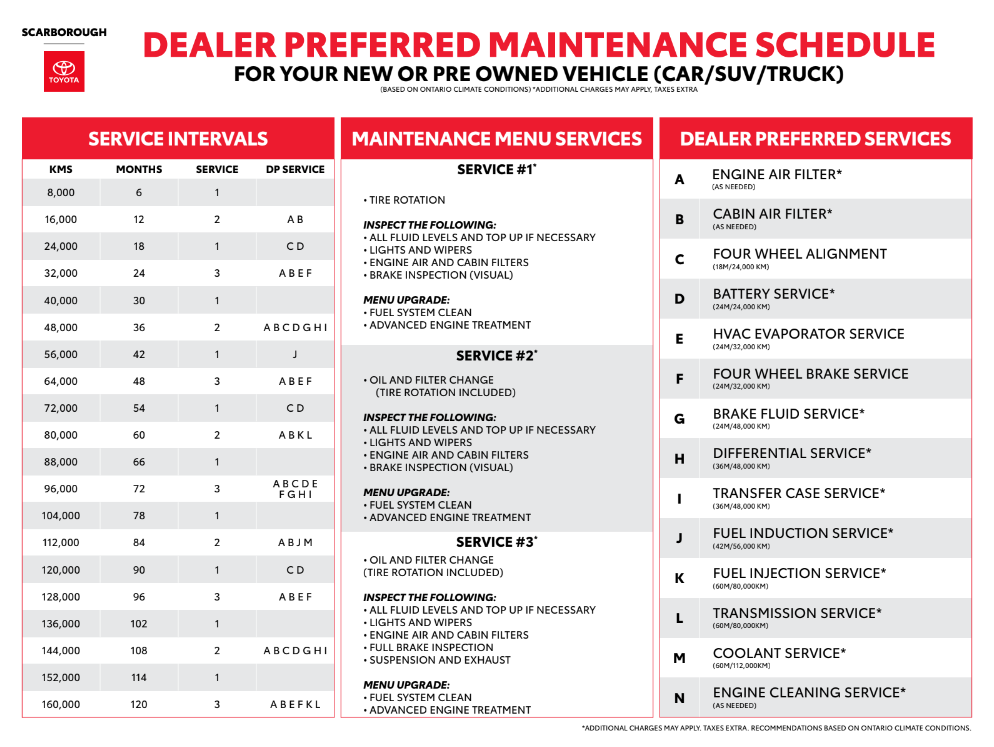
Establish a regular tire maintenance routine to minimize unexpected warning light activations. Check your RAV4’s tire pressure at least once monthly and before long trips, always when tires are cold. Rotate your tires every 5,000-7,500 miles to ensure even wear, which helps maintain consistent pressure readings. During seasonal transitions, be especially vigilant about pressure changes – many RAV4 owners find setting calendar reminders for spring and fall pressure checks prevents unnecessary warning lights. When purchasing replacement tires, ensure the installer properly services the TPMS sensors, as improper handling during tire changes accounts for many persistent warning light issues.
Creating a Tire Maintenance Schedule
Implement this simple monthly routine to keep your RAV4’s tires in optimal condition:
- First Sunday of each month: Check all tire pressures including spare
- Every 5,000 miles: Rotate tires and inspect for uneven wear
- Before road trips: Verify pressures and inspect tread depth
- Seasonal changes: Adjust expectations for normal pressure fluctuations
This proactive approach not only prevents warning light surprises but also extends tire life and maintains your RAV4’s fuel efficiency.
Your RAV4’s tire pressure warning light serves as a critical safety feature designed to protect you and your passengers. By understanding what triggers this warning, taking appropriate action when it appears, and maintaining a consistent tire care routine, you’ll minimize unnecessary alerts while ensuring your vehicle performs at its best. Remember that when in doubt about persistent warning lights or tire conditions, consulting your owner’s manual or visiting a Toyota-certified service center provides the most reliable guidance specific to your vehicle. Proper tire maintenance represents one of the simplest yet most effective ways to enhance your RAV4’s safety, performance, and longevity on the road.