That persistent TPMS warning light on your Toyota RAV4 dashboard can turn a simple drive into an anxiety-inducing experience. When the tire pressure monitoring system light stays illuminated even after you’ve properly inflated your tires, it’s more than just an annoyance—it’s a safety concern that demands your attention. Understanding how to properly reset the Toyota RAV4 tire pressure monitoring system is essential knowledge for every RAV4 owner, potentially saving you from unnecessary service visits while ensuring your vehicle’s safety systems function correctly. This guide delivers every proven reset method for your RAV4, from straightforward driving-based approaches to professional scan tool procedures, so you can confidently address TPMS warnings and maintain optimal tire pressure for safer driving.
Verify Correct Tire Pressure Before Resetting
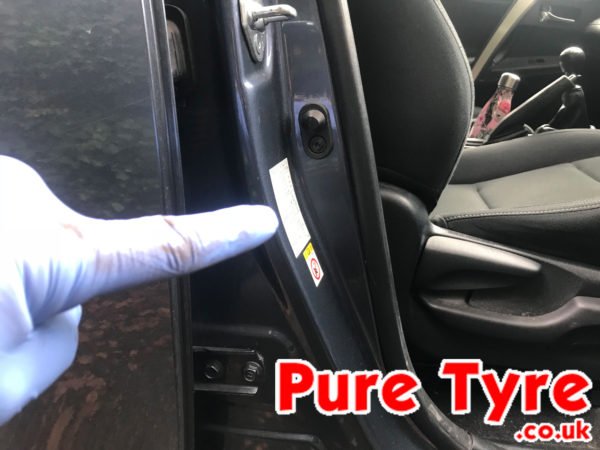
Before attempting any Toyota RAV4 tire pressure reset procedure, you must confirm all tires meet the manufacturer’s specifications. Locate the tire pressure sticker on your driver-side door jamb—it provides the exact PSI values your specific RAV4 model requires. Most models require 32-36 PSI, but never guess; your vehicle’s sticker is the definitive source.
Check all five tires including the spare, as many RAV4 models have a pressure sensor in the spare that will trigger the TPMS light if underinflated. The spare typically matches the same pressure recommendation as your road tires—often around 32 PSI. Never exceed the maximum pressure shown on the tire sidewall, as overinflation creates dangerous conditions including reduced traction and increased risk of blowouts.
When measuring pressure, use a quality digital gauge rather than relying on gas station air pumps, which often provide inaccurate readings. Check tires when they’re cold (before driving or at least three hours after driving) for the most accurate measurement, as pressure increases with heat from driving.
Drive to Reset RAV4 TPMS Light Automatically
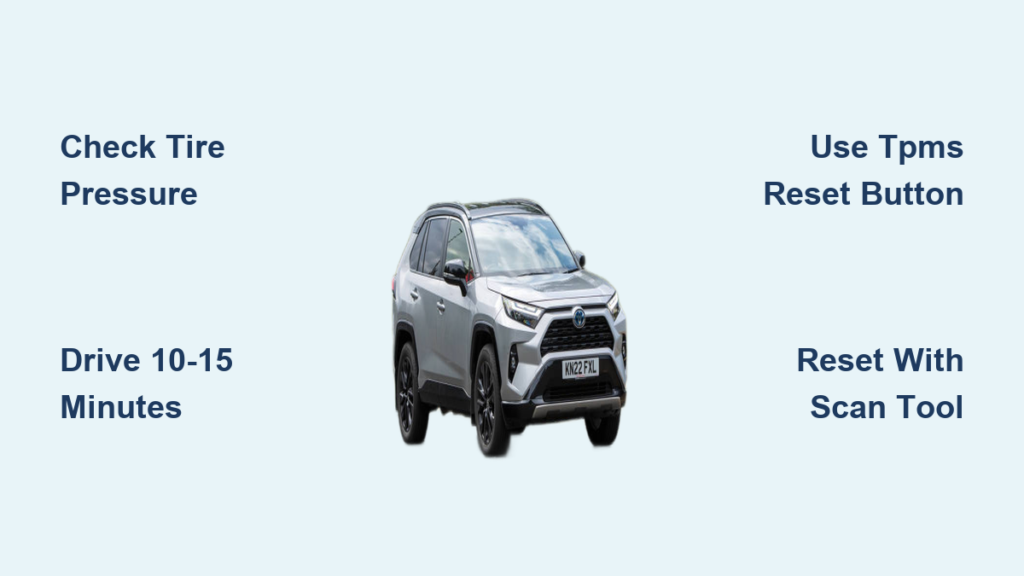
The simplest Toyota RAV4 tire pressure reset method requires no tools or complicated steps—just drive your properly inflated vehicle. After confirming all tires (including spare) meet the door jamb specifications, drive for 10-15 minutes at speeds exceeding 25 mph.
Many RAV4 owners report needing to drive at or above 50 mph for approximately 10 minutes to trigger the sensor reset, with the light extinguishing the next time you start the vehicle. The system needs sufficient tire rotation—typically several hundred revolutions—for sensors to register and process the new pressure data.
If the light doesn’t reset immediately, don’t panic. Some situations require up to two hours of cumulative driving before the system recognizes proper pressure. However, if the light remains illuminated after extended driving, proceed to more advanced reset methods or professional diagnostics.
Locate and Use Your RAV4’s TPMS Reset Button
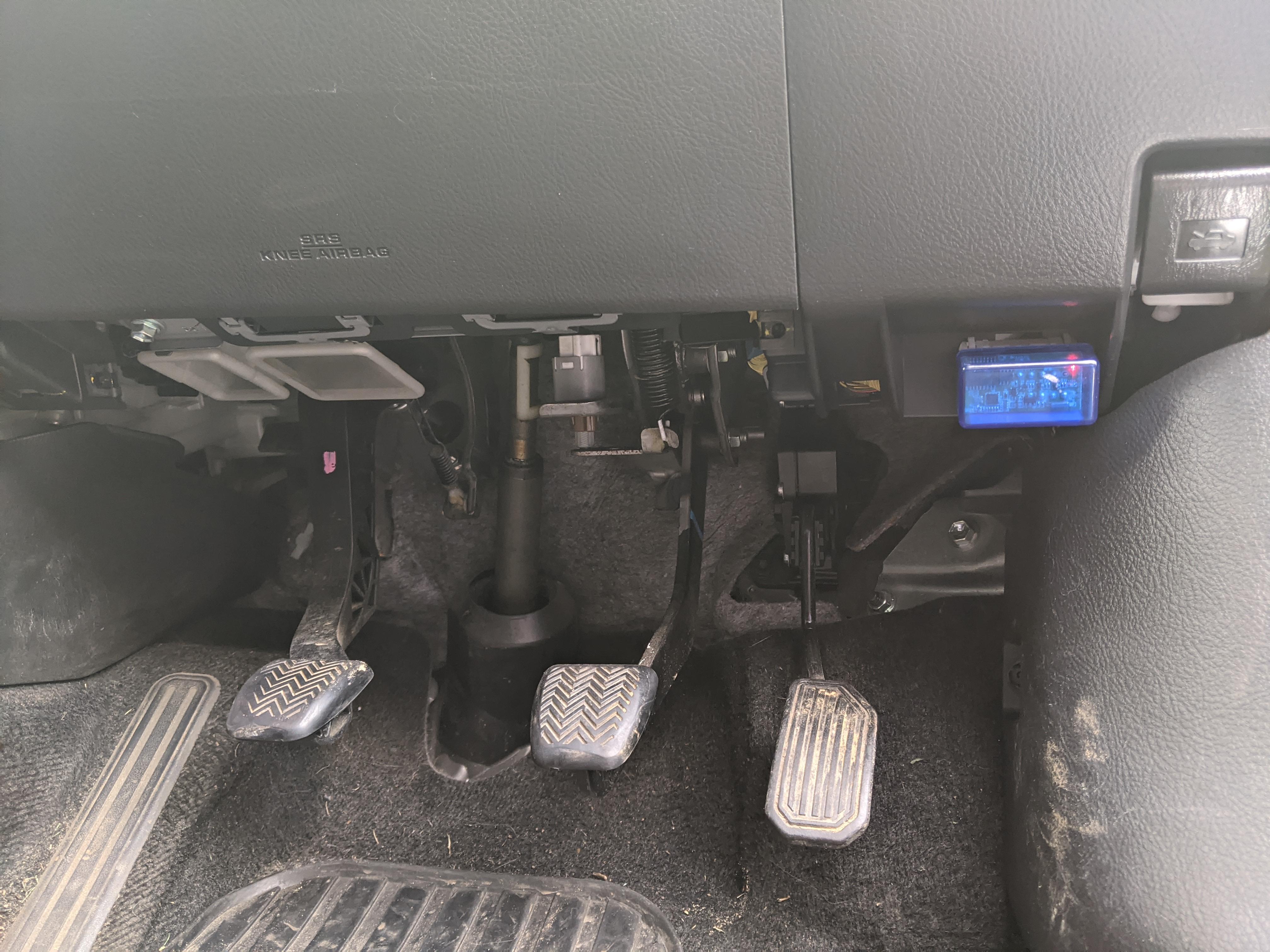
For models equipped with a reset button (most RAV4s except 2011), follow this precise procedure to reset your tire pressure monitoring system:
- Ensure your vehicle is completely turned off
- Turn the key to the “On” position without starting the engine
- Locate the TPMS reset button beneath the steering wheel on the left side of the steering column
- Press and hold the button until the tire pressure light blinks three times
- Release the button and start the car
- Wait approximately 20 minutes for the system to fully recalibrate
Critical note for 2011 RAV4 owners: Your model lacks this reset button, requiring you to rely on the driving method or professional scan tool procedures. If you’re unsure whether your model has the button, consult your vehicle’s user manual for confirmation.
Try the Pressure Cycling Reset Method
When standard methods fail, this alternative Toyota RAV4 tire pressure reset technique has proven effective for many owners:
- Inflate all tires (including spare) to 3 PSI above the recommended door jamb specification
- Completely deflate all tires
- Reinflate to the exact recommended pressure
- Drive for 10-15 minutes at highway speeds
Some owners report success with a variation involving briefly inflating tires to 45 PSI before reducing to the correct pressure. This dramatic pressure fluctuation prompts sensors to recognize the new readings and reset the system. The method works because the sensors detect significant pressure changes that trigger a system recalibration, effectively “waking up” dormant sensors that may not have registered gradual pressure adjustments.
Professional Scan Tool TPMS Relearn Procedure
For complete TPMS servicing—especially on 2011 RAV4 models—a dedicated scan tool is essential. Follow this professional procedure:
- Turn vehicle ignition OFF
- Inflate all tires to door placard specifications (including spare)
- Connect TPMS scan tool to OBDII port under driver-side instrument panel
- Follow tool prompts to collect sensor IDs from all five tires
- Turn ignition ON (without starting engine) when prompted
- Complete relearn process according to tool instructions
Crucial tip: Keep sensors away from each other during relearn. If sensors are too close, the wrong sensor may register, causing future monitoring errors. This professional method is particularly important when replacing sensors, as new sensors have different ID numbers that must be registered with your vehicle’s system.
Fix Persistent RAV4 TPMS Warning Lights
When your tire pressure light remains illuminated despite correct pressure and reset attempts, investigate these common culprits:
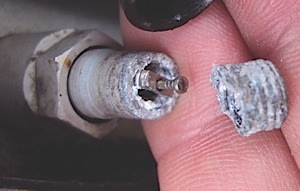
Valve stem contamination: Dirt or debris around valve stems interferes with sensor readings. Remove valve caps and clean stems thoroughly with a soft brush. If problems persist, remove and inspect valve cores for corrosion.
Overlooked spare tire: Even with four perfect tires, a low spare triggers the warning light. Always verify spare tire pressure matches door jamb specifications.
Flashing warning light: Unlike a steady light indicating low pressure, a flashing light signals sensor malfunction or battery failure. This requires professional diagnosis—don’t ignore this critical warning.
Eliminate Radio Signal Interference Affecting TPMS
Your Toyota RAV4 tire pressure reset may fail due to radio frequency interference blocking sensor communication. Direct TPMS systems use radio signals that can be disrupted by:
- Electric motors near your vehicle
- Household appliances in your garage
- Cell phones placed too close to sensors
- Metal objects blocking signal paths
When performing reset procedures, move your vehicle away from potential interference sources. Complete the process in an open area free from electronic devices for optimal sensor communication. This simple step resolves many seemingly persistent TPMS issues without requiring additional tools or service.
Maintain TPMS Sensors to Prevent Future Issues
Proper sensor maintenance prevents recurring TPMS problems and ensures long-term reliability:
Valve stems: Never reuse valve stems when servicing TPMS components. The heat from brakes and road surfaces degrades these components over time. Always install new valve cores from sensor kits to prevent leaks.
Valve stem nuts: The anodized aluminum surface prevents galvanic corrosion. Reusing nuts risks scratching this protective layer, leading to corrosion that can make nuts impossible to remove or properly torque.
Seals and grommets: These components conform to your wheel’s specific shape during installation and cannot be reused. Attempting to reuse them creates slow leaks that trigger persistent TPMS warnings.
Know When to Visit a Professional for TPMS Service
Seek professional assistance if:
- The TPMS light remains illuminated after verifying all tire pressures and driving 15+ minutes
- You observe a flashing TPMS warning light (indicating sensor malfunction)
- You’ve recently replaced tires or sensors and need proper relearn procedures
- You own a 2011 RAV4 without a reset button requiring scan tool service
Professional technicians have specialized TPMS scan tools that read sensor data including battery life and identification numbers—information unavailable to drivers. They can diagnose failing sensors, verify system function, and perform complete relearn procedures when new sensors are installed.
Establish Monthly TPMS Maintenance Routine
Prevent unexpected TPMS warnings with this simple maintenance schedule:
- Check all tire pressures (including spare) monthly using an accurate digital gauge
- Verify pressures before long trips or significant seasonal temperature changes
- Inspect valve stems for damage or corrosion during each pressure check
- Clean valve caps regularly to prevent debris from entering the system
Remember that temperature changes significantly affect tire pressure—cold weather reduces pressure while hot weather increases it. These natural fluctuations often trigger TPMS warnings if not properly managed. During routine tire rotations or replacements, ensure technicians properly handle TPMS sensors and follow Toyota-specific service procedures to maintain system integrity.
By mastering these Toyota RAV4 tire pressure reset methods and maintenance practices, you’ll keep your safety systems functioning properly while avoiding unnecessary service costs. When in doubt, consult your vehicle’s manual or visit a qualified technician—your safety on the road depends on properly functioning tire pressure monitoring.