That unsettling thump when you hit a pothole might seem minor at the moment, but it could be the first sign of developing tire wall damage that puts your safety at risk. The sidewall—the critical structural component connecting your tire’s tread to the wheel rim—lacks the reinforced steel belts found in the tread area, making it uniquely vulnerable to permanent damage from impacts and punctures. Unlike tread damage that can often be professionally repaired, tire wall damage typically compromises the internal cord structure in ways that cannot be safely remediated. Understanding how to identify dangerous damage versus cosmetic blemishes could prevent a catastrophic blowout at highway speeds.
This guide delivers precisely what you need to know: how to spot dangerous tire wall damage, assess its severity, and make informed decisions about repair versus replacement. You’ll learn to distinguish between surface scratches that are safe to monitor and structural failures demanding immediate tire replacement. We’ll also cover practical prevention strategies to protect your tires from damage and maximize both safety and your investment in quality rubber.
Identify Tire Wall Damage Types
Visual inspection remains your first line of defense against tire wall damage, but knowing what you’re looking for makes all the difference between a minor cosmetic issue and a serious safety hazard. The sidewall contains multiple layers of fabric cord running parallel beneath the rubber surface, with steel cords reserved primarily for the tread area. These internal layers provide critical structural strength—when damaged, the tire’s ability to retain air and support vehicle weight becomes compromised. Regular inspection after hitting potholes, curbs, or road debris helps catch damage early before it escalates into dangerous failure.
Surface Scratches Versus Structural Damage
Surface scratches from minor curb contact or road debris represent the mildest form of tire wall damage. These superficial marks penetrate only the outer rubber layer and rarely affect structural integrity. However, multiple pronounced scratches or nicks clustered in one area warrant professional inspection, as they may indicate the tire has sustained repeated stress that could weaken underlying components over time. Look for these visual cues during your inspection:
- Shallow marks that don’t catch your fingernail
- Discoloration without texture change in the rubber
- Isolated marks rather than clustered damage
Pro tip: After any significant impact, run your hand along the entire sidewall (when cool) to feel for any irregularities that might not be visible.
When Minor Damage Becomes Major
The transition from cosmetic to dangerous damage occurs when the outer rubber layer is breached and the internal structure becomes exposed. Any cut that penetrates beyond the surface rubber creates a pathway for moisture and contaminants to reach the internal cord layers, accelerating deterioration. Pay special attention to damage that appears near the shoulder area where the sidewall meets the tread—this transition zone experiences the most flexing during normal driving and is particularly vulnerable to progressive damage.
Assess Cuts and Tears Severity

Cuts in the sidewall vary dramatically in danger level, with depth serving as the primary factor determining whether immediate replacement is necessary. Shallow cuts that do not extend beyond the outer rubber layer may not pose immediate danger, though they require ongoing monitoring for any signs of progression. The internal carcass ply—the structural layer beneath rubber that contains air pressure—must remain intact for the tire to function safely. Damage to this layer typically means the tire is not repairable and requires replacement.
Deep Cuts Demand Immediate Replacement
Deep cuts that expose the internal structure present an immediate safety risk and demand tire replacement. Even cuts that appear small externally may have penetrated deeper than visible, particularly if they resulted from impact with sharp objects like broken glass or metal debris. A cut approximately one inch long that extends partially toward the tire’s interior may qualify as minor cosmetic damage only if it does not penetrate the sidewall plies, but professional inspection is strongly recommended to confirm this assessment.
Warning: Never attempt to repair a sidewall cut with plug kits designed for tread punctures—this creates a false sense of security while leaving the tire dangerously compromised.
Hidden Inner Sidewall Damage
Cuts on the inner sidewall present additional concern because they often escape casual visual inspection during routine walk-arounds. After driving over sharp elements, having your tires professionally examined—even if no external damage is immediately visible—helps identify hidden problems before they cause sudden failure. Symptoms indicating potential inner sidewall damage include:
- Unexplained slow air loss
- Vibration that develops after hitting road hazards
- Uneven wear patterns on the inner tread edge
Recognize Bulges and Bubbles Dangers
Bulges and bubbles on the sidewall represent one of the most alarming and dangerous forms of tire wall damage, requiring immediate attention and virtually always necessitating tire replacement. This damage typically occurs when a vehicle strikes a curb (frontally or at an angle) or hits a pothole at speed with sufficient force to separate internal tire layers. The visible bubble indicates that air has escaped into the space between the tire’s internal structure and outer rubber, creating a palpable bulge on the tire’s surface.
Why Bulges Are Non-Negotiable
The danger posed by a bulge cannot be overstated. If the bubble ruptures during driving—particularly at highway speeds—the rapid air loss can cause immediate loss of vehicle control and potentially lead to a serious accident. Unlike tread damage, there is no safe repair for sidewall bulges because the structural integrity has been permanently compromised. Immediate replacement is the only safe option when you spot a bulge.
Detecting Hidden Bulges
Bulges can develop on both inner and outer sidewall surfaces, meaning they may remain hidden during casual inspection. However, tires developing bulges typically produce abnormal vibrations during driving, serving as a warning sign that should prompt immediate professional evaluation. Check for these telltale signs:
- Vibration that intensifies with speed
- Uneven tire wear patterns
- Visible distortion when viewing the tire from the front or rear
Understanding Cracks and Dry Rot
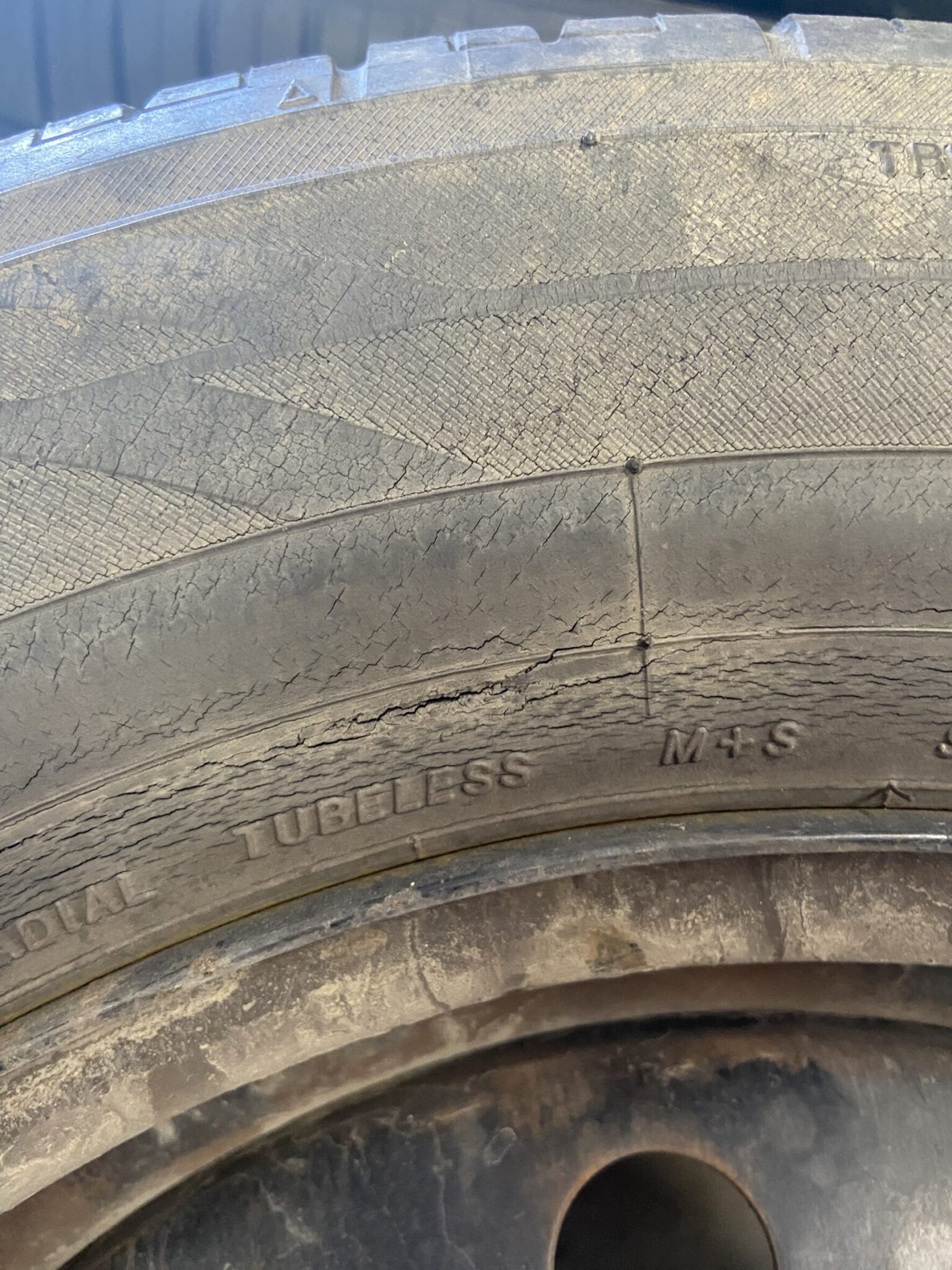
Cracks in the sidewall indicate tire aging and degradation, resulting from exposure to sunlight, ozone, temperature extremes, and chemical damage. The rubber compounds in tires contain protective agents that maintain flexibility and integrity over time; when these agents deplete, the rubber loses elasticity and develops characteristic cracking patterns. This deterioration, commonly called dry rot, creates a spiderweb pattern of fine cracks on the tire surface.
Chemical Damage Accelerates Cracking
Chemical damage can accelerate dry rot dramatically. Using harsh cleaning products or inappropriate shine agents strips protective rubber agents, exposing the tire to faster deterioration. Even normal environmental exposure eventually leads to dry rot as protective compounds break down over the tire’s lifespan. The severity of cracking determines appropriate response—minor surface cracks may not require immediate replacement but indicate the tire is approaching end of service life, while extensive cracking warrants immediate replacement.
Pro tip: When cleaning tires, use only products specifically designed for tire maintenance that preserve rather than strip protective compounds.
When Tire Replacement Is Absolutely Necessary
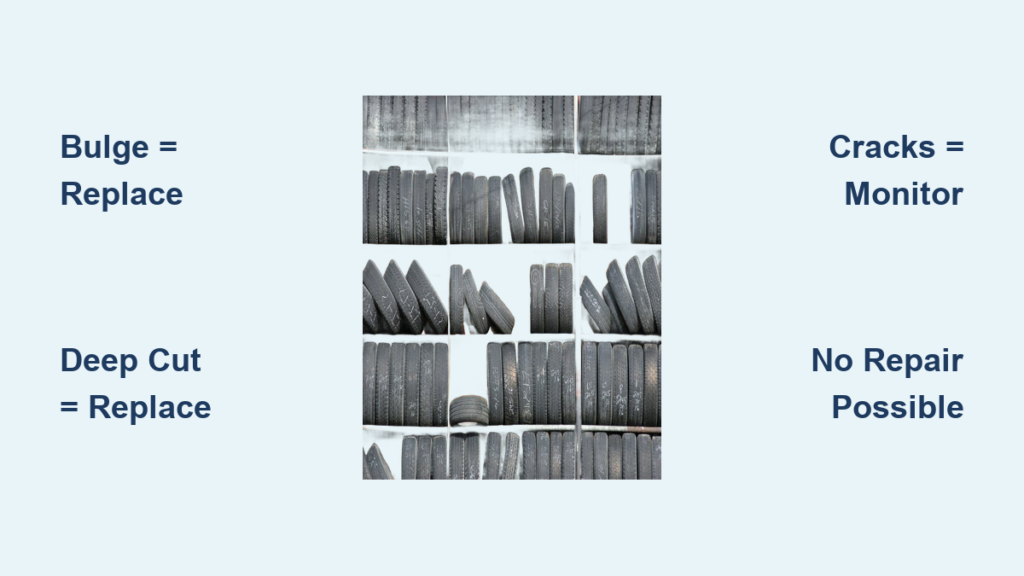
Certain types of tire wall damage absolutely require immediate replacement and should never be considered for repair. Any bulge or blister indicates internal separation and creates unacceptable blowout risk—the tire must be replaced upon discovery. Any puncture in the sidewall is not repairable and requires replacement, as the structural demands on this area make patching unsafe and unreliable.
Critical Damage Thresholds
Cuts deeper than one-quarter inch that expose internal structure—steel belts or fabric layers—require replacement regardless of length. Even seemingly minor cuts that have penetrated the structural layers compromise the tire’s integrity in ways that cannot be safely remediated. Visible deformation in the tire’s shape indicates structural compromise and requires professional evaluation, with replacement typically necessary.
Signs of extensive dry rot or cracking, particularly on tires older than five years, warrant replacement. Small surface cracks may be acceptable to monitor, but any cracking that appears extensive, deep, or is accompanied by other age-related deterioration should prompt immediate replacement. The relatively modest cost of a new tire is insignificant compared to the potential consequences of a blowout.
Acceptable Damage Guidelines
Not all tire wall damage requires immediate replacement. Minor cosmetic damage that does not penetrate structural layers may be acceptable to drive on until normal tread wear necessitates replacement. The primary criterion for continued use is absence of air loss or slow leaks—a simple soapy water spray test can detect leaks not otherwise apparent.
Monitoring Minor Damage
For minor tears or flaps of rubber that remain attached, some vehicle owners have successfully used rubber cement (never superglue) to secure loose material. Superglue becomes rigid when set and cracks when the tire flexes during driving, while rubber cement maintains flexibility. In cases of very minor damage on tires with substantial remaining tread life, monitoring the situation is often appropriate.
Warning signs requiring immediate replacement:
– Development of any bulge or bubble
– New vibration during driving
– Sudden pressure loss
– Visible progression of existing damage
Essential Prevention Strategies
Preventing tire wall damage requires consistent attention to inspection, inflation maintenance, and driving habits. Regular visual inspection helps catch damage early, particularly after hitting potholes, curbs, or obstacles. Since inner sidewall damage may escape casual observation, periodic professional inspection provides more thorough assessment of potential problems.
Quality Tires Offer Better Protection
Quality tire selection from reputable manufacturers reduces manufacturing defect risks. Premium brands incorporate advanced technologies like Aramid-reinforced sidewalls, using durable fibers similar to those in protective vests to provide superior protection against road hazards. While these tires may cost more initially, their enhanced durability and damage resistance often provide better long-term value.
Pro tip: When replacing tires, consider models specifically designed for your driving conditions—highway tires with reinforced sidewalls offer better protection against impact damage than standard models.
Warning Signs Demanding Immediate Attention
Certain symptoms indicate serious tire wall damage requiring immediate professional attention. Abnormal vibrations during driving, particularly those beginning after hitting an obstacle, may indicate internal damage such as a developing bulge. Any sudden loss of tire pressure—rapid or gradual—indicates a breach in air retention capability and requires immediate inspection.
Visible changes in tire appearance, including any new bulges, cracks, or deformities, should prompt immediate professional evaluation. Unusual handling characteristics, such as pulling to one side or changes in ride quality, may indicate tire damage affecting vehicle dynamics. Any of these warning signs should trigger professional inspection and likely tire replacement.
Key Takeaways on Tire Wall Damage
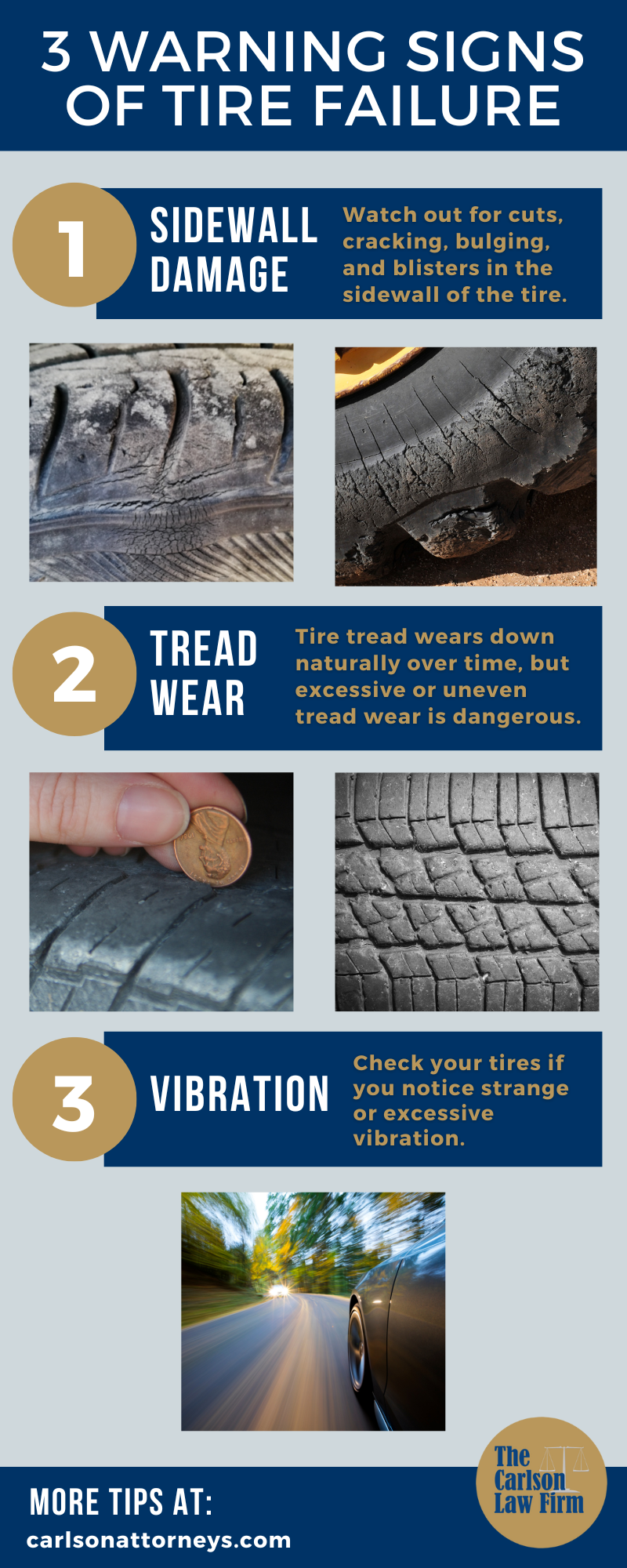
Tire wall damage ranges from minor cosmetic issues to serious safety hazards requiring immediate replacement. Bulges, deep cuts, and punctures demand immediate tire replacement—the structural integrity of the sidewall cannot be safely restored through repair. Cracks, particularly on aging tires, warrant careful evaluation with replacement often necessary. Minor surface damage without structural compromise may be acceptable to drive on with continued monitoring, but vigilance is essential.
When uncertain about damage severity, erring on the side of safety by replacing the tire is always appropriate. Regular inspection, proper inflation maintenance, quality tire selection, and careful driving habits collectively minimize tire wall damage risk and ensure maximum safety on the road. Your tires are your vehicle’s only contact with the road—protecting their structural integrity protects your life.