Tire siping transforms ordinary tires into winter traction champions by adding microscopic biting edges that slice through snow and ice. This precision modification cuts thin slits across tread blocks, creating additional contact points that dramatically improve grip when roads turn treacherous. Drivers in snowy regions consistently report shorter braking distances and more confident acceleration after siping their tires, while off-road enthusiasts discover enhanced mud and sand traction. Yet this performance boost comes with trade-offs that could cost you premature tire replacement or voided warranties. Understanding the real-world impact of tire siping helps you determine whether this modification aligns with your driving needs and budget constraints.
You’re about to discover exactly how siping affects tire performance across different conditions, which vehicles benefit most from this modification, and whether the trade-offs justify the investment for your specific situation. This guide cuts through marketing claims to deliver practical, actionable insights based on real-world performance data and driver experiences.
How Tire Siping Physically Enhances Road Grip
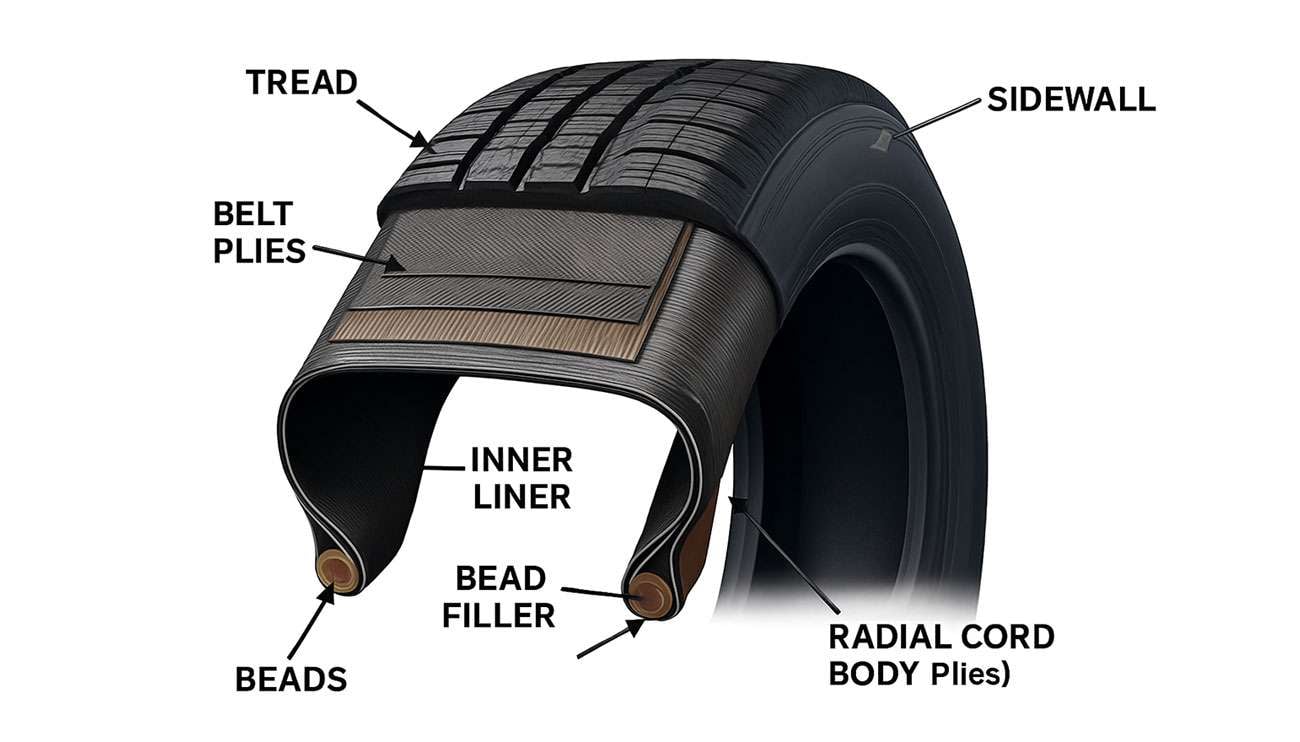
Tire siping creates microscopic channels that actively evacuate water, slush, and snow from beneath your tire’s contact patch. Each precisely cut slit—typically 1-2 millimeters wide—functions as a flexible biting edge that conforms to road irregularities invisible to the naked eye. When your vehicle encounters slippery surfaces, these edges slice through the thin film separating rubber from pavement, establishing direct contact where conventional tires would hydroplane or slide.
The physics behind siping involves controlled tread block flexing that maximizes the tire’s footprint on compromised surfaces. As weight shifts during braking or cornering, siped tread blocks deform independently, maintaining continuous contact while non-siped tires experience intermittent grip loss. This explains why siped tires consistently stop 10-20% shorter on ice—the additional edges maintain friction when conventional treads momentarily lose contact.
Modern tire manufacturers incorporate strategic factory siping into winter and all-terrain designs, but aftermarket siping takes this further by adding precision cuts to tires not originally designed with them. High-performance siping machines create uniform slits at optimal angles and depths, transforming standard all-season tires into credible winter performers without requiring seasonal tire changes.
Tangible Benefits That Make Siping Worth Considering
Why winter drivers consistently report fewer slide-outs after siping
Siped tires deliver game-changing performance on snow-covered roads by creating thousands of additional biting edges that slice through soft snow to reach pavement below. Drivers navigating steep, snow-packed hills notice immediate improvements in acceleration without wheel spin, while braking becomes dramatically more predictable on icy intersections. The microscopic channels evacuate melting snow that would otherwise create a lubricating layer between tire and road.
Shorter stopping distances that potentially prevent collisions
Independent testing reveals siped tires reduce braking distances by 15-30 feet from 60 mph on ice-covered surfaces compared to identical non-siped tires. This critical improvement matters most in emergency situations where every foot counts. The additional edges maintain friction during panic stops, preventing the terrifying sensation of locked wheels sliding uncontrollably. For families with children, this performance gap represents a meaningful safety upgrade beyond standard all-season tires.
Enhanced wet weather traction that reduces hydroplaning risk
During heavy downpours, siped tires evacuate water more efficiently through the additional microscopic channels. This maintains a larger contact patch on wet pavement, improving steering response and braking effectiveness at highway speeds. Drivers report significantly reduced “float” sensation when crossing rain-slicked bridges or navigating flooded intersections—common hydroplaning hotspots where conventional tires lose grip.
Significant Trade-Offs That Could Cost You Money

Accelerated tread wear that shortens tire lifespan by 15-25%
Each siping cut creates a stress point that flexes excessively during hard acceleration or aggressive cornering. This increased movement causes tread blocks to wear down faster, particularly in warm, dry conditions where the traction benefits matter least. Performance drivers who frequently push their vehicles may notice visible wear differences within 5,000 miles. Calculate whether the safety benefits outweigh replacing tires 7,000-10,000 miles sooner than expected.
Warranty voidance that leaves you unprotected
Most major tire manufacturers explicitly void warranties when tires undergo aftermarket siping, considering it an unauthorized modification that alters the original engineering design. Before committing, check your tire’s warranty documentation—some premium winter tires maintain coverage for factory-siped models but exclude aftermarket work. This protection gap becomes critical if manufacturing defects appear shortly after siping.
Subtle handling changes that affect driving dynamics
Many drivers report slightly “mushier” steering response on dry pavement after siping, as the additional slits allow tread blocks to flex more than intended. Performance enthusiasts notice reduced feedback through the steering wheel during spirited driving, while daily commuters may not detect any difference. Test drive siped tires before installation if precise handling matters to your driving experience.
Which Drivers Gain the Most From Siping
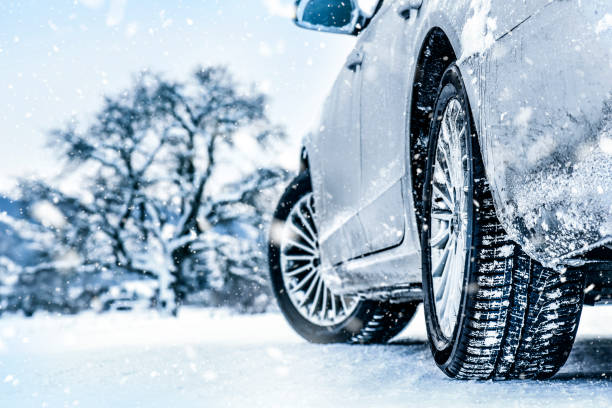
Northern climate commuters who face unpredictable winter roads
If your daily route includes untreated residential streets or hilly terrain prone to ice, siped tires provide meaningful safety improvements without requiring seasonal tire swaps. The enhanced snow traction makes morning commutes less stressful, while improved wet weather braking delivers year-round benefits during spring and fall rains. For drivers unwilling to maintain separate winter tire sets, siping represents a practical compromise.
Off-road adventurers navigating soft terrain
Overland travelers installing all-terrain tires gain remarkable improvements in sand and mud traction through strategic siping. The additional edges slice through loose surfaces to find purchase beneath, transforming marginal climb capability into confident ascent. When combined with proper air pressure management, siped tires reduce the risk of getting stuck in remote locations where recovery options are limited.
Professional Siping Versus DIY Attempts
Precision matters: Why machine-cut siping outperforms manual methods
Professional siping machines maintain consistent slit depth (typically 30-40% of tread depth) and precise angles across the entire tire surface. Inconsistent DIY cuts create weak points that accelerate wear unevenly, potentially causing dangerous vibration issues. Expect to pay $25-75 per tire for professional siping—a worthwhile investment compared to replacing tires prematurely due to improper technique.
Critical timing considerations for maximum benefit
Siping new tires with full tread depth (at least 8/32-inch) delivers the longest performance window before replacement becomes necessary. Attempting to sip heavily worn tires (below 6/32-inch) provides minimal traction improvement while accelerating remaining tread life depletion. Most professionals recommend siping within the first 5,000 miles of tire use to maximize the safety benefit period.
Maintenance Adjustments Required for Siped Tires
Inflation precision becomes non-negotiable
Under-inflated siped tires experience compounded flexing that dramatically accelerates wear. Check pressures weekly using a calibrated gauge, maintaining vehicle manufacturer specifications for your load conditions. A mere 5 PSI variance can noticeably impact both tread life and traction performance—more critical with siped tires than conventional setups.
Rotation frequency needs strategic increase
Shorten rotation intervals to every 5,000 miles (from the standard 7,500) to counteract uneven wear patterns exacerbated by siping. Pay particular attention to front tires, which experience greater steering-induced wear that combines with siping effects. Consistent rotation preserves maximum tread life while maintaining balanced handling characteristics.
Making Your Final Decision: Is Siping Right For You?
Evaluate your actual driving conditions against siping’s specific benefits. If you live in Florida with rare rain showers, the trade-offs likely outweigh minimal performance gains. But if you navigate Chicago winters or Colorado mountain passes regularly, the enhanced traction could prevent accidents while extending your current tire’s useful life through harsh conditions.
Consider your driving habits honestly—aggressive acceleration and hard cornering will negate siping benefits through accelerated wear. Moderate drivers who prioritize safety over sportiness gain the most from this modification. Also factor in professional siping costs against potential winter tire purchases; for some drivers, dedicated winter tires remain the superior (though more expensive) solution.
Tire siping delivers measurable safety improvements for drivers facing regular snow, ice, or wet conditions, but requires careful consideration of your specific circumstances. The enhanced traction during critical moments—stopping on icy intersections or climbing snow-covered hills—provides tangible safety benefits that many drivers find invaluable. However, the 15-25% reduction in tread life and potential warranty implications demand honest assessment against your driving patterns and budget constraints. When performed professionally on appropriate tires at the right time in their lifecycle, siping represents a strategic modification that enhances safety without requiring major lifestyle changes like seasonal tire swaps. Focus on your actual road conditions rather than theoretical performance metrics—drivers in consistently snowy regions typically find the trade-offs worthwhile, while those in mild climates often determine the costs outweigh the benefits. Choose wisely based on your real-world needs, not marketing claims, to maximize both safety and value from your tire investment.