
A sudden tire sidewall blowout ranks among the most dangerous emergencies drivers can face. Unlike gradual air loss, a sidewall blowout causes immediate and total loss of tire integrity, often resulting in violent vehicle instability. When the reinforced rubber between your tire’s tread and wheel rim fails catastrophically, you lose critical control at the worst possible moment—typically while traveling at highway speeds. Understanding the causes, recognizing warning signs, and knowing exactly how to respond can prevent a minor roadside incident from becoming a life-threatening collision. This guide delivers the specific knowledge you need to protect yourself and your passengers from this common yet preventable driving hazard.
Why Sidewall Damage Causes Immediate Tire Failure
Impact Damage From Road Hazards
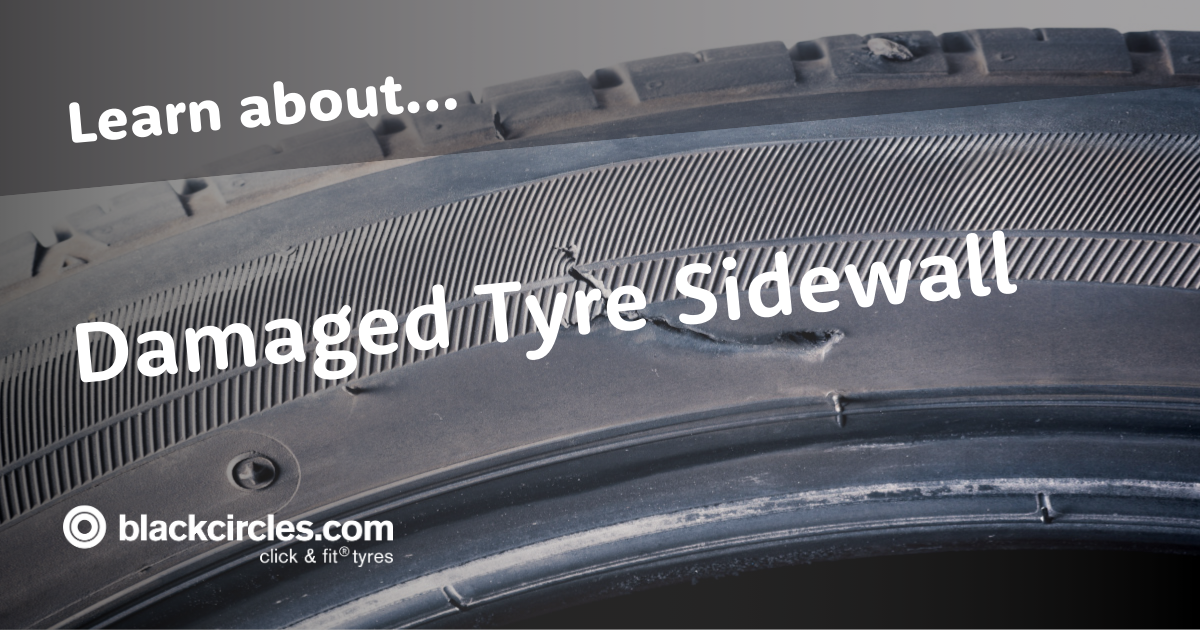
Potholes and road debris deliver the most common fatal blows to tire sidewalls. When you strike a deep pothole at speed, the tire compresses violently against the wheel rim, shearing internal steel belts and fabric plies that maintain structural integrity. This damage often remains invisible until the sidewall suddenly ruptures hours or days later. Similarly, sharp road debris like nails or metal shards penetrate the relatively thin sidewall rubber more easily than the reinforced tread area, creating irreparable punctures that lead to explosive air loss.
Age and Environmental Degradation
Your tires quietly deteriorate from the moment they leave the factory, with sidewall integrity declining fastest. Rubber compounds break down due to UV exposure, temperature extremes, and ozone pollution, causing microscopic cracks that compromise structural strength. Tires older than five years—even those with adequate tread depth—become significantly more vulnerable to blowouts regardless of mileage. Parking your vehicle in direct sunlight accelerates this degradation process, with UV rays breaking down rubber polymers that give the sidewall its critical strength.
Overinflation and Excessive Load
Running tires at pressures significantly above manufacturer specifications creates dangerous stress on sidewall structure. Overinflated tires develop a smaller road contact patch, forcing the sidewalls to bear disproportionate weight during cornering maneuvers. This chronic overstressing weakens internal reinforcement over time. Similarly, exceeding your tire’s load rating—common when hauling heavy cargo or towing—pushes sidewalls beyond design limits with every rotation. The resulting fatigue eventually causes catastrophic failure, often without warning.
Critical Warning Signs You Can’t Ignore

Visible Sidewall Damage Indicators
Check your tires weekly for these danger signals before they lead to roadside emergencies:
- Bulges or blisters protruding from the sidewall surface indicate internal separation where air pressure is forcing rubber outward
- Deep cracks extending through multiple rubber layers (not just surface dry rot) compromise structural integrity
- Cuts or punctures larger than ¼ inch cannot be safely repaired according to industry standards
- Irregular deformations when the tire is properly inflated suggest internal damage requiring immediate replacement
Handling Changes That Signal Impending Failure
Pay attention to these subtle driving changes that often precede sidewall blowouts:
- Unusual vibrations that increase with speed despite proper wheel balancing
- Persistent vehicle pull to one side that doesn’t correct with steering input
- Hissing sounds when parked indicating slow air loss from sidewall damage
- Thumping noises at low speeds suggesting internal structural compromise
Essential Prevention Strategies That Work
Weekly Sidewall Inspection Protocol
Establish this simple routine to catch problems early:
- Run your hands along both sidewalls while checking for irregularities you might not see
- Examine closely in good lighting for cuts, bulges, or deep cracking
- Check pressure monthly when tires are cold using an accurate digital gauge
- Document findings by noting any concerns in your maintenance log
Focus special attention on the right-side tires, which most frequently contact curbs during parking. Rotate tires every 5,000-8,000 miles to promote even wear and make hidden damage more visible during routine checks.
Proper Inflation and Load Management
Maintain optimal tire pressure using these proven techniques:
- Find your vehicle’s specific recommendation on the driver’s door jamb sticker—not the maximum pressure molded on the tire sidewall
- Adjust pressure seasonally by adding 3-5 PSI in winter and reducing slightly during extreme summer heat
- Never exceed load limits printed on the tire’s sidewall, especially when towing or carrying heavy cargo
- Use a quality tire inflator with preset pressure settings to avoid overinflation mistakes
Defensive Driving Tactics That Protect Tires
Modify your driving habits to minimize sidewall stress:
- Slow significantly before hitting unavoidable potholes or road debris
- Maintain safe following distances to avoid sudden swerving maneuvers
- Avoid aggressive cornering that excessively flexes sidewall structure
- Choose routes with better road surfaces when possible, especially for highway travel
Emergency Response When a Blowout Happens
Critical First 5 Seconds: Maintain Control
Your immediate reaction determines whether you’ll safely reach the shoulder or lose control. When a sidewall blowout occurs:
- Grip the steering wheel firmly with both hands—the vehicle will pull violently toward the failed tire
- Resist slamming the brakes—this creates dangerous asymmetric forces that can cause spinning
- Ease off the accelerator gradually while maintaining directional control
- Allow speed to drop naturally to 30-40 mph before attempting to move toward the shoulder
Overcorrection causes more blowout-related accidents than the initial failure. Focus on keeping the vehicle pointed straight while reducing speed gradually.
Safe Stopping and Post-Blowout Protocol
Once you’ve regained control at lower speeds:
- Signal early and move completely off the roadway onto level ground
- Activate hazard lights well before stopping to alert approaching traffic
- Apply parking brake only after complete stop to prevent rolling
- Exit vehicle on passenger side away from traffic flow
- Never attempt roadside repair—sidewall damage requires full tire replacement
Contact roadside assistance rather than trying to change a tire with sidewall damage. The compromised structure makes mounting and dismounting extremely dangerous.
Why Sidewall Damage Requires Replacement, Not Repair

Industry Standards Prohibit Sidewall Repairs
Tire safety organizations universally prohibit repairing sidewall damage for critical reasons:
- Sidewalls flex significantly during driving, preventing patches from maintaining adhesion
- Internal structural damage extends beyond visible surface damage
- Repaired sidewalls cannot withstand normal operational stresses
- No repair method restores original strength and integrity
Even minor punctures in the sidewall area require complete tire replacement regardless of tread depth. Attempting repair creates false confidence in a compromised tire.
Smart Replacement Strategies
When replacing a blowout-damaged tire:
- Match the replacement to your existing tires’ brand, model, and size for balanced handling
- Consider replacing both tires on the same axle to maintain consistent traction
- Verify load and speed ratings match or exceed your vehicle manufacturer’s specifications
- Check tire age by examining the DOT code—never install tires older than six years
Investing in quality tires with reinforced sidewalls provides better protection against future blowouts, especially if you frequently drive on rough roads.
Final Safety Checklist
Preventing sidewall blowouts requires consistent attention to tire maintenance and driving habits. Establish a weekly inspection routine focusing specifically on sidewall condition, maintain proper inflation pressures through seasonal changes, and modify driving habits to avoid road hazards. Most importantly, practice the correct emergency response techniques before you ever experience a blowout—your muscle memory during those critical first seconds could save lives. Remember that sidewall damage always requires replacement, not repair, so never drive on a compromised tire even if it appears to hold air temporarily. By implementing these specific strategies, you’ll dramatically reduce your risk of experiencing one of driving’s most dangerous emergencies.