That glowing tire pressure warning light on your dashboard isn’t just an annoyance—it’s your vehicle screaming for attention. When your tire sensor stops working properly, you lose critical safety information about one of the most vital components keeping you on the road. Without accurate tire pressure monitoring, you’re risking uneven tire wear, decreased fuel efficiency, longer braking distances, and potentially dangerous blowouts. Understanding why your tire sensor isn’t communicating properly and knowing how to fix it transforms you from a worried driver into an informed problem-solver. This guide reveals the exact steps to diagnose and resolve TPMS issues yourself, saving you hundreds in unnecessary dealership visits.
Identify Why Your Tire Pressure Sensor Failed
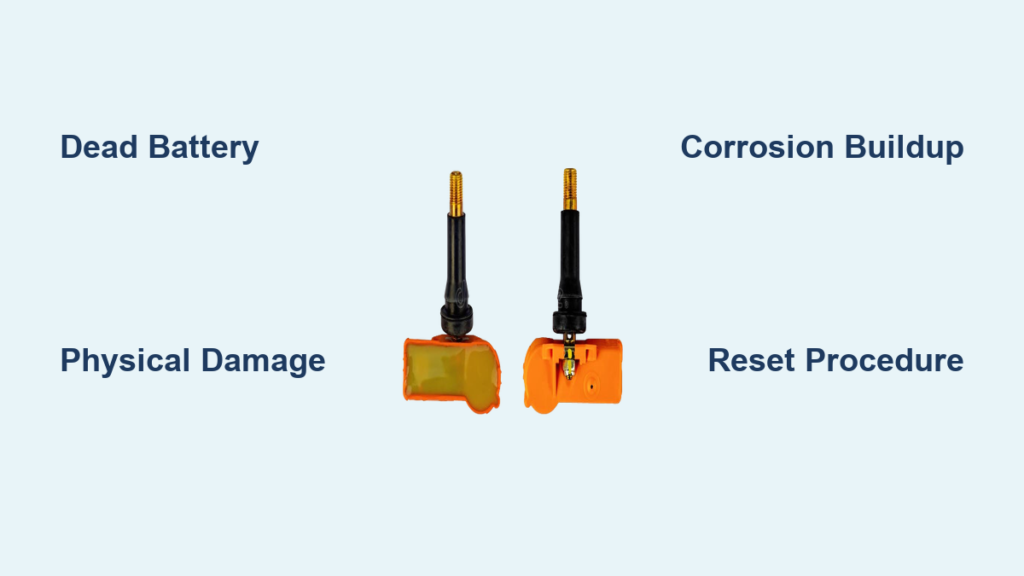
Your vehicle’s TPMS sensors endure extreme conditions while monitoring tire pressure, making them vulnerable to several common failure points. The most frequent culprit is dead sensor batteries, which typically last 5-10 years before failing completely. Unlike regular batteries, these sealed lithium units can’t be replaced—when they die, the entire sensor assembly must be swapped out. You’ll know this is the issue when one or more sensors stop transmitting data entirely, yet other dashboard systems function normally.
Physical impact damage occurs more often than drivers realize, especially after hitting potholes or curbs. The sensors mount directly on the valve stems inside each wheel, absorbing every road shock. A hard impact can crack the sensor housing, damage internal circuitry, or bend the mounting bracket enough to disrupt communication. Inspect your valve stems for visible dents, cracks, or misalignment—these often indicate sensor trauma requiring replacement.
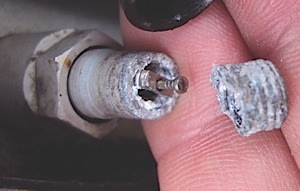
Corrosion buildup around the valve stem connection point creates electrical interference that prevents proper signal transmission. Road salt, moisture, and brake dust accumulate over time, especially in coastal or winter climates. When corrosion penetrates the sensor housing, it causes intermittent readings or complete signal loss. You’ll notice this problem worsening during wet weather or after driving on salted roads, with warnings appearing and disappearing unpredictably.
How Temperature Changes Trigger False Sensor Warnings
Seasonal temperature swings directly impact tire pressure readings and sensor performance. For every 10-degree Fahrenheit drop in temperature, tire pressure decreases by about 1 PSI. During cold snaps, this natural pressure loss often triggers TPMS warnings even when sensors function perfectly. The reverse happens in summer heat—pressure increases may cause inaccurate high-pressure readings. To avoid unnecessary panic, check tire pressures when tires are cold (before driving) and adjust to your vehicle manufacturer’s specifications found on the driver’s door jamb.
Decode Your Dashboard’s TPMS Warning Patterns
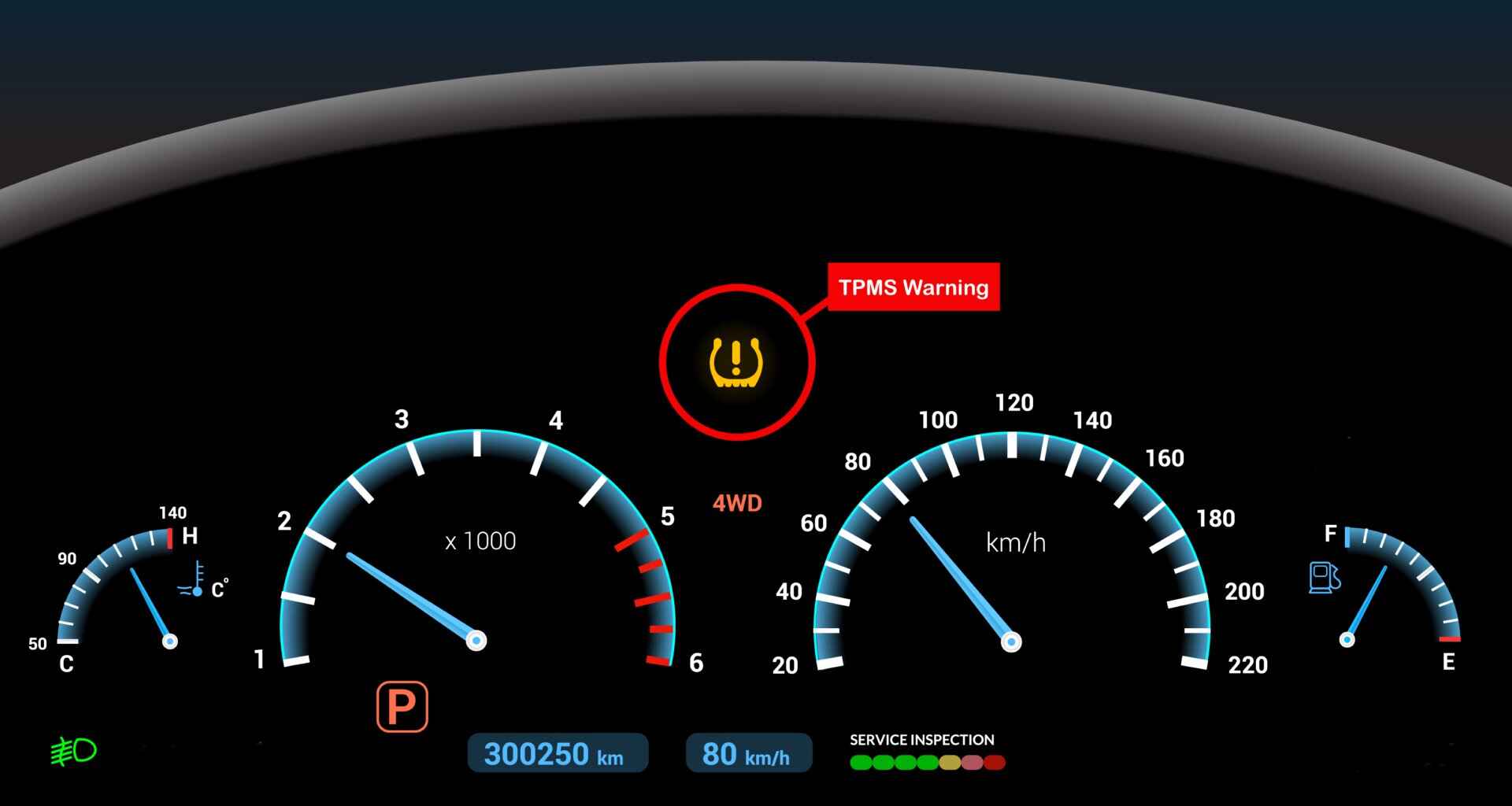
Your vehicle communicates specific issues through distinct TPMS warning light behaviors. A solid yellow TPMS light means one or more tires have dropped below the recommended pressure threshold—usually 25% below the manufacturer’s specification. This common issue typically requires nothing more than inflating your tires to the correct PSI and resetting the system. Check all four tires with a reliable gauge before assuming sensor failure.
Why Your TPMS Light Flashes Before Staying Solid
When your tire pressure warning light flashes for 60-90 seconds before settling into a steady glow, your vehicle is signaling a system malfunction rather than simple low pressure. This specific pattern indicates the car’s computer can’t properly communicate with one or more sensors. Unlike a solid light that might just need inflation, a flashing light requires diagnostic attention—it could mean a dead sensor, receiver problem, or electrical issue within the TPMS network.
Perform These 3 Critical Checks Before Replacing Sensors
Before spending money on new sensors, eliminate simpler causes through systematic troubleshooting. Verify actual tire pressures using your own reliable gauge—gas station gauges often give inaccurate readings. Inflate all tires to the manufacturer’s recommended PSI (typically 32-35 PSI for most passenger vehicles), then drive for 10 minutes at 20+ MPH to allow the system to recalibrate. If the warning disappears, you had a simple pressure issue, not a sensor failure.
Inspect valve stem condition by examining each wheel for visible damage. Look for cracked rubber, bent metal stems, or corrosion around the base where the stem meets the wheel. Missing valve caps allow moisture and debris to enter the valve core, eventually working their way into the sensor housing. Replace damaged valve stems immediately—they cost under $10 each and often resolve intermittent sensor issues without replacing the entire sensor assembly.
How Recent Tire Service Causes Sensor Problems
If your TPMS warning appeared immediately after tire rotation, repair, or replacement, the technician likely disturbed the sensors. Improper valve stem installation, over-tightening sensor bolts, or failing to reset the system after service triggers false warnings. Contact the shop that performed the work—they should relearn the sensor positions at no charge if the issue stems from their service. Many “failed sensors” are actually just misconfigured after routine tire maintenance.
Execute the Correct TPMS Reset for Your Vehicle
The proper reset procedure varies significantly by manufacturer, making generic instructions unreliable. For most domestic vehicles, locate the TPMS reset button (typically under the steering column or in the glove compartment), turn your ignition to “ON” without starting the engine, then press and hold the button until the TPMS light blinks three times. Drive for 20 minutes at speeds above 20 MPH to complete the relearn process.
Why Menu-Based Resets Fail on Some Vehicles
Newer vehicles with digital dashboards require navigating through multiple menu layers to access TPMS settings. If your reset attempt fails, you’ve likely missed a critical step in the sequence. Consult your owner’s manual for the exact procedure—some BMWs require holding the odometer button while turning the ignition, while certain Toyotas need you to press and release the reset button five times within 10 seconds. Precision matters: one mistimed press can abort the entire reset sequence.
Determine If You Need Professional Sensor Replacement
While DIY sensor replacement seems straightforward, the process requires specialized equipment most homeowners lack. Critical warning signs indicating professional service is needed include:
– Multiple sensors failing simultaneously
– Inconsistent pressure readings across different temperature conditions
– Complete loss of TPMS functionality after attempted resets
– Error codes indicating receiver or module failure
Cost Comparison: DIY vs. Professional Sensor Replacement
Replacing a single TPMS sensor yourself costs $25-$50 for the part plus valve stem components, but requires tire removal equipment and TPMS programming tools totaling $200+. Professional installation runs $50-$125 per sensor, including valve stems, seals, and system reprogramming. For most drivers, professional replacement provides better value when considering the specialized tools required and risk of damaging new sensors during improper installation.
Prevent Future TPMS Sensor Failures
Install metal valve stems instead of rubber ones during tire service—they resist deterioration from ozone exposure and provide better electrical grounding for sensors. Rubber stems crack over time, allowing moisture to seep into the sensor housing and cause premature failure. Metal stems cost slightly more but typically double sensor lifespan.
Why Tire Sealants Destroy TPMS Sensors
Using fix-a-flat or similar sealants introduces sticky compounds that coat sensor internals, clogging pressure ports and interfering with radio transmission. Even “TPMS-safe” sealants contain chemicals that degrade sensor components over time. When punctures occur, opt for proper tire repair instead of sealants to protect your $200+ sensor investment.
When to Ignore TPMS Warnings (Rare Exceptions)
Only disregard persistent TPMS warnings if you’ve verified all tires maintain proper pressure AND confirmed sensor functionality through a professional diagnostic scan. Temporary warnings during extreme temperature swings (below 20°F or above 100°F) may resolve themselves as temperatures stabilize, but consistent warnings always require investigation. Driving with unresolved TPMS issues risks tire damage that costs far more than sensor repairs.
A malfunctioning tire pressure sensor transforms routine drives into potential hazards by removing your early warning system for dangerous tire conditions. By understanding the specific failure patterns, executing precise reset procedures, and knowing when professional intervention becomes necessary, you maintain control over your vehicle’s safety systems. Remember that sensor batteries have finite lifespans regardless of maintenance, so budget for eventual replacement as part of normal vehicle upkeep. When warnings appear, methodically work through the diagnostic steps outlined here before authorizing expensive repairs—most TPMS issues resolve with simple pressure adjustments or system resets. Stay proactive with monthly pressure checks and valve stem inspections to maximize sensor longevity and keep your safety system functioning when you need it most.