That sickening thud when you hit a pothole or the scrape of your wheel against a curb doesn’t just damage your wheel’s appearance—it compromises your vehicle’s safety and performance. When your rims suffer cracks, bends, or cosmetic damage, professional tire rim repair offers a cost-effective alternative to expensive wheel replacement. Most drivers don’t realize that over 80% of damaged alloy wheels can be fully restored through specialized repair techniques, saving you hundreds or even thousands of dollars. Whether you’re dealing with cracked rims from impact damage, bent wheels affecting your vehicle’s handling, or unsightly curb rash diminishing your car’s appearance, understanding your repair options puts you in control of the solution.
Professional rim repair services have evolved significantly over the past two decades, with specialized techniques that restore both structural integrity and aesthetic appeal to damaged wheels. Unlike makeshift fixes that only mask problems, genuine tire rim repair addresses the root cause of damage while extending your wheels’ lifespan. This guide reveals exactly how professional repair services work, what to expect during the process, and how to choose a provider who delivers lasting results—whether you’re working with a local shop or using a convenient nationwide mail-in service.
Fixing Cracked Alloy Wheels with Precision Welding

Cracked rims represent one of the most serious wheel damage scenarios that requires immediate attention. When impact damage from potholes or curbs creates fractures in your alloy wheels, professional welding services restore structural integrity through specialized metal joining techniques. This isn’t a job for DIY fixes or general mechanics—qualified technicians understand the specific alloy composition of modern wheels and apply precise heat management to ensure the repaired wheel meets original manufacturer safety standards.
The welding process begins with a thorough assessment of the crack’s location, length, and depth to determine if repair is viable. Not all cracks can be safely welded, particularly those in critical stress areas that compromise fundamental wheel structure. Skilled technicians use specialized equipment designed specifically for automotive alloy wheel repair, applying controlled heat to join metal surfaces without weakening surrounding material. After welding, the repaired area undergoes inspection to verify structural integrity before returning to service, ensuring your safety isn’t compromised by substandard repairs.
Restoring Bent Wheels with Professional Straightening
Bent or warped rims create dangerous driving conditions that cause vibration, uneven tire wear, and compromised handling. Professional wheel straightening services address these deformations through precise mechanical correction that returns your wheel to factory specifications. This process requires specialized equipment that measures runout—how much your wheel deviates from perfect roundness—and applies controlled force to realign the structure without creating new stress points.
Before any straightening work begins, technicians use precision measurement tools to evaluate the extent and location of the bend. This assessment determines whether the damage falls within repairable parameters or if the wheel has sustained damage beyond safe recovery. The actual straightening process involves securing your wheel in specialized equipment that allows technicians to apply precise pressure at specific points. Through careful adjustment and repeated measurement, the wheel gradually returns to its correct geometry. Rushing this process or applying excessive force can cause additional damage, so experienced technicians work methodically to achieve perfect results.
Eliminating Curb Rash with Precision CNC Machining
Curb rash damage creates unsightly scratches and dents along your wheel’s outer edge, but professional CNC machining services can restore that pristine finish. Computer Numerical Control machining represents the cutting edge of wheel repair technology, enabling precise material removal that manual techniques cannot match. This advanced process addresses cosmetic damage while preserving structural integrity, making it ideal for alloy wheels that require careful material management.
CNC machining works by following programmed instructions that guide cutting tools with extreme accuracy across your wheel’s surface. Technicians program the equipment with exact specifications based on your wheel’s original dimensions, ensuring repairs restore rather than alter fundamental characteristics. For wheels with damaged lip edges or mounting flanges, CNC machining provides the most reliable restoration method. The precision of computer-controlled operations ensures consistent, repeatable results that create smooth, uniform finishes ready for refinishing.
Restoring Showroom Shine with Professional Polishing
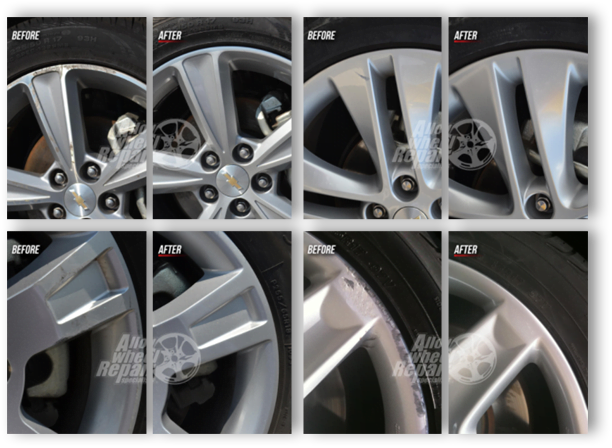
Oxidation, scratching, and discoloration accumulate through regular driving, diminishing your wheels’ appearance and long-term durability. Professional surface restoration and refinishing services address these cosmetic issues while protecting against future environmental damage. The process begins with thorough cleaning and inspection to identify all areas requiring attention, followed by progressive sanding to remove damaged material.
Surface restoration typically involves multiple polishing stages using progressively finer compounds that restore smooth, reflective surfaces. For severely damaged wheels, additional steps such as filling, priming, and painting may be necessary before the final clear coat application. Refinishing options extend beyond simple polishing to include powder coating, custom paint matching, and specialized protective coatings that shield against road salt, brake dust, and UV exposure. Professional applicators match colors precisely and apply coatings evenly, ensuring results that complement your vehicle’s overall appearance while providing long-lasting protection.
Ensuring Safe Operation with Proper Mounting and Balancing
Professional rim repair isn’t complete without proper tire mounting and balancing services that ensure safe vehicle operation. Mounting involves secure tire attachment to your repaired wheels using appropriate equipment and techniques that protect both tire and wheel from damage during installation. This critical step requires proper tools and experience to avoid scratching wheels or damaging tire beads.
Balancing addresses weight distribution issues that cause vibration, uneven tire wear, and premature suspension component wear. During balancing, technicians identify weight discrepancies around the wheel’s circumference and apply corrective weights to ensure smooth rotation. Modern balancing equipment detects even subtle imbalances, allowing precise weight placement for optimal results. Many full-service rim repair facilities perform mounting and balancing in-house, streamlining your experience and ensuring all work meets consistent quality standards. When your wheels leave the shop properly mounted and balanced, you can drive with confidence in your vehicle’s handling and safety.
Maintaining TPMS Functionality After Rim Repair
Modern vehicles rely on tire pressure monitoring systems (TPMS) for critical safety functions, and professional rim repair services include sensor programming to maintain proper operation. These electronic components require attention during wheel service operations because removal, repair, and reinstallation can affect their functionality. Professional shops maintain equipment and expertise to ensure sensors work correctly after wheel repair work.
Tire pressure monitoring sensors mount inside the wheel assembly, typically attached to the valve stem or mounted directly in the tire. When wheels undergo repair, technicians must remove and reinstall these sensors carefully, ensuring proper connection and function. Some situations require sensor programming to communicate with your vehicle’s computer system, particularly when replacing sensors or after certain repair procedures. Neglecting sensor maintenance during rim repair can trigger warning lights, compromise safety system function, and result in failed emissions inspections. Reputable rim repair providers include these services as part of comprehensive wheel care, verifying that pressure monitoring systems function correctly before returning wheels to customers.
Using Nationwide Mail-In Rim Repair Services
The convenience of mail-in rim repair has expanded access to professional services regardless of your location. This model eliminates geographic limitations, allowing vehicle owners anywhere to benefit from specialized wheel repair expertise. The process begins by requesting a quote online with details about your wheel’s condition and damage. Include clear photographs that help technicians assess repair requirements accurately.
Once you accept the quote, you take your vehicle to a local tire shop for wheel removal—a step that reputable mail-in services coordinate through established relationships with tire shops across the country. After tire removal, you package and ship wheels using prepaid return shipping labels included in the service arrangement. The repair facility performs necessary work and returns restored wheels through prepaid shipping services, delivering ready-to-mount wheels directly to your door. Over two decades of industry experience has refined this process to protect wheels during transit while ensuring timely delivery and quality results.
Selecting the Right Rim Repair Provider
Choosing the right repair provider significantly impacts your results and overall experience. Experience matters significantly in wheel repair—providers with extensive industry experience have encountered diverse damage scenarios and developed techniques for addressing various repair challenges. Look for businesses with at least 15-20 years of operation, as longevity often indicates consistent service quality and customer satisfaction.
Consider the range of services offered when evaluating providers. Comprehensive repair capabilities—including welding, straightening, machining, and refinishing—indicate full-service operations that can address multiple issues without referring you elsewhere. Family-owned businesses frequently offer personalized attention and direct involvement in quality oversight, translating to higher accountability. Evaluate communication practices, turnaround times, and warranty offerings—reputable providers stand behind their work with written guarantees. The convenience of nationwide service models makes expert repair accessible regardless of your location, ensuring you can find quality care for your wheels wherever you drive.
Professional tire rim repair delivers significant value by restoring damaged wheels to like-new condition at a fraction of replacement costs. Whether you’re dealing with cracked alloy wheels, bent rims from pothole damage, or cosmetic curb rash, specialized repair services address these problems with expertise and precision. Understanding available services, the repair process, and selection criteria helps you make informed decisions about restoring your wheels and protecting your vehicle investment. By choosing a qualified provider with proven experience in tire rim repair, you ensure your wheels maintain structural integrity, aesthetic appeal, and safe operation for years to come.