That persistent orange tire symbol glowing on your dashboard isn’t just a minor annoyance—it’s your vehicle’s urgent warning that something’s wrong with your tires. When the tire monitor system light stays illuminated, it means your Tire Pressure Monitoring System (TPMS) has detected an issue that could compromise your safety, fuel efficiency, and tire longevity. Ignoring this warning risks dangerous blowouts, uneven tire wear, and potentially expensive repairs down the road. In this guide, you’ll discover exactly why your tire monitor system light remains active, how to properly diagnose the underlying cause, and most importantly—practical steps to resolve the problem yourself before heading to the mechanic.
Immediate Actions When Your Tire Monitor System Light Activates
Don’t panic when you see that tire symbol light up, but do take action immediately. Your first step should always be finding a safe place to pull over and check all four tires, including the spare if your vehicle has a full-size spare with a sensor. Low tire pressure is the most common trigger for the tire monitor system light, often caused by slow leaks, temperature changes, or punctures. Use a reliable tire pressure gauge to measure each tire’s PSI against the manufacturer’s recommended level—typically found on a sticker inside the driver’s door jamb, not on the tire sidewall. If you find one or more tires significantly underinflated, add air to reach the proper pressure specification. Most vehicles require between 30-35 PSI when cold, but always follow your specific vehicle’s recommendation.
How Temperature Changes Trigger False Tire Monitor System Light Alarms
Many drivers are surprised to learn that dramatic temperature swings can activate their tire monitor system light without any actual tire damage. For every 10-degree Fahrenheit drop in ambient temperature, tire pressure decreases by about 1 PSI. This explains why the tire monitor system light frequently appears during seasonal transitions, especially in the early morning hours when temperatures are lowest. If your light comes on during cold weather but disappears after driving several miles as tires warm up, temperature is likely the culprit. However, don’t assume it’s just temperature—always verify actual pressure levels with a gauge before dismissing the warning.
When to Seek Professional Help Immediately
While many tire monitor system light issues can be resolved with basic maintenance, certain situations demand professional attention. If you’ve properly inflated all tires to specification yet the tire monitor system light remains illuminated, or if the light flashes for more than 90 seconds before staying constantly lit (indicating a system malfunction), it’s time to visit a service center. Similarly, if you discover a puncture that requires more than a temporary sealant repair, or notice visible sidewall damage, continuing to drive could be dangerous. A flashing tire monitor system light specifically indicates the TPMS system itself has failed and won’t provide accurate pressure readings—never ignore this critical warning.
Diagnosing Persistent Tire Monitor System Light Problems
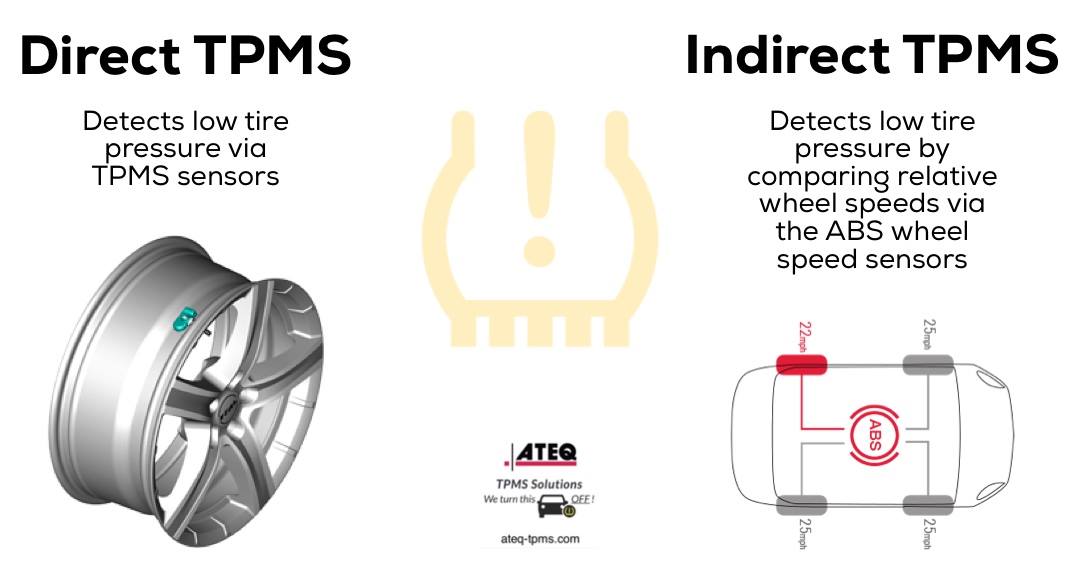
When proper inflation doesn’t resolve your tire monitor system light issue, you’re likely dealing with more complex problems within the TPMS itself. Modern vehicles use either direct TPMS (individual pressure sensors inside each wheel) or indirect TPMS (using wheel speed sensors to detect pressure differences). Direct systems account for most persistent warning light issues, often related to sensor battery failure, physical damage to sensors during tire service, or signal interference. These sophisticated systems require specific diagnostic approaches beyond simple pressure checks.
Step-by-Step TPMS Sensor Testing Procedure
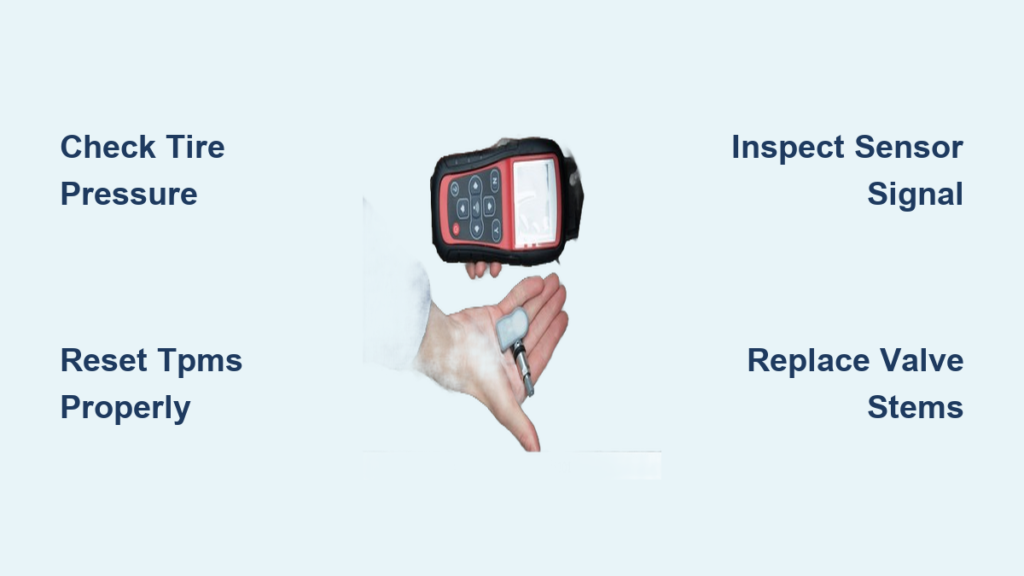
To determine if faulty sensors are causing your tire monitor system light to stay on, perform this simple test: After ensuring all tires are properly inflated, drive at 50+ mph for 10 minutes to allow the system to recalibrate. Then park and use an OBD2 scanner with TPMS functionality to read sensor data—many auto parts stores offer this service for free. If the scanner shows “no signal” from one or more wheels, you’ve identified a sensor problem. Without specialized equipment, you can also rotate tires front-to-back and observe if the warning shifts to correspond with the new wheel position, indicating a specific sensor issue rather than a general system failure.
Common TPMS Reset Mistakes That Keep the Light On
Most drivers attempt to reset their tire monitor system light using the vehicle’s reset procedure but make critical errors that prevent successful recalibration. The most frequent mistake is resetting before tires reach proper operating temperature—TPMS systems require tires to be “cold” (driven less than one mile) for accurate reset. Another common error involves holding the reset button too long or not long enough; most vehicles require 3-10 seconds of continuous button press. Crucially, many drivers reset the system without first verifying all tires meet the exact pressure specifications listed for their vehicle. Always consult your owner’s manual for the precise reset procedure for your specific make and model—generic instructions often fail.
Preventing Future Tire Monitor System Light Issues
Proactive maintenance prevents most recurring tire monitor system light problems. Establish a monthly tire pressure check routine using a high-quality digital gauge—don’t rely solely on gas station air pumps which often provide inaccurate readings. During seasonal changes, check pressures more frequently as temperature fluctuations significantly impact inflation levels. When getting new tires installed, insist that technicians use proper TPMS service kits including new valve cores, seals, and caps to prevent slow leaks at the sensor housing. Consider keeping a portable air compressor in your vehicle for emergency inflation between service stops.
The Critical Role of Valve Stem Maintenance
Overlooked valve stems cause more persistent tire monitor system light problems than most drivers realize. The rubber components in standard valve stems degrade over time, becoming brittle and developing micro-leaks that slowly bleed air. Most manufacturers recommend replacing valve stems every time tires are removed—a service many budget tire shops skip to save time. Inspect your valve stems regularly for cracks, bending, or discoloration. Upgrade to metal valve stems for improved durability, especially if you frequently drive on rough roads or in extreme temperatures. Always use the proper torque (typically 5-7 ft-lbs) when tightening valve caps, as overtightening damages the sealing surface.
When Sensor Replacement Becomes Necessary

TPMS sensors contain non-replaceable batteries designed to last 5-10 years, meaning eventual replacement is inevitable. If diagnostic testing confirms sensor failure and your vehicle’s sensors have exceeded 7 years of service, replacement is the only solution. Modern TPMS sensors cost $50-$250 each depending on vehicle make and model, plus programming fees. Before investing in new sensors, verify that your vehicle’s receiver module is functioning properly—some “sensor failures” actually stem from communication issues between sensors and the vehicle’s computer system. Many newer vehicles require specialized programming tools to register new sensors, making professional installation necessary despite the added cost.
Cost-Effective Solutions for Tire Monitor System Light Problems

Addressing tire monitor system light issues doesn’t always require expensive repairs. For minor pressure discrepancies, a $20 digital tire gauge and regular monitoring solves most problems. Temporary sealants can address small punctures when professional help isn’t immediately available, though they’re not permanent solutions. Some vehicles allow TPMS disablement through the infotainment system for temporary use with winter tires or spares, though this isn’t recommended for regular driving. For older vehicles with failing sensors, consider aftermarket universal sensors that cost significantly less than OEM parts while maintaining functionality. Always weigh the cost of repairs against your vehicle’s value—on older models, living with the illuminated light (while manually checking pressures) may be more economical than sensor replacement.
Final Note: Properly addressing your tire monitor system light isn’t just about silencing a dashboard warning—it’s a critical safety measure that prevents dangerous tire failures and extends tire life. By understanding common causes, performing regular pressure checks, and knowing when professional intervention is necessary, you maintain control over your vehicle’s safety systems. Establish a simple monthly maintenance routine that includes tire pressure verification and visual inspection of valve stems to prevent most TPMS-related issues before they trigger that warning light. Remember that while modern vehicles provide these helpful alerts, no electronic system replaces regular manual checks—your vigilance remains the most important component of safe tire maintenance.