
You’ve probably stood in front of your vehicle, staring at those mysterious numbers and letters on your tire sidewall, wondering what they actually mean. If you’ve searched for a “tire dimension converter” only to find confusing results or tools that don’t explain the fundamentals, you’re not alone. Understanding tire sizing notation is the essential first step before any meaningful dimension conversion can take place. Without grasping what those seemingly random characters represent, attempting to convert between different tire sizing systems is like trying to solve a math problem without knowing basic arithmetic. This guide cuts through the confusion by explaining exactly how tire size markings work across different measurement systems—giving you the knowledge foundation you need before using any tire dimension converter tool.
Most drivers don’t realize that tire size notation contains critical information about safety, performance, and compatibility. When you change tire sizes without understanding these markings, you risk improper speedometer readings, compromised handling, and even potential safety hazards. The good news is that once you understand the basic structure of tire size notation, the process of converting between dimensions becomes significantly clearer. In this guide, you’ll learn to decipher common tire size formats, understand what each component means in practical terms, and recognize when you might need professional assistance with tire dimension conversion.
Decoding the Standard Tire Size Format
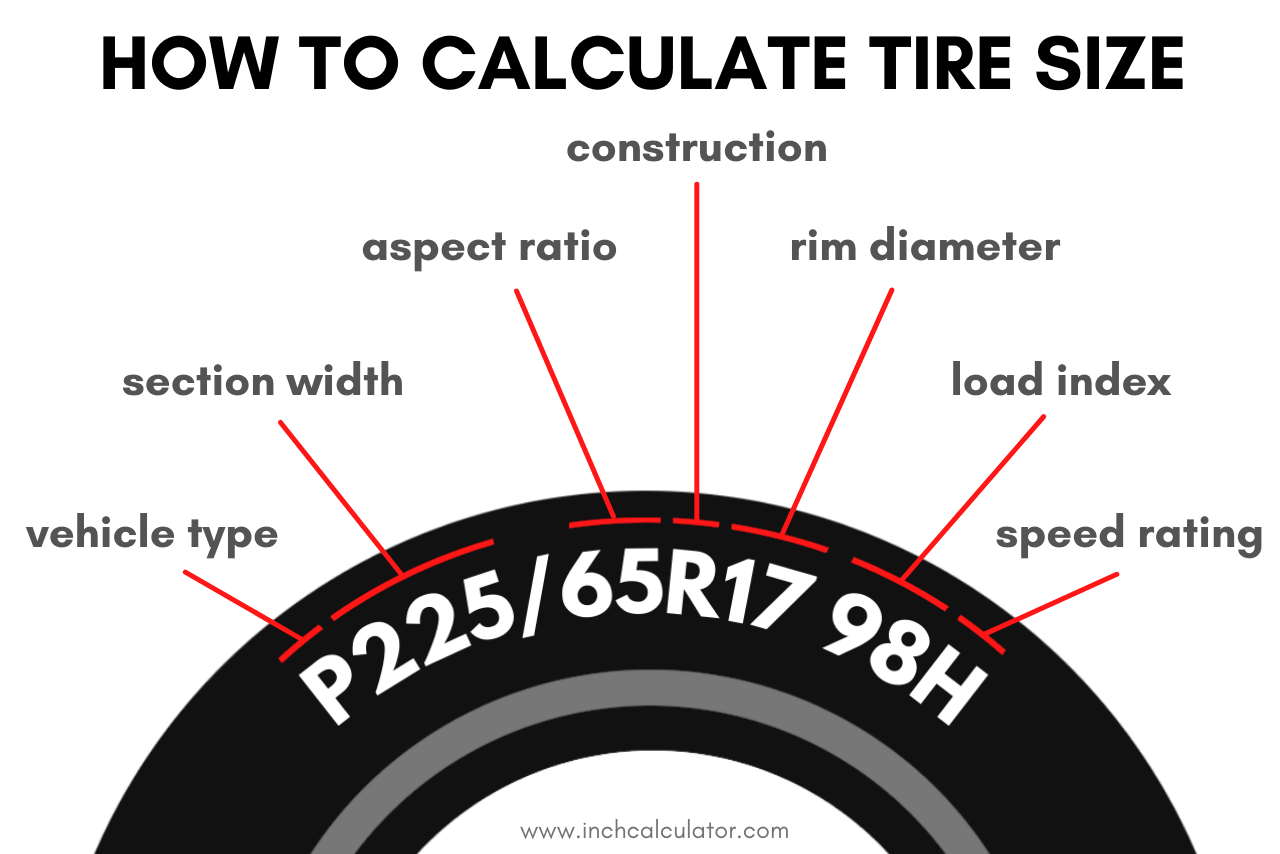
Breaking Down P215/65R15: What Each Number and Letter Means
When you see a tire size like P215/65R15 on your vehicle, each element provides specific dimensional information. The “P” at the beginning indicates this is a passenger car tire (as opposed to LT for light truck). The 215 represents the tire’s section width in millimeters—the measurement from sidewall to sidewall when properly mounted and inflated. The 65 is the aspect ratio, which expresses the sidewall height as a percentage of the section width. In this example, the sidewall height equals 65% of 215mm. The “R” signifies radial construction, the standard for most modern tires, while the 15 indicates the diameter of the wheel rim in inches that this tire is designed to fit.
Pro Tip: When comparing tires, never assume two different size designations are equivalent without proper conversion. A seemingly minor difference in aspect ratio can significantly affect your vehicle’s performance and safety metrics.
How Euro-Metric and P-Metric Sizes Differ (And Why It Matters)
European manufacturers often use Euro-metric sizing (like 215/65R15 without the “P” prefix), which follows similar principles but has subtle differences in load capacity standards compared to P-metric tires. While the numerical portion appears identical, Euro-metric tires may have different maximum load ratings at the same inflation pressure. This distinction becomes critical when converting dimensions for replacement tires, as using a tire with insufficient load capacity for your vehicle can create dangerous situations. Always verify load index ratings when converting between sizing systems, as this information isn’t immediately apparent from the size notation alone.
The Mathematical Principles Behind Tire Dimension Conversion
Calculating Overall Tire Diameter: The Foundation of All Conversions
Understanding how to calculate a tire’s overall diameter is essential for any meaningful dimension conversion. The formula follows a straightforward mathematical process: multiply the section width by the aspect ratio (as a decimal) to get the sidewall height in millimeters, double this value (accounting for both top and bottom sidewalls), convert this measurement to inches, then add the rim diameter. For our P215/65R15 example: 215 × 0.65 = 139.75mm (sidewall height), doubled equals 279.5mm, which converts to approximately 11 inches, added to the 15-inch rim gives a total overall diameter of about 26 inches. This calculation forms the basis for all tire dimension converters, as maintaining similar overall diameters is crucial when changing tire sizes.
Critical Warning: Even a 3% difference in overall tire diameter can cause speedometer inaccuracies exceeding 5 mph at highway speeds. Always verify calculated diameter differences stay within manufacturer recommendations (typically no more than 3% variance).
Why Section Width and Tread Width Aren’t the Same Measurement
Many drivers mistakenly assume the section width (the first number in tire sizing) equals the tread width, but these measurements differ significantly. Section width measures the tire’s total width from outer sidewall to inner sidewall when mounted on its specified rim width, while tread width refers only to the contact patch that touches the road. This distinction becomes important during dimension conversion because two tires with identical section widths may have different tread patterns and contact areas, affecting handling characteristics. When using a tire dimension converter, remember that equivalent section widths don’t guarantee identical road performance.
Practical Applications of Tire Dimension Conversion
Determining Speedometer Accuracy After Tire Size Changes
Changing tire dimensions directly impacts your vehicle’s speedometer reading because the rotational circumference changes. The formula for calculating speedometer error is: (New Tire Diameter ÷ Original Tire Diameter – 1) × 100. A positive result means your speedometer reads slower than actual speed; negative means it reads faster. For example, installing tires with a 5% larger diameter would cause your speedometer to show 60 mph when you’re actually traveling at approximately 63 mph. This calculation is why precise tire dimension conversion matters for both legal compliance and safety—driving with significant speedometer error could lead to unintentional speeding.
Time-Saving Shortcut: Many online tire dimension converters automatically calculate speedometer error percentages, but understanding the underlying math helps you verify these tools’ accuracy.
Calculating Revolutions Per Mile and Their Performance Impact
The number of times your tire rotates per mile directly affects multiple vehicle systems beyond just the speedometer. To calculate revolutions per mile, divide 63,360 (the number of inches in a mile) by your tire’s circumference in inches. Using our P215/65R15 example with approximately 81.68 inches of circumference (π × 26 inches diameter), the tire would complete about 776 revolutions per mile. When converting tire dimensions, maintaining similar revolutions per mile is critical for proper transmission operation, fuel economy calculations, and traction control system functionality. Significant deviations can cause premature drivetrain wear and inaccurate fuel economy readings.
When to Seek Professional Assistance with Tire Conversion
Recognizing Critical Clearance Issues During Size Conversion

Even with perfect mathematical conversion, physical clearance issues can make certain tire size changes impossible. Modern vehicles have limited space in wheel wells, and increasing tire diameter or width beyond design specifications can cause rubbing against suspension components, fenders, or the vehicle frame. Before finalizing any tire dimension conversion, physically check for clearance at full wheel lock, full compression, and full extension. A seemingly minor 5mm increase in section width can cause significant rubbing issues depending on your vehicle’s specific suspension geometry and fender design.
Expert Note: Always perform a “real-world” clearance test by driving over bumps and turning the wheels fully left and right after installing new tire sizes, as static measurements don’t account for dynamic suspension movement.
Understanding Load Index and Speed Rating Implications
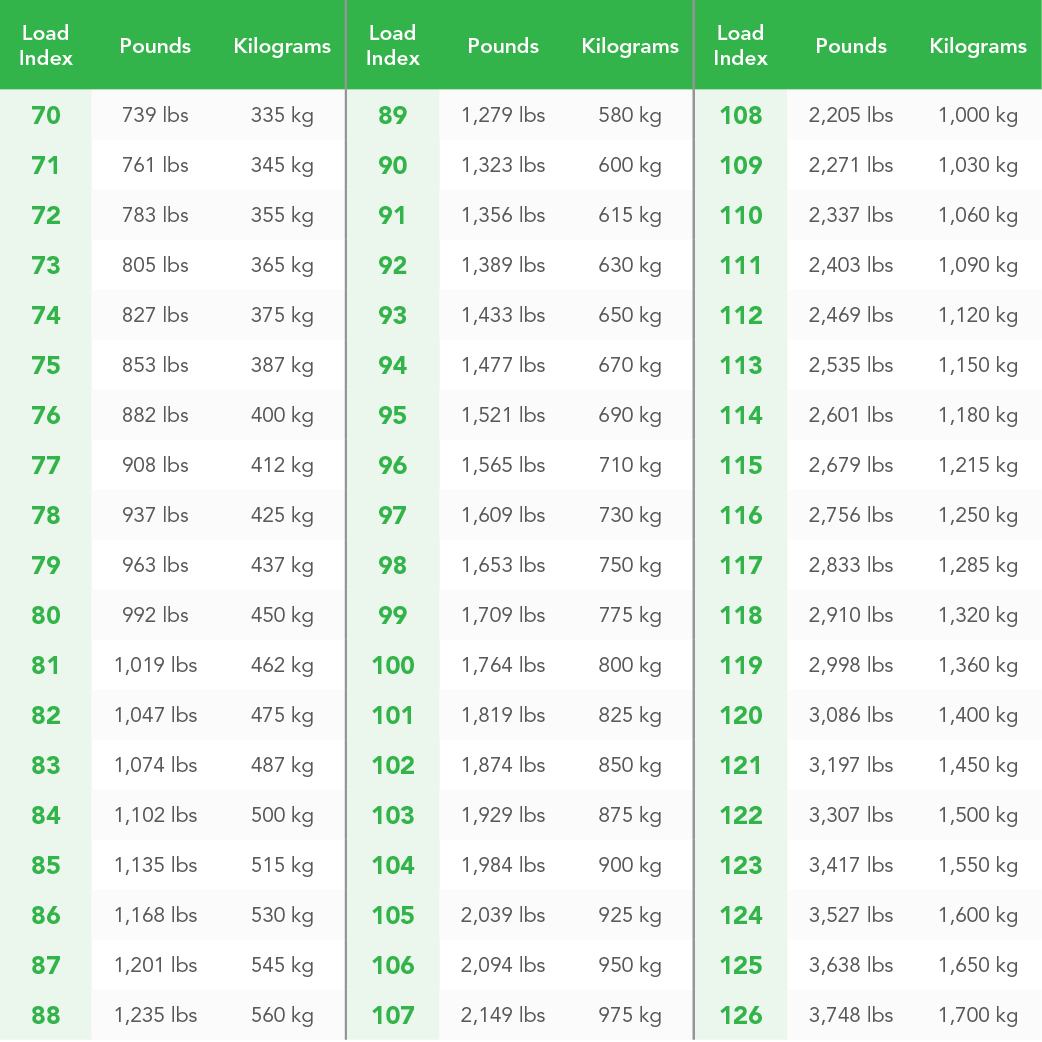
Tire dimension conversion isn’t just about physical measurements—load capacity and speed ratings must also match or exceed your vehicle manufacturer’s specifications. Each tire size corresponds to specific load index numbers that indicate maximum weight capacity per tire. Converting to a different size without verifying equivalent or greater load capacity could compromise your vehicle’s safety, especially when carrying passengers or cargo. Similarly, speed ratings (indicated by letters like T, H, V) must meet or exceed your vehicle’s requirements, as lower-rated tires may fail at speeds your vehicle is capable of reaching.
Maintaining Safety Through Proper Tire Dimension Conversion
The 3% Rule for Safe Tire Size Changes
Industry professionals universally recommend keeping overall tire diameter changes within 3% of the original equipment size. This threshold minimizes speedometer error, maintains proper traction control and stability system functionality, and prevents undue stress on drivetrain components. When using a tire dimension converter, always verify that the calculated difference falls within this safety margin. Exceeding this limit might require electronic recalibration of your vehicle’s systems, which often necessitates specialized dealership equipment.
Pro Tip: When in doubt between two potential replacement sizes, choose the option with the smaller overall diameter rather than larger—this produces a more conservative speedometer reading (showing slightly faster than actual speed) which helps avoid unintentional speeding.
Creating Your Personal Tire Dimension Reference Chart
For future reference, create a simple chart documenting your vehicle’s original tire specifications alongside any approved alternative sizes you’ve verified through proper conversion. Include columns for section width, aspect ratio, rim diameter, overall diameter, and percentage difference from stock. This personalized reference eliminates guesswork during future tire purchases and provides quick verification that any proposed size change stays within safe parameters. Keep this chart in your glove compartment or phone for easy access when shopping for replacement tires.
By understanding these fundamental principles of tire dimension notation and conversion, you’re now equipped to use any tire dimension converter tool with greater confidence and accuracy. Remember that while digital converters provide valuable calculations, they can’t replace your responsibility to verify physical clearance, load capacity requirements, and overall safety considerations. The next time you face a tire size decision, you’ll approach it with the knowledge to make informed choices that maintain your vehicle’s safety, performance, and accuracy.