You’re driving down the highway when your car suddenly starts pulling to one side. That unmistakable thumping sound confirms your worst fear – you’ve got a flat tire. What happens next determines whether you’re back on the road in minutes or stranded for hours. Roadside tire repair services exist specifically for these stressful moments, providing professional assistance exactly where you’re stranded. Understanding what these services can and cannot do – and how to access them quickly – transforms a potential nightmare into a manageable inconvenience.
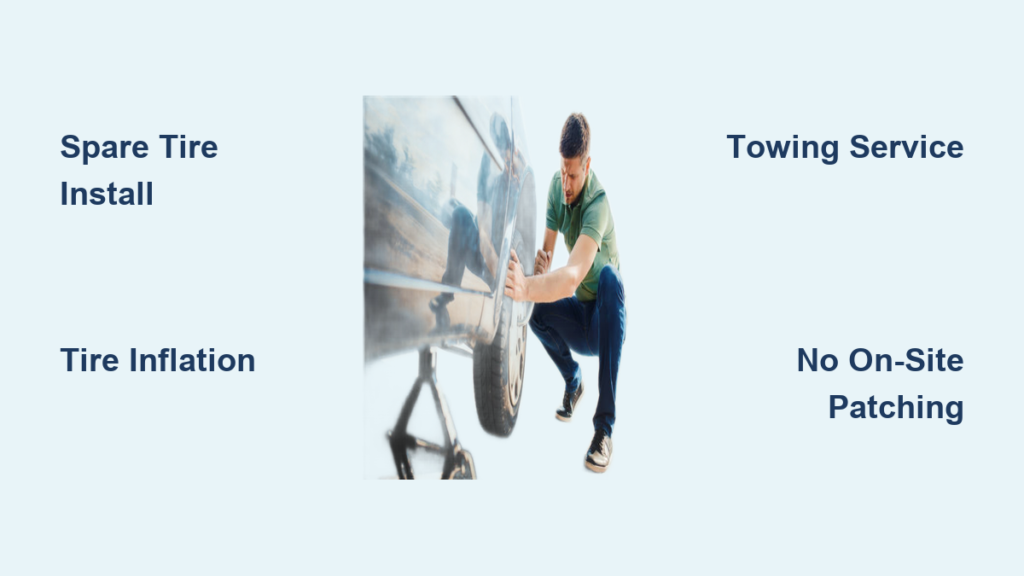
Most drivers don’t realize that standard roadside tire repair rarely involves actual tire patching at the scene. Instead, professional technicians assess your situation and implement one of three solutions: installing your spare tire, reinflating your deflated tire, or arranging immediate towing. The right choice depends on your specific tire damage, vehicle type, and membership coverage. Knowing exactly what to expect prevents dangerous DIY attempts and reduces roadside anxiety significantly.
This guide breaks down exactly how roadside tire repair works in real-world scenarios, which AAA membership tier actually covers your needs, and the critical steps to take the moment your tire fails – so you’re never left stranded wondering what comes next.
What Roadside Tire Repair Actually Covers (Not What You Think)
Roadside tire repair services provide immediate solutions for tire emergencies but operate within specific limitations most drivers don’t anticipate. When you call for assistance after a flat tire, technicians will evaluate three potential solutions based on your vehicle’s condition and your membership coverage.
Spare tire installation gets you moving fastest when possible. If your spare tire is properly inflated and undamaged, technicians complete this service in 15-20 minutes at your location. This solution works best for punctures from nails or screws that haven’t caused structural damage to the tire sidewall. Never attempt spare tire installation yourself – professionals have the proper equipment to safely jack your vehicle and secure lug nuts to manufacturer specifications.
Tire inflation solves pressure loss without physical damage. Many drivers call for roadside tire repair when temperature changes cause gradual pressure loss, not actual damage. Technicians carry portable air compressors to reinflate tires to proper PSI levels, often resolving the issue without requiring spare tire installation or towing. If inflation fails, this indicates an actual leak requiring professional repair.
Towing activates when roadside solutions aren’t feasible. When your spare tire is missing, flat, or damaged, or when tire damage is too severe for temporary fixes, towing becomes necessary. The distance covered depends entirely on your membership tier – from 5 miles with basic plans to 200 miles with premium coverage. Technicians determine whether your vehicle can be safely towed based on the affected tire’s position and remaining tread.
AAA Roadside Tire Repair: Which Membership Tier You Actually Need

AAA’s roadside tire repair coverage varies significantly across membership tiers, creating confusion for many members during emergencies. Understanding exactly what each plan covers prevents unpleasant surprises when you’re stranded with a flat tire.
AAA Classic provides minimal coverage for urban drivers. This entry-level plan covers only 5 miles of towing to the nearest AAA-approved repair facility – sufficient in cities with numerous repair shops but dangerously limited for highway breakdowns or rural travel. The plan includes spare tire installation and inflation services but restricts towing distance to the absolute minimum.
AAA Plus delivers essential long-distance protection. With 100 miles of free towing to your preferred repair facility, this tier works for most drivers who travel beyond their immediate neighborhood. The Plus RV option extends identical coverage to recreational vehicles. This is the sweet spot for drivers who take regular road trips or want flexibility in choosing repair facilities regardless of breakdown location.
AAA Premier solves extreme-distance emergencies. This premium tier includes one 200-mile tow per membership year plus three additional 100-mile tows – ideal for cross-country travelers or those who want their vehicle transported to a specific trusted repair shop regardless of distance. Critical limitation: The 200-mile tow is limited to one use per household annually, making it a strategic resource for major emergencies only.
Critical Roadside Tire Repair Questions Answered
Why Technicians Won’t Patch Your Tire On-Site
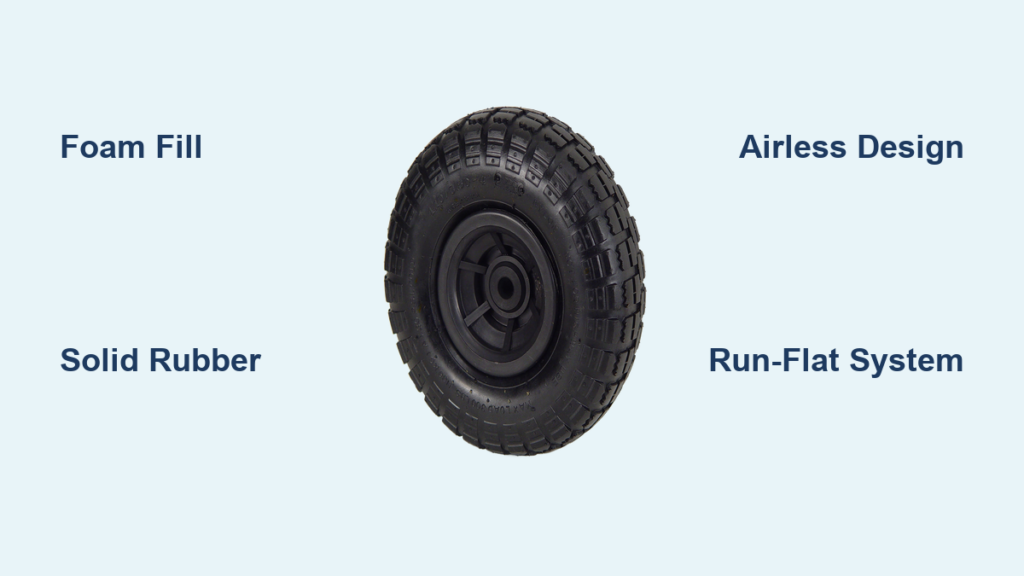
Most drivers expect roadside tire repair to include plugging or patching the damaged tire, but standard roadside services never perform on-site tire repairs. Technicians lack the specialized tools required to properly inspect the tire’s interior for hidden damage, clean the puncture area, and apply a permanent repair meeting safety standards. Modern low-profile and run-flat tires require even more specialized equipment unavailable in standard service vehicles. Instead, technicians will tow your vehicle to a repair facility where professionals can complete a safe, permanent fix.
When Air Inflation Actually Solves Your Problem
Roadside tire repair technicians carry portable air compressors to address pressure loss from non-damage causes. Temperature changes alone can reduce tire pressure 1-2 PSI per 10°F drop, creating “flat tire” symptoms without actual damage. Technicians will reinflate your tire when:
– Pressure loss stems from seasonal temperature fluctuations
– The tire shows no visible punctures or damage
– The vehicle hasn’t been driven on the deflated tire
If reinflation fails or pressure drops again immediately, this indicates an actual leak requiring professional repair – and the technician will proceed to spare tire installation or towing.
Why New Tires Aren’t Part of Standard Roadside Service
No roadside tire repair provider carries replacement tires on service vehicles. When your tire requires replacement due to damage, age, or wear, technicians arrange towing to a facility where professionals can select the correct replacement matching your vehicle’s specifications for size, load rating, and speed rating. Some premium services offer mobile tire replacement as an add-on, but these require separate enrollment and often involve additional fees beyond standard membership. For most drivers, towing to a repair facility remains the only practical solution for tire replacement emergencies.
How to Request Roadside Tire Repair in Under 60 Seconds
Mobile App: The Fastest Way to Get Help
The AAA mobile app provides the quickest roadside tire repair request method by automatically transmitting your exact GPS coordinates to dispatch. Single-tap emergency requests eliminate the need to describe your location while stressed, reducing average response times by 15-20 minutes compared to phone requests. The app also delivers real-time technician tracking and arrival estimates, allowing you to plan your next steps while waiting safely inside your vehicle.
Phone Request: What to Say for Fastest Response
When calling for roadside tire repair assistance, have these four details ready to accelerate help:
1. Your membership number (found on your card or app)
2. Precise location (highway name, direction, nearest exit/mile marker)
3. Tire condition (flat, damaged, or simply low pressure)
4. Safety concerns (shoulder width, traffic speed, weather conditions)
Providing this information upfront ensures technicians arrive properly equipped and prepared for your specific situation.
Where Roadside Tire Repair Won’t Help You (And What to Do Instead)
Remote Locations Require Alternative Planning
Roadside tire repair coverage significantly diminishes in rural areas where technician response times exceed one hour. If you frequently travel through remote regions:
– Maintain your spare tire at proper inflation levels (check monthly)
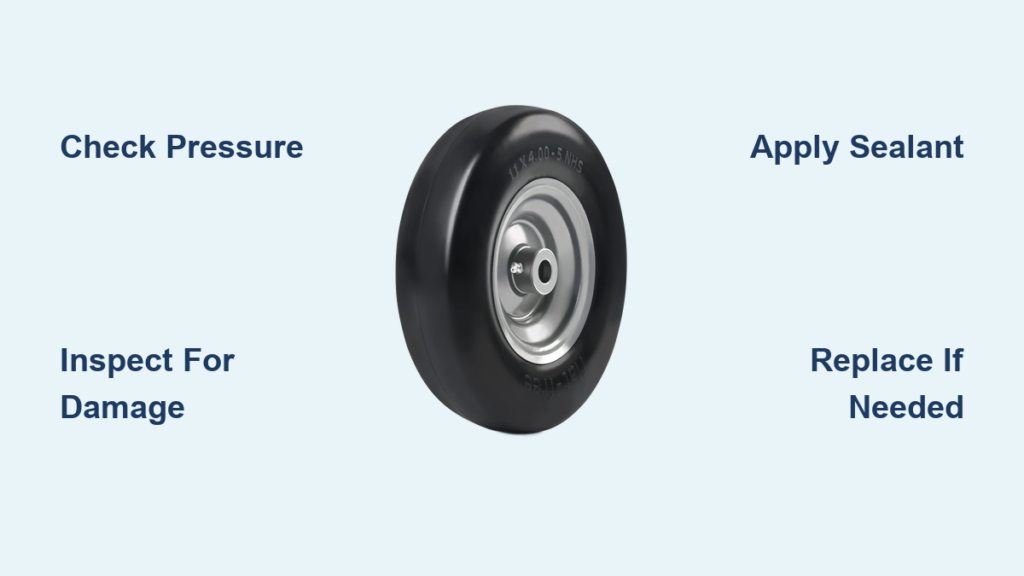
– Carry a portable tire inflator with sealant for temporary fixes
– Know the locations of repair facilities along your regular routes
– Consider satellite communication devices for areas with poor cell service
Severe Weather Changes Service Availability
Extreme conditions dramatically impact roadside tire repair effectiveness. During heavy rain, snow, or high winds:
– Technicians may delay response until conditions improve
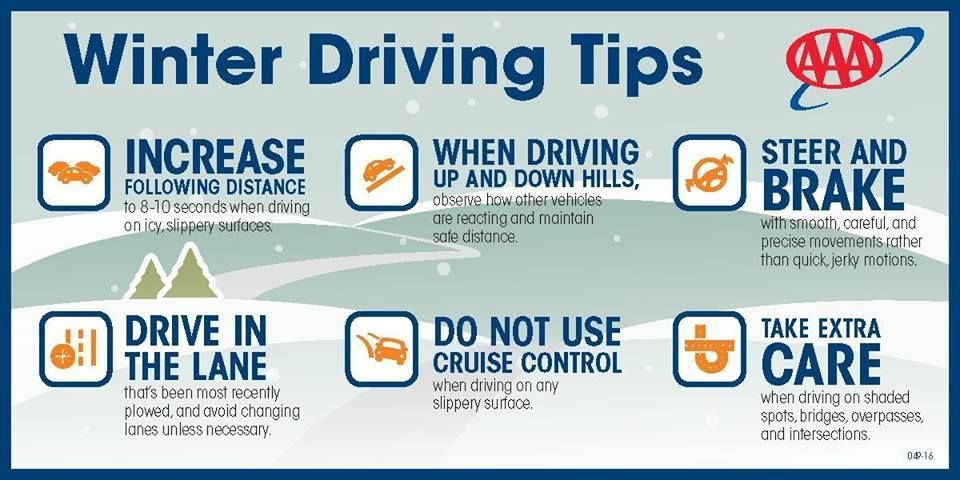
– Spare tire installation becomes unsafe on slippery surfaces
– Towing may be your only viable option regardless of tire condition
– Always stay inside your vehicle with seatbelt fastened while waiting
5 Proven Ways to Maximize Your Roadside Tire Repair Benefits
- Check your spare tire monthly – 40% of roadside calls requiring towing happen because the spare is flat or damaged
- Know your vehicle’s tire specifications – including proper PSI levels and size requirements
- Upgrade membership before road trips – don’t wait until you’re stranded to discover coverage limitations
- Position your vehicle safely – pull completely off the roadway onto level ground before calling
- Keep emergency supplies accessible – reflective triangles, gloves, and proper footwear help technicians work faster
Understanding exactly what roadside tire repair can and cannot do transforms a potentially dangerous situation into a manageable inconvenience. By selecting the right membership tier for your driving patterns and knowing how to properly request assistance, you ensure that the next time your tire fails, you’ll be back on the road faster with minimal stress. Always remember that professional roadside assistance exists precisely for these moments – don’t risk dangerous DIY repairs when expert help is just a phone call away.