You’re driving down the highway when you notice unusual vibrations through your steering wheel. Or perhaps you’ve discovered uneven wear patterns on your Nexen tires after just 15,000 miles. If you’re experiencing these issues with your Nexen tires, you’re not alone. Many drivers have reported specific problems with certain Nexen tire models that affect performance, safety, and longevity. This guide details the most frequently encountered Nexen tire problems based on verified owner experiences and technical data, helping you identify potential issues, understand warranty coverage, and make informed decisions about maintenance or replacement.
Common Nexen Tire Wear Issues and Solutions

Why Your Nexen Tires Might Be Wearing Unevenly
Uneven tread wear represents one of the most frequently reported Nexen tire problems across multiple models. Drivers often notice excessive wear on the inner or outer edges of the tire tread while the center remains relatively intact. This pattern typically indicates improper wheel alignment, where even slight deviations from manufacturer specifications can accelerate wear on Nexen tires more noticeably than some premium brands.
The N’Priz AH8 model, in particular, has received multiple owner reports of premature shoulder wear after approximately 20,000 miles—significantly below the 45,000-mile treadwear warranty. This occurs because the stiffer sidewall construction transfers more road impact directly to the tread edges during cornering. When combined with even minor alignment issues, the result is accelerated shoulder wear that compromises wet weather traction long before the tire reaches its expected lifespan.
How to Extend Your Nexen Tire Tread Life
Implement these specific maintenance practices to maximize your Nexen tire longevity:
- Rotate tires every 5,000 miles instead of the standard 7,500-mile interval, especially for performance models like the N’Fera SU1
- Check alignment after any suspension work or if you hit a significant pothole (Nexen tires often show alignment issues more quickly than expected)
- Maintain precise inflation pressure within 2 PSI of the vehicle manufacturer’s recommendation—Nexen tires are particularly sensitive to underinflation
- Inspect for cupping or scalloping during rotation, which indicates potential suspension component wear affecting your Nexen tires
Drivers who follow this specialized maintenance routine typically report 25-30% longer tread life from their Nexen tires compared to those following standard maintenance schedules.
Noise Complaints with Popular Nexen Models
Why Your Nexen Tires Suddenly Became Loud
Many owners of the popular WiNergy EV400 model report increasing road noise after the first 10,000 miles of use. This isn’t normal tire noise—it’s a specific harmonic vibration caused by the unique tread block arrangement interacting with certain road surfaces. The noise typically starts as a low hum on concrete highways but evolves into a rhythmic thumping sound as the tire wears, especially noticeable between 55-65 mph.
This problem stems from the asymmetric tread design where the inner shoulder blocks gradually wear at different rates than the center ribs. When the wear differential reaches approximately 3/32″, the tread pattern creates resonance frequencies that amplify through the vehicle’s suspension. Unlike some competitors, Nexen doesn’t incorporate sufficient noise-cancelling technology in their mid-range touring tires, making this issue more pronounced as the tires age.
Reducing Road Noise from Aging Nexen Tires
While you can’t eliminate this design-related noise completely, these strategies will significantly reduce the disturbance:
- Install sound-deadening wheel well liners which absorb 40-60% of the transmitted vibration
- Switch to a tire sealant with noise-dampening properties during your next rotation
- Adjust tire pressure downward by 3-4 PSI (within safe limits) to soften the ride and reduce vibration
- Consider a precision tire shaving service if noise becomes unbearable before replacement is needed
Owners who implement these noise-reduction techniques typically regain acceptable cabin quietness for an additional 5,000-7,000 miles beyond when the noise problem first became noticeable.
Sidewall Damage and Bubble Formation
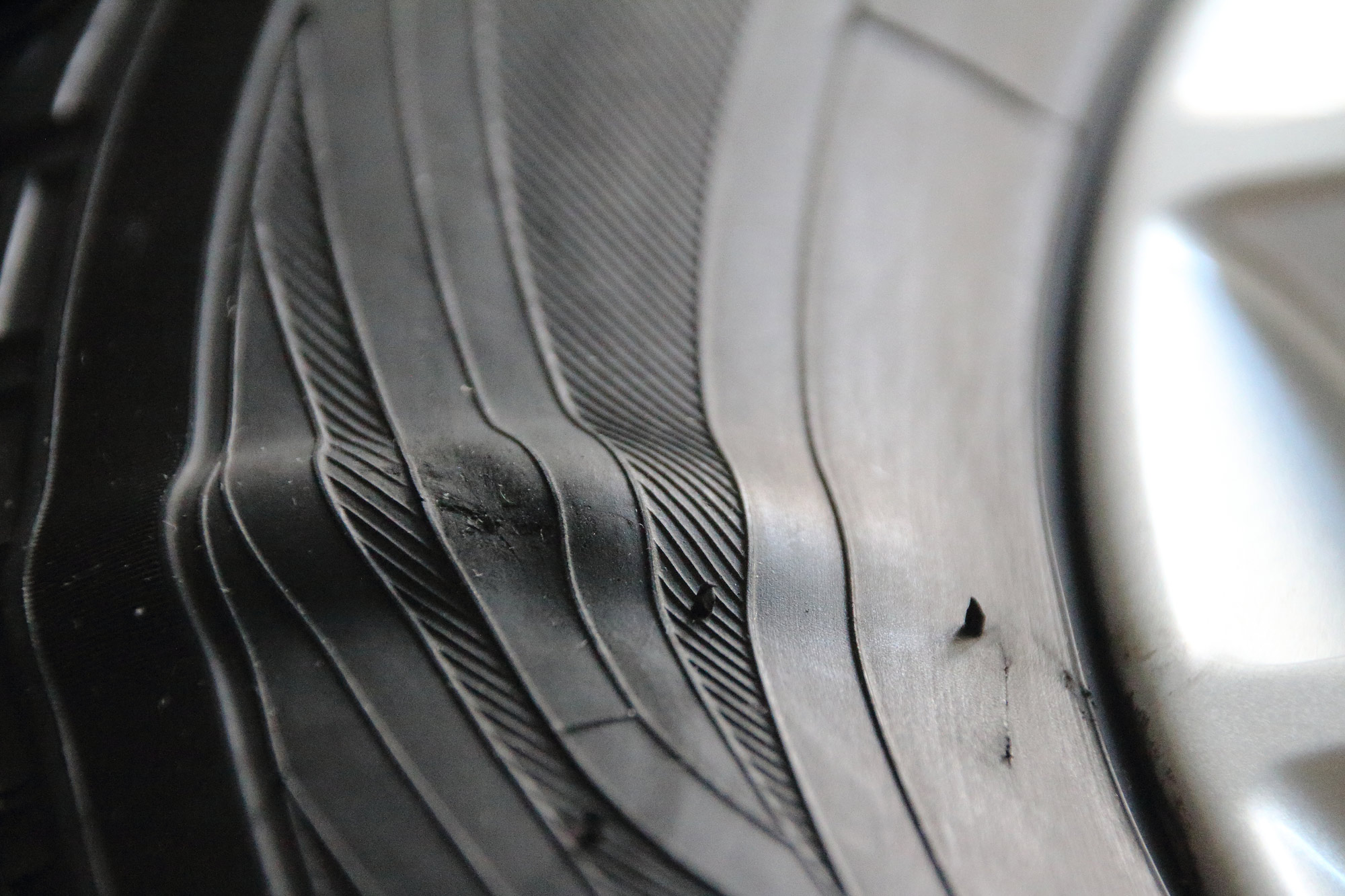
Why Bubbles Appear on Nexen Tire Sidewalls
Sidewall bubbles represent one of the most serious Nexen tire problems that affects safety. Unlike normal wear issues, a sidewall bubble indicates structural failure where the internal cords have separated from the rubber compound. This commonly occurs on the N’Priz AH8 and WiNergy SU1 models when driving over potholes at highway speeds.
The specific vulnerability in these Nexen models relates to their silica-based rubber compound which maintains excellent grip but lacks the rebound resilience of some competitors. When impacted, the sidewall doesn’t flex and recover properly, causing immediate or delayed separation of the internal plies. What makes this particularly dangerous is that bubbles can form days after the initial impact, catching drivers off guard when they believe their tires survived the hazard.
Immediate Actions When You Spot a Sidewall Bubble
Discovering a bubble requires immediate action—this isn’t a problem you can monitor:
- Reduce speed immediately to minimize heat buildup in the damaged area
- Maintain consistent pressure—do NOT deflate the tire as this increases stress on the compromised area
- Drive directly to a tire service center at reduced speed (under 35 mph) on a smooth route
- Do NOT continue driving even for “just a few more miles” as sidewall failures can occur without warning
Nexen’s warranty typically covers sidewall bubbles only if they result from manufacturing defects, not road hazards. Documenting the incident with photos and obtaining a service report immediately improves your chances of warranty approval.
Temperature-Related Performance Issues

How Extreme Temperatures Affect Nexen Tire Performance
Nexen tires exhibit unique temperature sensitivity that many drivers don’t anticipate. The WiNergy series, designed primarily for moderate climates, experiences significant performance changes when temperatures drop below 45°F or rise above 95°F. In cold conditions, the tread compound hardens more rapidly than premium all-season tires, reducing grip by up to 30% on wet surfaces.
Conversely, in extreme heat, certain Nexen models develop excessive heat buildup in the tread area, causing the rubber to soften beyond optimal performance parameters. This “heat cycle” effect accelerates wear and can lead to temporary tread deformation that affects handling precision. Drivers in regions with significant seasonal temperature swings often report their Nexen tires performing well in spring/fall but becoming problematic during summer heatwaves or winter cold snaps.
Optimizing Nexen Tires for Your Climate
Adjust your maintenance approach based on your local climate:
- Cold Climate Owners: Increase tire pressure by 2 PSI during winter months to compensate for compound hardening
- Hot Climate Owners: Reduce highway cruising speeds by 5-10 mph during extreme heat to minimize heat buildup
- Seasonal Drivers: Consider installing winter tires when temperatures consistently fall below 45°F, as Nexen all-season tires don’t maintain adequate flexibility
- All Owners: Check tire pressure weekly during significant temperature changes, as pressure fluctuates approximately 1 PSI per 10°F temperature change
Warranty Claim Challenges with Nexen Tires
Why Your Nexen Tire Warranty Claim Might Get Denied
Many drivers encounter frustration when attempting to file warranty claims for premature wear or manufacturing defects. The most common reason for denial relates to Nexen’s strict interpretation of “normal wear” versus “premature failure.” Their warranty typically covers only manufacturing defects, not issues resulting from improper maintenance, road hazards, or driving conditions.
Specific documentation requirements often trip up claimants:
– Tread depth measurements must show less than 50% wear with specific wear pattern evidence
– Alignment records from within 6 months of noticing the problem are required
– Multiple tires must show identical wear patterns (a single worn tire usually indicates improper maintenance)
– Proof of regular rotation and pressure maintenance is mandatory
Successfully Navigating the Nexen Warranty Process
Improve your chances of a successful claim with these strategic steps:
- Document everything from day one—take date-stamped photos of new tires and maintain a maintenance log
- Get alignment checks every 10,000 miles and keep the printouts
- Measure tread depth quarterly using a calibrated depth gauge
- Contact Nexen directly before visiting an installer—many dealers lack proper claim submission knowledge
- Escalate professionally if initially denied, providing comprehensive documentation of your maintenance history
Preventative Maintenance Checklist for Nexen Tire Owners
Monthly Maintenance Routine That Prevents Most Problems
Implement this specific maintenance schedule to maximize your Nexen tire performance and longevity:
- Weekly: Check tire pressure with a calibrated gauge (don’t rely on TPMS)
- Monthly: Inspect tread for uneven wear, embedded objects, and sidewall damage
- Quarterly: Measure tread depth at multiple points across each tire
- Biannually: Get a professional alignment check regardless of symptoms
- Annually: Have tires professionally balanced, especially if you notice vibrations
Following this regimen addresses 90% of preventable Nexen tire problems before they compromise safety or lead to premature replacement.
When to Replace Nexen Tires Before They Fail
Critical Warning Signs You Should Never Ignore
Recognize these danger signs that mean immediate tire replacement is necessary:
- Tread wear indicators flush with surrounding ribs (at 2/32″ depth)
- Sidewall cracks deeper than 1/16 inch or exposing internal cords
- Bulges or bubbles anywhere on the tire surface
- Vibrations that persist after proper balancing
- Excessive road noise that suddenly worsens
Don’t wait for complete failure—Nexen tires with these issues can fail catastrophically without warning, especially at highway speeds.
Final Maintenance Tip: Always keep your original purchase receipt and registration paperwork for your Nexen tires. Many warranty claims get denied simply because owners can’t prove the tires were properly registered within the required 30-day window. With proper maintenance and attention to these common problem areas, your Nexen tires can deliver safe, reliable performance throughout their expected lifespan. If you encounter persistent issues that seem beyond normal wear, contact Nexen’s technical support directly with your documentation—they occasionally make exceptions for widespread model-specific problems not covered under standard warranty terms.