Michelin tires represent a significant investment for vehicle owners who expect premium performance and durability from one of the world’s leading tire manufacturers. While Michelin maintains a strong reputation for quality, some owners encounter issues that can compromise safety, performance, and value. Understanding potential problems before they become serious can save you money, prevent accidents, and extend the life of your tires. This guide examines frequently reported Michelin tire concerns and provides actionable solutions to keep you safely on the road.
Premature Tread Wear on Popular Models
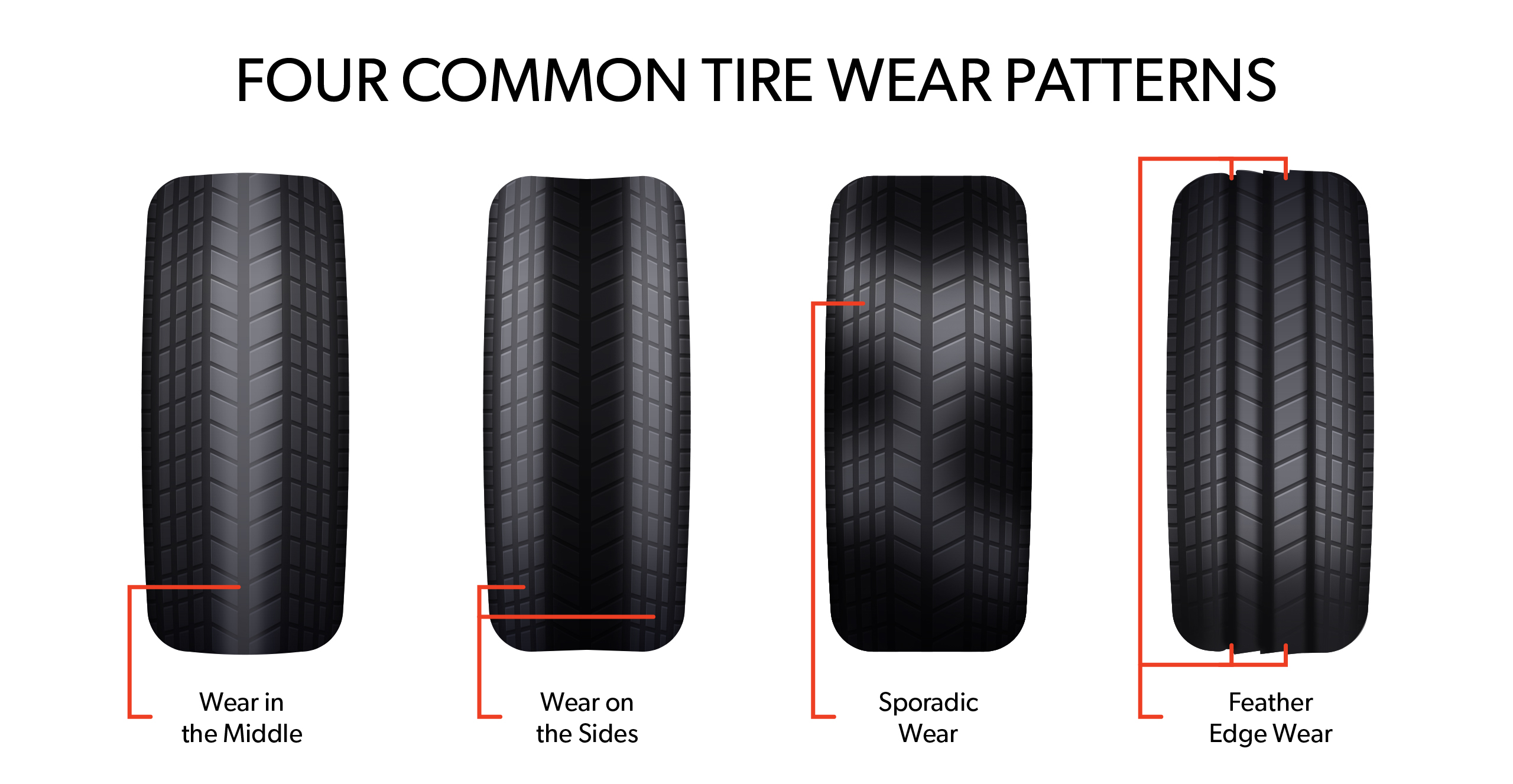
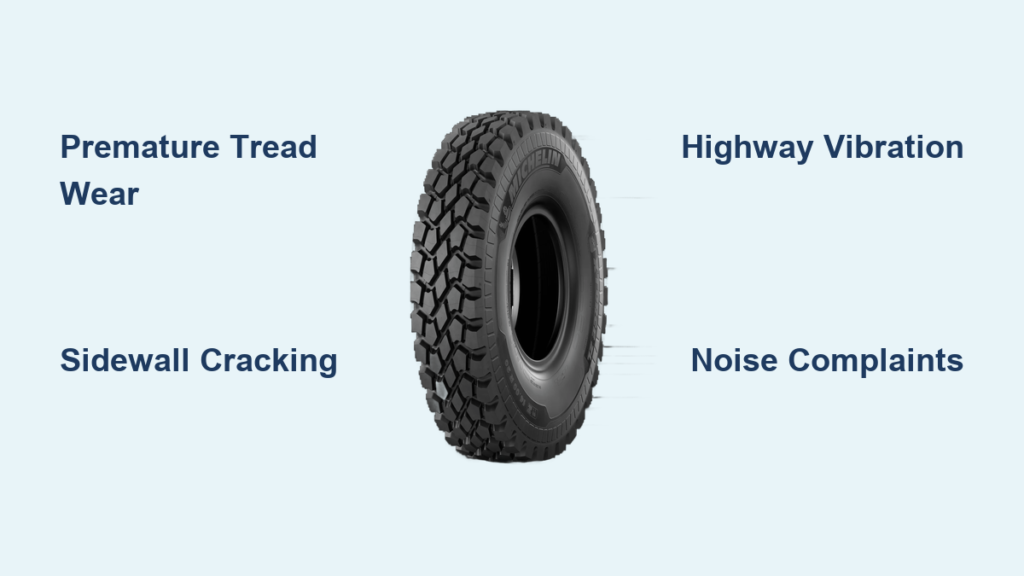
Many Michelin owners report unusual tread wear patterns that develop much faster than expected, particularly on Defender and CrossClimate series tires. Instead of achieving the advertised 60,000-80,000 miles of tread life, some drivers notice significant wear within 15,000-25,000 miles. This premature wear often appears as uneven shoulder wear on front tires or cupping patterns on rear tires, indicating underlying vehicle issues rather than tire defects.
Why Your Michelin Tires Might Wear Faster Than Expected
Several factors contribute to accelerated Michelin tire wear including improper inflation, misalignment, and suspension problems. Underinflated tires cause excessive wear on the outer edges, while overinflated tires wear the center tread faster. Front-wheel drive vehicles typically wear front tires more quickly, requiring more frequent rotation. Check your tire pressure monthly using an accurate gauge and maintain the pressure specified on your vehicle’s door jamb sticker—not the maximum pressure listed on the tire sidewall.
How to Extend Your Michelin Tire Tread Life
Establish a rotation schedule every 6,000-8,000 miles to ensure even wear across all four tires. Document each rotation with photos showing mileage and tread condition. Have your alignment checked annually or whenever you notice your vehicle pulling to one side. If uneven wear persists despite proper maintenance, consult a tire specialist who can measure tread depth at multiple points to identify specific mechanical issues needing attention.
Sidewall Cracking and Dry Rot Issues

Sidewall cracking represents one of the most concerning Michelin tire problems, especially on tires aged three to five years. Unlike tread wear, which occurs through normal use, sidewall deterioration often stems from environmental factors rather than mileage. UV exposure, extreme temperature fluctuations, and improper storage conditions accelerate rubber compound breakdown, leading to visible cracks that can compromise structural integrity.
How to Spot Dangerous Sidewall Damage
Examine your tires quarterly, focusing on areas near the bead and around raised lettering where cracks typically form. Superficial surface cracks may not require immediate replacement, but deep grooves revealing underlying belt materials indicate serious structural compromise. Low-profile Michelin tires show cracking more readily because less rubber material exists between the road and wheel rim, making degradation both more visible and potentially more dangerous.
Prevention Strategies for Sidewall Longevity
Park your vehicle in shaded areas whenever possible and consider using tire covers during extended storage periods. Apply tire protectant products sparingly to sidewalls (never on tread surfaces) to provide additional UV protection. If your vehicle sits unused for weeks at a time, drive it periodically to prevent flat spotting and circulate protective compounds within the rubber. Replace tires showing deep cracking immediately regardless of tread depth—sidewall damage significantly increases blowout risk.
Vibration Problems at Highway Speeds
Excessive vibration through the steering wheel or vehicle floorboard is a frequent complaint among Michelin tire owners, typically emerging at speeds between 45-65 mph. These vibrations can originate from multiple sources including improper balancing, road force variation, or internal tire damage. Distinguishing between tire-related vibration and problems with suspension components is crucial for effective diagnosis.
Diagnostic Steps for Michelin Tire Vibrations
Begin by verifying proper tire pressure on all four wheels, then inspect for visible damage like bulges or irregular tread wear. Have your tires balanced using a road force balancing machine, which detects force variations that standard balancing might miss. If vibrations persist, check wheel bearings and suspension components for wear. Remember that Michelin tires with stiff sidewalls (common in performance models) may transmit more road feedback, which drivers sometimes mistake for vibration problems.
Noise Complaints on Certain Michelin Models
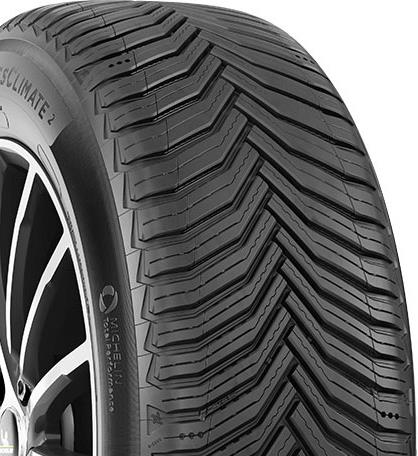
Some Michelin owners report excessive road noise, particularly with Defender and CrossClimate 2 tires. This low-frequency humming or droning sound often increases with vehicle speed and becomes more pronounced on concrete highways or grooved pavement. The noise typically stems from aggressive tread patterns designed for improved wet traction, which create air turbulence as tread blocks compress during rotation.
Reducing Michelin Tire Noise Levels
Ensure your tires are mounted on wheels matching your vehicle’s specifications, as improper offset can amplify noise. Check wheel bearings and suspension components that might produce sounds mimicking tire noise. If noise remains problematic after verifying proper installation and vehicle condition, consider switching to Michelin models specifically engineered for quiet operation, such as those featuring ComfortControl technology. Adding sound-deadening material to your vehicle’s wheel wells can also help reduce cabin noise.
Bead Seating and Air Retention Challenges
A less common but recurring issue involves difficulties getting Michelin tires to seat properly on the wheel rim during mounting. The bead—the reinforced edge creating an airtight seal—must completely seat against the wheel’s bead seat to prevent air leakage. Some owners report tires slowly losing pressure after installation despite appearing properly mounted.
Ensuring Proper Bead Sealing During Installation
Request that installers use professional tire mounting lubricant rather than improvised solutions. Verify the bead indicator line is evenly visible all the way around the wheel before final inflation. After installation, insist on a soapy water test to detect micro-bubbles indicating air leakage. If you experience persistent air loss, have the wheel inspected for corrosion or damage on the bead seating surfaces that might prevent a complete seal.
Navigating Michelin Warranty Claims Successfully
Many customers report frustration during the Michelin warranty claim process even when issues seem clearly covered. Michelin’s limited warranty covers defects in materials and workmanship, but interpretation of what constitutes a warrantable defect versus normal wear can be subjective.
Maximizing Your Warranty Claim Success
Register your tires with Michelin immediately after purchase to establish ownership records. Keep detailed maintenance documentation including rotation records, alignment reports, and pressure checks. Photograph any issues immediately upon discovery with notes of exact mileage. If your initial claim is denied, request a second inspection from a different authorized dealer and consider escalating to Michelin’s customer relations department with a formal written appeal including all supporting documentation.
When to Replace Rather Than Repair
The decision between repair and replacement depends on several factors including damage location, tire age, and wear level. Minor tread punctures less than a quarter inch in diameter located in the center tread area may be repairable. However, sidewall damage, belt separation, and manufacturing defects generally require replacement as these compromise structural integrity in ways temporary fixes cannot safely address.
Making the Right Replacement Decision
Consider your entire tire set when replacing a single damaged tire. Installing one new tire with significantly more tread depth than others creates handling imbalances, especially in all-wheel drive vehicles. For optimal safety and performance, replace tires in pairs (mounted on the same axle) or as a full set when tread depth differences exceed 2/32 of an inch between tires.
Proper tire maintenance remains your best defense against premature wear and unexpected failures, regardless of brand. Regular pressure checks, timely rotations, and professional inspections can help you identify developing problems before they become safety hazards or expensive repairs. When issues do arise with your Michelin tires, understanding common problems and their solutions empowers you to take appropriate action while protecting your investment. Remember that all tires have limitations based on driving conditions, vehicle type, and maintenance practices—setting realistic expectations helps you maximize performance and value from your Michelin tires while staying safe on the road.