You’ve likely heard about Lexani tires as a budget-friendly alternative to premium brands, promising decent performance without breaking the bank. But before you install these tires on your vehicle, you need to know about the recurring Lexani tire problems documented by countless owners. Customer reports consistently reveal issues that transform what seems like a smart financial decision into a frustrating, potentially unsafe driving experience. From deafening highway noise that makes every trip an endurance test to premature wear leaving drivers stranded with bald tires within months, these problems suggest Lexani’s budget pricing involves compromises that affect reliability and safety. Understanding these specific issues helps you determine if the initial cost savings justify the risks to your driving comfort and long-term value.
Highway Noise That Makes Long Drives Unbearable
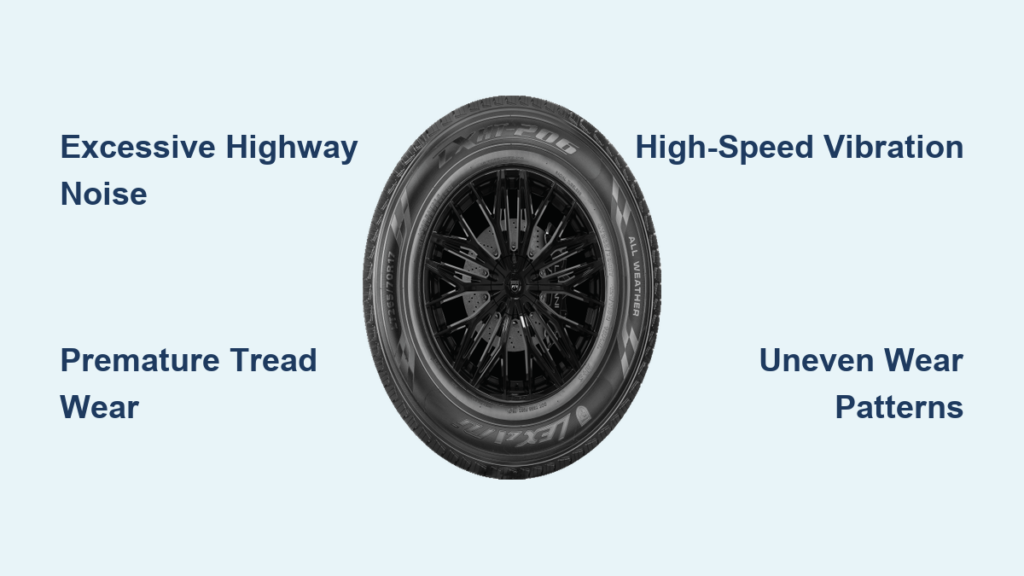
If you regularly drive on interstates or take road trips, Lexani’s noise problems will likely ruin your driving experience. Unlike premium tires that maintain quiet operation, Lexani tires produce excessive road noise that begins at surprisingly low speeds and intensifies dramatically as you accelerate.
Noise Starts at Unusually Low Speeds
Multiple owners report that Lexani tire noise becomes noticeable around 35 miles per hour—far earlier than expected for passenger tires. One Hyundai Sonata owner described the sound as “having giant mud tires on a truck,” interfering with conversation and music enjoyment during normal commuting. This isn’t just an occasional complaint; it’s a consistent pattern across multiple Lexani models and vehicle types.
What’s more concerning is how the noise worsens over time. Several users documented that their Lexani tires started reasonably quiet but deteriorated significantly after the first few thousand miles. One owner noted that after initial acceptable performance, the tires became “very hard” following heat cycles, transforming the ride into something that felt “like a brick” while producing noise comparable to off-road tires. This suggests Lexani’s rubber compound may actually harden rather than break in properly, degrading both comfort and noise characteristics progressively.
High-Speed Vibration That Compromises Safety
Beyond simple noise, some Lexani tires develop dangerous vibration and shimmy issues at highway speeds. A Tesla Model S owner reported that despite professional Hunter Road Force balancing, the tires developed alarming balance problems above 90 miles per hour. The same driver noted they were “louder than previous Pirelli’s” despite appearing attractive and riding well initially.
The LX-Twenty model specifically receives criticism for producing a distinctive “wah-wah-wah-wah” noise pattern at highway velocities. For drivers who frequently travel at interstate speeds, this noise transforms every trip into an auditory endurance test that diminishes driving satisfaction and increases fatigue.
Premature Wear That Drains Your Wallet Twice

Tread life concerns represent the second most common Lexani tire problems, with multiple customers reporting significantly shorter lifespans than expected from their purchases. While some users achieve 40,000-45,000 miles, others experience catastrophic failure within months.
Rapid Tread Depletion Within Months
One particularly alarming report came from a customer who purchased four tires in December only to discover that after just 3.5 months, one tire had no tread remaining while the front tires displayed severe uneven wear. A Walmart employee explicitly identified this as a tire issue rather than a vehicle alignment problem, yet Lexani offered no warranty coverage. This left the customer responsible for replacement costs on tires that failed well within any reasonable break-in period.
The inconsistency in tread life creates a dangerous gamble. Some customers report achieving mileage near the advertised 55,000-mile warranty, while others experience failures at 20,000 miles or less. This variability makes it nearly impossible to predict whether your Lexani tires will deliver acceptable longevity or fail prematurely.
Uneven Wear Patterns That Signal Deeper Issues
Multiple users documented uneven wear patterns that suggest fundamental quality control issues. Front tire cupping appeared in one long-term test around 15,000 miles, requiring frequent rotation to address. While cupping can sometimes result from alignment issues, its appearance across all four tires simultaneously suggests the tire construction cannot adequately resist normal deformation forces.
This uneven wear becomes particularly pronounced on vehicles with performance alignments or subjected to aggressive driving. Forum participants consistently noted that Lexani tires perform adequately for basic commuting but quickly reveal limitations when “put through intended paces,” indicating insufficient structural integrity for demanding applications.
Performance Deficiencies That Risk Your Safety
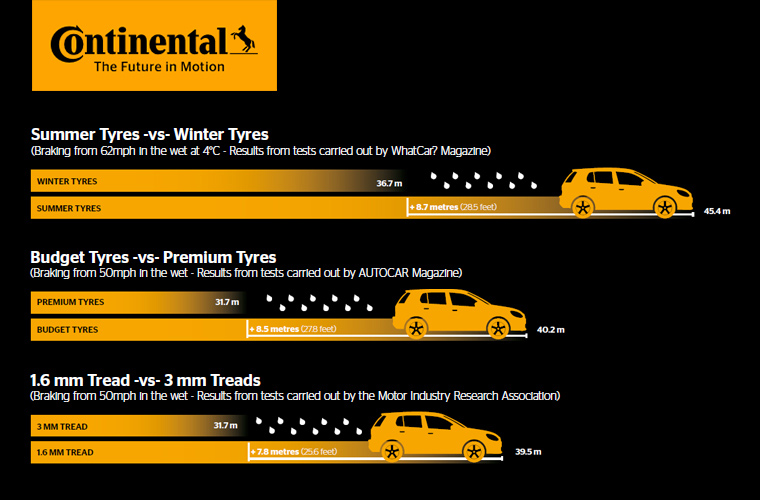
Beyond noise and wear, several documented Lexani tire problems directly impact driving safety, affecting braking performance, high-speed stability, and wet weather capability—areas where tire quality directly impacts your ability to control your vehicle.
Reduced Braking Confidence During Emergencies
One Volvo S60 owner provided detailed feedback about panic stop experiences with Lexani tires. The driver noted they required “noticeably longer to stop” during emergency braking compared to the Michelin tires they replaced, with the anti-lock braking system “working overtime” to prevent wheel lockup. This single data point represents a serious safety concern, as reduced braking confidence during emergencies can have life-or-death consequences.
High-speed handling issues compound these safety risks. The balance problems reported by some owners, particularly the Tesla driver experiencing shimmy above 90 mph despite proper balancing, suggest certain Lexani models have inherent construction irregularities that compromise stability when you need it most.
Limited Wet Weather Performance
While some reviews praise Lexani’s wet weather performance, others express reservations about confidence during heavy rain. The variability in these reports may reflect differences between specific models, but all Lexani tires carry explicit limitations regarding winter performance. The manufacturer acknowledges these tires aren’t designed for ice or heavy snow conditions, creating dangerous traction deficiencies in northern climates or areas with significant winter precipitation.
Quality Control Inconsistencies You Can’t Predict

Perhaps most troubling for prospective purchasers, inconsistent performance reports across seemingly identical tire models suggest Lexani’s quality control processes miss significant manufacturing defects before products reach consumers.
Incorrect Shipments and Specification Errors
Customer reviews reveal troubling instances of wrong tires being shipped. One reviewer reported receiving incorrect sizes on two separate occasions, describing the experience as feeling like the company was “just filling Walmart’s shipping list” rather than verifying orders. These errors created significant inconvenience, requiring time off work for deliveries and returns.
Another customer expressed frustration with having to arrange installation at a third-party location because Walmart would not install custom tires. These logistical complications add hidden costs that can eliminate the initial price advantage of budget brands.
Manufacturing Variability That Creates a Lottery
Some owners report completely trouble-free operation across tens of thousands of miles, while others experience significant problems within months. This variability makes it difficult to predict individual tire performance—you’re essentially gambling on which manufacturing batch you receive. Some customers get products that perform admirably, while others experience significant problems immediately, creating an unacceptable risk when your safety depends on tire reliability.
Making the Right Decision for Your Driving Needs
Determining whether Lexani tires are worth the risk requires honest assessment of your driving patterns and safety requirements. For drivers whose needs align with Lexani’s limitations—primarily urban commuting at moderate speeds—these tires may provide acceptable performance despite documented shortcomings.
If you decide to proceed with Lexani tires, follow these critical steps:
- Verify exact specifications before purchase, ensuring load ratings, speed ratings, and size precisely match your vehicle
- Arrange installation through reputable tire retailers rather than mass merchandise centers where staff knowledge varies
- Purchase additional road hazard warranty coverage through your retailer to protect against premature failures
- Maintain realistic expectations regarding performance and lifespan based on documented owner experiences
The documented Lexani tire problems reveal that budget pricing requires accepting compromises in noise comfort, durability predictability, and customer service support. For some consumers, these trade-offs represent acceptable sacrifices. For others—particularly those prioritizing safety, long highway commutes, or performance driving—the risks outweigh the savings. Your decision should reflect honest assessment of your driving patterns, safety requirements, and tolerance for potential frustrations over the tire’s lifespan. When it comes to the rubber connecting your vehicle to the road, compromising too much could cost you far more than the initial savings.