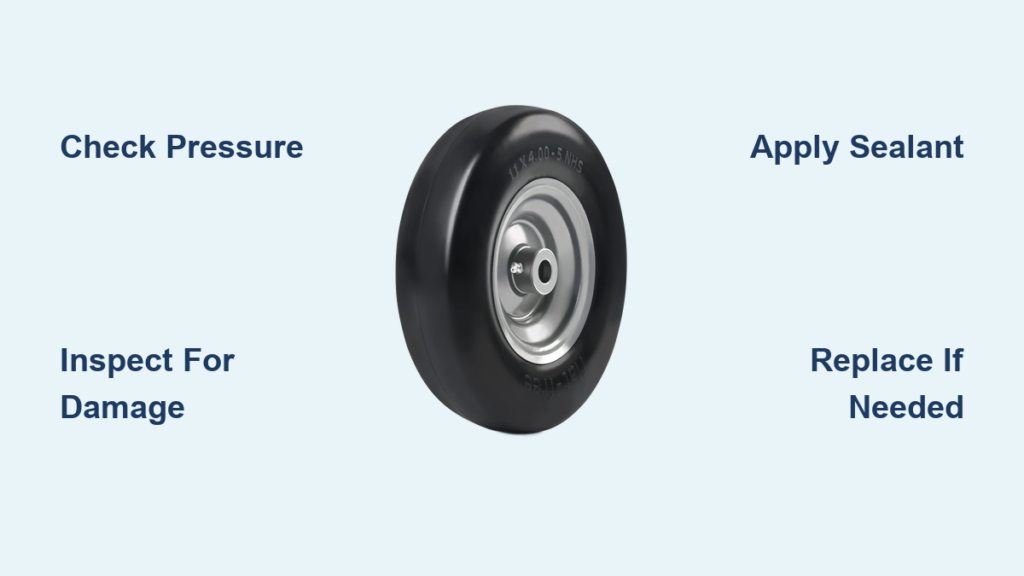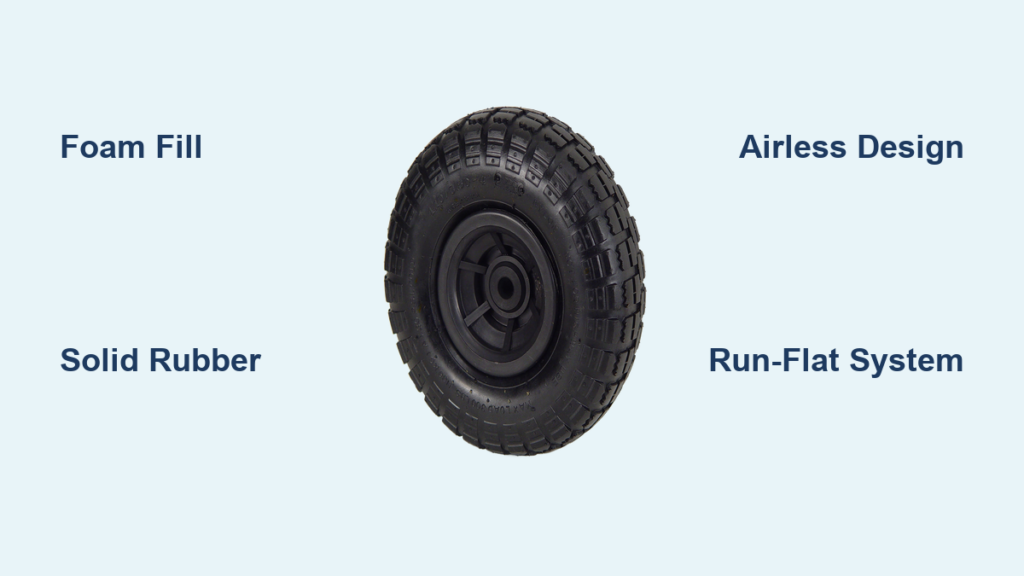
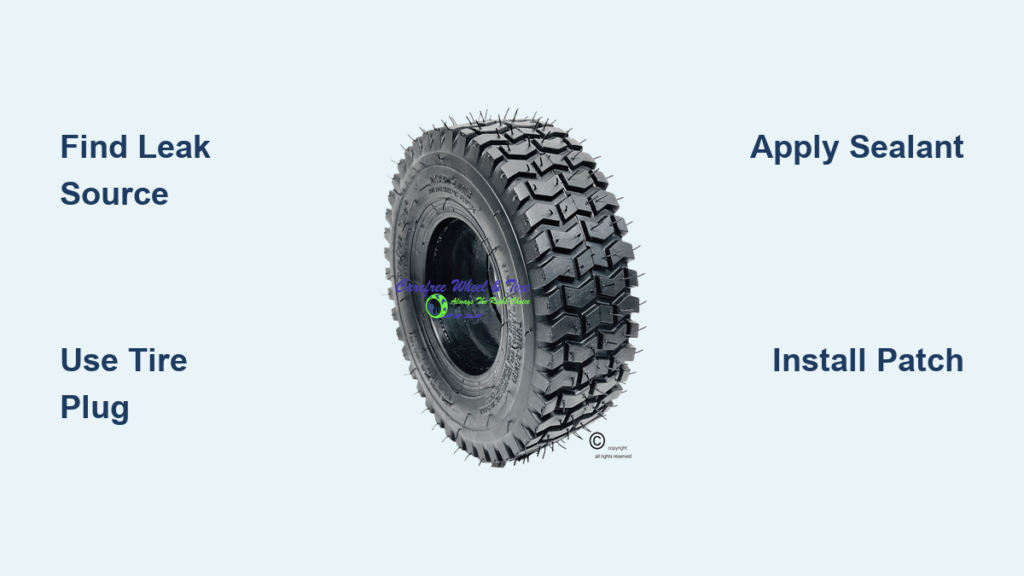
Nothing derails your mowing schedule faster than discovering a flat tire on your lawn mower. Whether you’re facing a sudden puncture from a hidden nail or dealing with a slow leak that’s been creeping up unnoticed, tire damage ranks among the most frustrating maintenance issues for both walk-behind and riding mower owners. Sharp objects like thorns, screws, and barbed wire lurk in every lawn, ready to compromise your tire’s integrity at the worst possible moment. Beyond obvious punctures, valve stem failures, rim leaks, and dry rot cracks can slowly drain air over days or weeks, leaving you stranded mid-mow. The good news is that most lawn mower tire repair jobs are straightforward enough to handle yourself with basic tools and materials, saving both time and money. This guide delivers proven solutions for every common tire problem, helping you diagnose the issue accurately and choose the most effective repair method for your specific situation.
Locate the Exact Source of Your Tire Leak
Before attempting any repair, you must pinpoint exactly where air is escaping—otherwise you’ll waste time fixing the wrong problem. Start with a thorough visual inspection of the entire tire surface, including the valve stem, sidewalls, and tread area. Look for obvious culprits like nails, screws, or thorns embedded in the rubber. Many riding mower owners report searching their tire multiple times without finding visible damage despite the tire going flat, which typically indicates a very small puncture or bead leak rather than obvious external damage.
When visual inspection fails, perform the soapy water test to expose hidden leaks. Mix dish soap with water in a spray bottle and generously coat the entire tire surface, focusing on the valve stem and the bead area where the tire meets the rim. Watch carefully for bubbles forming anywhere air is escaping. For riding mower tires, partially submerge the tire in a bucket of soapy water and rotate it slowly to check the entire circumference.
Critical leak locations to check:
- Valve stem — Dirt buildup or physical damage preventing proper seal
- Rim bead — Tire failing to seal against the wheel hub
- Puncture damage — Sharp objects penetrating the tread area
Rim leaks are surprisingly common on riding mowers because the tire bead can lose its seal against the metal rim over time, allowing air to escape along the rubber-to-metal interface. This type of leak often goes undetected during casual inspection but becomes obvious during the soapy water test.
Repair Small Punctures with Tire Plug Kits

Tire plugs offer the fastest solution for punctures smaller than one-quarter inch in diameter, requiring no tire removal and minimal tools. A quality plug kit costs under $10 and gets your mower operational within 10 minutes. Locate your puncture using the soapy water test, then clean the area thoroughly before inserting the plug.
Insert the plug through the puncture hole using the specialized tool included in most kits, pulling it through until the plug sits flush with the tire surface. The air pressure inside forces the rubber material to swell and seal against the surrounding tire structure. Trim any excess plug material protruding beyond the surface for a smooth finish.
Plug repair pros and cons:
- ✓ Fast emergency fix — Under 10 minutes with no tire removal
- ✓ Inexpensive — Kits cost less than $10 at most auto parts stores
- ✗ Temporary solution — Plugs can work loose under heat and flex cycles
- ✗ Ineffective near sidewalls — Flexible tire structure won’t hold plugs securely
While plugs work well as emergency fixes for walk-behind mowers, they generally don’t provide the long-term reliability riding mower owners need for regular use. Reserve plugs for temporary solutions until you can implement a more permanent repair.
Stop Leaks with Liquid Tire Sealants
Liquid sealants like Green Slime (often called “the green slime”) provide continuous protection against punctures without requiring tire removal. These products remain inside the tire, automatically sealing new punctures as they occur and even stopping leaks from dry rot cracks—common on aging equipment. Application takes just minutes: remove the valve stem cap, insert the sealant applicator, pump in the recommended amount, rotate the tire to distribute the sealant, and allow curing time.
Sealant application checklist:
- Remove valve stem cap and core
- Insert sealant nozzle into valve stem
- Pump recommended amount based on tire size
- Rotate tire to coat entire interior surface
- Inflate to proper pressure and allow curing
Green Slime has earned strong user support across various equipment types. Users report effective sealing in both tubeless and tube-type tires, with protection lasting up to two years before requiring reapplication. While some technicians complain about the mess sealants create during future repairs, most owners find the convenience and ongoing protection outweigh this minor inconvenience, especially for older equipment.
Install Permanent Tire Patches for Reliable Fixes
For the most durable lawn mower tire repair, patches outperform plugs by creating a seal across a larger area of the tire’s inner surface. This method requires tire removal but delivers significantly longer-lasting results. Start by completely deflating the tire, then break the bead away from the rim using tire levers. Once removed, clean and roughen the inner surface around the puncture, apply rubber cement, and press the patch firmly into place.
Patch repair advantages:
- Creates permanent seal that won’t work loose over time
- Better suited to demands of regular riding mower operation
- Maintains original tire balance and handling characteristics
- More cost-effective than replacement for healthy but damaged tires
Patches are generally preferred over plugs because they distribute stress more effectively across the tire structure. The additional effort required is justified by the extended tire life you gain—often adding several more seasons of reliable service to a properly repaired tire.
Add Inner Tubes for Problem-Free Operation
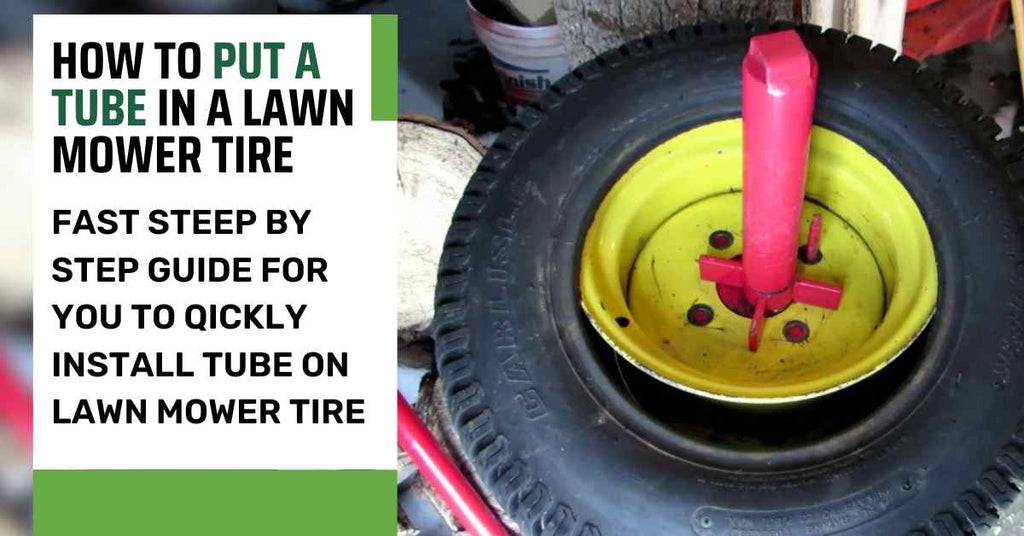
When other repair methods fail or for tube-type tires, installing an inner tube provides reliable air containment. The tube creates a separate air system, so punctures in the outer tire won’t immediately cause air loss. This approach requires tire removal similar to patching, but instead of repairing the tire itself, you place the tube inside before remounting.
Experienced owners recommend using bead sealer adhesive (sometimes called “gorilla snot”) when installing tubes. This adhesive applied to the rim bead surfaces creates a more positive seal between tire and rim, preventing air loss at the wheel interface—particularly valuable for older equipment with imperfect rims.
Tube installation essentials:
- Select correct tube size matching your specific tire model
- Apply bead sealer liberally to both rim surfaces
- Inflate tube partially before installation to shape it
- Use tire levers carefully to avoid pinching the tube
Tubes provide predictable maintenance—you’ll know immediately when a puncture occurs and can patch or replace the tube as needed. This reliability makes them ideal for riding mowers where downtime is especially costly.
Maintain Proper Tire Pressure for Longevity
Correct inflation is critical for both safety and tire life. Find your specific tire’s recommended PSI embossed on the sidewall near the rim. Use a quality pressure gauge to check levels monthly during mowing season, inflating or deflating as needed to match the manufacturer’s specification.
Underinflation causes excessive sidewall flexing that generates heat and accelerates wear, while overinflation makes tires more susceptible to impact damage. After any repair, listen carefully for audible leaks and reapply soapy water to the valve stem area to confirm your repair holds.
Pressure maintenance best practices:
- Check pressure monthly during active mowing season
- Inspect before extended storage periods
- Use a quality gauge rather than visual estimation
- Inflate to the PSI shown on your specific tire
Proper inflation not only extends tire life but also ensures your repair remains effective—underinflated tires put additional stress on patch or plug repairs, potentially causing them to fail prematurely.
Prevent Future Tire Damage with Proactive Care
Reduce flat tire incidents through simple preventive measures. Inspect your lawn before mowing to remove debris, rocks, and sticks that could puncture tires. Apply tire protectant products seasonally to shield rubber from UV damage during storage, which prevents the dry rot cracks that plague many seasonal-use mowers.
Prevention checklist:
- Clear lawn of debris before each mowing session
- Check tire pressure monthly during mowing season
- Apply UV protectant before winter storage
- Keep valve stems capped to prevent dirt accumulation
- Store equipment away from direct sunlight
For tires with minor dry rot or bead sealing issues, proactive application of sealant prevents small problems from becoming flat tires at inconvenient times. This small investment in prevention saves significant repair time and frustration later.
Recognize When Tire Replacement Is Necessary

Sometimes replacement beats repair. Tires with significant sidewall damage, multiple punctures, visible cracks, or those exceeding 5-7 years of age often aren’t worth fixing. Professional repair costs typically approach $100 per tire, which may equal or exceed replacement cost for many models.
Replace rather than repair when:
- Damage occurs near the sidewall
- Multiple punctures exist in the same tire
- Cracks or bulges appear on sidewalls
- Tire age exceeds 7 years with any damage
- Previous repair attempts failed to maintain pressure
Before purchasing new tires, check with your manufacturer about potential recalls that might provide free replacements. Some riding mower models have had tire recalls offering significant savings for affected owners.
The right choice depends on your specific damage, mechanical skills, and equipment plans. For minor tread punctures in healthy tires, sealants or plugs provide economical solutions. For riding mowers needing maximum reliability, patches or tubes deliver better long-term performance. When damage is severe or the tire has exceeded its lifespan, replacement gets you back to mowing quickly and safely.