Your front passenger tire shows suspiciously smooth rubber along the inner edge while the outer tread looks nearly new. This specific wear pattern—inside tire damage—means your vehicle’s geometry has shifted out of spec, silently destroying tire life while compromising safety. Left unchecked, this condition cuts tire lifespan in half, creates dangerous handling issues, and wastes hundreds in premature replacements. The good news? Inner edge wear is almost always preventable and fixable with the right knowledge. This guide reveals exactly what causes inside tire damage, how to spot it early, and the precise steps to stop it before your next tire rotation.
Inside Tire Damage Visual Identification Guide

Spotting inside tire damage early saves you from expensive replacements and dangerous driving conditions. This specific wear pattern manifests as significantly reduced tread depth along the inner edge compared to the center and outer sections. Unlike normal wear that affects the entire tread evenly, inside tire damage creates a distinct imbalance across the tire’s width that becomes obvious with a simple visual inspection.
How to Measure Inner Edge Wear Severity
Grab a tread depth gauge and take measurements at three critical points: the inner edge (within 1 inch of the sidewall), center, and outer edge. New passenger tires typically start with 10/32 to 12/32 inch tread depth. Inside tire damage shows as a difference of 2/32 inch or more between the inner edge and center measurements. For example, if your inner edge measures 4/32 inch while the center remains at 6/32 inch, you’ve lost 50% more tread on the inner section—a clear sign of abnormal wear.
Critical Warning Signs Requiring Immediate Action
Certain visual indicators mean you must replace tires immediately regardless of tread depth readings. Visible steel belts or fabric cords protruding through the rubber on the inner edge signal structural failure. Bulges or bubbles along the inner sidewall indicate internal damage that could lead to sudden blowouts. If you notice chunks of rubber missing specifically from the inner edge tread blocks—a condition called “cupping”—this suggests severe suspension problems accelerating damage.
Consequences of Ignoring Inner Tire Damage
Driving on tires with progressive inside damage creates multiple safety hazards. Reduced traction during cornering becomes dangerous when wet roads decrease the already limited contact patch. The risk of hydroplaning increases significantly as worn inner edges lose their ability to channel water effectively. Most critically, tires with advanced inner edge wear are 3-5 times more likely to experience sudden tread separation at highway speeds according to tire safety studies.
Why Negative Camber Destroys Inner Tire Edges
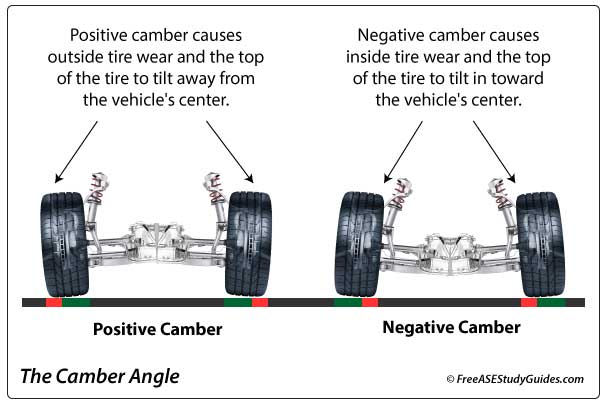
Excessive negative camber represents the single most common cause of inside tire damage, responsible for over 60% of cases seen in automotive shops. This alignment condition occurs when the top of your wheel tilts inward toward the vehicle’s centerline beyond manufacturer specifications. While performance vehicles intentionally use slight negative camber (typically -0.5 to -1.5 degrees) for better cornering grip, values exceeding -2.0 degrees rapidly destroy inner tread.
How Daily Driving Accelerates Camber-Related Wear
Every time you drive over bumps or accelerate hard, suspension components compress and rebound, forcing the tire to scrub against the road surface at an unnatural angle. This “dragging” effect concentrates all downward force on the inner edge during normal driving, wearing it down 2-3 times faster than the rest of the tread. The problem worsens on vehicles carrying heavy loads or those modified with lowering kits that dramatically increase negative camber angles.
Identifying Camber-Induced Damage Patterns
Camber-related inside tire damage creates distinctive wear characteristics you can recognize. The inner edge wears smooth while maintaining sharp tread block edges toward the center. You’ll notice consistent wear across the entire inner circumference rather than isolated spots. When severe, the inner shoulder becomes rounded while the outer edge remains squared off. Unlike toe-related wear, camber damage doesn’t create feathered or scalloped tread patterns—just progressive inner edge smoothing.
Suspension Component Failures Causing Inner Wear
Worn suspension components silently alter wheel positioning, creating inside tire damage even when alignment readings appear normal. These problems develop gradually, often going unnoticed until significant tire wear occurs. Understanding which components fail and their specific wear signatures helps target repairs efficiently.
Ball Joint Failure Symptoms That Damage Tires
Failing ball joints allow excessive wheel movement that manifests as inside tire damage through two mechanisms. Upper ball joints wearing out create positive camber changes that wear outer edges, while lower ball joint failure causes negative camber that destroys inner edges. Check for lower ball joint wear by jacking up the front wheel and rocking it top-to-bottom—if you feel or hear clunking, replacement is needed immediately to prevent further tire damage.
Control Arm Bushing Degradation Mechanics
Rubber bushings in control arms deteriorate with age and exposure to road chemicals, allowing the entire suspension assembly to shift position under load. As front control arm bushings wear, the wheel moves rearward during acceleration, creating toe-out conditions that drag the inner edge across the pavement. Inspect bushings for visible cracks, splits, or complete separation from the metal sleeve—common after 80,000 miles or when driving frequently on rough roads.
Overinflation Damage: The Hidden Cause of Inner Tire Wear
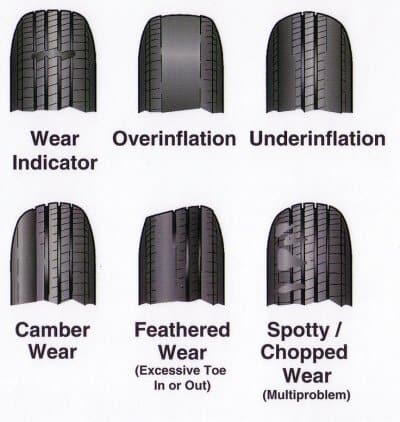
Most drivers associate tire wear with underinflation, but overinflation creates subtle conditions that accelerate inside tire damage when combined with minor alignment issues. When tires exceed manufacturer-specified pressure by 6+ PSI, the center bulges outward, reducing the effective contact patch width. This concentrates forces on the remaining contact area, making minor camber or toe errors disproportionately affect the inner edge.
Correct Tire Pressure Verification Protocol
Check pressures monthly using a digital gauge (never rely on gas station gauges) when tires are cold—meaning the vehicle hasn’t been driven more than 1 mile in the last 3 hours. Locate your vehicle’s specific pressure requirements on the driver’s door jamb sticker, not the maximum pressure molded on the tire sidewall. For every 10°F temperature drop, tire pressure decreases 1 PSI—seasonal changes often create unintentional overinflation in winter that damages tires come spring.
Driving Habits Accelerating Inner Edge Wear
Even with perfect alignment and suspension, certain driving behaviors create forces that concentrate wear on inner tire edges. Front-wheel-drive vehicles suffer most from these habits due to combined steering and power delivery forces on front tires.
Aggressive Cornering Physics Explained
Entering turns at high speeds creates lateral G-forces that shift vehicle weight outward, compressing the outer suspension while lifting the inner wheels. This body roll increases negative camber on the inner wheels, forcing their edges to bear the brunt of cornering forces. The resulting “scrubbing” action wears inner edges 40% faster than moderate-speed cornering. Reduce entry speeds by 5-10 mph in residential turns to extend tire life significantly.
Hard Acceleration Impact on Front Tires
Rapid acceleration in front-wheel-drive vehicles transfers engine torque through the front tires while they’re simultaneously steering. This combination creates extreme shear forces on the inner edge tread blocks during turns, accelerating wear in patterns resembling “saw tooth” edges. Practice smooth throttle application, especially when exiting turns, to distribute forces evenly across the tread.
Sidewall Indentations: Normal vs. Dangerous
Many drivers mistake normal radial tire construction features for damage, causing unnecessary concern. Radial tires contain multiple layers of fabric cords running parallel in the sidewall. Where these cords overlap during manufacturing, slight indentations appear as regular, repeating depressions running circumferentially around the tire.
When Indentations Signal Real Problems
True sidewall damage shows irregular, non-repeating bulges or depressions that change shape when the tire rotates. If indentations feel soft or spongy when pressed, or if they’re accompanied by cracks in the rubber, immediate replacement is required. Normal construction indentations remain consistent in depth and position regardless of tire rotation and show no visible damage to the rubber surface.
Monthly Tire Maintenance Checklist
Preventing inside tire damage requires consistent, simple maintenance practices you can complete in under 10 minutes monthly:
- Check inflation pressures on cold tires using a calibrated digital gauge
- Inspect tread depth at inner edge, center, and outer edge positions
- Rotate tires every 5,000-7,000 miles using manufacturer-specified pattern
- Look for suspension leaks around struts and shock absorbers
- Test steering responsiveness for looseness or wandering
Schedule professional alignment checks every 15,000 miles or immediately after hitting significant potholes. When replacing tires, always install matching sets on each axle—mixing different tread depths or patterns creates handling instability that accelerates inside wear on new tires.
Inside tire damage doesn’t fix itself—it only gets worse with every mile driven. By implementing these targeted maintenance practices and understanding the specific causes behind your inner edge wear, you’ll extend tire life by 30-50% while maintaining safer handling characteristics. The investment of time in monthly inspections pays immediate dividends through reduced replacement costs and more predictable vehicle dynamics in critical driving situations. Start checking your inner tire edges today—you might just catch developing damage before it turns a $100 alignment correction into a $800 tire replacement.