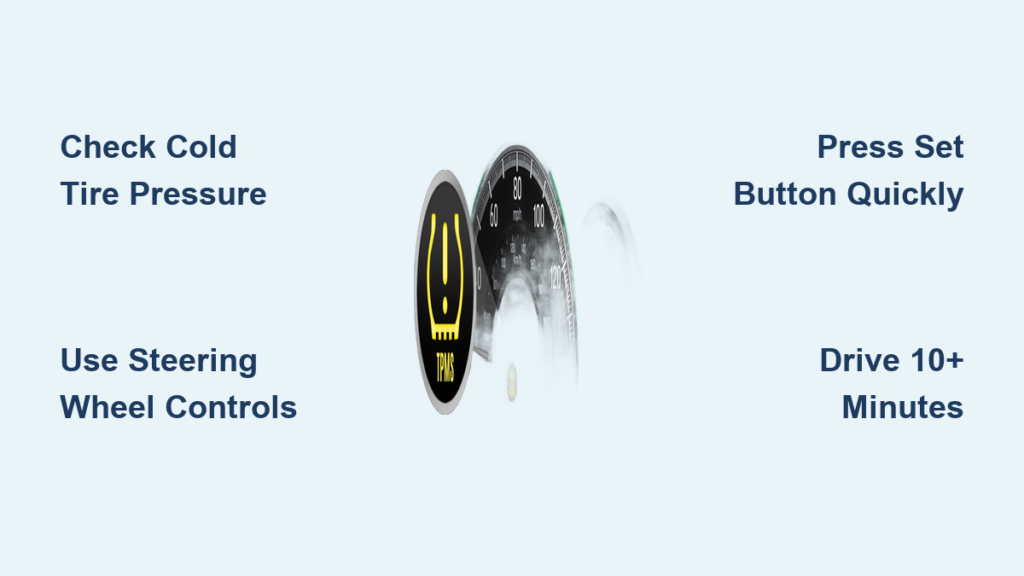
That persistent orange tire pressure light on your Honda Accord dashboard isn’t just annoying—it’s a critical warning system designed to keep you safe. When it stays illuminated after you’ve filled your tires, it creates confusion and anxiety. Many Accord owners mistakenly believe they can simply “turn off” the light like a switch, but the tire pressure monitoring system (TPMS) requires proper resetting after correcting actual tire pressure issues. Ignoring this warning or attempting improper resets compromises your safety and could lead to tire failure. In this guide, you’ll learn exactly how to reset the TPMS light on your Honda Accord for model years 2018-2023—the only way to make that warning disappear permanently. We’ll cover why the light stays on, the precise reset procedures for different Accord generations, and critical mistakes to avoid that keep the light active.
Why Your Honda Accord Tire Pressure Light Won’t Turn Off After Filling Tires
The Critical Difference Between Resetting and Ignoring the Warning
Your Honda Accord’s TPMS light remains illuminated because the system hasn’t been recalibrated after you adjusted tire pressure. Simply filling tires to the correct PSI isn’t enough—the vehicle’s computer needs explicit confirmation that pressures are correct. Never disable this system intentionally; it monitors for dangerous 25%+ pressure loss that causes blowouts. The light persists when:
- Tires were filled but not to the exact PSI specified on your driver’s door jamb sticker (typically 32-35 PSI)
- You didn’t drive above 15 mph after inflation for the sensors to update
- A sensor malfunction exists (low battery, damaged valve stem)
- Temperature changes caused temporary pressure fluctuations
Common Mistakes That Keep the TPMS Light Active
Most owners accidentally prolong the warning by making these errors:
– Assuming “full” at the gas station equals correct pressure (pumps often overinflate)
– Resetting before verifying actual cold tire pressure with their own gauge
– Holding the reset button incorrectly—duration and ignition position matter critically
– Ignoring slow leaks that cause pressure to drop again within hours
Pro Tip: Always check tire pressure when tires are cold (parked 3+ hours). Driving heats tires, increasing pressure readings by 3-5 PSI and triggering false warnings.
Honda Accord TPMS Reset Procedures by Model Year
2018-2020 Honda Accord: Steering Wheel Control Method
This generation uses intuitive steering wheel controls instead of a dashboard button. Do not start the engine—this is the most frequent reset failure point. Follow these exact steps:
- Ensure all tires are inflated to the PSI on your driver’s door jamb sticker (use your own gauge to verify)
- Turn ignition to “ON” (do not start engine—accessories mode only)
- Press the right arrow on your steering wheel controls until “TPMS CALIBRATE” appears
- Press and hold the “ENTER” button for 3-5 seconds until the TPMS light blinks twice
- Drive at 15+ mph for 10 minutes to complete sensor recalibration
Visual Cue: The TPMS light will turn off automatically during your drive if successful. If it flashes for 90 seconds then stays on, repeat the process—your ignition wasn’t in the correct position.
2021-2023 Honda Accord: Dashboard SET Button Method
Newer Accords moved the reset function to a physical dashboard button. Critical timing note: You have only 10 seconds after turning the ignition on to initiate reset. Here’s how:
- Inflate all tires to door jamb specifications (recheck with your gauge)
- Turn ignition to “ON” (engine off)—watch the TPMS light flash for 90 seconds
- Immediately locate the small “SET” button below the climate controls
- Press and hold SET until the TPMS light blinks three times (approx. 10 seconds)
- Turn ignition off, then start the engine—light should be off
Warning: If the light flashes rapidly after reset, a sensor isn’t communicating. Check valve stems for damage—bent stems break sensor connections.
Why Your Reset Failed: Troubleshooting Persistent TPMS Lights
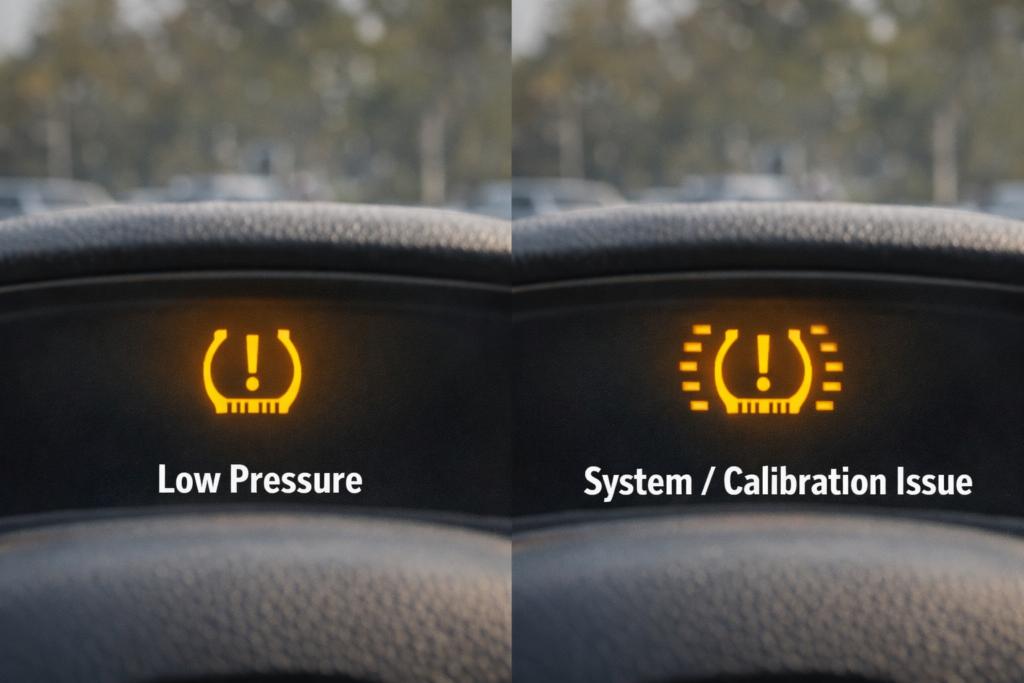
“I followed the steps but the light came back after driving”
This indicates an unresolved pressure issue. Immediately pull over and recheck all tires—you likely have:
– A slow puncture (nail in tread)
– A faulty valve core leaking air
– Temperature-related pressure drop below 25% threshold
Use soapy water on valve stems to detect invisible leaks. Bubbles forming mean you need a valve core replacement ($2 part).
“The TPMS light flashes then stays solid”
This specific sequence (flashing for 90 seconds then steady) means a sensor malfunction, not low pressure. Your Accord detected a non-communicating tire sensor. Causes include:
– Dead sensor battery (typical lifespan: 5-10 years)
– Corroded sensor electronics from road salt
– Impact damage from potholes
Expert Note: Flashing then solid requires professional diagnosis. Don’t attempt resets—your TPMS is in “fault mode” and won’t reset until the sensor issue is fixed.
When You Absolutely Must Visit a Honda Dealer
Sensor Replacement vs. Simple Reset: Critical Differences
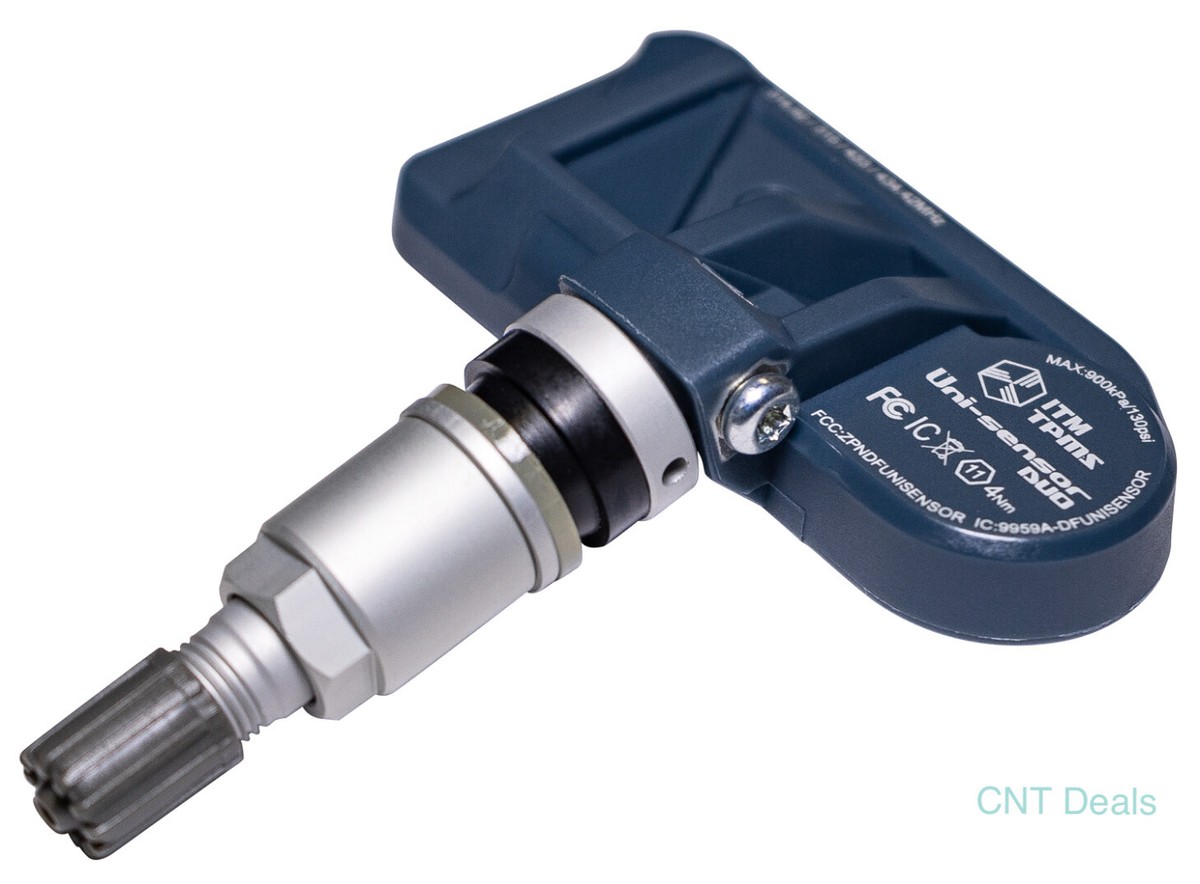
You need dealer service if:
– The TPMS light flashes for 90 seconds then stays on steadily
– One specific tire shows “low” on your Accord’s display (if equipped)
– You installed new tires/wheels and the system won’t recognize them
DIY resets only work for pressure corrections—not hardware failures. Modern Accords require sensor reprogramming after replacement ($50-$100/service). Attempting to “reset” with a dead sensor wastes time and creates dangerous false security.
Cost-Saving Tip: Verify Before Paying for Service
Before scheduling dealer service:
1. Inflate all tires to 40 PSI (temporarily above spec)
2. Perform the reset procedure for your model year
3. Drive 10+ miles above 25 mph
If the light turns off, you had a minor pressure fluctuation. If it returns immediately, you need sensor diagnostics. This simple test prevents unnecessary $100+ service visits.
Preventing Future TPMS Light Activations
Monthly Maintenance Routine to Avoid Dashboard Warnings
- Check pressure every 3 weeks with your own digital gauge (tire gauges at gas stations are often inaccurate)
- Clean valve stems with a wire brush to prevent sensor corrosion
- Note seasonal changes: Tire pressure drops 1 PSI per 10°F temperature decrease
- Rotate tires every 6,000 miles—uneven wear stresses sensors
Pro Tip: Keep a tire inflator/gauge in your trunk. A $20 portable compressor solves 80% of TPMS warnings during road trips.
Understanding TPMS Limitations in Your Honda Accord
Your system has intentional design constraints:
– ❌ Does not measure exact PSI—only detects 25%+ pressure loss
– ❌ Fails in extreme cold (<14°F)—sensors become less responsive
– ✅ Always recalibrates after proper reset—no “permanent disable” option exists
Never ignore a steady TPMS light—it means at least one tire is 25%+ underinflated, creating dangerous heat buildup during highway driving. A 2019 NHTSA study confirmed underinflated tires cause 75,000+ crashes yearly.
Final Steps for Permanent TPMS Light Resolution
Resetting your Honda Accord’s tire pressure light requires precise execution—not just filling tires. Start by verifying actual cold tire pressure against your door jamb sticker, then execute the model-specific reset procedure while the ignition is in accessories mode. If the light persists after correct resetting, investigate sensor malfunctions or slow leaks immediately. Remember that the TPMS light’s purpose is preventing catastrophic tire failure—it’s not an annoyance to eliminate but a safety system to maintain. For 2018-2020 models, use the steering wheel controls without starting the engine; for 2021-2023, hit that dashboard SET button within 10 seconds of turning ignition on. Monthly pressure checks and seasonal adjustments will keep the warning off your dashboard. If flashing occurs, schedule dealer service—your sensors need attention. Your Accord’s TPMS is engineered for safety, not convenience. Respect its warnings, reset it correctly when pressures are verified, and you’ll drive with confidence knowing your tires are protected. Keep this guide handy for quick reference, and consider bookmarking Honda’s official tire care page for model-specific diagrams.