You’ve just rotated your tires or replaced a flat, but now your dashboard keeps showing that annoying tire pressure warning light. It’s blinking, it won’t go away, and you know it’s not because your tires are actually low—after all, you just checked them. This common frustration happens because your vehicle’s tire pressure monitoring system (TPMS) needs resetting after any tire service. Without properly setting your tire pressure sensors, that warning light will continue to illuminate, potentially masking real safety issues with your tires. In this guide, you’ll learn why resetting your tire pressure sensors matters, when you need to do it, and the specific procedures for various vehicle types—so you can eliminate that persistent warning light and ensure your safety system functions correctly.
Why Your Tire Pressure Sensor Reset Fails After Service
Most drivers don’t realize that simply inflating tires to the correct PSI isn’t enough to clear the TPMS warning light after tire service. When you rotate, replace, or repair tires, the vehicle’s computer loses track of each sensor’s position. Your car’s system needs to “relearn” which sensor corresponds to which wheel position. This relearning process is critical because modern vehicles use this information not just for pressure alerts but also for stability control systems. If you skip the reset procedure, your vehicle might display false warnings or fail to detect actual pressure problems. The good news is that most reset procedures take less than five minutes and can be done without special tools for many vehicles.
Standard Tire Pressure Sensor Reset Methods by Vehicle Type
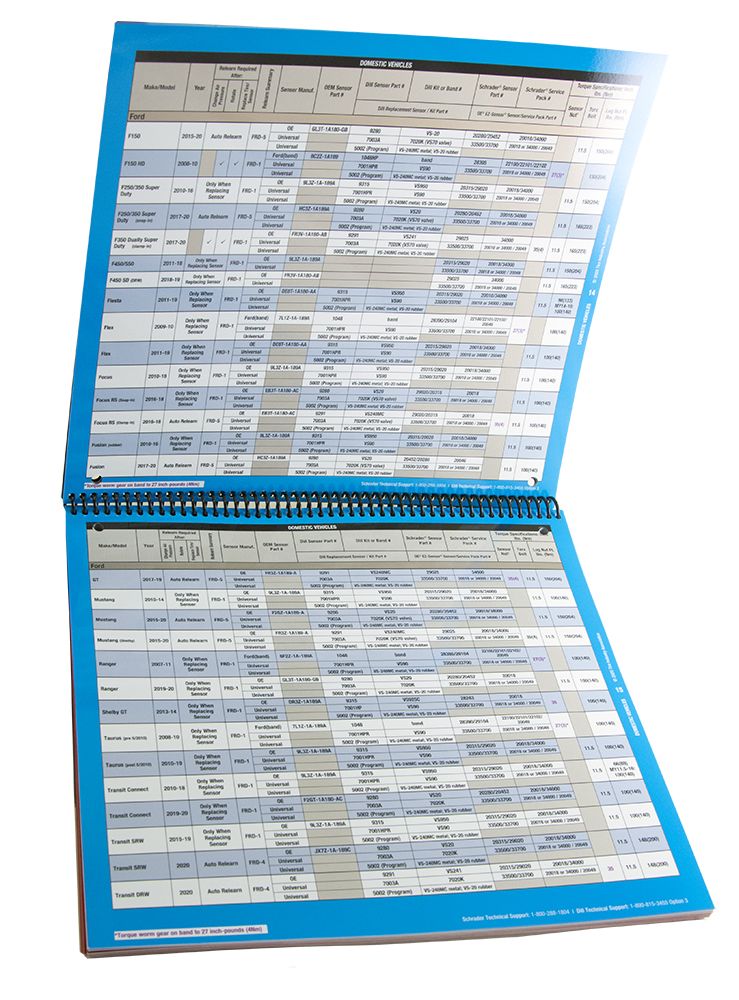
Domestic Vehicle Reset Procedures (GM, Ford, Chrysler)
American automakers typically use similar reset sequences that don’t require diagnostic tools. For most GM vehicles (Chevrolet, Buick, Cadillac, GMC), you’ll need to:
- Ensure all tires are inflated to the manufacturer’s recommended pressure (found on the driver’s side door jamb sticker)
- Turn the ignition to the “ON” position without starting the engine
- Locate the TPMS reset button (usually beneath the steering wheel)
- Press and hold the button until the TPMS light flashes three times
- Drive the vehicle above 25 mph for approximately 10 minutes to complete the sensor relearning process
Ford vehicles generally follow a similar pattern but may require accessing the reset function through the steering wheel controls or infotainment system. Chrysler models often use a “drive cycle” method where you drive at specific speeds for set durations to trigger automatic sensor relearning.
Import Vehicle Sensor Programming (Toyota, Honda, Nissan)
Japanese manufacturers frequently incorporate more complex reset sequences that may require specific timing. For Toyota and Lexus models:
- Inflate all tires to 3 PSI above recommended pressure
- Turn ignition to “ON” position
- Press and hold the TPMS button until the light blinks slowly
- Reduce pressure in the driver’s side front tire first, followed by passenger front, driver rear, and passenger rear
- The system recognizes each tire as you deflate it to the proper pressure
- Complete the sequence by driving above 15 mph for 10 minutes
Honda vehicles often require a different approach using the vehicle information screen. You’ll typically navigate through the menu system to find the TPMS initialization option after ensuring proper tire inflation.
European Luxury Vehicle Sensor Calibration (BMW, Mercedes, Audi)
German automotive manufacturers typically require more sophisticated procedures that often benefit from diagnostic tools. BMW models with iDrive systems usually need:
- Accessing the vehicle settings menu
- Selecting “Vehicle” then “TPMS” options
- Choosing “Initialize” or “Reset” from the submenu
- Confirming the action and driving according to system prompts
Many Mercedes-Benz models require activating a hidden menu by pressing specific button combinations on the steering wheel before reaching 20 mph. Audi vehicles frequently incorporate a relearn procedure that must be completed within a specific timeframe after tire service.
When You Need Specialized Tools for Tire Pressure Sensor Setup
Aftermarket Sensor Installation Requirements
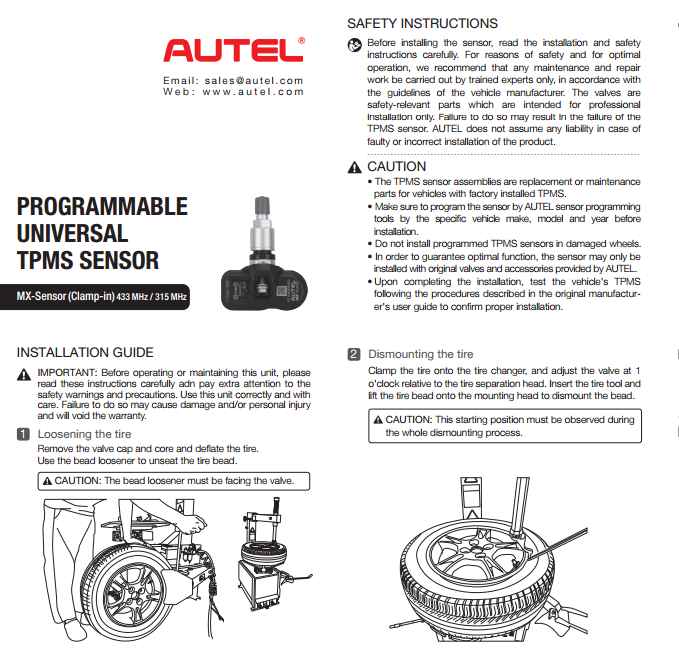
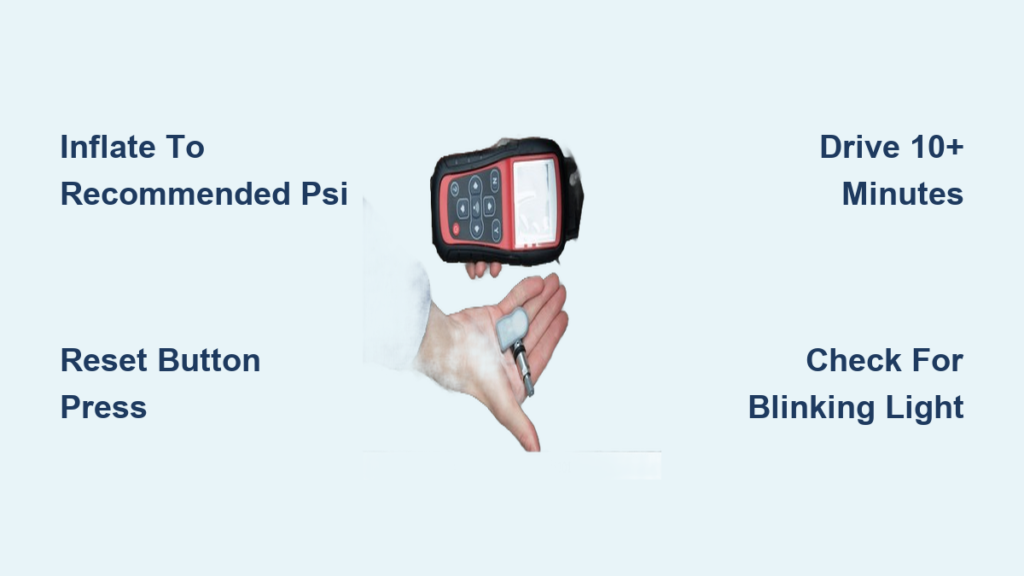
If you’ve installed new aftermarket TPMS sensors, standard reset procedures won’t work—you’ll need specialized programming tools. Aftermarket sensors come uninitialized and require:
- A TPMS programming tool to activate the sensor
- Matching the sensor’s unique ID to your vehicle’s computer
- Setting the correct pressure calibration values
- Completing a relearn procedure specific to your vehicle
Most professional tire shops have these tools, but DIY enthusiasts can purchase entry-level programmers for $50-$150 that work with multiple vehicle makes.
Dealer-Only Reset Procedures for Certain Models
Some newer vehicles, particularly luxury models from 2020 onward, have moved to systems that require dealer-level diagnostic equipment for sensor resets. These include:
- Certain Volvo models with integrated safety systems
- Newer Land Rover and Jaguar vehicles
- Some high-end Mercedes models with advanced driver assistance
If your vehicle falls into this category, you’ll typically see error messages indicating “TPMS initialization failed” when attempting standard reset procedures. In these cases, professional service may be necessary unless you invest in expensive diagnostic equipment.
Step-by-Step Guide to Manual Tire Pressure Sensor Reset Without Tools
Universal Basic Reset Procedure
For most vehicles manufactured before 2018, this universal method works when you don’t have specialized tools:
- Verify proper tire inflation – Check each tire with an accurate gauge against the manufacturer’s recommended pressure
- Turn ignition to “ON” but don’t start – Power up the vehicle’s systems without engaging the engine
- Locate reset button – Typically under the steering column or in the glove compartment
- Initiate reset sequence – Press and hold until TPMS light blinks (usually 3-5 seconds)
- Complete drive cycle – Drive steadily between 15-45 mph for 10-20 minutes
Pro Tip: If you don’t have a reset button, try this alternative: Turn ignition on/off three times quickly, then start the vehicle and drive normally. Many GM vehicles recognize this sequence.
Troubleshooting Failed Reset Attempts
When your reset procedure doesn’t work, check these common issues:
- Inconsistent tire pressures – Even 2 PSI difference between tires can prevent successful reset
- Dead sensor batteries – TPMS sensors have 5-10 year lifespans; old batteries won’t transmit signals
- Incorrect reset sequence timing – Many systems require specific timing between steps
- Aftermarket wheels interfering – Some wheel designs block sensor signals
Warning: Never ignore a persistent TPMS light after reset attempts. This could indicate a faulty sensor that needs replacement, leaving you without critical low-pressure warnings.
Preventing Future Tire Pressure Sensor Issues
Regular Maintenance Practices
To avoid recurring TPMS problems:
- Check tire pressures monthly with a reliable gauge
- Inspect valve stems for damage during tire rotations
- Replace valve core seals annually (they’re inexpensive but critical)
- Clean sensor mating surfaces when rotating tires
Recognizing When Sensors Need Replacement
Most TPMS sensors last 5-10 years before battery depletion. Warning signs include:
- TPMS light illuminating randomly despite proper inflation
- Delayed warning responses to pressure changes
- Complete failure to reset after multiple attempts
- Dashboard displaying “TPMS fault” or similar message
Expert Note: When replacing sensors, always choose OEM or OE-equivalent quality. Cheap aftermarket sensors often have compatibility issues and shorter lifespans.
When to Seek Professional TPMS Service
While many reset procedures can be done DIY, certain situations warrant professional help:
- After collision damage that might have affected wheel sensors
- When installing winter tires with separate TPMS sensors
- If your vehicle requires specialized programming equipment
- When experiencing persistent reset failures despite correct procedures
A qualified tire technician can diagnose specific sensor issues, program new sensors correctly, and verify system functionality with professional equipment—often for less than $50.
Final Note: Properly setting your tire pressure sensors ensures your vehicle’s safety systems function as designed. While methods vary by manufacturer, most standard reset procedures can be completed in under 15 minutes with no special tools. Remember that maintaining accurate tire pressure not only keeps your TPMS functioning properly but also improves fuel economy, extends tire life, and most importantly, keeps you safe on the road. When in doubt about your specific vehicle’s requirements, consult your owner’s manual for manufacturer-approved reset procedures tailored to your exact model.