If your Hyundai Palisade’s tire pressure warning light has illuminated, you’re probably searching for a reliable way to reset it. This guide explains the general reset procedures applicable to most Hyundai models, what the different light patterns mean, and crucial next steps when the light persists. Understanding how to properly address this warning ensures your vehicle’s safety systems function correctly and keeps you informed about tire conditions while driving.
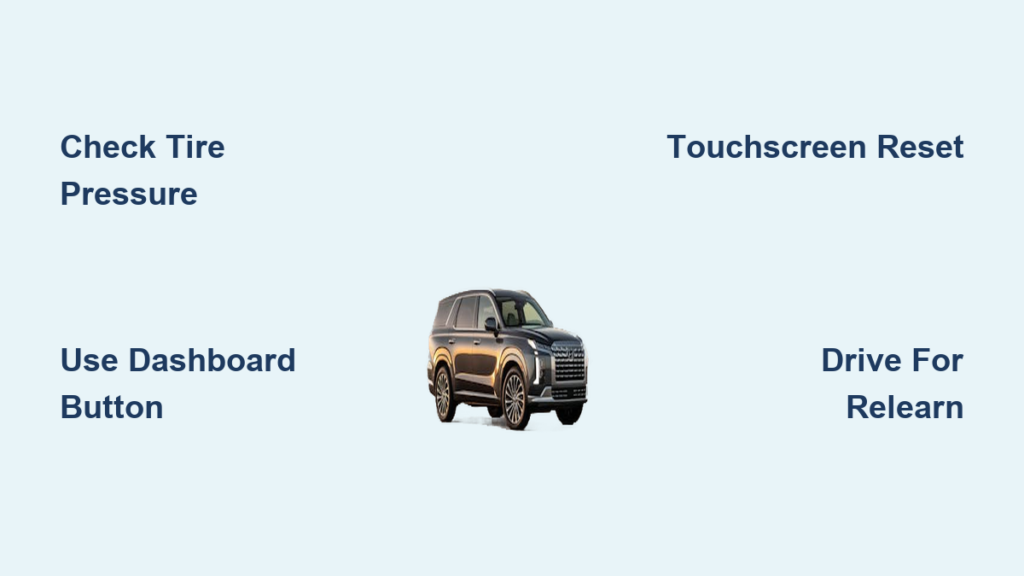
Before attempting any reset procedure, your first critical step must be checking and adjusting all four tires to the manufacturer’s recommended inflation pressure. The TPMS light typically illuminates because one or more tires are significantly underinflated, and resetting without addressing this underlying issue defeats the entire purpose of the safety system. Hyundai provides specific pressure recommendations for the Palisade, usually found on a sticker inside the driver’s door jamb or in your owner’s manual.
Verify Correct Tire Pressure Before Resetting
The TPMS warning light on your Palisade appears as a flat tire symbol with an exclamation point, serving as your vehicle’s early warning system for potential tire problems. When this indicator illuminates, it generally means tire pressure has fallen below the recommended threshold—typically by 25% or more below the specified PSI value. Before attempting any reset, visually inspect all four tires for obvious damage or punctures, then use a reliable tire pressure gauge to check each tire’s actual pressure.
If you discover underinflated tires, inflate them to the correct pressure level before proceeding with any reset attempt. Most Hyundai Palisade models require 35 PSI for both front and rear tires when carrying normal loads, though this specification may vary based on wheel size and trim level. After inflating tires to the proper level, you can attempt the reset procedure. Never skip this pressure verification step, as resetting with underinflated tires creates a dangerous driving condition while disabling this important safety feature.
Standard Dashboard Button Reset Procedure
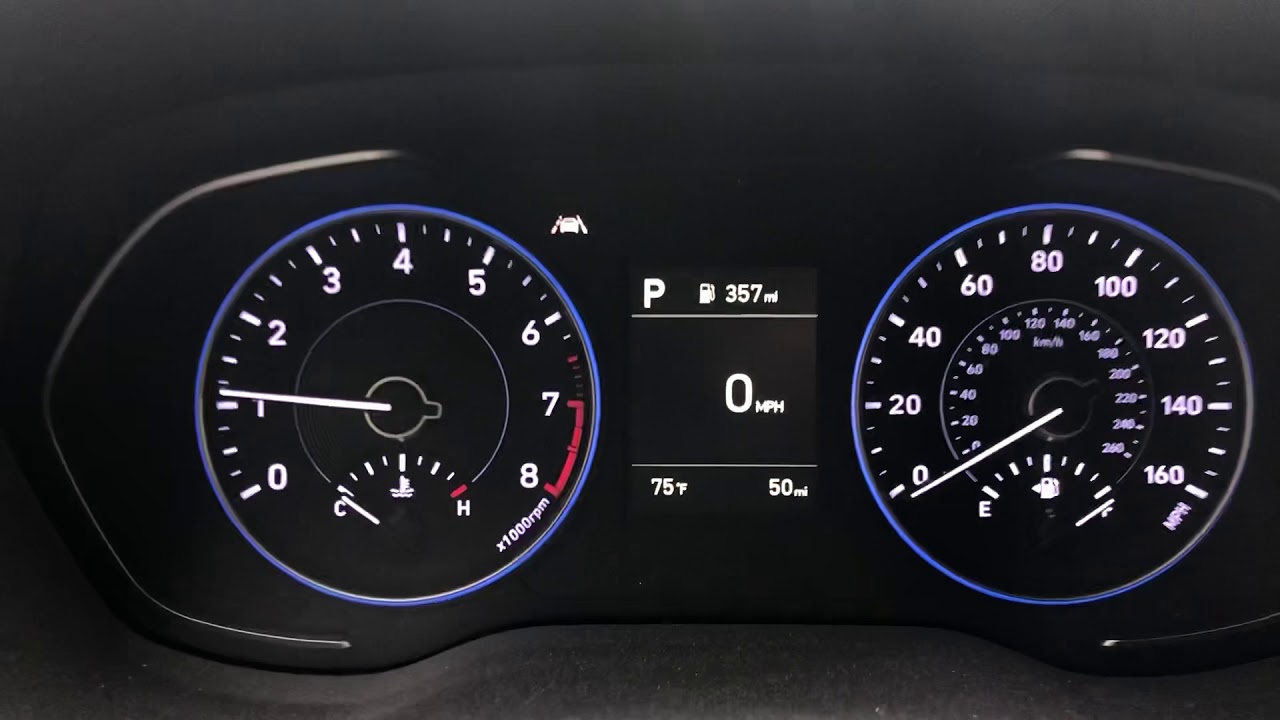
For most Hyundai models including the Palisade, the primary reset method involves using the TPMS reset button located beneath the steering column on the driver’s side. To perform this reset:
- Park your Palisade on level ground with the ignition in the ON position (engine off)
- Locate the small reset button typically positioned to the left of the steering wheel
- Press and hold this button until the tire pressure indicator light begins to flash
- Release the button after you see the flashing pattern (usually 2-3 seconds)
- The light should transition from flashing to steady illumination briefly before turning off
This flashing pattern indicates the system has entered relearn mode, storing the current pressure readings as the new baseline reference points. If your Palisade model doesn’t have a physical reset button—particularly newer trims with advanced infotainment systems—the reset function may be integrated into the vehicle’s touchscreen interface instead.
Infotainment System Reset Method for Newer Palisade Models
For Palisade models equipped with the navigation-based infotainment system, resetting the tire pressure light typically requires navigating through the vehicle settings menu:
- Start the engine and ensure the vehicle is stationary
- Access the main menu on your touchscreen display
- Navigate to “Vehicle Settings” (usually represented by a gear icon)
- Scroll to find “Tire Pressure” or “TPMS” settings
- Select “TPMS Reset” or similar option
- Confirm the reset when prompted by the system
The system may require you to verify that all tires are properly inflated before proceeding. After confirming, the screen should display a confirmation message, and the TPMS warning light should extinguish within seconds. If you cannot locate the TPMS reset option, consult your owner’s manual for the specific menu structure applicable to your Palisade’s infotainment software version, as menu hierarchies vary between software updates.
Interpreting TPMS Light Patterns Correctly

The behavior of your Palisade’s TPMS indicator provides critical diagnostic information beyond simple low pressure warnings. A steady illumination of the tire pressure symbol indicates one or more tires is significantly underinflated—this is the most common scenario that typically resolves after proper inflation and reset. However, if the light flashes rapidly for approximately 60-90 seconds before transitioning to steady illumination, this pattern signals a malfunction within the TPMS system itself rather than an actual tire pressure problem.
When the TPMS light exhibits this flashing pattern followed by steady illumination, the system has detected a sensor failure, communication error between sensors and the vehicle’s computer, or battery depletion in one of the tire pressure sensors. These situations require professional diagnostic equipment to pinpoint the exact failing component, as standard reset procedures won’t resolve underlying sensor or system malfunctions.
Temperature fluctuations can also trigger the TPMS light even when tire pressure was recently adjusted. As ambient temperatures drop significantly—particularly during seasonal transitions—air inside tires contracts, creating lower pressure readings that may fall below the system’s activation threshold. This is why manufacturers recommend checking tire pressure when tires are “cold” (the vehicle has been stationary for at least three hours or driven less than one mile).
Troubleshooting When the Light Won’t Reset

If you’ve attempted the reset procedure but the TPMS light remains illuminated, several factors could be preventing successful reset:
- Inaccurate pressure readings: Double-check each tire with a calibrated gauge, as onboard displays may not provide readings accurate enough for the system’s strict thresholds
- Sensor battery depletion: TPMS sensors contain batteries designed to last 5-7 years; when these fail, sensors can no longer transmit pressure data
- Electrical interference: Recent battery service or electrical work can disrupt sensor communication
- Faulty sensor: Physical damage from road hazards or improper tire service can disable individual sensors
Critical troubleshooting step: Drive your Palisade for 10-15 minutes at speeds above 15 mph after inflating tires and attempting reset. The system requires vehicle movement to complete the sensor relearning process, and many owners mistakenly believe the reset failed when they simply haven’t driven far enough for the system to update.
When Professional Service Becomes Necessary
When owner-performed reset procedures fail to extinguish the TPMS warning light after multiple verified attempts, professional assistance becomes necessary. Hyundai dealerships use specialized diagnostic equipment that connects directly to your Palisade’s onboard computer system, allowing technicians to retrieve specific error codes pinpointing exactly why the tire pressure monitoring system is reporting a fault.
The cost of professional TPMS diagnosis typically ranges from minimal to moderate, with many dealers including basic system checks as part of routine service visits. If your Palisade remains under warranty, sensor replacements and related repairs may be covered at no additional cost. Even out-of-warranty vehicles benefit from professional assessment, as technicians can quickly determine whether you need a simple sensor replacement or if the issue involves more complex components.
Independent automotive service centers with Hyundai-specific expertise also offer TPMS diagnostic services using aftermarket scan tools capable of reading Hyundai-specific codes. When selecting a service provider, verify they have specific experience with Hyundai Palisade models, as TPMS configurations vary significantly between manufacturers and even between different models within the same brand.
Essential TPMS Maintenance Practices
Proactive maintenance minimizes TPMS-related issues and ensures reliable operation of your Palisade’s tire pressure monitoring system. Check tire pressure at least monthly and before long trips using a quality handheld gauge—not relying solely on gas station air pumps, which often provide inaccurate readings due to calibration drift.
Seasonal pressure adjustments help prevent temperature-related TPMS activations. As a general guideline, tire pressure changes by approximately 1 PSI for every 10-degree Fahrenheit change in ambient temperature. Consider maintaining slightly higher pressure during winter months to account for temperature-related pressure loss, while staying within manufacturer specifications.
When replacing tires, ensure the new rubber is compatible with your Palisade’s TPMS sensors and that the shop properly handles sensor transfer. Request that the service center perform a TPMS system check after any tire service to verify all sensors function correctly and the system successfully relearns the new tire positions.
Critical Final Considerations
Resetting the tire pressure light on your Hyundai Palisade requires proper tire inflation first, followed by the correct reset procedure for your specific model year. Never ignore a persistent TPMS warning light, as it could indicate a serious safety issue with your tires or the monitoring system itself. If repeated reset attempts prove unsuccessful or if the light exhibits unusual behavior like persistent flashing, schedule service with your Hyundai dealer immediately.
Your Palisade’s TPMS is a critical safety feature designed to prevent accidents caused by underinflated tires, which can lead to poor handling, increased stopping distances, and potential blowouts. Taking the time to properly address TPMS warnings ensures this important system continues protecting you and your passengers during every journey. Always consult your official Palisade owner’s manual for model-specific procedures, as reset methods can vary between model years and trim levels.