When your Ford F150’s tire pressure monitoring system (TPMS) warning light comes on, it’s natural to want to address the issue quickly. Many truck owners consider replacing the tire pressure sensor themselves to save on dealership costs. However, without access to specific technical documentation for your exact F150 model year, attempting this repair requires caution and awareness of important limitations.
Unlike simpler automotive tasks, tire pressure sensor replacement involves precise procedures that vary significantly across Ford F150 model years. The 2015 model requires different steps than a 2020 or 2023 F150, and using incorrect methods could lead to persistent warning lights, improper sensor registration, or even damage to your vehicle’s sensitive electronics. This guide will help you understand the general process while emphasizing where professional assistance might be necessary when specific documentation isn’t available.
Recognizing When You Need a New Tire Pressure Sensor
Identifying Common TPMS Failure Symptoms
Your Ford F150’s tire pressure monitoring system alerts you through several telltale signs that indicate potential sensor issues. The most obvious is the illuminated TPMS warning light on your dashboard, which typically appears as a yellow exclamation point inside a tire cross-section symbol. This light might stay steadily illuminated or flash, with flashing often indicating a more serious system malfunction beyond simple low tire pressure.
You might also notice inconsistent readings between your actual tire pressure (measured with a gauge) and what’s displayed on your dashboard. Some F150 owners report that their TPMS light comes on only when driving at certain speeds or after the vehicle has been parked for extended periods. These intermittent issues often point to failing sensors rather than actual tire pressure problems.
Determining If Replacement Is Necessary
Before replacing sensors, rule out simpler causes. Check all tires with a reliable pressure gauge when they’re cold (meaning the vehicle hasn’t been driven for at least three hours). Inflate tires to the manufacturer’s recommended pressure, usually found on the driver’s side door jamb. Drive for 10-15 minutes above 20 mph to allow the system to reset. If the warning light persists after this process, sensor replacement may be needed.
Keep in mind that tire pressure sensors typically last 5-10 years depending on usage and environmental conditions. If your F150 is approaching this age range and experiencing TPMS issues, sensor failure becomes increasingly likely as the internal batteries deplete.
Essential Pre-Replacement Considerations

Model Year Specific Challenges
The exact procedure for replacing tire pressure sensors varies considerably between Ford F150 generations. Newer models (2018 and later) often feature more integrated systems that require specialized programming after sensor installation, while older models might use simpler protocols. Without knowing your specific model year, you risk encountering unexpected complications during the replacement process.
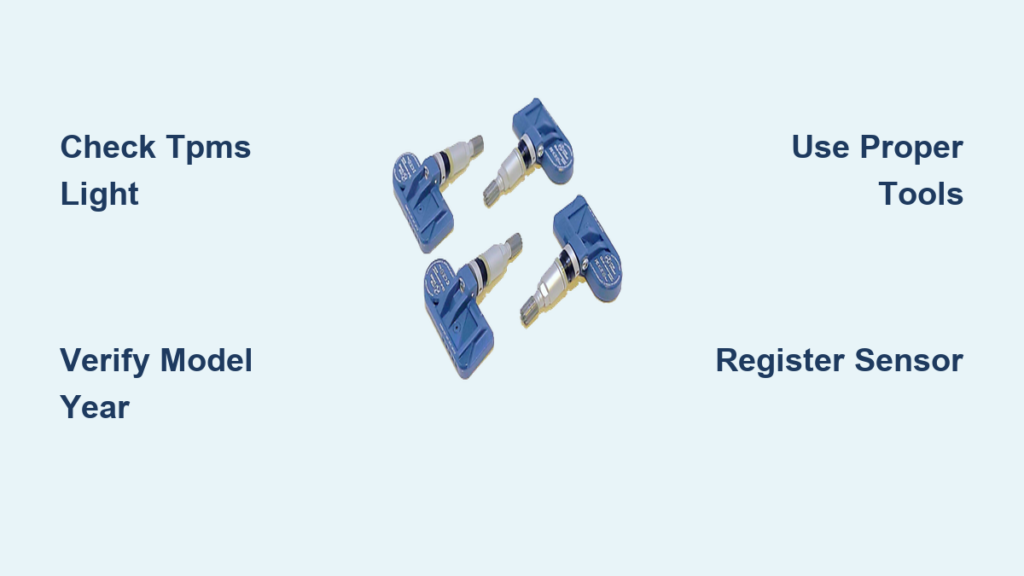
Different F150 trims may also use varying sensor types and placements. Some models incorporate the sensors into the valve stem assembly, while others use band-mounted sensors inside the wheel. Attempting replacement without confirming your specific configuration could lead to purchasing incompatible parts or damaging components during removal.
Required Tools and Equipment Limitations
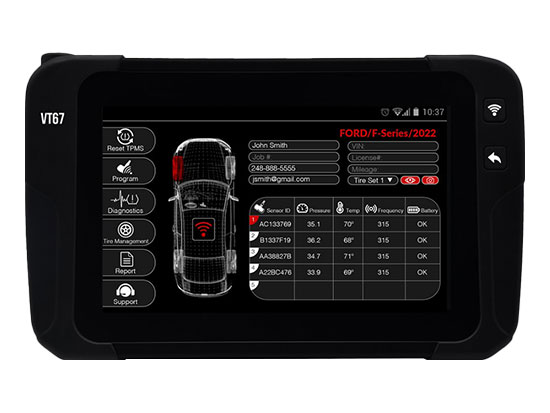
Replacing tire pressure sensors typically requires specialized tools that many DIYers don’t have in their home garages. At minimum, you’ll need a torque wrench capable of precise measurements (usually 80-100 inch-pounds), valve core tool, and TPMS programming tool. Some newer F150 models require expensive diagnostic equipment to register new sensors with the vehicle’s computer system.
Without proper documentation, determining the exact torque specifications becomes problematic. Over-tightening sensor valves can damage the aluminum wheel or sensor housing, while under-tightening leads to slow air leaks. The consequences of guessing these critical specifications could mean repeated trips to the tire shop or expensive wheel repairs.
General Replacement Process Overview
Preparing for the Replacement
Before beginning any work, ensure you have a safe workspace with proper jack stands – never rely solely on a hydraulic jack when working under your vehicle. Consult your owner’s manual for the correct jacking points, as improper placement can damage your F150’s frame. Gather all necessary tools and have your replacement sensors ready, though without specific documentation, confirming they’re the correct type for your model year remains challenging.
Important safety note: Tire pressure sensors contain small lithium batteries that can pose fire hazards if damaged during removal. Always wear safety glasses and handle removed sensors carefully, avoiding punctures or crushing.
Step-by-Step Replacement Guidance
-
Deflate the tire completely by pressing the valve core with a valve tool. This prevents sensor damage during removal from the wheel.
-
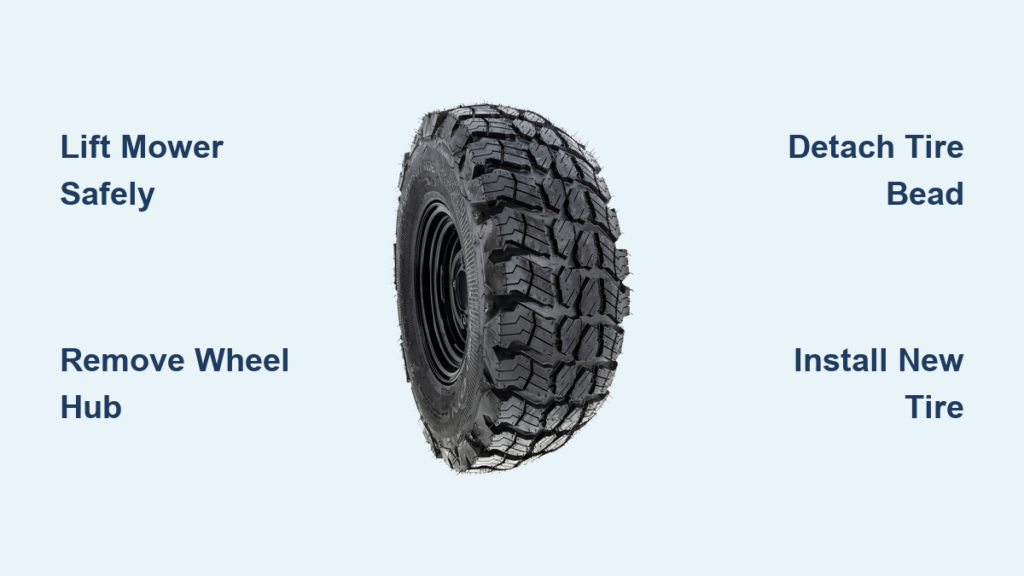
Remove the wheel following standard procedures for your F150. Loosen lug nuts slightly before raising the vehicle, then fully remove them once safely supported by jack stands.
-
Break the tire bead from the wheel using appropriate techniques. This step often requires professional equipment, as improper bead separation can damage both the tire and wheel.
-
Locate and remove the sensor – typically found mounted inside the wheel on the valve stem or attached with a metal band. Without specific documentation, identifying the exact mounting method for your model year is difficult.
-
Install the new sensor following manufacturer specifications for torque and sealant application. Guessing these values risks air leaks or sensor damage.
-
Reassemble the tire and wheel, ensuring proper bead seating before inflating to recommended pressure.
Critical Post-Replacement Procedures
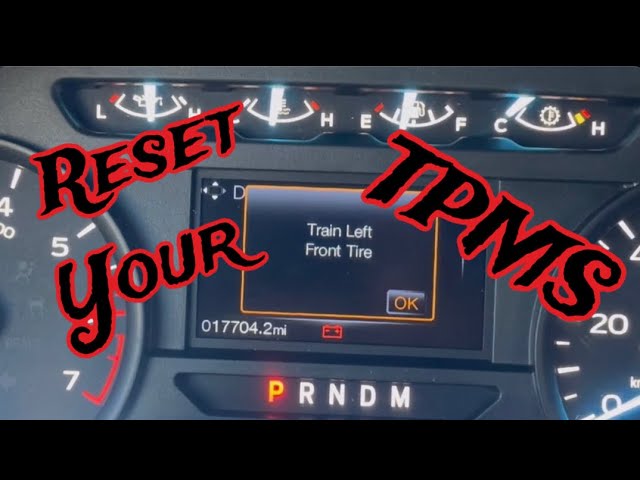
Sensor Registration Challenges
This is where many DIYers encounter significant hurdles without proper documentation. Most Ford F150 models require sensor registration after replacement, but the exact procedure varies by model year:
- Older models (pre-2015) might automatically recognize new sensors after driving
- Mid-generation models (2015-2019) often require a specific sequence of button presses
- Newer models (2020+) typically need specialized diagnostic equipment
Without the correct registration process for your specific F150, the TPMS warning light will likely remain illuminated despite successful sensor replacement. Many owners mistakenly believe the sensor is faulty when actually it simply hasn’t been properly registered with the vehicle’s computer system.
Testing and Verification
After completing the replacement and registration process, test your work thoroughly. Drive your F150 for at least 15 minutes at various speeds to allow the system to calibrate. Check that the TPMS warning light has extinguished and verify that pressure readings match those from your handheld gauge. Some F150 models display individual tire pressures on the dashboard – confirm these readings appear accurate.
If the warning light returns or displays inconsistent readings, the sensor may not be properly seated, could be incompatible with your model, or might require additional registration steps specific to your F150’s year and trim.
When to Seek Professional Assistance
Recognizing Complex Situations
Certain circumstances strongly indicate the need for professional service rather than DIY replacement:
- If your F150 has recently undergone other electronic work (like battery replacement)
- When multiple sensors need replacement simultaneously
- If you’ve already attempted replacement without success
- When your model requires specialized programming equipment
Dealerships and specialized tire shops have the Ford-specific diagnostic tools needed to properly register sensors on newer models. They can also verify that the replacement sensors are fully compatible with your specific F150 configuration.
Cost-Benefit Analysis
While DIY replacement seems cost-effective initially, consider the total investment: specialized tools (often $100+), potential damage from incorrect procedures, and time spent troubleshooting. For many F150 owners, professional installation at a reputable tire shop provides better value when factoring in tool costs, potential mistakes, and the expertise required for proper system registration.
Final Note: Without access to specific technical documentation for your exact Ford F150 model year, this guide provides only general information about tire pressure sensor replacement. The precise procedures, torque specifications, and registration methods vary significantly across model years. For accurate, model-specific instructions, consult your vehicle’s service manual or contact a Ford dealership with your VIN to obtain the correct procedures for your specific truck. Proper tire pressure monitoring is critical for safety, handling, and tire longevity – when in doubt, seek professional assistance to ensure your F150’s TPMS functions correctly.