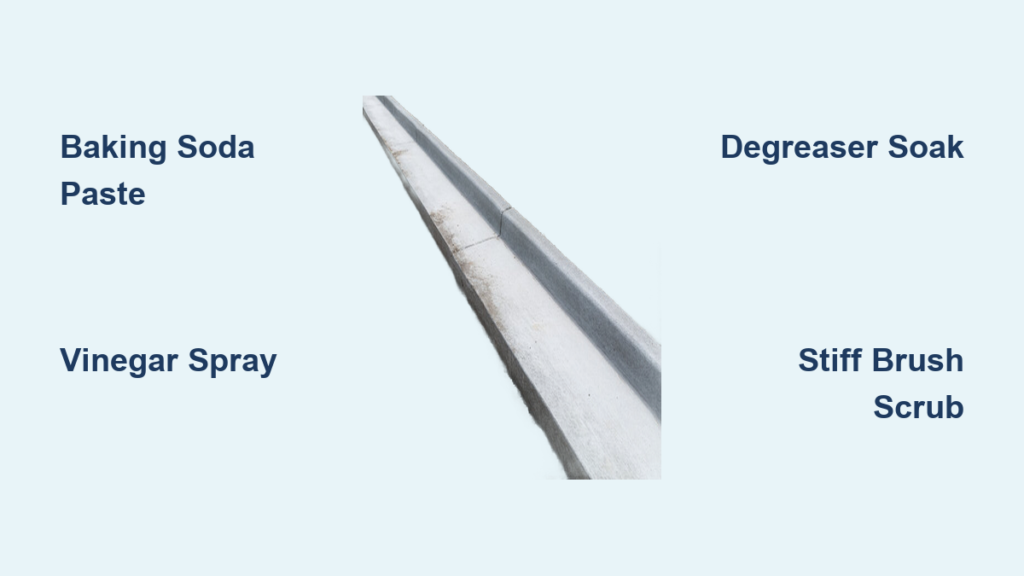
Your concrete curb was pristine last week, but now dark, unsightly tire marks mar its surface—likely from delivery vehicles, your own car, or neighborhood traffic. These stubborn black streaks transform a clean concrete curb into an eyesore that diminishes your property’s curb appeal almost overnight. The good news? Most tire marks on concrete can be removed with the right approach, whether you’re dealing with fresh scuffs or years of accumulated residue. This guide delivers proven techniques ranging from simple household remedies to professional-grade solutions, helping you restore your concrete curb to its original condition without wasting time on ineffective methods.
Tire marks form through plasticizer migration—a process where heat softens compounds in rubber tires, causing them to transfer onto concrete surfaces. Higher-quality tires actually leave more noticeable marks because they contain greater quantities of plasticizer for improved traction and flexibility. Fresh marks respond readily to mild treatments, while older, sun-baked stains may require multiple applications or stronger chemicals. By identifying your specific situation and matching it with the appropriate cleaning method, you can achieve professional results without unnecessary expense.
Why Your Concrete Curb Shows Tire Marks So Clearly
Tire marks become visible on concrete when hot tires transfer rubber compounds onto the surface. As vehicles drive, their tires generate significant heat, causing plasticizers—polymer compounds added to rubber for flexibility—to soften and leach out. When these hot tires contact your concrete curb, the softened compounds migrate into the porous surface, leaving behind dark, persistent streaks.
New concrete curbs show tire marks most prominently due to their smooth, light-colored surface that makes rubber residue highly visible. The porosity of your concrete determines how deeply marks penetrate—more porous surfaces allow faster infiltration, making removal more challenging. Marks that have baked in the sun for weeks or months become increasingly set-in, often leaving ghosted shadows even after thorough cleaning. High-traffic areas accumulate multiple layers over time, with some surfaces showing five or more years of residue that requires intensive treatment.
Quick Fixes for Fresh Tire Marks on Concrete
Before investing in commercial products, try these household solutions that work effectively on marks less than a week old. These methods use common items found in most homes and can save you money while delivering impressive results.
Baking Soda Paste Removes Light Streaks in 15 Minutes
Mix 3 parts baking soda with 1 part water to form a thick paste, apply directly to the tire mark, and let it sit for 10-15 minutes. The mild alkalinity breaks down rubber residue without damaging concrete. After soaking, scrub vigorously with a stiff-bristled brush using circular motions, then rinse thoroughly with clean water. This method works best on fresh marks (less than 48 hours old) and can be completed in under 20 minutes with minimal effort.
Vinegar and Baking Soda Combination for Moderate Marks
Spray white vinegar directly onto the mark, then sprinkle baking soda over the wet area to create a fizzing reaction that lifts embedded rubber particles. Let the mixture bubble for 10-15 minutes, scrub with a stiff brush, and rinse completely. For best results, cover the treated area with plastic wrap during the soaking period to prevent premature drying—this technique removes 70-80% of moderate marks in one application.
Commercial Products That Eliminate Stubborn Tire Marks
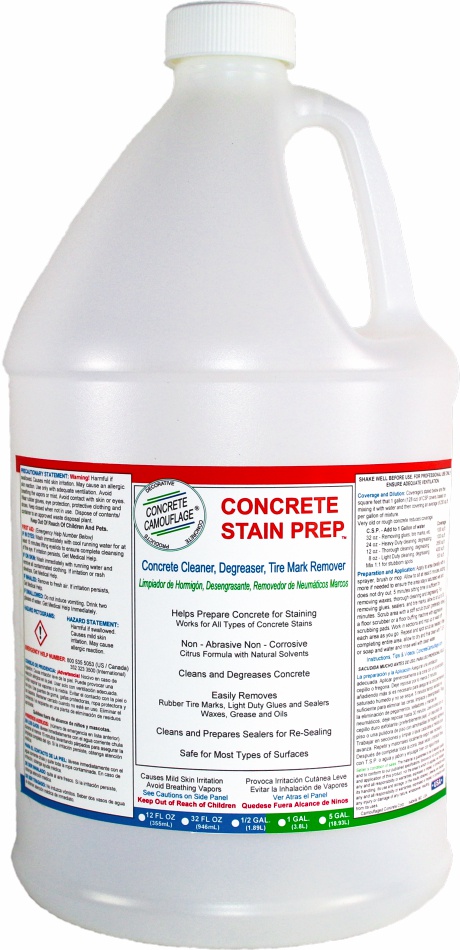
When DIY methods fall short, these commercial cleaning products deliver professional results for residential concrete curbs with minimal equipment.
Concrete Degreasers Deliver Reliable Results in 30 Minutes
Products like CSP Degreaser penetrate rubber residue effectively for normal tire marks. Apply generously to the affected area and allow it to sit for 30 minutes—critical tip: keep the surface saturated by adding more product as needed to prevent drying. During warmer months, work early in the morning when sun exposure is minimal. After soaking, scrub aggressively with a stiff brush and rinse thoroughly with a power washer or garden hose. Most residential curbs show dramatic improvement after one application, though heavily stained areas may require a second treatment.
Citrus-Based Cleaners Provide Eco-Friendly Tire Mark Removal
Natural Orange and similar citrus cleaners contain natural solvents that break down rubber residue without harsh chemicals. Apply to the mark, let sit for 10-15 minutes, scrub with a stiff brush, and rinse completely. These products work particularly well on older concrete curbs and are safe for surrounding vegetation—ideal for environmentally conscious homeowners. While slightly less potent than petroleum-based degreasers, they remove most marks with two applications and minimal environmental impact.
Step-by-Step Professional Cleaning Process
Follow this systematic approach for maximum effectiveness when tackling stubborn tire marks on concrete curbs.
Prepare the Area Before Applying Any Cleaner
Remove all items near your concrete curb and cover anything that might get splashed during cleaning. Protect nearby plants by spraying them with water first and covering with plastic sheeting—many cleaning products can damage vegetation if not properly contained. Sweep the curb thoroughly to remove loose debris that would interfere with cleaner penetration. This preparation takes 5-10 minutes but prevents accidental damage and ensures better cleaning results.
Apply Degreaser with Proper Soak Time and Scrubbing Technique
Pour concrete degreaser directly onto the tire marks and allow it to sit for the full 30 minutes—do not let it dry out, as this renders the product ineffective. Reapply as needed to maintain saturation, especially on hot days. While the degreaser soaks, work it into the concrete pores using a stiff-bristled brush with firm circular motions. For best results, scrub at a 45-degree angle to maximize mechanical action against the embedded rubber residue. This technique typically removes 90% of even moderately set-in marks with proper execution.
Special Considerations for Different Concrete Surfaces

New Concrete Curbs Require Gentle Treatment
Avoid power washers on new concrete (less than 6 months old), as high pressure can cause pitting or surface damage. Test any cleaning solution on a small, inconspicuous area first to ensure it won’t etch or discolor the fresh surface. Start with baking soda paste or mild dish soap before progressing to stronger commercial cleaners. New concrete’s smooth surface makes marks highly visible but also allows easier removal before deep penetration occurs—act quickly for best results.
Sealed Concrete Needs Special Product Selection
Most concrete degreasers also strip concrete sealers, so understand that aggressive cleaning may require resealing afterward. For regular maintenance on sealed curbs, use mild detergents like dish soap, 409, or Fantastic that won’t compromise the protective coating. If you plan to reseal anyway, CSP degreaser works effectively but requires complete rinsing before new sealer application—typically 24-48 hours drying time between steps.
Preventing Future Tire Marks on Concrete
Implement Regular Maintenance Cleaning Schedule
Hose off and clean affected areas weekly to prevent heavy accumulation of rubber residue. The longer tire marks remain on the surface, the more deeply they penetrate—address fresh marks within 48 hours for easiest removal. A quick 5-minute rinse after noticing new marks saves hours of intensive cleaning later and maintains your curb’s appearance with minimal effort.
Install Protective Barriers in High-Traffic Areas
Place rubberized driveway mats under tires where vehicles regularly park to create a physical barrier. These mats catch rubber residue and can be removed and cleaned separately, extending the time between deep cleanings of your concrete curb. For delivery zones or frequent parking spots, consider permanent rubber curb protectors that blend with your landscape while preventing direct tire contact with concrete.
Safety Precautions for Tire Mark Removal
Always wear rubber gloves when handling cleaning chemicals to protect your skin from irritation. Use eye protection during application to prevent accidental splashes. Ensure adequate ventilation when working with solvents like brake cleaner or citrus degreasers. Never mix different cleaning chemicals, as dangerous reactions can occur—stick to one product per cleaning session. For large jobs, work in sections to maintain control over the cleaning process and prevent runoff into storm drains.
When Professional Help Becomes Necessary
Some tire marks prove so stubborn that cleaning alone cannot restore satisfactory appearance. If you’ve tried multiple methods over several weeks with minimal improvement, consider professional restoration. Commercial concrete cleaning services have access to industrial-strength solvents like Xylene and specialized equipment that delivers results unattainable with consumer products. For chronically stained curbs, stripping and resealing provides a permanent solution that also enhances protection against future marking.
Key Takeaways for Successful Tire Mark Removal

Fresh tire marks respond best to immediate treatment with baking soda paste or vinegar solutions, while older stains typically require commercial degreasers with proper 30-minute soak times. Always keep cleaning solutions wet during application—drying renders them ineffective and wastes your effort. New concrete curbs need gentler treatment to avoid surface damage, while sealed concrete may require resealing after aggressive cleaning. Implement weekly maintenance cleaning to prevent buildup and consider protective barriers for high-traffic areas. With the right approach, most concrete curbs can be restored to attractive, mark-free condition, significantly improving your property’s curb appeal with minimal investment of time and money.