Finding a proper solution for your old tires shouldn’t feel like searching for a needle in a haystack. When you need to figure out how to recycle tire waste, the process can seem overwhelming—but it’s actually straightforward when you know where to go and what options exist. Millions of tires reach the end of their life each year, creating both an environmental challenge and an opportunity for resource recovery. Learning how to recycle tire materials properly transforms what would be waste into valuable resources for roads, playgrounds, and construction projects. This guide cuts through the confusion and gives you actionable steps to ensure your tires get recycled correctly, along with valuable insights about what happens after you drop them off.
The California Tire Recycling Act established a comprehensive framework that demonstrates how proper tire recycling requires more than just disposal—it demands a complete market ecosystem. Tires present unique recycling challenges due to their bulk, durability, and resistance to decomposition, which makes landfill disposal problematic. When improperly discarded, tires collect standing water that breeds mosquitoes and other pests, while tire fires release toxic chemicals into our environment. Understanding how to recycle tire waste properly addresses these hazards while recovering valuable materials for productive reuse.
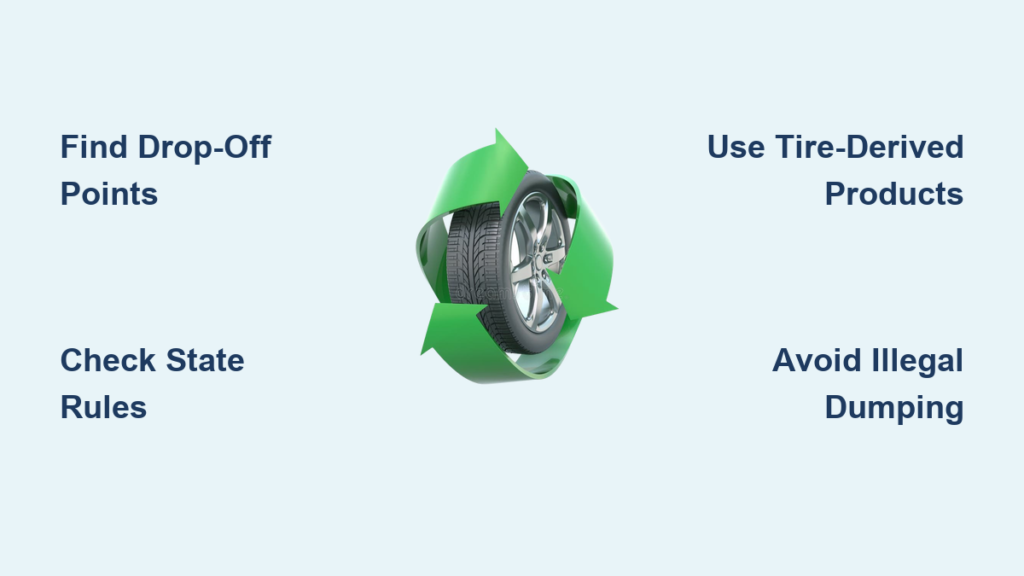
Locate Authorized Tire Recycling Drop-Off Points Immediately
Don’t let old tires pile up in your garage or yard where they can become mosquito breeding grounds. Your first step in how to recycle tire waste involves finding approved collection facilities that legally process tires. Most tire retailers must accept your old tires when you purchase new ones—even if you didn’t buy your original tires from them. This take-back requirement ensures convenient disposal options while keeping tires out of illegal dumping sites. When replacing your tires, simply ask the retailer about their recycling policy and confirm they’ll handle proper disposal.
For tires not being replaced at a retail location, numerous independent collection centers, salvage yards, and recycling facilities accept used tires directly from consumers. These facilities typically charge small fees ranging from $1-$5 per tire to cover processing costs. Some communities also organize periodic tire collection events, often partnering with local governments and waste management companies. To find authorized facilities near you, call Earth 911 at 1-800-CLEANUP or visit their website to search by material type and location—this service identifies the nearest approved collection centers that accept tires.
Check State-Specific Tire Recycling Resources First
California residents have access to CalRecycle’s Tire Management Program Hotline at (866) 896-0600 for immediate assistance with tire recycling questions. Program staff return calls with guidance on regulations, collection facilities, and proper disposal procedures. If you’re outside California, contact your local city hall, public works department, or environmental services office to identify your community’s recycling coordinator—they maintain current information about tire recycling options in your area.
Understand What Happens After You Drop Off Tires
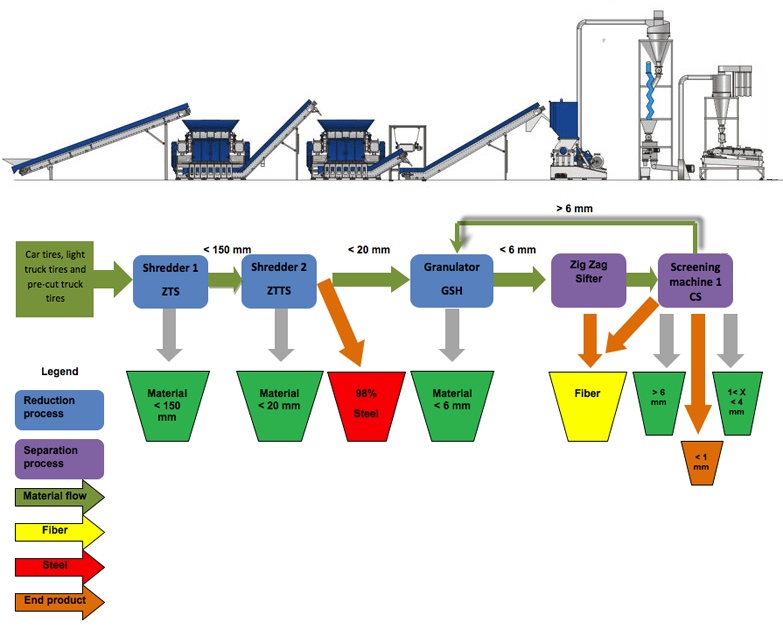
Knowing how to recycle tire materials properly means understanding where they go and how they’re transformed. Once collected, tires enter a processing pipeline that converts them into valuable raw materials. The recycling process begins with inspection and sorting, followed by shredding tires into smaller pieces using industrial cutting equipment. This first-stage shredding separates steel belting from rubber, with subsequent processing steps reducing chunks into various sizes for different applications.
Steel removed during processing enters the metal recycling system to be melted and reformed into new products, while fabric materials get processed into alternative fuel products. This comprehensive materials separation ensures nearly complete diversion from landfills—maximizing the value recovered from each tire while minimizing waste.
Identify High-Volume Recycling Applications for Tires

Tire Derived Aggregate represents one of the highest-volume applications for recycled tires, consuming millions of tons annually in construction projects. This material consists of shredded tire chips ranging from one-half inch to eight inches, offering significant advantages over traditional materials—it weighs less than soil or rock while providing excellent drainage and flexibility. Civil engineers specify TDA as lightweight fill for road embankments, bridge approaches, and retaining wall backfills where reduced weight prevents settlement concerns.
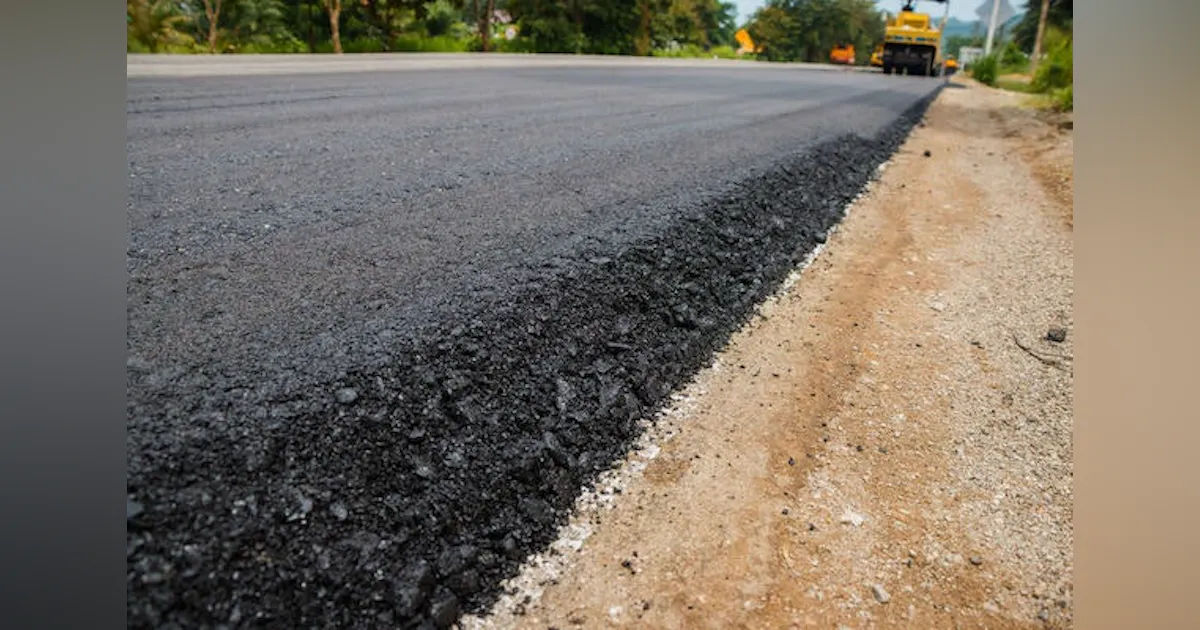
Rubberized Asphalt Concrete incorporates ground tire rubber (15-20% by weight) into asphalt mixtures, creating road surfaces with superior elasticity and temperature resistance. These modified roads resist cracking in cold weather and rutting during summer heat, extending pavement life while reducing traffic noise by 3-5 decibels compared to conventional asphalt.
Discover Consumer Products Made from Recycled Tires
When you learn how to recycle tire waste properly, you’ll discover numerous consumer products incorporating recycled tire materials. Playground surfacing made from recycled tires provides cushioning that reduces injury risk from falls, meeting safety standards for play equipment. Schools, parks, and homeowners increasingly choose these surfaces for new installations and resurfacing projects.
Athletic surfaces including running tracks, gym flooring, and field turf infill utilize recycled tire rubber for its shock absorption and durability. Landscaping applications employ tire-derived rubber mulch as a long-lasting alternative to wood mulch—it retains moisture, suppresses weeds, and won’t decompose quickly like organic mulches.
Verify Product Specifications Before Purchasing
When considering tire-derived products, check specifications to ensure they meet your needs. The California Tire-Derived Product Catalog serves as a comprehensive resource for identifying available products and manufacturers, helping specifiers and contractors find local sources. This catalog supports in-state market development while reducing transportation-related environmental impacts—making it easier to find quality recycled tire products near you.
Follow These Critical Tire Disposal Tips
Always use authorized collection facilities rather than leaving tires at unauthorized locations where they may end up illegally dumped. Ask questions about where your tires will go and how they’ll be processed to verify proper recycling. Some facilities require tires removed from rims before disposal—understand these requirements in advance to avoid unexpected fees.
Never store used tires for extended periods, as they collect water and attract pests while awaiting disposal. Prompt disposal after tire replacement eliminates health hazards and ensures materials enter the recycling stream quickly. For businesses handling multiple tires, maintain documentation of recycling activities and retain receipts for regulatory compliance purposes.
Support Growing Tire Recycling Markets
Beyond properly disposing of your own tires, you can strengthen recycling markets by purchasing products containing recycled tire materials. When specifying construction, landscaping, or recreational applications, consider tire-derived products where appropriate. Public agencies, contractors, and facility managers can include recycled tire content in specifications, creating demand that encourages manufacturers.
Advocate for policies supporting tire recycling at local, state, and federal levels—including extended producer responsibility programs and recycled content mandates. Share information about tire recycling with your network to raise awareness about proper disposal options and available products. Simple conversations help build public understanding and support for recycling initiatives.
Recognize the Long-Term Benefits of Proper Tire Recycling
Proper tire recycling delivers significant environmental benefits by reducing landfill pressure and preventing pollution from illegal dumping and tire fires. Each recycled tire diverts materials from waste streams, decreasing the environmental footprint associated with producing new rubber products. These benefits multiply across millions of tires, creating substantial positive environmental impacts.
Economically, tire recycling creates jobs throughout the collection, processing, and manufacturing sectors while reducing disposal costs for communities. The industry supports workers in positions ranging from collection drivers to product manufacturers, building local economic resilience. When you see rubberized asphalt roads or playgrounds with tire-derived surfacing, you’re witnessing the tangible results of successful tire recycling efforts.
Learning how to recycle tire waste properly represents a simple yet meaningful action that contributes to environmental protection, economic development, and community health. By using authorized collection facilities, supporting tire-derived product markets, and sharing knowledge with others, you help build the sustainable materials management systems our communities need for a healthier environment and stronger economy.