You’re driving down the highway when your tire pressure warning light suddenly illuminates. Or maybe you’ve noticed your tires look a bit flat while getting ready for a road trip. Knowing how to put air in a tire at gas station is an essential skill every driver should master—it’s quick, inexpensive, and can prevent dangerous blowouts. Many drivers avoid addressing low tire pressure because they’re unsure how to properly use gas station air pumps, but with the right knowledge, you can complete this critical maintenance task in under five minutes.
Adding air to your tires at a gas station isn’t as straightforward as it seems. Different pumps operate differently, tire pressure requirements vary by vehicle, and improper inflation can lead to uneven tire wear or even accidents. Most drivers only check tire pressure when the warning light appears, but experts recommend checking monthly for optimal safety and fuel efficiency. In this guide, you’ll learn exactly how to put air in a tire at gas station locations, avoid common mistakes, and maintain proper tire pressure year-round.
Locating and Identifying Gas Station Air Pumps
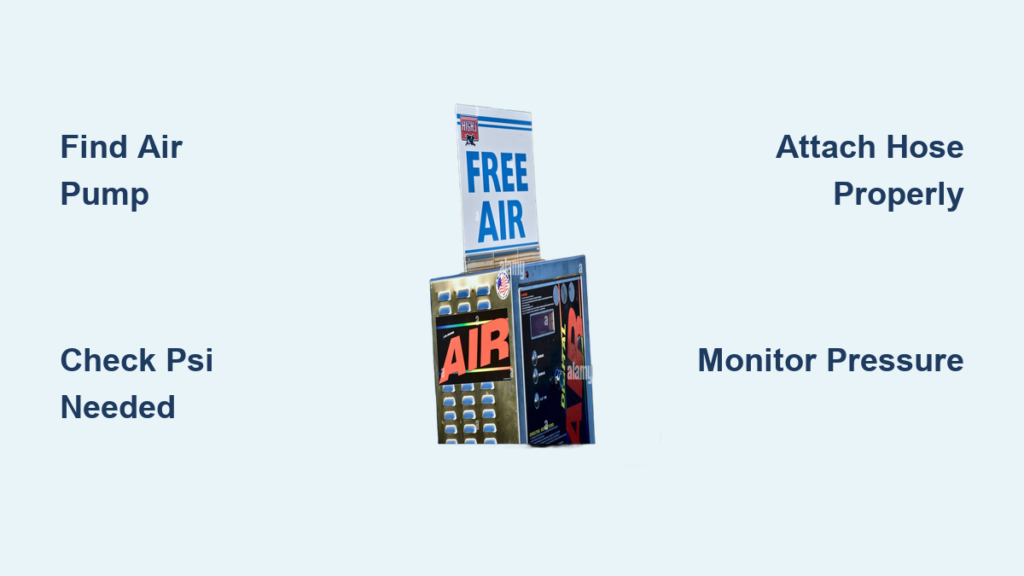
Look for air pumps near the fuel islands or at the far end of the parking lot—most stations position them away from fueling areas for safety. Modern pumps typically have digital displays showing current pressure and allowing you to preset desired PSI, while older models require manual monitoring with a built-in gauge. Many stations now offer free air, but some still operate coin-operated systems accepting quarters for timed usage.
What to Do When Pumps Are Out of Order
Over 40% of gas station air pumps experience regular malfunctions, so always have a backup plan. If the digital display is blank or the hose won’t dispense air, try these troubleshooting steps: check for payment requirements (some need exact change), inspect the hose for kinks, and verify the power switch is on (often located near the pump base). When all else fails, keep a portable tire inflator in your trunk for emergencies—it runs off your vehicle’s 12V socket and provides reliable inflation anywhere.
Understanding Your Vehicle’s Correct Tire Pressure
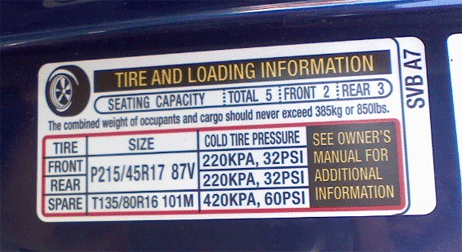
Your vehicle’s ideal PSI (pounds per square inch) isn’t listed on the tire sidewall—that number represents maximum pressure, not recommended operating pressure. Instead, consult the sticker inside your driver’s side door jamb, which specifies the manufacturer’s recommended pressure for front and rear tires. Most passenger vehicles require 32-35 PSI when tires are cold, but always follow your specific vehicle’s recommendation for optimal handling and fuel economy.
Why Seasonal Changes Affect Tire Pressure
Tire pressure drops approximately 1 PSI for every 10-degree Fahrenheit temperature decrease, making winter the most critical time for regular checks. During summer heatwaves, overinflated tires can cause dangerous blowouts on hot pavement. Check pressure first thing in the morning when tires are cold for accurate readings, and adjust monthly as seasons change—this simple habit improves fuel efficiency by up to 3% according to automotive studies.
Preparing to Inflate Your Tires Properly
Before connecting the air hose, remove valve stem caps and keep them in your pocket to avoid losing them. Use your tire gauge to check current pressure—many gas stations provide free paper gauges near the pump, but carrying your own digital gauge ensures accuracy. If your tire reads more than 5 PSI below recommended, add air immediately; driving on significantly underinflated tires generates excessive heat that can damage internal structure.
Safety Precautions Before Pump Operation
Position your vehicle so the hose reaches all tires without stretching, and never stand directly in front of the tire while inflating. Gas station air compressors deliver high pressure quickly—overinflation can cause tire failure. Keep children away from the operation area, and if using a coin-operated system, have exact change ready to avoid leaving the pump unattended mid-inflation.
Step-by-Step Process for Adding Air to Tires
Connecting the Air Hose Correctly
Remove the valve stem cap and press the air chuck firmly onto the valve until you hear air flowing—some pumps require twisting the chuck to lock in place. If you hear hissing around the connection, reseat the chuck to ensure a tight seal. Digital pumps often beep when properly connected; older models may require wiggling the chuck until airflow stops escaping.
Setting Target PSI on Digital Pumps
Modern coin-operated pumps let you enter desired PSI before inflation begins. Press the preset button, enter your vehicle’s recommended pressure (found in door jamb), and the pump will automatically stop when reached. If your pump lacks preset capability, inflate in 10-second bursts, checking pressure between each interval—this prevents dangerous overinflation that requires time-consuming air release.
Monitoring During Inflation
Keep your tire gauge handy to verify the pump’s reading—gas station gauges can be inaccurate by 3-5 PSI. Inflate cold tires to the recommended pressure, then recheck after driving 10-15 minutes when tires warm up (pressure increases naturally during driving). Never deflate warm tires to cold pressure specifications—this leads to dangerous underinflation once tires cool.
Handling Common Gas Station Pump Issues
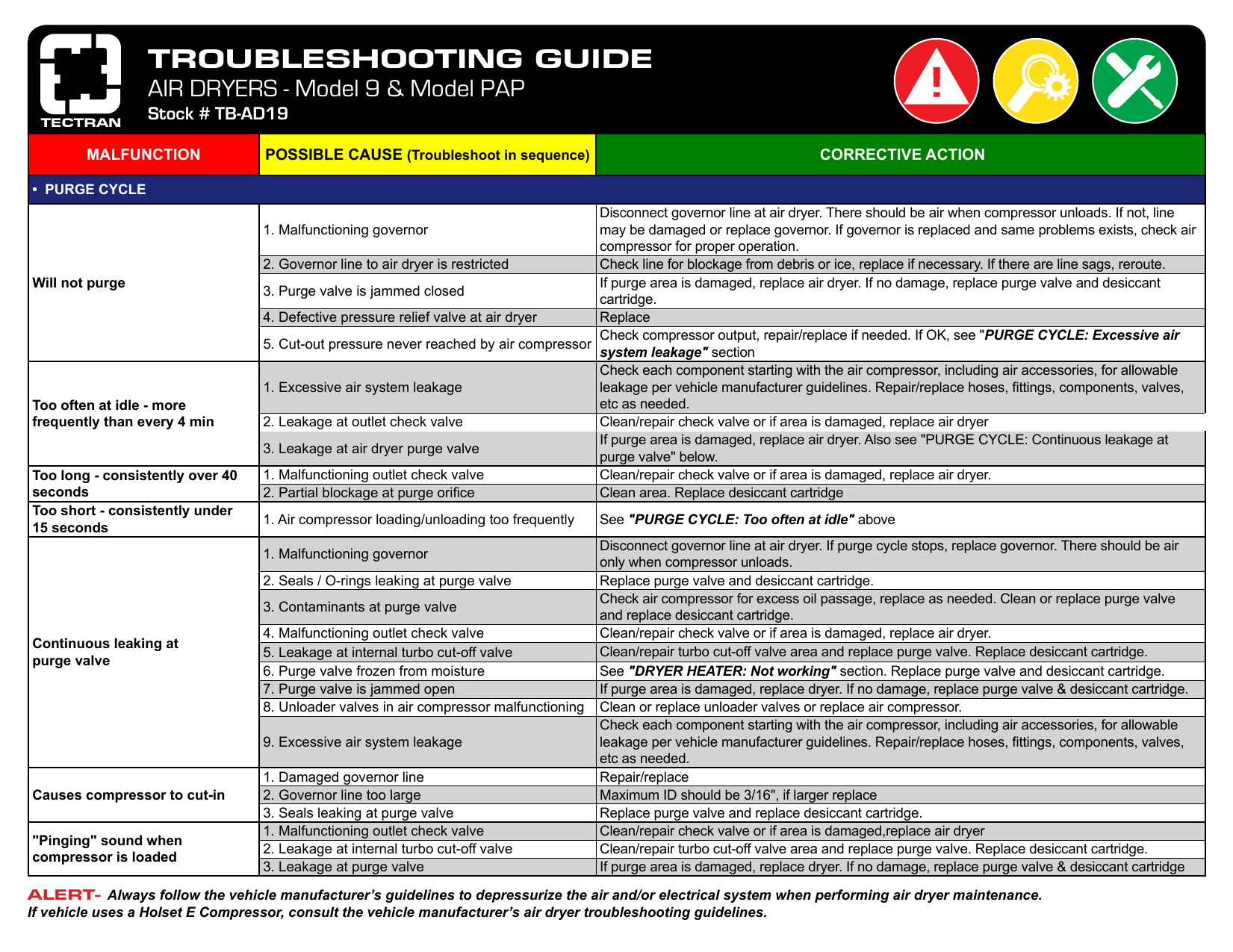
Troubleshooting Coin-Operated Systems
When pumps demand coins but shut off prematurely, insert additional quarters to extend time—don’t walk back to your car mid-inflation. Some stations accept credit cards via QR codes; check for instructions on the pump. If the pump accepts payment but delivers no air, try another hose or station immediately—faulty pressure sensors often trigger false “full” readings.
Dealing with Air Pump Shut-Offs
Most pumps automatically shut off at 60-90 seconds to prevent overheating. If your tire isn’t fully inflated when the pump stops, wait 30 seconds for the compressor to reset before resuming. For severely underinflated tires, this may require multiple cycles—be patient rather than forcing continuous operation, which can damage the station’s equipment.
Correcting Overinflation Immediately
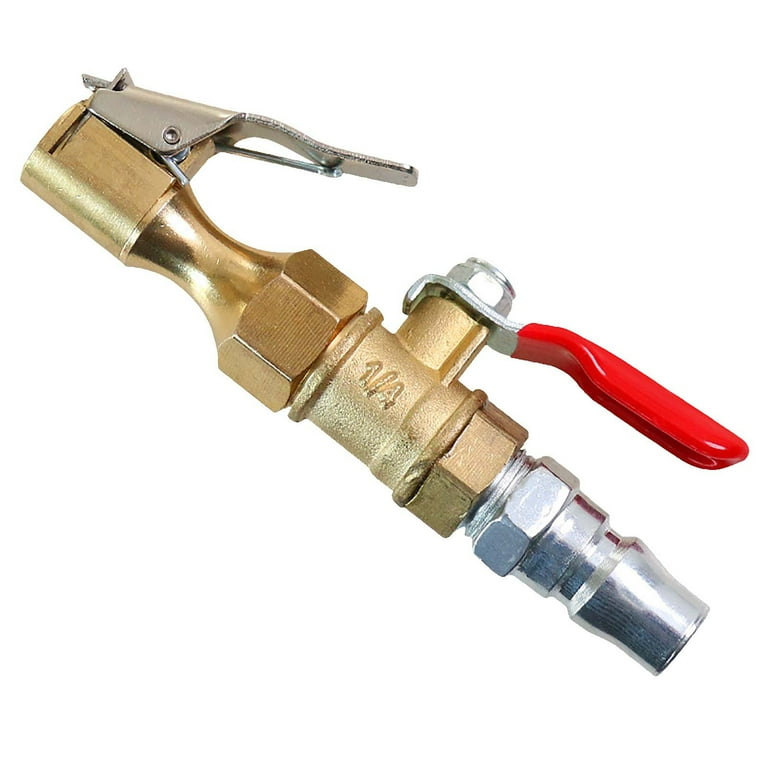
Releasing Excess Air Properly
If you accidentally overfill, don’t drive on overinflated tires—even 10 PSI above recommendation reduces traction significantly. Press the valve stem’s center pin with your tire gauge or a small tool to release air in short bursts. Check pressure after each release, as air escapes faster than it enters. Digital gauges with bleed valves make this process precise and controlled.
Verifying Correct Pressure After Adjustment
Recheck all tires after corrections—adding air to one tire often distracts drivers from checking others. The front tires typically require slightly higher pressure than rears due to engine weight distribution. Properly inflated tires should have a flat contact patch with the road; underinflated tires bulge outward at the bottom, while overinflated ones appear too rounded.
Establishing a Tire Maintenance Routine
Monthly Pressure Check Protocol
Schedule tire checks on the first Sunday of each month—this consistent timing accounts for seasonal temperature changes. Always check when tires are cold (before driving or after parking for 3+ hours). Keep a tire maintenance log in your glove compartment noting dates and pressures—this reveals slow leaks before they become emergencies.
Seasonal Pressure Adjustment Guide
In fall, increase pressure by 3-4 PSI as temperatures drop; in spring, decrease by the same amount. Performance vehicles and trucks carrying heavy loads may need additional adjustments—consult your owner’s manual for specific guidance. During extreme temperature swings (more than 20°F daily change), check pressure twice weekly until conditions stabilize.
Maintaining proper tire pressure saves hundreds of dollars annually in fuel costs and extends tire life by thousands of miles. When you know exactly how to put air in a tire at gas station locations efficiently, you transform what many drivers dread into a quick, confidence-building routine. Keep a quality tire gauge and valve caps in your glove compartment, and make pressure checks part of your regular vehicle maintenance—your safety, wallet, and the environment will thank you. For persistent pressure issues despite regular maintenance, consult a tire professional immediately as this may indicate internal damage requiring replacement.