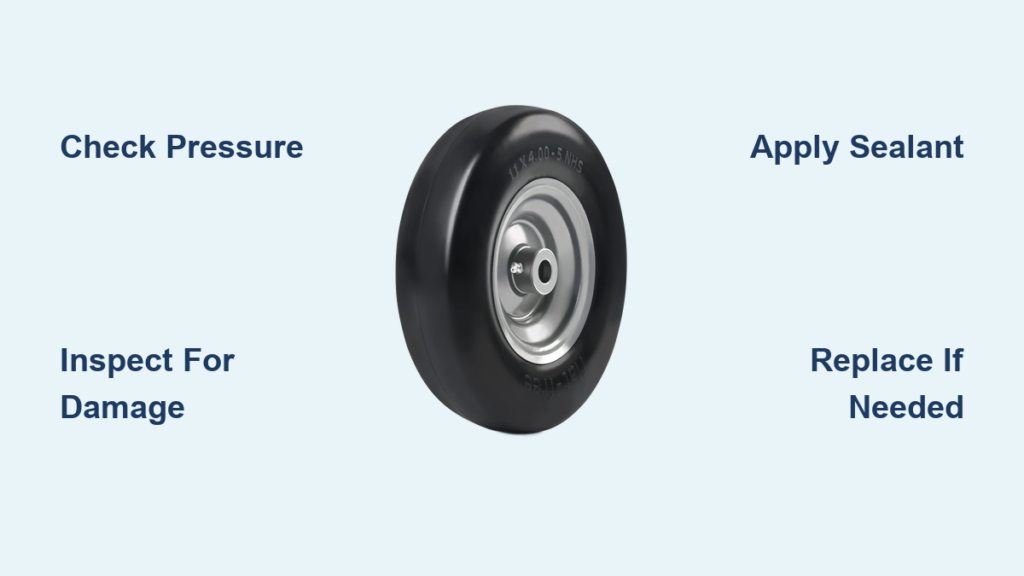
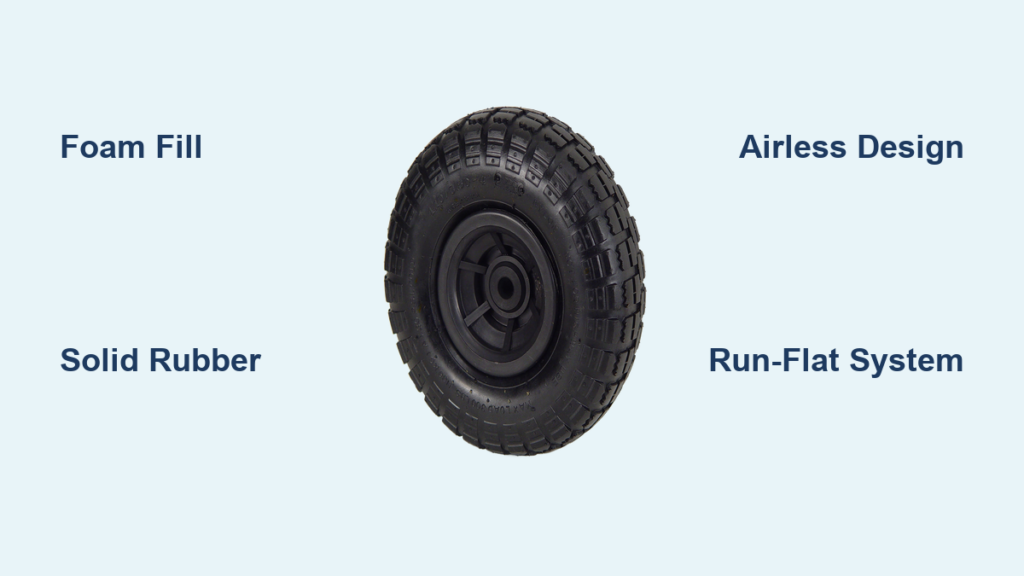
Flat tires strike at the worst possible moments—midway through mowing your lawn, during a critical delivery run, or when you’re miles from the nearest service station. For equipment operators, fleet managers, and homeowners alike, the frustration of recurring flats translates to wasted time, repair costs, and operational downtime. The good news is you don’t have to accept flats as inevitable. This guide reveals proven methods to create truly flat-free tire solutions that eliminate air dependency while maintaining performance. You’ll discover exactly how to convert existing tires or select new flat-free options that match your specific equipment needs, saving you from roadside emergencies and costly repairs.
Convert Existing Tires with Polyurethane Foam Filling
Foam filling transforms standard pneumatic tires into reliable flat-free units by replacing air with structural foam that maintains shape and support. This method works exceptionally well for lawn tractors, utility vehicles, and trailers that frequently encounter puncture hazards like thorns, nails, or sharp debris. Unlike temporary sealants that merely patch holes, foam filling creates permanent structural integrity that prevents deflation regardless of damage to the tire casing.
Proper Foam Filling Procedure for Maximum Durability

Begin by completely deflating your tire and removing the valve core. Use bead breaker tools to separate the tire from the rim—this step often requires professional equipment for larger tires. Once the tire is free from the rim, thoroughly clean the interior to remove moisture, dirt, and loose particles that could compromise foam adhesion. Select a closed-cell polyurethane foam specifically designed for tire filling; this type resists water absorption and maintains structural integrity even if the tire casing is compromised.
Mix the two-part foam components according to manufacturer specifications and inject through the valve stem opening using a specialized pump system. Rotate the tire as you fill to ensure even distribution of the expanding foam. The foam will expand to fill the entire cavity and cure into a solid yet slightly flexible mass that supports weight without air pressure. Allow 24-48 hours for complete curing before reinstalling the tire—using it prematurely can cause uneven foam distribution and premature failure.
Critical Foam Selection Factors You Must Consider
Not all tire foams deliver equal performance. Closed-cell foam provides essential water resistance for outdoor equipment that operates in wet conditions, while open-cell varieties offer more cushioning at the cost of potential moisture absorption. High-density foams mimic proper inflation pressure for better handling, whereas lower-density options provide increased shock absorption for rough terrain applications. Temperature matters too—some foams cure properly only within specific temperature ranges, so check manufacturer specifications against your working environment. For most consumer applications, closed-cell polyurethane foam with medium density delivers the optimal balance of durability, cushioning, and reliability.
Install Complete Solid Rubber Tire Assemblies
Solid rubber tires represent the ultimate puncture-proof solution by eliminating the air chamber entirely. Unlike foam-filled conversions, solid rubber tires are manufactured as single units with rubber permanently bonded to the wheel hub during production. This construction makes them completely impervious to punctures, sidewall damage, or bead leaks that plague traditional tires.
Matching Solid Tires to Your Equipment Specifications
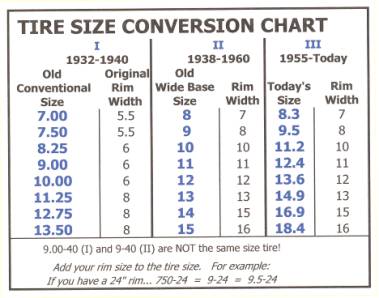
Replacing pneumatic tires with solid rubber requires purchasing complete wheel assemblies rather than just new tires. You must match four critical dimensions: bolt pattern, hub size, overall diameter, and width. Incorrect sizing creates dangerous handling issues and potential clearance problems. For most lawn and garden equipment, solid rubber tires come in standard sizes like 16×6.5-8 or 20×10-8 that directly replace common pneumatic equivalents. Industrial applications may require custom sizes, so measure your existing wheels precisely before ordering replacements.
Understanding the Performance Trade-Offs
Solid rubber tires deliver unmatched puncture resistance but introduce noticeable changes in equipment operation. They weigh 20-30% more than equivalent pneumatic tires, increasing rotational mass that affects acceleration and braking. The harder ride transmits more vibration to the operator and equipment frame—acceptable for slow-moving utility vehicles but potentially problematic for faster equipment. Select the appropriate durometer (hardness rating) for your application: softer rubber (70-75 durometer) provides better traction on smooth surfaces but wears faster, while harder compounds (80+ durometer) withstand abrasive conditions but offer less grip. Most consumer-grade solid tires use 75 durometer rubber for balanced performance.
Implement Modern Airless Tire Technology
Airless tires represent the cutting edge of flat-free technology, using advanced structural designs instead of air pressure for support. Systems like Michelin’s Tweel feature flexible polyurethane spokes connecting a rigid hub to the outer tread ring, creating suspension-like properties without air. These tires maintain consistent performance across temperature extremes and eliminate pressure monitoring requirements.
Installation Process for Airless Replacement Tires
Many airless tire systems bolt directly to standard wheel hubs using conventional lug patterns, simplifying conversion. Begin by lifting and securing your vehicle properly, then remove the pneumatic tire/wheel assembly. Clean the hub mounting surface thoroughly before installing the airless unit. Torque lug nuts to manufacturer specifications in a star pattern to ensure even pressure distribution. For systems requiring special mounting hardware, follow the included instructions precisely—some airless designs use proprietary attachment mechanisms that differ from standard wheels.
Evaluating Airless Tire Performance Characteristics
Airless tires typically deliver 85-90% of the ride quality of properly inflated pneumatic tires while offering complete flat protection. They maintain consistent traction and handling characteristics regardless of temperature fluctuations that affect air pressure. The spoke structure provides progressive resistance—softer at initial impact for small bumps but firming up under heavy loads. Noise levels vary by design; some produce a distinctive hum at highway speeds that diminishes with newer generations of airless technology. Before purchasing, verify the tire’s speed rating matches your application, as many current airless designs have maximum speed limitations around 50 mph.
Utilize Run-Flat Systems for Temporary Flat Protection
Run-flat tires provide a different approach to flat management by allowing continued operation after air loss. These tires feature reinforced sidewalls that support vehicle weight even when completely deflated, giving you time to reach safety rather than becoming stranded roadside.
Essential Run-Flat Installation Requirements
Run-flat tires require specific installation considerations beyond standard tires. Your vehicle must have a functioning Tire Pressure Monitoring System (TPMS) to alert you of pressure loss, as run-flats often show no visible deflation when damaged. Verify wheel compatibility—some run-flat designs require specific rim contours to maintain bead retention when deflated. During installation, technicians must carefully inspect the tire bead area for damage that could compromise the seal when operating in run-flat mode. Never mix run-flat and standard tires on the same axle, as this creates dangerous handling imbalances.
Understanding Run-Flat Operating Limitations

Run-flat systems have critical operational boundaries you must respect. Most support travel at speeds under 50 mph for distances up to 50 miles after complete air loss. Exceeding these limits causes irreversible damage to the reinforced sidewall structure. The stiffer sidewalls also affect normal driving characteristics—expect slightly firmer ride quality and potentially different handling responses, especially during aggressive maneuvers. Run-flats typically cost 20-30% more than equivalent standard tires and may exhibit 10-15% reduced tread life due to the reinforced construction. They represent an excellent solution for passenger vehicles but less ideal for heavy equipment where permanent flat protection is needed.
Maintain Your Flat-Free Tires for Maximum Service Life
Flat-free tires eliminate air-related failures but still require proper maintenance to ensure long-term reliability. Foam-filled tires need periodic inspection for external damage that could compromise the casing integrity. Check for deep cuts, sidewall bulges, or excessive tread wear that might indicate internal foam breakdown. Solid rubber tires require special attention to wheel bearings, as their increased weight accelerates bearing wear—inspect and repack bearings according to equipment manufacturer specifications. Airless tires benefit from regular visual inspections for damaged spokes or tread separation, while run-flats need immediate professional evaluation after any pressure loss event.
When selecting your flat-free solution, prioritize your primary need: foam filling offers cost-effective conversion for existing equipment, solid tires provide absolute puncture immunity for slow-moving machinery, airless technology delivers near-pneumatic performance without flats, and run-flats give temporary protection for passenger vehicles. Match the solution to your specific application rather than chasing the most advanced technology. Properly installed and maintained flat-free tires will eliminate one of equipment ownership’s most frustrating problems while keeping you moving when traditional tires would leave you stranded. The initial investment pays dividends through reduced downtime, eliminated repair costs, and the confidence to operate without fear of flats.