
Tire chains that don’t fit properly can compromise your safety during winter driving. When chains are too short, they create dangerous tension that damages tires and reduces traction—potentially leading to accidents on icy roads. Many drivers face this problem when purchasing used chains, switching to larger tires, or sharing chains between different vehicles. Knowing how to properly lengthen tire chains ensures you maintain reliable winter traction without risking tire damage or chain failure. This guide provides step-by-step methods to safely extend your tire chains for perfect fitment, whether you’re working with ladder-pattern, diamond-pattern, or square-pattern chains.
Identifying When Your Tire Chains Need Extension
Improperly fitted chains create immediate hazards you can’t ignore. Chains that sit high on the tire sidewall rather than wrapping around the tread surface indicate insufficient length. Listen for grinding or clicking sounds as you drive—these noises signal chains pulling too tight against wheel wells or suspension components. You might also feel unusual vibrations through the steering wheel that weren’t present with properly fitted chains.
Chains that are too short visibly distort your tire shape, causing bulging between the cross bars. This dangerous condition stresses both the tire structure and chain links, increasing the risk of sudden chain failure. If you notice the master link connectors straining against their maximum extension or chain cross bars lifting off the tire tread, immediate lengthening is necessary before further use.
Essential Tools for Tire Chain Extension
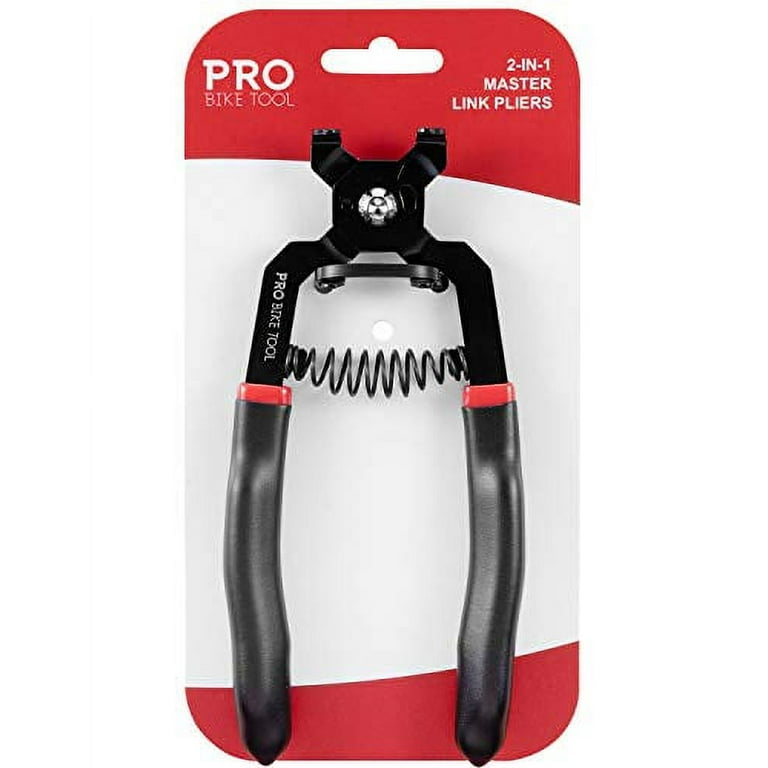
Using the wrong tools can ruin your chains or cause injury during modification. Master link pliers specifically designed for tire chains cost $15-$30 and feature specially shaped jaws that grip link sides without damaging the metal surface. Always pair these with replacement master links matching your chain’s exact gauge and material—mixing different metals creates weak points that fail under stress.
Purchase additional chain sections from automotive retailers after verifying your existing chain’s specifications. Measure your chain’s link width and thickness to ensure compatibility. Keep a hammer and drift punch handy for stubborn links, but use them carefully to avoid over-spreading connections. Never skip protective gear—cut-resistant work gloves and safety glasses prevent serious injuries from sharp chain edges and flying metal fragments.
Adding Length Through Master Link Expansion
This safest method maintains chain integrity while allowing future adjustments. Begin by laying chains flat on a clean surface with good lighting. Locate the master link—typically marked with distinctive coloring or featuring a quick-release mechanism. Using master link pliers, carefully open the connection by applying even pressure until you can slide the link off adjacent sections.
Slide your replacement chain section into position, ensuring the link orientation matches your existing chain pattern. Connect one end using the master link, closing it with pliers until the gap fully disappears. Test the connection by flexing the chain—it should move freely without play or binding. Repeat for the other connection point, then test the entire assembly for smooth movement through its full range of motion.
Direct Link Addition for Continuous Chain Patterns

Some chains lack accessible master links along their length, requiring direct link modification. Identify an appropriate connection point along the side chain rather than across tread bars. Position a drift punch in the link’s pivot point and strike firmly with a hammer to create separation.
Once opened sufficiently, remove the punch and carefully separate the links. Insert your replacement section and connect using the same technique, working the chain ends into position. Close the new link by reversing the process: expand it with the punch, position the chain ends, then remove the punch and tap the link closed. This method creates a more permanent connection but requires greater precision to maintain chain strength.
Using Manufacturer Extension Kits
Many chain manufacturers offer specialized extension kits with pre-measured sections and quick-connect hardware. These kits eliminate the need for special tools, featuring hook-and-loop designs or clamp-style mechanisms that attach in seconds.
To install, locate the designated connection point specified in your kit instructions—typically along the side chain at reinforced sections. Open the connector mechanism according to instructions, position it over your chain, and secure the latch. Test each connection by applying moderate force to verify full engagement before driving. The advantage of kits is easy removal when switching between vehicles with different tire sizes.
Calculating Precise Extension Length
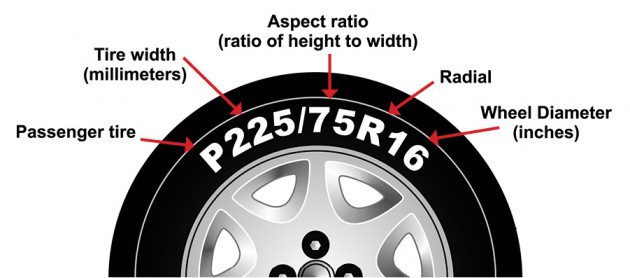
Adding too much or too little length creates new problems. Properly fitted chains should have approximately two inches of vertical sag when mounted, measured from the chain’s lowest point to the tire surface. Measure your current chain’s effective length (distance between master link connection points when fully extended) and compare it to your tire’s circumference.
The correct chain length should be 12-15% longer than your tire’s circumference to accommodate proper tension and sag. When extending for a larger tire size, measure both old and new tire circumferences—the difference indicates required additional length, plus extra inches for sag. Start with minimal extension, test fit, and add more only if necessary—removing excess length is easier than adding more after installation.
Critical Safety Checks After Modification
Never skip these verification steps before driving with extended chains. First, inspect all connection points for proper closure—any visible gap indicates incomplete seating that could fail under tension. Flex each connection through its full range of motion to ensure smooth movement without binding or excessive play.
Test the chains in a controlled environment by mounting them on your tire and rotating the wheel by hand through several revolutions. Listen for unusual clicking or grinding sounds that indicate interference with wheel wells or suspension components. Check that no links rub against brake lines or other critical systems. Pay special attention to how the extended sections center on the tire tread.
Maintenance Requirements for Extended Chains
Modified chains need extra attention during initial use. Inspect all connection points before each use, focusing especially on areas where you added length. Look for stretched links, cracked weld points, or corrosion that could compromise safety. Lubricate pivot points with winter-specific chain lubricant that resists washing off in snow while preventing rust.
Store extended chains by coiling them loosely in a dry location—never kink or sharply bend connections. Before seasonal storage, clean chains thoroughly to remove road salt and debris that accelerate corrosion at modification points. Consider labeling modified chains with their specific vehicle application to prevent accidental use on incompatible tires.
When Chain Extension Isn’t Recommended
Significant modifications often compromise performance and safety. If your chains require more than 20% additional length, purchase correctly sized chains instead—extensively modified chains provide inadequate traction and wear unevenly. Severely worn, rusted, or damaged chains should never be extended, as weak points will propagate through modifications.
Frequent chain users should maintain multiple properly sized sets rather than modifying one set extensively. Different vehicles with varying tire sizes benefit from dedicated chain sets that install quickly without adjustments. Modern tire chains are relatively affordable investments compared to potential damage from improperly fitted chains.
Alternative Solutions to Chain Modification
Consider these options before modifying existing chains. Adjustable chain systems with built-in tensioning devices allow quick length changes without permanent modifications. Quick-fit chain designs use expandable side chains that automatically accommodate different tire circumferences.
Purchasing properly sized chains for each vehicle eliminates modification risks entirely. For light winter conditions, cable-based traction devices offer another alternative with built-in adjustability, though they lack the durability of traditional chains for severe conditions.
Extended tire chains provide reliable winter traction when modified correctly and maintained properly. By using the right tools, calculating precise extension length, and performing thorough safety checks, you can adapt chains to fit different tire sizes safely. Always prioritize professional-grade equipment over makeshift solutions—your winter safety depends on properly functioning traction devices. When in doubt about modification results, consult a tire chain specialist or invest in correctly sized replacement chains for worry-free winter driving. Properly extended chains should operate silently, maintain consistent tension, and center perfectly on your tire tread—anything less indicates unsafe installation requiring immediate correction before road use.