Struggling to access your GMC Sierra’s spare tire when you need it most? You’re not alone. Many Sierra owners face frustrating situations where they can’t lower or remove their spare tire during an emergency roadside situation. This problem often happens because the spare tire carrier mechanism gets stuck due to rust, debris, or improper maintenance. Knowing how to properly release and remove your GMC Sierra’s spare tire could save you from being stranded when you have a flat. In this guide, you’ll learn the exact steps to safely lower and remove your spare tire, troubleshoot common issues that prevent access, and maintain your spare tire system to avoid future problems.
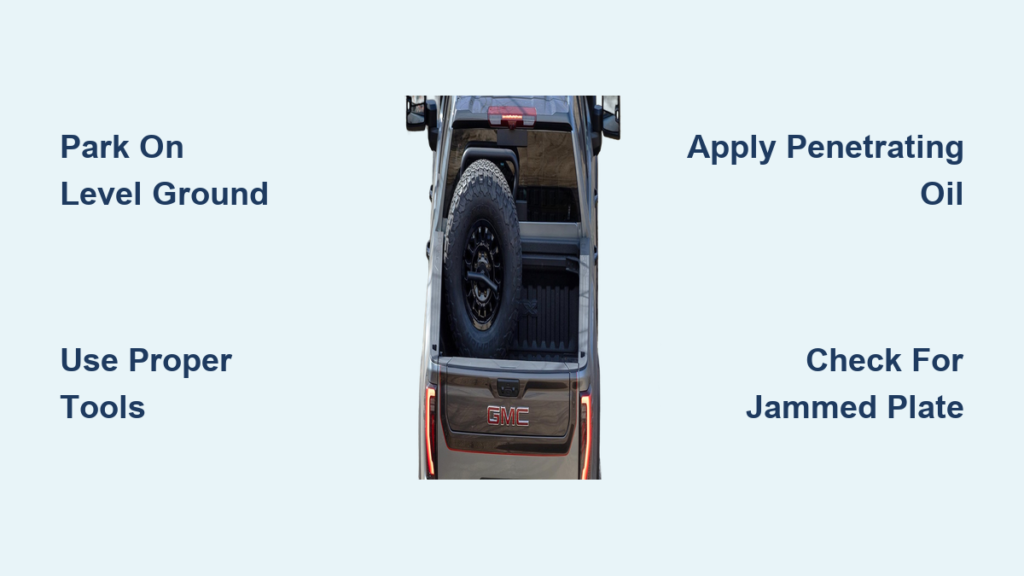
Before attempting any spare tire removal, understand that your GMC Sierra’s spare tire is typically mounted underneath the vehicle’s rear section. This location keeps it secure but makes access challenging when issues arise. The process requires specific tools you should already have in your truck, but many owners discover too late that they’re missing critical components. By the end of this guide, you’ll know exactly where to find your tools, how to properly position your vehicle for safety, and the precise sequence to lower your spare without damaging your truck or risking injury.
Essential Safety Preparations Before Attempting Removal
Positioning Your Vehicle Properly for Safe Access
Park your GMC Sierra on level ground away from traffic before attempting spare tire removal. Engage the parking brake firmly and place wheel chocks against the front and rear of the tire diagonally opposite from the flat tire. Never attempt spare tire removal on an incline or soft surface that could cause your truck to shift. Turn on your hazard lights to increase visibility to other drivers. If working at night, set up additional lighting to clearly see the spare tire mechanism beneath your truck.
Critical Safety Gear You Must Wear
Always wear heavy-duty work gloves to protect your hands from sharp edges and rust on the spare tire carrier. Safety glasses are essential to prevent debris from falling into your eyes while working under your vehicle. Consider wearing long sleeves and pants to protect against scrapes from the truck’s undercarriage. Never place any part of your body beneath the spare tire while it’s suspended by the winch cable – a sudden release could cause serious injury.
Locating and Using the Correct Tools for Spare Tire Removal
Finding Your GMC Sierra’s Factory Tire Removal Kit
Your GMC Sierra came with a specialized spare tire removal kit typically stored in the truck bed or under the rear seat. Check behind the plastic panels in the cargo area or beneath the rear bench seat for this critical tool set. The kit includes a long T-handle rod, a short extension piece, and a special socket designed specifically for the spare tire winch mechanism. Some models store these tools in a compartment behind the driver’s side rear wheel well – check your owner’s manual for the exact location in your specific model year.
Assembling the Tire Removal Tools Properly
Connect the T-handle rod to the extension piece, then attach the special socket to the end. This creates the complete tool needed to operate the spare tire winch mechanism. The special socket fits into a square drive on the winch assembly located beneath your truck. Ensure all connections are fully seated and secure before attempting to turn the mechanism. A poorly connected tool can slip during operation, potentially causing injury or damaging the winch components.
Step-by-Step Spare Tire Lowering Procedure
Locating the Spare Tire Winch Assembly
Crawl beneath the rear of your GMC Sierra and locate the spare tire winch assembly directly above the mounted spare tire. The winch mechanism includes a square drive where your removal tool connects, typically positioned near the centerline of the truck. You’ll also see the cable assembly attached to the spare tire carrier. Before proceeding, inspect the area for excessive rust, debris, or damage that might complicate the removal process.
Proper Winch Operation Technique
Insert your assembled tool into the square drive of the winch mechanism. Turn the tool counterclockwise to lower the spare tire. Apply steady, even pressure – don’t force the mechanism if it resists. Lower the tire slowly until it reaches the ground, then continue lowering until there’s slack in the cable. This ensures the carrier plate is fully disengaged from the spare tire. If the winch feels frozen or extremely difficult to turn, stop immediately and troubleshoot before proceeding.
Troubleshooting Common Spare Tire Removal Problems

Dealing with a Stuck Spare Tire Winch Mechanism
If the winch won’t turn counterclockwise, apply penetrating oil to the winch mechanism and let it sit for 15-20 minutes before trying again. Sometimes rust buildup prevents smooth operation. Gently tap around the winch assembly with a rubber mallet to loosen any corrosion while avoiding direct hits on moving parts. If the winch still won’t budge, try turning it clockwise first to re-engage any stripped gears, then attempt counterclockwise rotation again.
Handling a Jammed Spare Tire Carrier Plate
When the tire lowers but the carrier plate remains stuck against the spare, this usually means the carrier release mechanism hasn’t fully disengaged. Continue lowering the winch an extra inch or two to ensure maximum slack. Then, carefully kick the carrier plate from the side (not from directly underneath) to dislodge it. If this doesn’t work, use a pry bar gently between the carrier plate and spare tire to create separation. Never stand directly beneath the suspended tire while attempting this maneuver.
Critical Mistakes to Avoid During Spare Tire Removal

Never Skip These Safety Steps
Do not attempt spare tire removal without properly securing your vehicle first. Many owners skip wheel chocking, which can lead to dangerous vehicle movement. Never lower the spare tire completely without first ensuring the carrier plate has disengaged – this can cause the tire to drop unexpectedly. Avoid using improvised tools that might slip or break during operation, as this could damage the winch mechanism permanently.
Improper Winch Operation Errors
Turning the winch mechanism too quickly can cause the cable to tangle or the spare tire to swing dangerously. Never force the winch if it resists – this often strips the mechanism requiring expensive repairs. Some owners mistakenly try to remove the spare without fully lowering it, risking damage to the carrier assembly. Always follow the complete lowering sequence before attempting to remove the spare tire from its carrier.
Maintenance Tips to Prevent Future Spare Tire Access Issues

Regular Spare Tire System Inspection Routine
Check your spare tire mounting system every 6 months by partially lowering and raising the spare. This prevents the winch mechanism from seizing due to lack of use. Inspect the cable for fraying or rust and lubricate the winch mechanism annually with white lithium grease. Ensure the spare tire is properly secured in its carrier when not in use to prevent unnecessary stress on the mounting system.
Proper Storage and Protection Measures
After returning from a trip or periodically during storage, spray the winch mechanism with corrosion inhibitor to protect against moisture and road salt. Keep the spare tire carrier area clear of excessive mud and debris that can interfere with proper operation. Consider applying a protective coating to the cable assembly to prevent rust buildup that commonly causes winch failure.
What to Do If You Still Can’t Remove Your Spare Tire
Temporary Solutions for Emergency Situations
If you’re stranded with a flat tire and cannot lower your spare, try applying additional penetrating oil and waiting longer for it to work. Gently bouncing the rear of your truck can sometimes help dislodge a stuck carrier plate. As a last resort in true emergencies, carefully cutting the cable (with extreme caution) may be necessary, though this requires replacement of the entire mechanism afterward.
When to Seek Professional Assistance
If you’ve tried all troubleshooting steps without success, contact roadside assistance or a GMC dealer. Attempting forceful removal can cause permanent damage requiring costly repairs. Many dealers offer spare tire system inspections during routine maintenance that can prevent future access problems. Consider having a professional evaluate and service your spare tire mechanism if you experience repeated issues.
Final Note: Regular maintenance of your GMC Sierra’s spare tire system prevents most access problems. Always verify your spare tire tools are present and in good condition during routine vehicle checks. By following these procedures, you’ll ensure your emergency spare remains accessible when you need it most, keeping you safe and mobile on the road. Remember that specific procedures may vary slightly depending on your Sierra’s model year, so consult your owner’s manual for any model-specific instructions.