That glowing “Tire Pressure Sensor Fault” warning on your dashboard isn’t just annoying—it’s your vehicle’s way of telling you that one of its safety systems needs attention. The tire pressure monitoring system (TPMS) plays a critical role in keeping you safe on the road by alerting you when tire pressure drops to dangerous levels. When this system malfunctions, you lose that important early warning system, and driving with underinflated tires can lead to poor fuel economy, uneven tire wear, reduced braking performance, and even blowouts at high speeds.
The good news is that most tire pressure sensor faults can be diagnosed and fixed without a trip to the dealership. Understanding how your TPMS works, recognizing the common symptoms of failure, and following the right troubleshooting steps can save you both time and money. This guide walks you through everything you need to know about identifying, diagnosing, and fixing tire pressure sensor faults—whether you need a simple sensor reset, a battery replacement, or a complete sensor swap.
Before diving into repairs, it’s important to understand that TPMS issues fall into two main categories: sensor-related problems (which require physical repair or replacement) and system-related problems (which may stem from the vehicle’s computer, wiring, or relearn procedures). We’ll cover both scenarios thoroughly so you can approach the problem with confidence.
Decode Your Specific TPMS Warning Message
The first step in fixing any TPMS issue is understanding exactly what your vehicle is telling you. Modern vehicles display tire pressure warnings in different ways depending on the make, model, and year, but most fall into a few common patterns that you can learn to interpret.
Low Pressure Warning vs. Sensor Fault: A simple “Tire Pressure Low” message usually means one or more tires are genuinely underinflated—check pressures and add air as needed. A “Tire Pressure Sensor Fault” or “TPMS Malfunction” message specifically indicates that the monitoring system itself has detected a problem preventing it from accurately reading one or more sensors. This distinction matters because a low pressure warning often resolves itself once you inflate the tire, while a sensor fault requires actual troubleshooting.
Flashing vs. Solid Lights: On many vehicles, a solid TPMS light indicates low tire pressure, while a flashing or blinking light signals an active system malfunction. If your TPMS light flashes for about 60-90 seconds after startup and then stays solid, this typically indicates a sensor fault rather than a pressure issue. Some vehicles use different colors—yellow or amber for low pressure, red for system failures—but always consult your owner’s manual for your specific vehicle’s indicators.
Timing Clues to Sensor Location: Pay attention to when the fault appears. Sensors that fail immediately after tire service often suffered physical damage during the procedure. Sensors that fail in extreme cold may have battery issues aggravated by temperature changes. If the fault appears right after rotating your tires, you likely need to perform a TPMS relearn procedure.
Immediate Fixes for Common TPMS Faults
Before pulling out tools or spending money on parts, try these simple solutions that resolve a surprising number of tire pressure sensor faults. Many issues that appear complex are actually caused by simple problems with easy fixes.
Verify All Tire Pressures with a Quality Gauge: Start by checking all four tire pressures with a reliable digital gauge—not the one at the gas station. Inflate all tires to the recommended pressure (found on the driver’s door jamb sticker) and drive for 10-15 minutes above 15 mph. Many vehicles require this driving cycle to reset the system after pressure adjustments.
Complete the Proper TPMS Relearn Procedure: This varies significantly by manufacturer but is often the solution after tire rotation or pressure adjustment. Common methods include:
– Holding the TPMS reset button until the light blinks (common in Toyotas, Hondas)
– Using the trip odometer button to navigate menu options (many GM vehicles)
– Driving at specific speeds for set durations (some European cars)
– Using the infotainment system controls (modern luxury vehicles)
Check TPMS Fuses and Electrical Connections: Locate the TPMS fuse using your owner’s manual—typically in the cabin fuse box. Replace any blown fuses with the same amperage rating. Also inspect the valve stems for corrosion or damage that might interrupt the sensor’s electrical connection. A missing valve cap can allow moisture to cause intermittent faults.
Identify the Specific Faulty Sensor
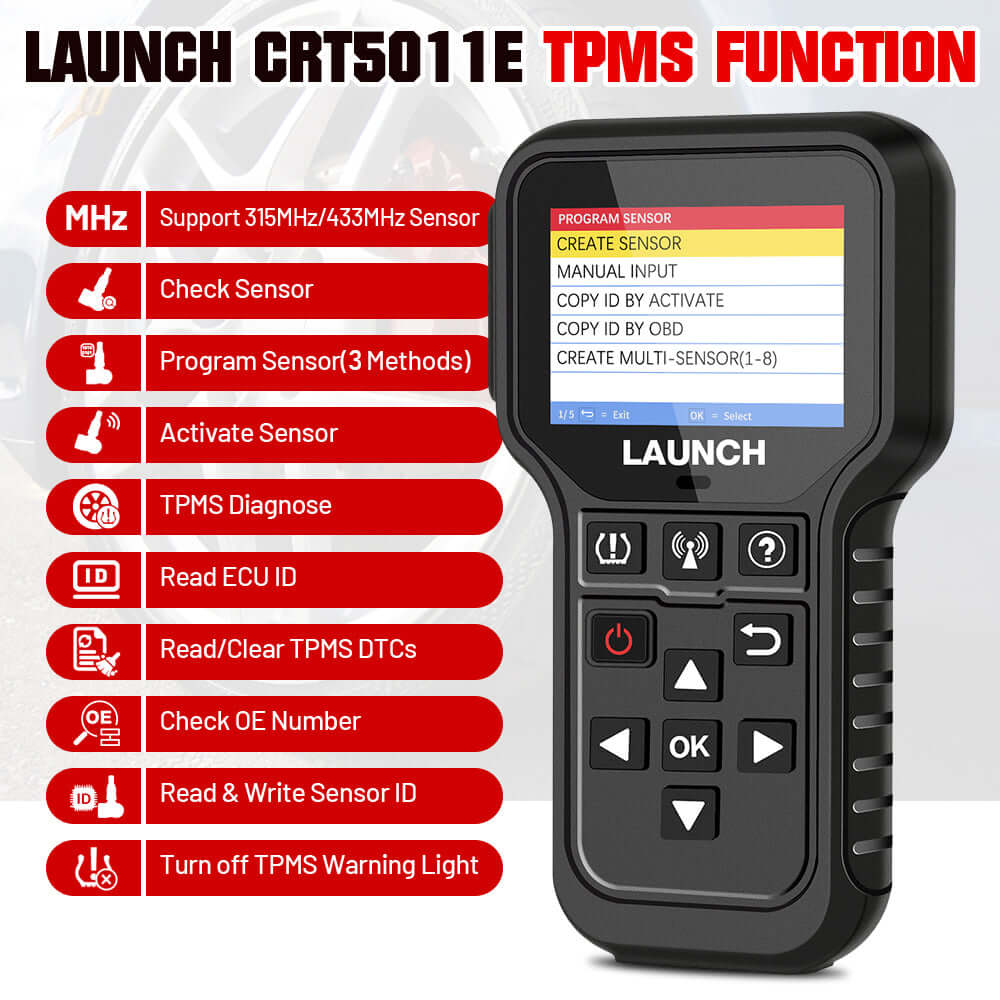
When simple fixes don’t resolve the issue, you need to pinpoint exactly which sensor is causing the problem. This targeted approach saves time and money by ensuring you only replace necessary components.
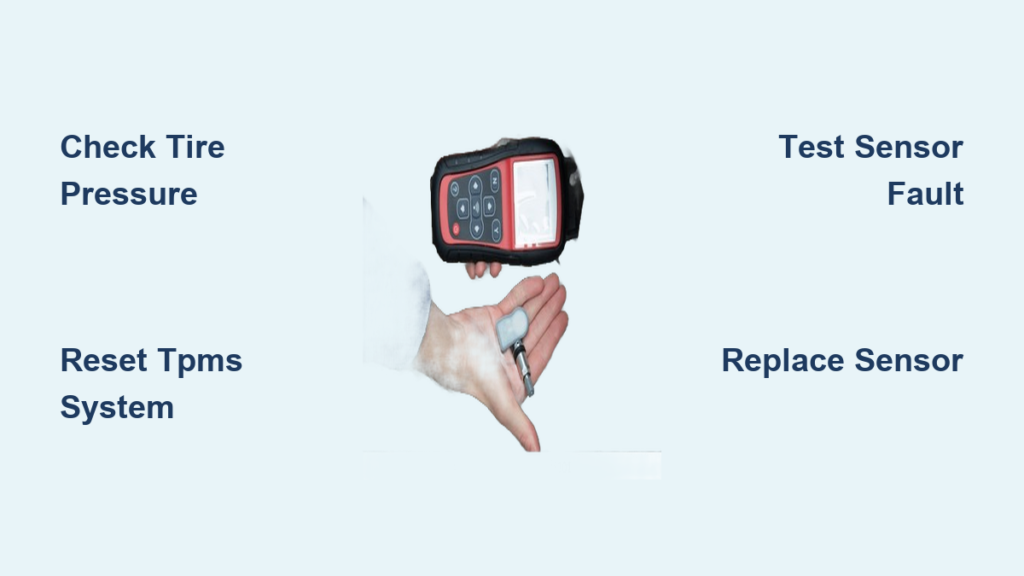
Use a Basic TPMS Scan Tool: Affordable ($30-$100) handheld TPMS tools can read sensor IDs, pressure readings, and battery status. Position the tool near each wheel to identify which sensor isn’t responding or is reporting abnormal data. This eliminates guesswork when replacing sensors.
Perform the Soap and Water Leak Test: Mix dish soap with water and spray generously around each valve stem and tire bead area. Bubbles indicate a slow leak that might be triggering the sensor fault. Even small leaks can cause pressure fluctuations that confuse the TPMS.
Consider Sensor Battery Age: Most TPMS sensors have non-replaceable batteries rated for 5-10 years. If your vehicle is 7+ years old and you’ve never replaced sensors, battery failure is likely. Multiple sensors failing simultaneously usually indicates age-related battery depletion rather than individual sensor defects.
Replace a Confirmed Faulty TPMS Sensor
When diagnostics confirm a specific sensor has failed, replacement is typically the most practical solution. While some sensors technically have replaceable batteries, the labor involved usually makes full replacement more cost-effective.
Select the Correct Replacement Sensor: TPMS sensors are vehicle-specific. You’ll need your vehicle’s exact make, model, year, and sometimes trim level to ensure compatibility. OEM sensors ($50-$150 each) offer guaranteed compatibility but cost more. Quality aftermarket options ($15-$50) work well for most vehicles—verify compatibility before purchasing.
Choose Your Installation Method: Professional installation typically costs $20-$50 per sensor plus parts but includes valve stem replacement and system programming. For DIY installation, you’ll need:
– Torque wrench (critical for proper valve stem tightening)
– TPMS scan tool for relearning
– New valve stem grommets and washers
– Patience to avoid damaging the sensor during installation
Complete the Sensor Replacement Process: The procedure involves removing the tire from the wheel, replacing the old sensor with new components, and properly torqueing all parts. Critical step: After installation, you must perform the vehicle-specific relearn procedure so your car recognizes the new sensor’s unique ID—this is why many DIY replacements fail to resolve the fault.
Address Complex TPMS System Failures
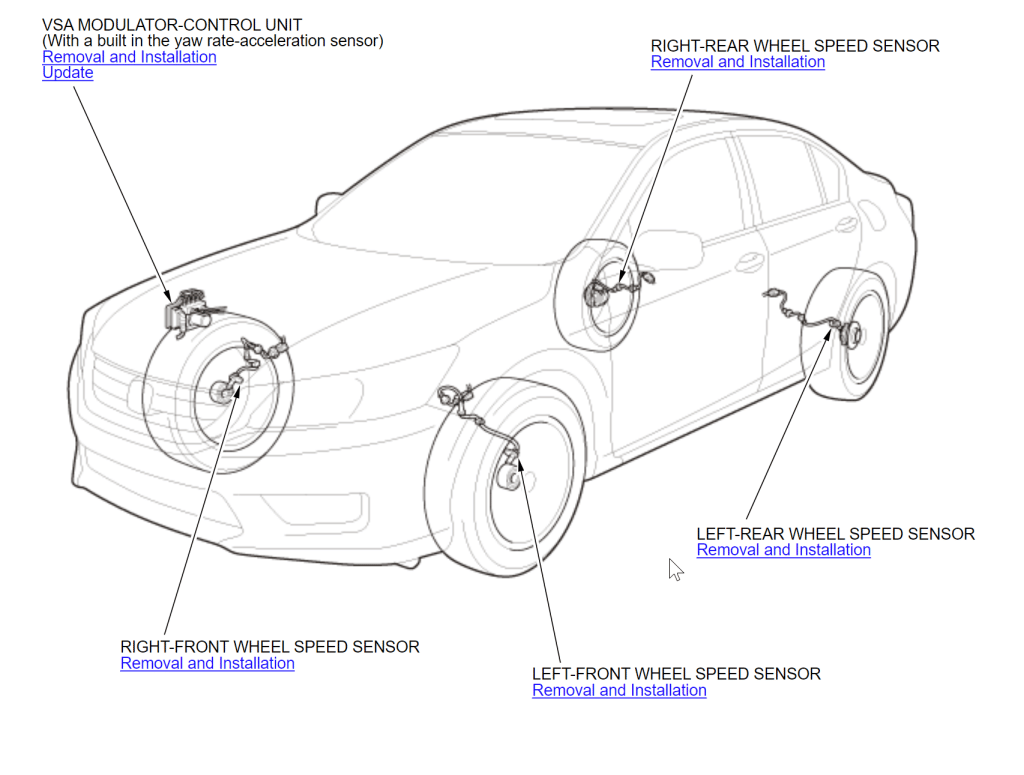
Some tire pressure sensor faults stem from system-level issues beyond individual sensors. These require different diagnostic approaches and repair strategies.
Check TPMS Module and Antenna Functionality: The central TPMS module receives data from wheel sensors. A failed module causes all sensors to appear faulty simultaneously. Diagnosing this requires professional scan tools that can test module communication and signal strength—often best left to professionals.
Inspect Wheel Well Wiring Harnesses: Wiring damage from road debris, corrosion, or repeated flexing can cause intermittent faults. Look for cracked insulation, corroded connectors, or loose connections near each wheel. Repair with proper electrical techniques including soldering and heat-shrink tubing for weatherproofing.
Handle Spare Tire Sensor Issues: Many vehicles include a TPMS sensor in the spare tire. A fault here can trigger dashboard warnings even when road tires are fine. Check spare tire pressure and condition—some systems require special relearn procedures after spare tire service.
Extend Your TPMS System Longevity

Preventive maintenance helps avoid future tire pressure sensor faults and extends the life of your entire monitoring system.
Maintain Consistent Tire Pressures: Check pressures monthly when tires are cold using a quality digital gauge. Proper inflation reduces stress on sensors and prevents false warnings. Remember that pressure naturally increases 1-2 PSI for every 10°F temperature rise.
Protect Sensors During Tire Service: When getting new tires, remind technicians about your TPMS sensors. Quality shops use special tools to avoid damaging sensors during tire mounting and always install new valve stems with sensor replacements.
Replace Valve Stems Proactively: Rubber valve stems degrade over time and should be replaced every 5-7 years. Metal stems last longer but still need periodic inspection for corrosion. This simple maintenance item prevents many common sensor faults.
Perform Quarterly System Checks: Verify your TPMS functions properly by intentionally deflating one tire slightly (to 25-28 PSI), then reinflating it. The system should trigger a warning when low and clear it after proper inflation and driving. Catching issues early prevents bigger problems.
Recognize When to Call a Professional
Some TPMS issues exceed reasonable DIY repair efforts. Knowing when to seek professional help prevents wasted time, money, and potential safety issues.
Complex Electrical Diagnostics: If troubleshooting points to module failures, wiring issues, or body control module problems, professional diagnosis is usually necessary. These repairs require specialized tools and technical knowledge beyond most DIY capabilities.
Advanced Programming Requirements: Many modern vehicles need dealer-level programming for sensor replacement. If your vehicle requires this, you’ll either pay the dealer for programming or find an independent shop with the necessary scan tools and software access.
Recurring or Intermittent Faults: Issues that come and go often indicate underlying problems that simple part replacement won’t fix. Water intrusion, electrical shorts, or software glitches require professional diagnosis with advanced tools to prevent repeated failures.
A tire pressure sensor fault doesn’t have to mean an expensive dealership visit. By following this systematic approach to diagnosis and repair, you can resolve most common TPMS issues yourself while ensuring your vehicle’s critical safety system functions properly. Regular maintenance and proper tire care will keep your TPMS working reliably for years to come—giving you peace of mind every time you hit the road.