Nothing disrupts your lawn care routine faster than discovering a flat tire on your zero turn mower. These specialized machines depend on properly inflated tires to deliver the precise steering response, even cutting height, and turf protection that define their performance. When a tire goes flat, the consequences extend beyond simple inconvenience—improperly inflated tires strain transmission components, damage wheel bearings, and leave unsightly ruts across your carefully maintained lawn. Learning how to fix flat tire on zero turn mower issues saves valuable time, protects your equipment investment, and ensures your lawn stays healthy and attractive.
This guide walks you through recognizing flat tire symptoms, assessing damage severity, applying sealant solutions for immediate repair, and understanding when professional service becomes necessary. Whether you’re dealing with an unexpected flat or implementing preventive measures, these actionable steps will keep your zero turn mower operating at peak performance.
Identify Flat Tire Warning Signs Before Damage Spreads
Detecting tire problems early prevents secondary damage to your zero turn mower and minimizes disruption to your mowing schedule. Develop a habit of performing quick visual and performance-based checks before each use to catch issues before they escalate.
Visual indicators often provide the first clues that something is wrong. Walk around your mower and examine tire sidewalls for visible damage, including cuts, cracks, punctures, or embedded debris such as thorns, nails, or screws. Pay special attention to the valve stem area—common failure points include cracked or damaged stems that allow slow air leakage over time. Check for uneven tire bulging that indicates internal structural damage.
Performance symptoms alert you to tire problems during operation. A zero turn mower with a flat tire will noticeably pull to one side during straight mowing passes, making it difficult to maintain even rows. The mower may feel unstable on slopes or when executing tight turns, with the affected tire causing inconsistent deck height that scalps grass on one side. Unusual vibrations or wobbling while driving also signal potential tire issues requiring immediate investigation.
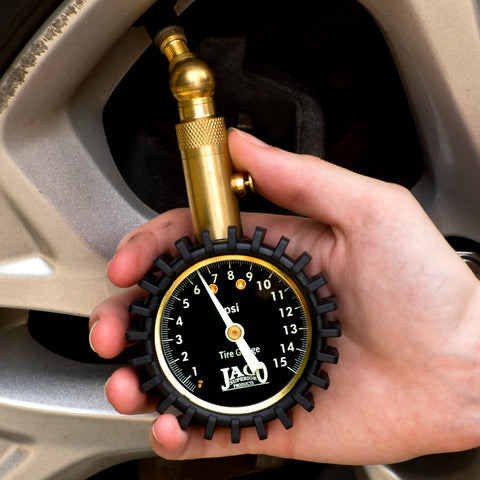
Pressure testing offers definitive confirmation of tire health. Use a quality tire pressure gauge appropriate for your mower’s specifications—most zero turn mowers require pressure between 10-15 PSI for rear tires. Compare readings against the manufacturer’s recommended pressure found on a decal inside the mower deck or in your owner’s manual. A tire that loses pressure overnight or shows a reading significantly below specifications needs prompt attention to prevent further damage.
Determine If Your Tire Needs Repair or Replacement

Not all flat tire situations require the same solution. Understanding the severity and type of damage helps you choose the appropriate repair method and avoid unnecessary expenses or safety risks.
Minor punctures from thorns, small nails, or screws often represent the most common cause of flat tires on zero turn mowers. These punctures typically appear in the tread area and measure less than a quarter inch in diameter. If you can locate the puncture object and it remains embedded in the tire, sealant products can often provide an effective temporary or semi-permanent fix. The key factor is puncture size—objects creating holes larger than a quarter inch generally require traditional plug or patch repair rather than sealant alone.
Sidewall damage presents a more serious concern that usually necessitates tire replacement rather than repair. The sidewall flexes during operation and bears significant structural stress during turns. Cuts, cracks, or gouges in the sidewall compromise the tire’s integrity regardless of size. Even small cracks that appear superficial can expand under operational stress, leading to sudden tire failure. If damage appears on the sidewall rather than the tread, plan for tire replacement.
Apply Tire Sealant for Immediate Flat Tire Repair
Tire sealants provide an effective solution for preventing flats and addressing minor punctures on zero turn mowers. Proper application ensures maximum protection and avoids complications from under-application or over-application.
Calculate the correct dosage for your specific tire size. Zero turn mowers typically feature tires in the 8-12 inch diameter range with widths between 4-8 inches for rear drive tires. For these applications, products like TireJect Off-Road Tire Sealant offer specific dosage recommendations. The Lawn Mower Tire Sealant Kit ($47.99) provides the right amount for standard residential and commercial mower tire volumes, while the Single Tire Repair Kit ($21.99-$34.99) treats individual tires. Under-dosing reduces sealing effectiveness, while over-dosing can cause tire imbalance.
Inject the sealant through the valve stem using the provided applicator. For rear drive tires on most zero turn mowers, a single tire treatment typically requires 4-8 ounces of sealant depending on tire volume. After injection, reinstall the valve core, inflate the tire to the recommended pressure, and briefly rotate the wheel to distribute the sealant coating across the inner tire surface.
Distribute the sealant evenly by driving the mower for several minutes, allowing centrifugal force to spread the compound across all tire surfaces. This movement helps the sealant locate and seal any minor punctures while coating the entire inner liner. After this distribution period, recheck tire pressure and add air if needed to reach specifications.
Reinspect the repair after 24 hours by checking pressure and examining the tire for any remaining leak points. If pressure has dropped, a second application may be needed, or the damage might exceed what sealant can address. Most quality sealants provide protection for 12-24 months, after which reapplication maintains ongoing prevention.
Prevent Future Zero Turn Mower Flat Tires
Proactive prevention reduces downtime and extends tire service life, ultimately saving time and money over the life of your zero turn mower. Implement these maintenance practices to minimize flat tire incidents.
Regular pressure checks catch slow leaks before they become complete flats. Make tire pressure inspection part of your weekly mowing routine or before each use if you operate frequently. Mark the correct pressure on your mower for quick reference, and maintain pressure within the manufacturer’s specified range. Temperature affects pressure readings—cold tires show lower readings than warm tires, so perform checks before operation for accurate baseline measurements.
Apply preventive sealant for ongoing protection against the most common puncture risks. TireJect Off-Road Tire Sealant protects against thorns, nails, screws, and barbed wire—exactly the hazards encountered during lawn maintenance operations. The product forms a protective coating inside the tire that immediately seals small punctures as they occur, often before you notice any pressure loss. For commercial operations, the Gallon Tire Repair Kit ($139.99) provides cost-effective protection for multiple machines.
Conduct visual inspections before each use to identify potential problems early. Walk around your mower and look for embedded objects, sidewall damage, uneven wear, or valve stem issues. Remove any embedded thorns or small objects that haven’t yet caused leaks—their removal before puncture occurs prevents air loss. Catching sidewall cracks or damage early allows planned replacement rather than emergency downtime.
Recognize When Professional Tire Replacement Is Necessary

Some flat tire situations exceed what DIY repair methods can safely address. Recognizing when replacement is the appropriate choice protects your investment and ensures safe operation.
Puncture size limits define the practical boundaries of repair. Holes larger than a quarter inch in diameter typically cannot be sealed effectively by any product or method. Punctures in the sidewall, regardless of size, compromise structural integrity and require replacement. Multiple punctures close together create a weakened zone that may fail under operational stress.
Tire age and condition influence replacement decisions. Rubber deteriorates over time, with most zero turn mower tires showing meaningful degradation after 5-7 years of regular use. Check the manufacturing date code on the tire sidewall—a four-digit code indicates week and year of manufacture. If your tire is approaching or past the 5-year mark and has experienced a flat, replacement often makes more sense than repair. Similarly, tires with significant tread wear, dry rot, or UV damage should be replaced rather than repaired.
Safety considerations should guide decisions when operator or bystander safety could be at risk. Tire failures during operation can cause loss of control, particularly at the speeds zero turn mowers can achieve. If there’s any doubt about whether a repair will hold under operational stress, choose replacement. The cost of a new tire pales compared to potential injury or property damage from a tire failure.
Maintain Optimal Tire Performance Long-Term
Beyond addressing flat tires, ongoing tire maintenance ensures your zero turn mower delivers consistent cutting performance and handling response. Implement these practices to maximize tire life and mower performance.
Consistent pressure maintenance prevents uneven wear that degrades handling and cutting quality. Check pressure monthly, adjusting to specifications as needed. Temperature variations cause natural pressure fluctuations—add air when readings fall below specifications rather than waiting for visible performance issues. Invest in a quality pressure gauge rather than relying on visual inspection alone.
Cleaning practices remove debris that causes punctures or accelerates deterioration. After each mowing session, inspect tires for embedded objects and remove any thorns, nails, or debris you find. Wash mud and grass buildup from tire surfaces, particularly around the bead area where debris can damage the seal between tire and rim.
Alignment checks ensure tires wear evenly and the mower steers correctly. Misalignment causes one tire to drag or wear faster than its counterpart, leading to premature replacement needs. If you notice uneven wear patterns or the mower pulling to one side despite proper tire pressure, have alignment checked and corrected.
Final Flat Tire Repair Guidance
Flat tires on zero turn mowers don’t have to derail your lawn care routine when you know how to fix flat tire issues properly. Start by recognizing symptoms early through visual inspection and performance monitoring. For minor tread punctures under a quarter inch, tire sealants like TireJect Off-Road provide an effective repair solution that also prevents future flats. Apply the correct dosage based on your tire size—typically 4-8 ounces per rear tire—and allow time for proper distribution.
When damage exceeds repairable limits, don’t risk safety or equipment integrity—replace the tire. Monitor tire age and condition, as rubber deteriorates over time regardless of visible damage. For professional assistance with complex repairs or if you’re unsure about your repair capabilities, contact technical support at 607-333-7343 or help@tireject.com for guidance specific to your zero turn mower model.
By implementing regular pressure checks, preventive sealant applications, and thorough visual inspections, you’ll significantly reduce downtime from flat tires while extending the service life of your zero turn mower’s tires. This proactive approach ensures your equipment remains ready for operation whenever you need it, protecting both your investment and the quality of your lawn care results.