Nothing disrupts the joy of cycling quite like discovering a flat tire mid-ride. Whether you’re commuting to work, exploring trails, or simply enjoying a neighborhood spin, a broken bike tire can leave you stranded and frustrated. The good news is that fixing a flat bike tire is one of the most valuable skills every cyclist can master—it’s surprisingly straightforward with the right approach, and most repairs can be completed in under 30 minutes using basic tools. This guide provides clear, step-by-step instructions for diagnosing tire damage, performing both temporary trailside fixes and permanent repairs, and implementing preventative measures to minimize future flats. By the end of this article, you’ll have the confidence to handle tire issues wherever your rides take you.
Diagnose the Damage Before You Begin
Jumping straight into tire repair without assessing the damage often leads to repeated flats or wasted effort. Taking just a few minutes to identify the specific problem ensures you apply the correct solution and prevents you from making the same mistake twice.
Pinpoint the Exact Puncture Type and Location
Start by examining the tire’s exterior for visible culprits. Run your fingers gently along the tread surface to locate any embedded objects like glass, thorns, or metal fragments—be careful not to press hard enough to push them deeper. Pay special attention to the valve stem area, as leaks here often require tube replacement rather than patching. Next, inspect the tire’s sidewalls for cuts or tears, which typically indicate the tire itself needs replacing rather than just the tube.
The location of damage determines your repair approach. Small punctures from thorns or tiny nails in the tread area (typically less than 3mm in diameter with clean edges) are perfect candidates for patching. However, if you find larger holes exceeding 3mm, multiple punctures clustered closely together, or damage along the inner curve of the tube (which suggests “snake bite” pinch flats from low tire pressure), tube replacement becomes necessary. Sidewall damage to the tire itself usually requires replacing the entire tire, as patches won’t hold reliably on these flexing sections.
Determine Whether to Patch or Replace
Not all flats warrant the same solution. Consider both the damage severity and your tube’s age when deciding between repair and replacement. Modern patch kits create remarkably durable repairs for small, clean punctures, often lasting as long as a new tube. However, if your tube shows signs of dry rot (small cracks or powdery residue when flexed), even small punctures should prompt replacement since aged rubber won’t form reliable bonds with patches.
For roadside emergencies, carrying a spare tube allows for quick replacement so you can finish your ride. Save the patching for later when you have proper lighting and workspace. This two-stage approach—swapping tubes on the trail and patching at home—keeps your rides moving while ensuring long-term reliability.
Gather the Right Tools for the Job
Having appropriate tools makes the difference between a frustrating experience and a smooth repair. Your toolkit should vary based on whether you’re preparing for trailside emergencies or performing home maintenance.
Build a Comprehensive Home Repair Kit
For permanent repairs, invest in quality tools that deliver reliable results. Essential items include two plastic tire levers (metal ones can damage rims), a patch kit with vulcanizing glue and multiple patch sizes, a floor pump with pressure gauge, and optionally, hex wrenches for wheel removal. Avoid cheap “glueless” patches—they rarely create durable seals. Instead, choose a kit with pre-cut patches and proper rubber cement that chemically bonds with the tube material.
Store spare tubes in a cool, dry place away from direct sunlight, as UV exposure and heat accelerate rubber degradation. Purchase tubes matching your tire size exactly—most standard road bikes use 700x23c or similar, while mountain bikes typically require 26″, 27.5″, or 29″ tubes. Keeping two or three spares on hand ensures you’re never caught unprepared.
Pack a Minimalist Roadside Emergency Kit
For rides away from home, prioritize compactness without sacrificing functionality. Your emergency kit needs just three essentials: one correctly sized spare tube, two tire levers, and a CO2 inflator with cartridges. This combination enables quick tube replacement to get you home when a puncture strikes miles from your driveway.
Some cyclists add a small multi-tool with tire levers integrated and a mini-pump as backup for CO2 cartridge failures. While glueless emergency patches exist, consider them last-resort options only—they provide temporary fixes at best and shouldn’t replace proper vulcanizing patches for lasting repairs.
Remove the Wheel and Tire Properly
Rushing wheel removal damages components and complicates the repair process. Following these steps ensures you extract your wheel safely without causing additional problems.
Release Brakes and Extract the Wheel
For rim-braked bikes, engage the brake quick-release before attempting wheel removal—this creates enough clearance for the tire to pass through the brake pads. On disc brake models, simply remove the wheel without touching the calipers, but avoid touching the rotor with greasy hands to prevent contamination.
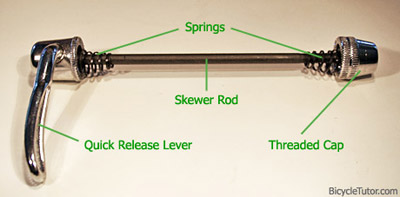
Shift your chain onto the smallest front and rear gears to reduce tension, especially important for rear wheels. Release the quick-release lever or axle nuts, then gently lift the bike while tapping the wheel downward. Rear wheels require extra care—push the wheel forward slightly to clear the derailleur before lifting it free.
Separate the Tire from the Rim
With the wheel removed, deflate the tube completely by pressing the valve core inward. Press both tire beads toward the center of the rim at the valve location to create slack. Insert one tire lever under the bead near the valve, hooking it over a spoke, then work a second lever around the rim to lift one entire bead off.
Once one bead is free, pull the tube out carefully, starting with the valve stem. Avoid excessive stretching that could worsen damage or make puncture location difficult. With the tube removed, inspect the inside of the tire thoroughly for any remaining debris before proceeding.
Locate the Puncture with Precision
Finding the exact hole is critical—patches applied even slightly off-target fail quickly. Two reliable methods work for most situations.
Use the Inflate-and-Listen Technique
Partially inflate the tube (about 50% of normal pressure) and hold it near your ear while rotating slowly. Listen for the distinctive hissing sound of escaping air. For tiny leaks, submerging sections in water reveals telltale bubbles. Mark the puncture location clearly with chalk or a pen—this reference point ensures accurate patch placement.
Perform a Visual Inspection
For larger punctures, hold the inflated tube against a bright background. Light passing through the hole creates a visible pinpoint. Systematically inspect the entire tube, including the valve area which often develops subtle leaks. Check for “snake bite” pinch flats—two closely spaced parallel holes caused by riding on underinflated tires.
Apply a Durable Patch

Proper patching requires patience and attention to detail. Rushing these steps guarantees premature failure.
Prepare the Tube Surface Thoroughly
Deflate the tube completely and roughen a 2-inch diameter area around the puncture using the sandpaper from your kit. This creates microscopic grooves for the glue to bond with. Wipe away all rubber dust, then apply a thin, even layer of vulcanizing glue extending slightly beyond the patch size. Let the glue dry until tacky—about 3-5 minutes—before applying the patch.
Position and Seal the Patch Correctly
Remove the patch backing carefully and position it precisely over the puncture. Once contact is made, you cannot reposition it. Press firmly from the center outward for 30 seconds to eliminate air bubbles. Allow the patch to cure for at least 10 minutes before reinflation—this waiting period creates the strongest possible bond.
Check and Repair the Tire Itself
A patched tube will fail again if the original cause isn’t addressed. Never reinstall without verifying the tire is clean and intact.
Remove All Embedded Debris
Run your fingers along the entire interior tire surface, feeling for sharp objects. Use a pointed tool to extract any remaining glass, thorns, or metal fragments. Check both sides of the tire for entry and exit points, removing debris in the same direction it entered to avoid creating new holes.
Verify Proper Tire Installation
Ensure the tire is correctly sized for your rim and seated evenly. An undersized tire causes pinch flats, while an oversized one risks popping off during riding. The tire should sit centered on the rim with equal rubber visible on both sides. Directional tires must rotate in the indicated direction for optimal performance.
Reinstall and Inflate Correctly
Improper reinstallation causes more flats than poor patching. Follow these steps to ensure success.
Reinstall the Tube and Tire Carefully
Partially inflate your patched tube to give it shape, then insert the valve through the rim first. Work the tube inside the tire, pushing it toward the center of the rim bed. Starting at the valve, work the tire bead back onto the rim by hand as much as possible before using levers. Check frequently for pinched tubes—any bulging indicates improper installation.
Inflate to Recommended Pressure
Inflate in short bursts, checking tire seating after each increment. Stop if you notice uneven seating and deflate to reposition. Reach the pressure range printed on your tire sidewall—typically 80-130 PSI for road bikes and 25-40 PSI for mountain bikes. Use a pressure gauge for accuracy; underinflation causes pinch flats while overinflation risks blowouts.
Prevent Future Flats Proactively
Smart maintenance dramatically reduces flat frequency. Implement these strategies to keep rolling.
Maintain Consistent Tire Pressure
Check pressure weekly and before long rides. Underinflated tires are vulnerable to pinch flats and rim damage. Invest in a quality floor pump with gauge for accurate home inflation. Adjust pressure based on conditions—slightly lower for wet or rough terrain, higher for smooth pavement.
Replace Tires Before They Fail
Inspect tires regularly for tread wear, sidewall cracks, and exposed casing. Replace tires when tread wears down to wear indicators or when you spot dry rot. Even tires with remaining tread become dangerous when the casing degrades—don’t wait for catastrophic failure.
Develop Hazard-Avoidance Habits
Scan the road 15-20 feet ahead and make small steering adjustments to avoid debris. Steer clear of storm grates, fresh paint lines, and road shoulders where debris accumulates. These small course corrections prevent most punctures before they happen.
With these skills mastered, flat tires become minor inconveniences rather than ride-ending disasters. Keep your repair kit stocked, maintain proper tire pressure, and inspect your tires regularly—you’ll spend more time enjoying the ride and less time stranded by the roadside. The first few repairs may feel challenging, but with practice, you’ll fix flats faster than most shops can service your bike.