Ever stood in a tire shop feeling completely lost when the salesperson asks, “What’s your trim level?” You’re not alone. Knowing how to find tire trim information is absolutely critical when shopping for replacement tires, yet most drivers have no idea where to locate this essential detail. Your vehicle’s trim level directly determines the exact tire size, load capacity, and performance specifications engineered for your specific configuration. Without this information, you risk purchasing tires that won’t fit properly, compromise your vehicle’s handling, or even damage critical components. In this guide, you’ll discover every reliable method to pinpoint your exact trim level and understand precisely how it connects to your tire requirements—saving you time, money, and potential safety hazards.
Why Your Vehicle’s Trim Level Dictates Tire Specifications
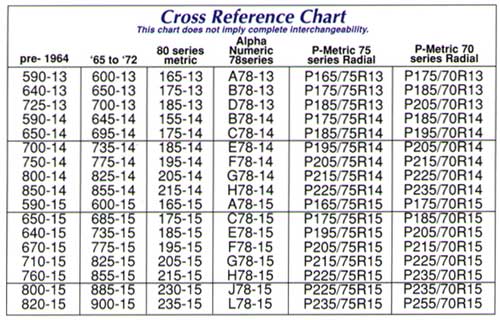
How Trim Variations Affect Tire Requirements
Different trim levels of the same vehicle model often require completely different tire sizes and specifications. A base model Honda Civic might roll on 15-inch wheels with specific all-season tires, while the Sport trim comes equipped with 17-inch wheels and low-profile performance tires. When you learn how to find tire trim details accurately, you’ll avoid the common mistake of assuming all versions of a vehicle model use identical tires. Manufacturers design each trim with specific performance characteristics in mind—luxury trims need tires that absorb road noise for a smoother ride, while sport trims require enhanced grip and responsiveness.
Safety and Performance Implications of Incorrect Tire Selection
Using tires not designed for your specific trim level creates serious risks that extend beyond simple fitment issues. The wrong tires can significantly increase your braking distance, reduce fuel efficiency by up to 3%, and dramatically alter your vehicle’s handling dynamics. For example, installing base-model tires on a performance trim vehicle might cause dangerous understeer during emergency maneuvers. When you properly identify your trim level first, you ensure your replacement tires maintain the precise engineering balance between safety, comfort, and performance that your vehicle was designed to deliver.
Locate Your Trim Level Through Physical Inspection
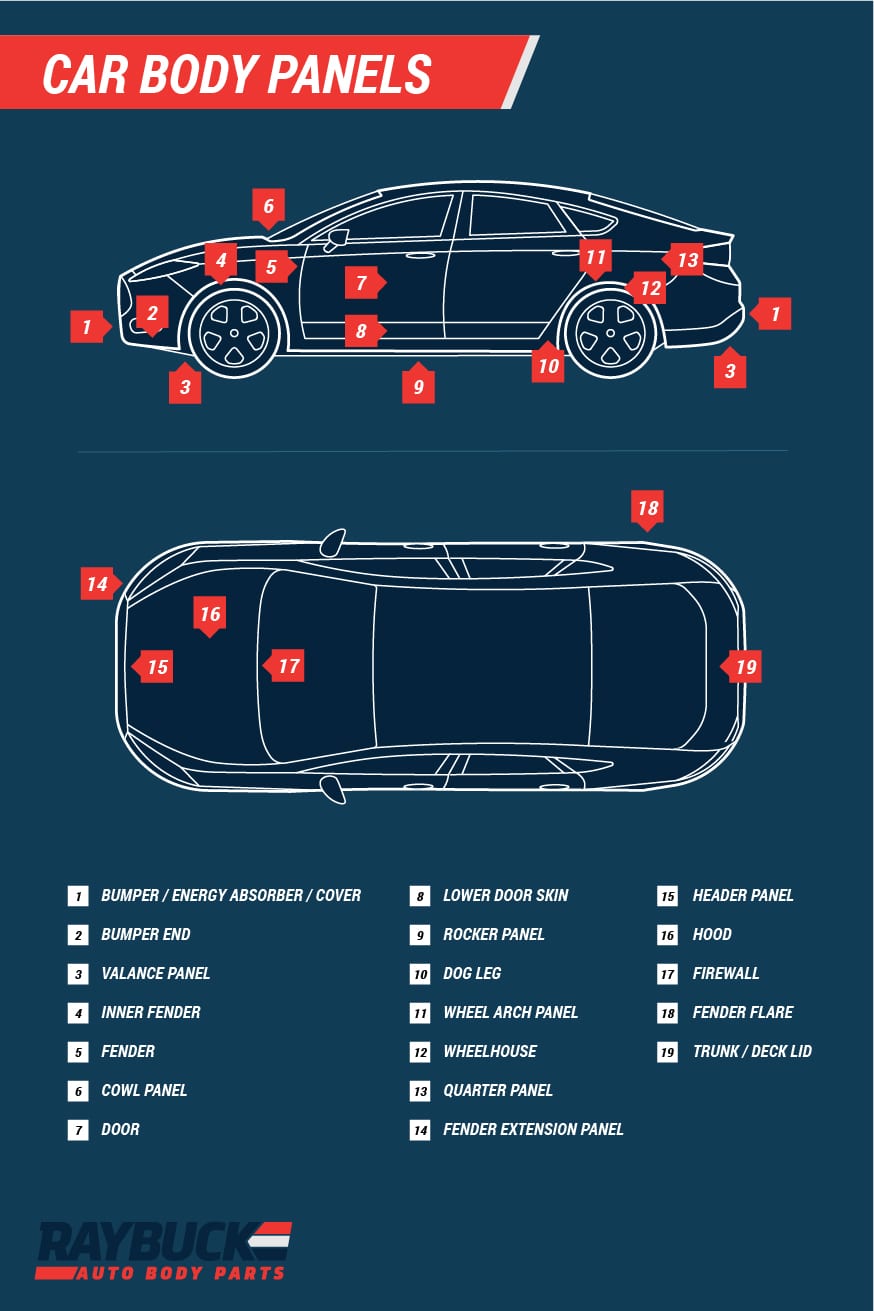
Identifying Exterior Trim Badges and Markings
The fastest method when learning how to find tire trim information involves examining your vehicle’s exterior. Walk around your car slowly and inspect these key locations:
- Rear trunk or hatch area (most common location)
- Lower rear bumper section
- Along the sides near wheel arches
- Front fenders or hood area (less common)
Many manufacturers place discreet trim badges that display designations like “EX-L,” “Limited,” “Sport,” or “Platinum.” These emblems differ from standard model badges—you’re looking for the specific trim designation rather than just the model name. If your vehicle has been repainted or the badges have faded, don’t worry—several other reliable methods exist.
Decoding Hidden Trim Indicators
Some vehicles don’t display obvious trim badges but contain subtle visual clues that help you determine your trim level. Examine these features carefully:
- Wheel size and design (larger wheels often indicate higher trims)
- Exterior trim accents (chrome vs. black plastic)
- Brake caliper color (red often indicates performance trim)
- Exhaust configuration (dual exhaust frequently appears on sport trims)
While not definitive on their own, these visual elements provide strong clues about your vehicle’s trim level when combined with other identification methods. Take photos of these features to reference when cross-checking with documentation sources.
Access Trim Information Through Vehicle Documentation
Vehicle Registration and Title Documents
Your vehicle registration represents the most official source for trim information since it contains the exact specifications recorded with motor vehicle authorities. This document typically lists the trim level alongside other critical vehicle details, often in a section labeled “Vehicle Description” or “Equipment Code.” When examining your registration, look for terms like “trim,” “package,” or “series” that indicate your specific configuration. This method takes less than two minutes and provides legally verified information you can confidently use when shopping for tires.
Owner’s Manual Specifications Section
The manufacturer’s owner’s manual contains a comprehensive specifications section that details your exact trim level and corresponding equipment package. Open to the “Vehicle Specifications” or “Technical Data” chapter, usually located near the back of the manual. This resource is particularly valuable because it provides manufacturer-verified information specific to your vehicle model and year. Keep your owner’s manual in an accessible place—many newer vehicles include digital versions in the infotainment system under “Vehicle Info” or “Settings.”
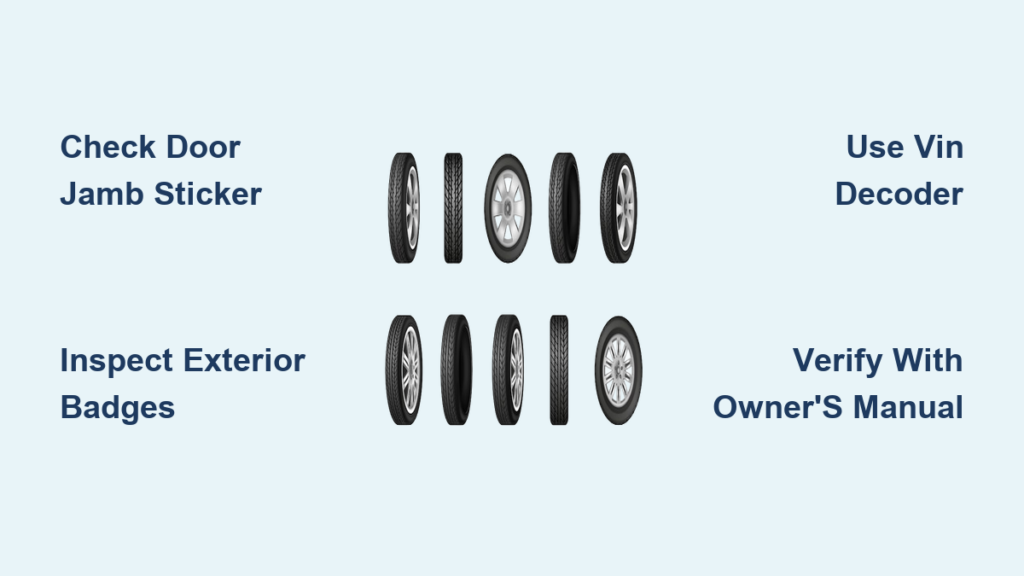
Driver’s Side Door Jamb Identification Sticker
The compliance sticker inside your driver’s side door jamb serves as a third documentation source that many vehicle owners overlook. This sticker typically lists the vehicle’s specifications, including the trim level, alongside important weight and tire information. To access it, open your driver’s door fully and examine the vertical surface where the door latch connects. This location is especially useful because it combines trim identification with direct OE tire size guidance, giving you everything you need in one convenient spot.
Translate Trim Information to Correct Tire Selection
Using Trim Level in Online Tire Search Tools
When shopping online, you’ll typically need to enter vehicle information in this specific sequence:
- Select your vehicle’s year (found on registration or door jamb sticker)
- Choose the manufacturer (make)
- Select the model name (Accord, F-150, etc.)
- Enter your specific trim level (this is the critical step!)
Skipping or guessing the trim level dramatically increases your chances of receiving incorrect tire recommendations. Take your time with this step—verify your trim against multiple documentation sources before proceeding. Most reputable tire websites will display the exact tire size specifications once you’ve correctly entered all four pieces of information.
Understanding Tire Size Codes Linked to Your Trim
Once you’ve identified your trim level, you’ll encounter tire size codes like “P215/55R17 93H” that correspond to your specific configuration. This code breaks down as:
- P: Passenger vehicle tire
- 215: Tire width in millimeters
- 55: Aspect ratio (sidewall height as percentage of width)
- R: Radial construction
- 17: Wheel diameter in inches
- 93: Load index (maximum weight capacity)
- H: Speed rating (maximum safe speed)
Your trim level directly determines this entire specification. Luxury trims might feature higher aspect ratios for comfort, while sport trims typically have lower aspect ratios for better handling.
Avoid Costly Trim Identification Mistakes

Common Errors When Determining Trim Level
Never assume all trims of the same model use identical tires—this misconception causes thousands of incorrect tire purchases annually. Even minor trim differences can result in significantly different tire requirements. Another critical error involves relying solely on your current tire size without verifying against original specifications, especially problematic if previous owners installed non-OE tires.
Handling Modified or Unclear Trim Situations
If your vehicle has undergone modifications or the trim information remains unclear after checking all standard sources, follow this verification process:
- Locate your Vehicle Identification Number (VIN)
- Visit the manufacturer’s official website
- Use their VIN decoder tool
- Access the original build sheet showing exact factory specifications
This method takes about five minutes but provides definitive confirmation of your vehicle’s original trim configuration, regardless of any subsequent modifications. Many dealership service departments will also perform this VIN lookup for free if you visit in person.
Make Tire Purchasing Simple with Correct Trim Information
Finding your vehicle’s trim level doesn’t need to be complicated when you know where to look. Start with the quickest methods—visual inspection of exterior badges and checking your driver’s side door jamb sticker—then verify with documentation sources for complete confidence. Understanding how to find tire trim information properly transforms what many consider a confusing process into a straightforward task that ensures you always select the right tires for your specific vehicle.
Take a photo of your door jamb sticker today and save it on your phone—it contains all the critical tire information tied to your trim level. This simple step will save you time and prevent errors during your next tire purchase. When you provide accurate trim information to tire professionals, you’ll receive precise recommendations that maintain your vehicle’s safety, performance, and warranty coverage. Remember, the small effort required to identify your correct trim level pays significant dividends in proper tire selection every time you need replacements.