Tire pressure sensors are critical safety components in modern vehicles, yet many drivers find themselves searching for solutions when their TPMS (Tire Pressure Monitoring System) fails. When that dashboard warning light illuminates, showing a flat tire icon, it’s natural to want a quick DIY fix. However, connecting tire pressure sensors isn’t as straightforward as most people expect. Unlike simple automotive repairs, TPMS installation involves specialized equipment and vehicle-specific programming that varies significantly across makes and models. Without proper knowledge and tools, attempting to connect these sensors yourself could lead to inaccurate readings, persistent warning lights, or even compromised safety systems. This guide explains what you really need to know about tire pressure sensor connection, when professional help is essential, and what limited steps you might safely perform yourself.
Why Proper Tire Pressure Sensor Connection Matters for Safety
Incorrectly connected tire pressure sensors create serious safety risks that many drivers overlook. When sensors aren’t properly installed or programmed, your vehicle might not alert you to dangerously low tire pressure, increasing the risk of blowouts, reduced braking performance, and loss of vehicle control. The National Highway Traffic Safety Administration estimates that underinflated tires contribute to approximately 738 fatalities and 500,000 crashes annually in the United States alone. Modern vehicles rely on precise sensor data not just for tire pressure warnings but also for stability control systems, traction control, and even adaptive suspension setups. A malfunctioning TPMS can compromise these interconnected safety features, putting you and your passengers at risk without obvious warning signs.
What Happens When Sensors Aren’t Properly Connected
When tire pressure sensors aren’t correctly connected or programmed, your vehicle’s computer system can’t accurately monitor tire conditions. This often triggers persistent warning lights that won’t reset, even with properly inflated tires. Some vehicles enter a “limp mode” that reduces performance capabilities when TPMS data is unreliable. In more advanced systems, incorrect sensor data can affect automatic emergency braking response times or lane-keeping assist functionality. The most dangerous scenario occurs when sensors appear to be working but provide inaccurate readings, creating a false sense of security while tires gradually lose pressure during highway driving.
Legal Requirements for Functional TPMS
Since 2007, federal regulations in the United States require all new passenger vehicles under 10,000 pounds to include a functional TPMS. Similar regulations exist in the European Union, Canada, and many other countries. This isn’t just bureaucratic red tape—these systems have demonstrably improved road safety. When selling or trading in your vehicle, a malfunctioning TPMS can significantly reduce its value or even prevent passing required safety inspections in many jurisdictions. Understanding the importance of properly functioning sensors helps explain why manufacturers design these systems with specific connection protocols that resist casual DIY fixes.
The Two Main Types of Tire Pressure Monitoring Systems Explained
Direct TPMS: Physical Sensors in Each Wheel
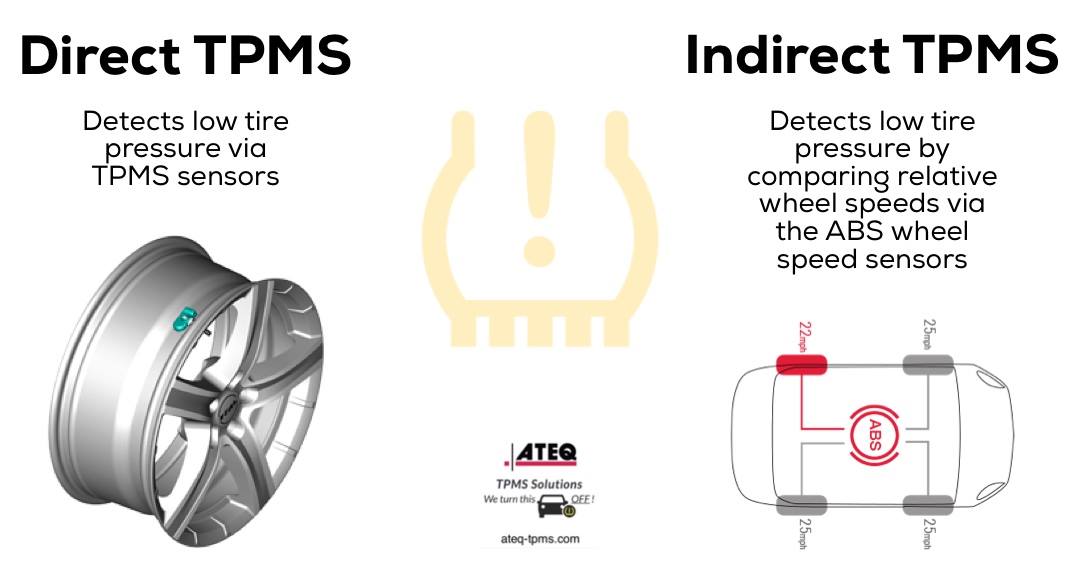
Direct TPMS systems use individual pressure sensors mounted inside each wheel, typically attached to the valve stem. These sensors transmit real-time pressure data wirelessly to your vehicle’s computer system. Each sensor has a unique identification code that must be properly registered with your vehicle’s receiver. Critical detail: These sensors require specific programming procedures after installation because your car needs to know which sensor corresponds to which wheel position (front left, front right, rear left, rear right). Without this registration, your vehicle might display “low pressure” warnings for the wrong tire, creating confusion during actual emergencies.
Indirect TPMS: Using ABS Wheel Speed Sensors
Indirect systems monitor tire pressure by analyzing wheel speed data from the anti-lock braking system (ABS) sensors. When a tire loses pressure, it rotates at a slightly different speed than properly inflated tires. This approach doesn’t require physical pressure sensors in each wheel but has significant limitations. Important consideration: Indirect systems can’t identify which specific tire has low pressure, only that pressure imbalance exists somewhere. They also require recalibration after routine tire rotations or pressure adjustments, making them less user-friendly than direct systems despite their lower hardware costs.
Why Professional Tools Are Required for Most Sensor Connections
Specialized Programming Equipment Needed
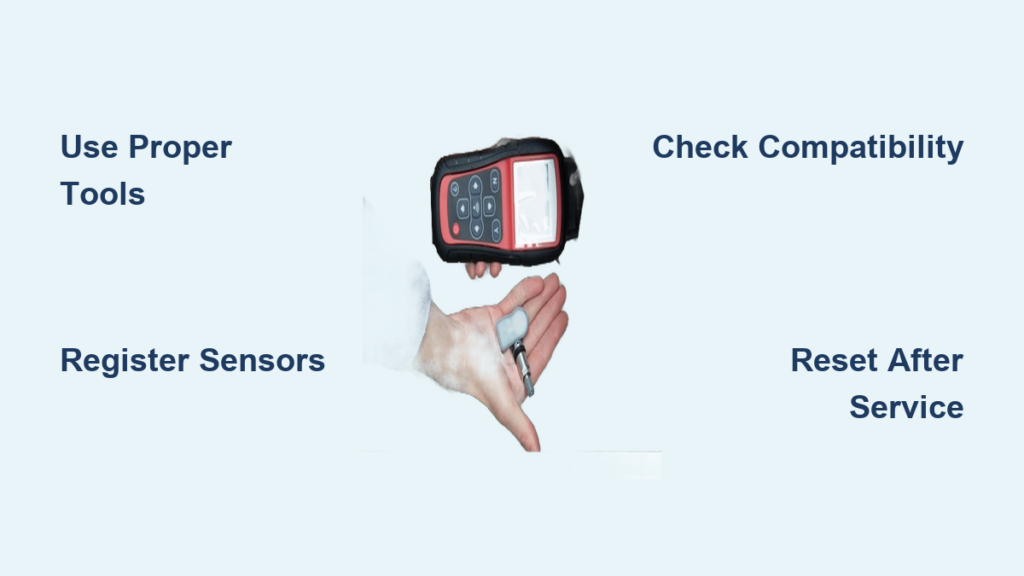
Connecting modern tire pressure sensors requires specialized diagnostic tools that can communicate with your vehicle’s computer system. Generic OBD-II scanners won’t suffice—manufacturers use proprietary programming procedures that require brand-specific or high-end aftermarket equipment. Key limitation: Even if you successfully install the physical sensor, your vehicle won’t recognize it without proper programming. This process typically involves activating the sensors with a low-frequency transmitter, then following precise in-vehicle menu sequences to register each sensor’s unique ID to its correct wheel position.
Vehicle-Specific Connection Protocols
Each vehicle manufacturer uses different sensor connection protocols and programming sequences. What works for a Toyota won’t work for a BMW, and procedures can even vary between model years from the same manufacturer. Critical fact: Many vehicles require specific driving patterns after sensor installation to complete the registration process—a step impossible to replicate in a garage setting. Luxury vehicles often have additional security protocols that prevent unauthorized sensor programming, requiring dealership-level access codes.
When You Might Safely Perform Limited Sensor-Related Tasks
Resetting Existing Sensors After Tire Service
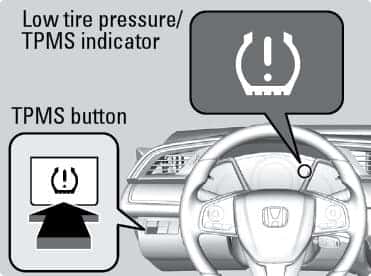
Some vehicles allow drivers to reset the TPMS system after normal tire service without specialized tools. This typically involves inflating tires to the correct pressure, then pressing a reset button (often located beneath the steering wheel) while following specific dashboard prompts. Important note: This procedure doesn’t actually “connect” new sensors—it merely tells the system to accept current pressure readings as the new baseline. Consult your owner’s manual for vehicle-specific reset procedures, as methods vary significantly.
Basic Sensor Battery Replacement (For Advanced Users Only)
On certain older sensor models, you might replace the internal battery without replacing the entire unit. This requires specialized tools to open the sensor housing and precise soldering skills to connect the new battery. Strong warning: Most modern sensors use non-replaceable batteries, and improper handling can damage the sensor’s internal components. This procedure voids warranties and should only be attempted by those with significant electronics experience—otherwise, you’ll likely create more problems than you solve.
Common Mistakes That Compromise Sensor Functionality

Using Incompatible Sensor Models
Aftermarket sensors aren’t universally compatible, despite packaging claims. Critical error to avoid: Installing sensors designed for different vehicle makes/models often results in communication failures or incorrect pressure readings. Even sensors from the same manufacturer might have different protocols across model years. Always verify sensor compatibility using your vehicle’s VIN before purchasing replacements.
Skipping the Registration Process
Many DIYers install new sensors physically but skip the essential registration step. What happens next: Your vehicle continues displaying TPMS warnings despite properly inflated tires with new sensors. Some drivers mistakenly believe the sensors are defective when the real issue is incomplete programming. Without proper registration, your system might display pressure readings from the wrong wheel position during actual emergencies.
When Professional Service Becomes Non-Negotiable
Following Tire Replacement or Rotation
Anytime tires are removed from wheels—during replacement, rotation, or repair—the sensors typically require reprogramming. Essential truth: Modern sensors often have tamper-proof seals that break during removal, requiring sensor replacement rather than simple reinstallation. Dealerships and specialized tire shops have the equipment to handle this process efficiently, whereas DIY attempts usually result in persistent warning lights and frustration.
After Battery Replacement or Electrical Work
Vehicle electrical system work or battery replacement can sometimes reset the TPMS system, requiring sensor re-registration. Important insight: Some vehicles automatically lose their sensor programming when the main battery is disconnected for more than a few minutes. Rather than struggling with complex re-registration procedures, professional technicians can restore full functionality in minutes with their diagnostic tools.
Maintaining Your Tire Pressure Monitoring System Long-Term
Regular Checks You Can Perform Safely
While you shouldn’t attempt sensor connection yourself, you can maintain system health through simple checks. Practical tip: Monthly, verify that your TPMS warning light functions by slightly deflating one tire (then reinflating to proper pressure). Check for physical damage to valve stems during routine tire inspections. Keep sensor valve caps secure—these protect the sensor’s wireless signal transmitter from moisture and debris.
Recognizing When Professional Help Is Needed
Certain warning signs indicate TPMS problems requiring expert attention. Critical indicators: Persistent warning lights despite proper tire pressure, warning lights that illuminate only at certain speeds, or multiple tires showing identical pressure readings regardless of actual inflation. If your system displays “TPMS malfunction” rather than specific low-pressure warnings, immediate professional diagnosis is essential.
Final Considerations for Safe Tire Pressure Monitoring
Attempting to connect tire pressure sensors without proper tools and knowledge typically creates more problems than it solves. The specialized nature of modern TPMS technology means that what appears to be a simple connection process actually involves complex vehicle communication protocols that resist casual intervention. Rather than risking safety compromises or expensive mistakes, recognize when professional expertise provides better value—both financially and in terms of peace of mind. When shopping for tire services, inquire whether TPMS programming is included in standard service packages, as many reputable shops now offer this capability. Remember that properly functioning tire pressure sensors contribute significantly to your vehicle’s overall safety ecosystem, making professional installation a worthwhile investment in your road safety.