Nothing ruins your riding experience faster than discovering your tubeless tire has lost pressure mid-ride due to neglected maintenance. Proper cleaning isn’t just about keeping your tires looking sharp—it directly impacts performance, safety, and longevity. Whether you’re a mountain biker tackling muddy trails, a motorcycle enthusiast hitting the open road, or a car owner with tubeless automotive tires, regular cleaning prevents sealant degradation, identifies potential damage early, and maintains that critical airtight seal. This guide delivers step-by-step instructions for effective tubeless tire cleaning that preserves your investment and keeps you rolling smoothly.
Why Your Tubeless Tires Need Regular Cleaning
Tubeless tires rely on a precise balance between the tire bead, rim surface, and internal sealant to maintain air pressure and self-repair punctures. When mud, brake dust, and road grime accumulate, they compromise this delicate system in multiple ways. Dried sealant residue along the bead creates microscopic gaps where air slowly escapes, while embedded debris in tread patterns prevents proper water dispersion during wet conditions. Most riders don’t realize that dirty tires can lose up to 5 PSI per week from compromised seals—enough to affect handling and increase rolling resistance significantly.
Cleaning your tubeless tires regularly reveals hidden problems before they strand you roadside. A thorough inspection during cleaning helps you spot developing issues like small cuts that haven’t yet caused flats, bead damage from improper installation, or uneven wear patterns indicating alignment problems. For mountain bikers, clean tires provide better traction in technical sections since debris-free treads grip loose surfaces more effectively. Motorcycle riders benefit from improved wet-weather braking as clean grooves channel water away from the contact patch. Even automotive tubeless tires perform better with regular cleaning—reducing hydroplaning risk and extending tread life by preventing chemical degradation from road contaminants.
Essential Cleaning Supplies for Tubeless Tires
Gather these specific tools before starting your tubeless tire cleaning to avoid damaging components or wasting time mid-process. You’ll need two different brushes: a soft-bristled tire brush with nylon bristles for tread cleaning and a stiffer rim brush with plastic bristles for the bead area. Professional tire technicians recommend using pH-neutral cleaners like Stoner Car Care HyperWash or Muc-Off Bike Cleaner rather than household detergents that strip natural rubber oils. Keep a bucket of warm water nearby for rinsing, plus several microfiber towels specifically for drying rubber surfaces.
For stubborn brake dust on alloy rims, use a dedicated aluminum-safe wheel cleaner like Chemical Guys Diablo Gel. Never use abrasive metal brushes or steel wool on any part of your tubeless system—these create microscopic scratches where corrosion can start. If you frequently ride in muddy conditions, invest in a tire bead scraper tool made from durable plastic that won’t scratch rim surfaces while removing dried sealant. Keep isopropyl alcohol (70% concentration) on hand for removing oil or grease contamination from sidewalls, but avoid petroleum-based solvents that deteriorate rubber compounds.
Pre-Cleaning Inspection and Preparation
Before applying any cleaning solution, perform a detailed inspection while your tire still has normal operating pressure. Run your fingers carefully along the entire bead area on both sides, feeling for irregularities, dried sealant chunks, or embedded debris that could compromise the seal. Examine the tread pattern for stones, glass, or thorns that have worked their way deep into the rubber—these can eventually penetrate the sealant layer and cause flats. Check sidewalls for cracks, bulges, or signs of dry rot that indicate aging rubber needing replacement.
For mountain bikes and motorcycles, removing the wheel provides complete access but requires proper reinstallation techniques. Automotive tires can be cleaned in place with strategic positioning. If removing wheels, mark their position relative to the frame or vehicle to maintain proper rotation direction. Release air pressure completely before attempting wheel removal—working with pressurized tubeless systems creates dangerous pinch points. Position your workspace with good lighting and drainage, as tubeless tire cleaning generates significant dirty water runoff. Keep all cleaning products organized within easy reach to maintain workflow efficiency.
Step-by-Step Tubeless Tire Cleaning Process
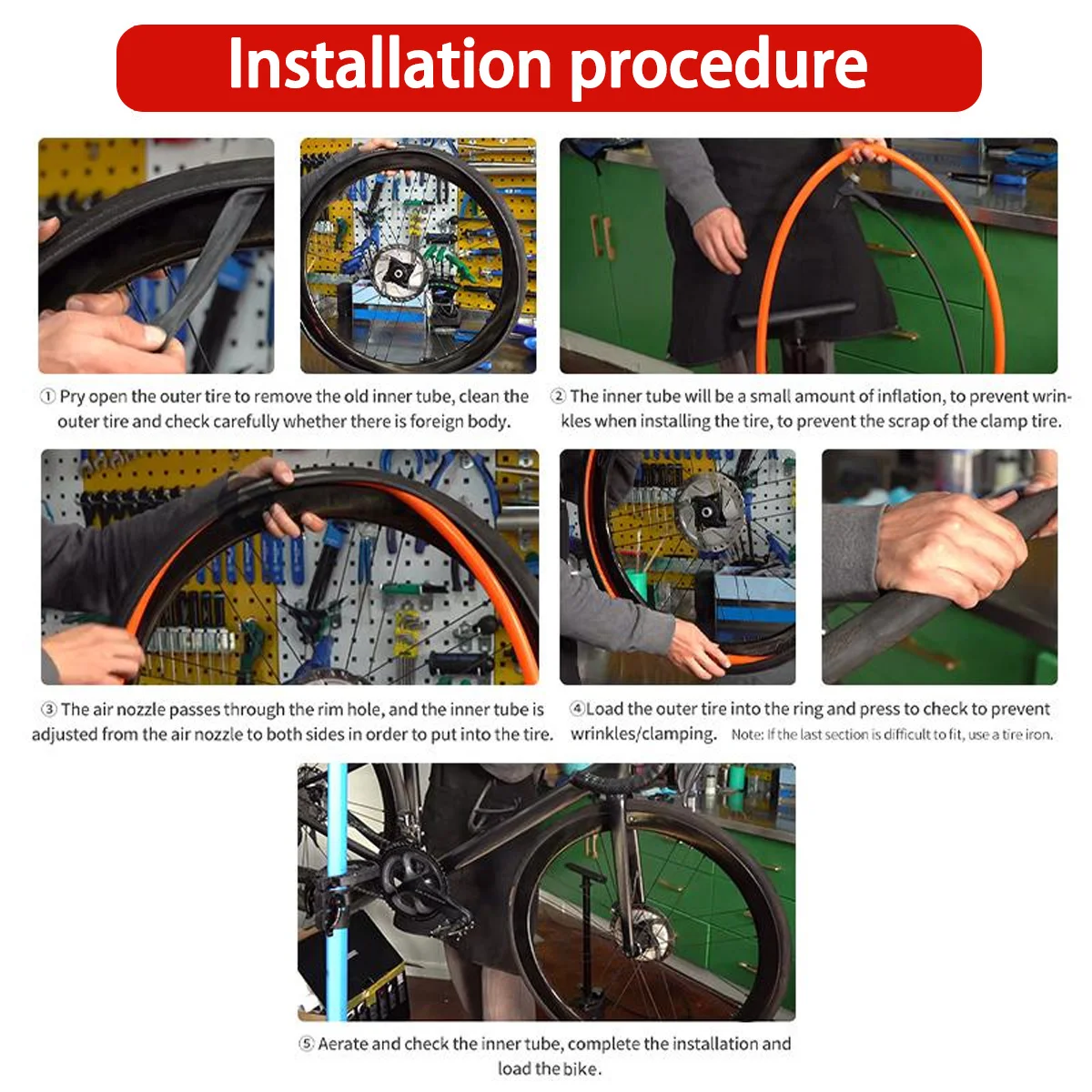
Begin by thoroughly rinsing the tire with low-pressure water to remove loose debris without forcing particles deeper into tread patterns. Spray your pH-neutral cleaner liberally across the entire tire surface, starting from the top and working downward to prevent dirty runoff from recontaminating cleaned areas. Allow the cleaner to dwell for 2-3 minutes—enough time to break down grime but not so long that it dries on the surface.
Use your soft-bristled brush to scrub the tread pattern with firm back-and-forth motions that follow the natural groove direction. This technique dislodges embedded particles more effectively than circular motions. For the sidewalls, apply lighter pressure with vertical strokes to avoid scuffing the rubber. Focus special attention on the bead area where the tire meets the rim; this critical sealing surface requires meticulous cleaning to maintain an airtight connection. Use your stiffer brush here with short, concentrated strokes to remove dried sealant residue without damaging the bead.
Removing Stubborn Sealant Buildup
Dried sealant along the bead area causes the most common slow leaks in tubeless systems. To remove this stubborn residue, apply isopropyl alcohol to a clean microfiber cloth and rub the affected area in small circular motions. For thick buildup, use a plastic bead scraper tool at a 45-degree angle, working slowly around the entire circumference. Never use metal tools that could scratch aluminum or carbon rims—these microscopic scratches become air leakage points.
If cleaning the interior bead area after tire removal, work methodically in 6-inch sections. Wipe each section with your alcohol-dampened cloth, then immediately dry with a clean portion of the towel to prevent moisture from reaching the sealant inside. For extreme cases where sealant has hardened into a crust, apply a small amount of warm water to rehydrate the material before scraping—this makes removal easier without damaging the tire or rim.
Proper Drying Techniques After Cleaning

Air-drying tubeless tires leads to water spots and potential corrosion on metal rims, so thorough manual drying is essential. Start with the bead area using a clean, dry microfiber towel, working completely around both sides before moving to the tread. Use twisting motions with the towel to draw moisture from deep tread grooves. Pay special attention to valve stem areas where water can collect and cause slow leaks.
For complete drying, especially in humid conditions, use compressed air to blow moisture from hard-to-reach areas. Hold the nozzle 6-8 inches from the surface and use short bursts directed into tread channels and along the bead seating surface. Never skip this step—residual moisture can dilute fresh sealant during reinstallation or cause rim corrosion over time. A properly dried tubeless tire should feel completely smooth to the touch with no damp spots remaining.
Post-Cleaning Maintenance and Sealant Management

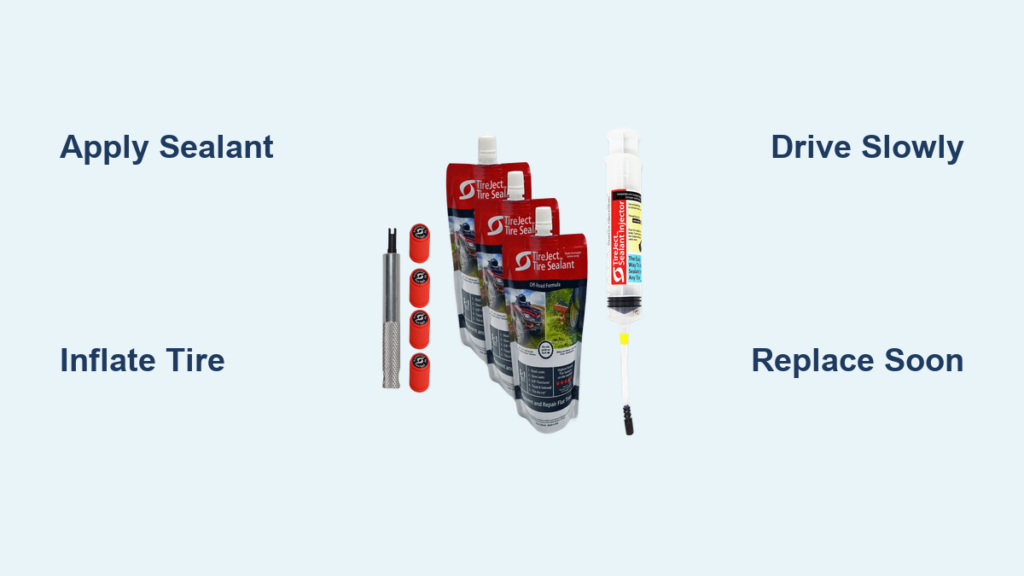
After cleaning and drying, inspect your sealant condition before reinstalling the tire. Most latex-based sealants last 3-6 months depending on temperature and usage; if the liquid appears thickened or contains large rubber particles, it’s time for replacement. When reinstalling wheels, torque lug nuts or axle bolts to manufacturer specifications in a star pattern to ensure even bead seating. Inflate slowly while watching the bead area for proper seating—most tubeless tires make an audible “pop” when the bead locks into position.
For mountain bikers and motorcycle riders, spin the wheel after inflation to distribute fresh sealant evenly. Check tire pressure after 24 hours; a small drop is normal as the sealant settles, but significant loss indicates a persistent leak needing attention. Schedule regular cleaning based on your riding conditions: after every muddy trail ride for mountain bikes, weekly for motorcycles in urban environments, and monthly for automotive applications in normal conditions.
Preventing Common Cleaning Mistakes
Many riders unknowingly damage their tubeless systems during cleaning by making these critical errors. Using high-pressure washers forces water past the bead seal, contaminating internal sealant and potentially causing immediate flats. Harsh degreasers like brake cleaner strip natural oils from rubber, accelerating dry rot and reducing tire flexibility. Skipping bead area cleaning creates the most common cause of slow leaks—dried sealant residue preventing proper sealing.
Never clean tubeless tires while they’re fully inflated—this creates dangerous working conditions where sudden bead release could cause injury. Avoid petroleum-based tire dressings that degrade rubber compounds over time; instead, use water-based protectants sparingly if desired. Most importantly, never assume a cleaned tire is ready for aggressive use—allow at least 24 hours after sealant service for complete curing before tackling challenging terrain or high-speed riding.
Regular tubeless tire cleaning takes just 15-20 minutes but delivers significant performance and safety benefits. By following these specific techniques, you’ll extend tire life, maintain optimal pressure retention, and catch developing problems before they leave you stranded. Incorporate this maintenance into your regular riding routine—you’ll notice immediate improvements in traction, handling, and peace of mind knowing your tubeless system is functioning at its best.