Maintaining proper tire pressure is one of the simplest yet most important maintenance tasks for your Audi Q5. Correct tire inflation ensures optimal handling, maximizes fuel efficiency, extends tire lifespan, and keeps you safe on the road. Many Q5 owners don’t realize that tire pressure can drop by 1-2 PSI per month naturally, and temperature changes can cause even more significant fluctuations. This guide walks you through every method to check your Audi Q5’s tire pressure, interpret the TPMS warnings, and maintain the right inflation levels year-round.
Your Audi Q5’s sophisticated engineering demands precise tire maintenance to perform as designed. When tires aren’t properly inflated, you compromise the vehicle’s renowned handling and safety features. The good news is that checking and maintaining proper tire pressure takes just minutes but delivers substantial benefits. By the end of this guide, you’ll know exactly how to check pressure using all available methods, understand when to adjust for seasonal changes, and troubleshoot common TPMS issues that Q5 owners face.
Why Proper Tire Pressure Is Critical for Audi Q5 Performance
Underinflated tires create dangerous driving conditions that directly compromise your Q5’s engineering. Each tire that’s 8 PSI below specification reduces tread life by 25% while increasing rolling resistance that can cut your fuel economy by up to 3%. For a vehicle like the Q5 that achieves approximately 22 MPG in combined driving, this translates to losing nearly 0.7 MPG—a significant hit to your driving budget over time.
The Q5’s precise handling characteristics depend on proper tire contact with the road surface. When pressure is too low, the tire’s sidewalls flex excessively during cornering, causing delayed steering response and reduced stability. This becomes particularly dangerous during emergency maneuvers where the Q5’s sophisticated quattro system relies on predictable tire behavior. More alarmingly, underinflated tires generate excessive heat that can lead to tread separation—especially critical for Q5 owners who frequently drive at highway speeds where blowouts become catastrophic.
How TPMS Protects Your Audi Q5 Investment
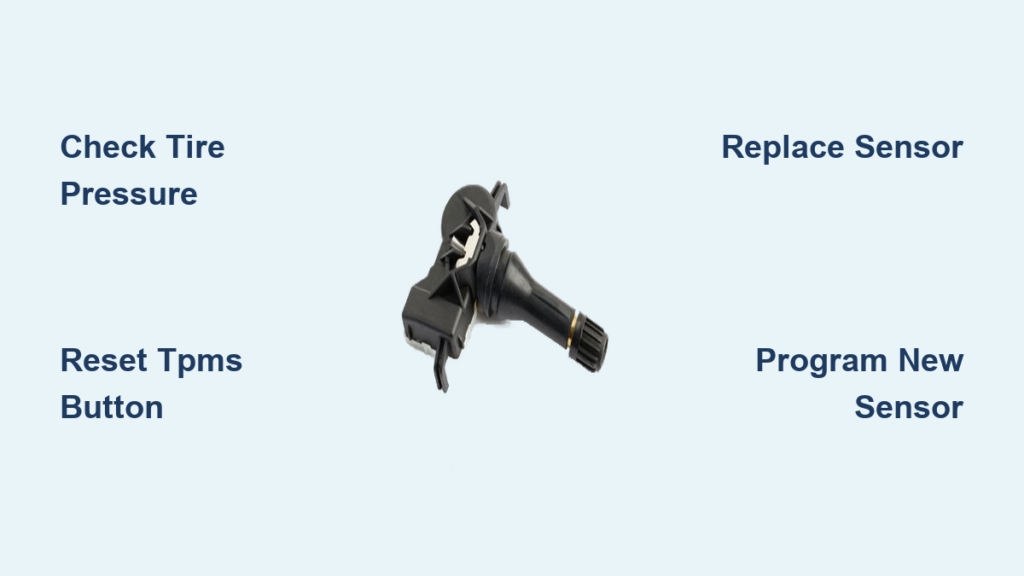
Your Q5’s Tire Pressure Monitoring System constantly tracks pressure in each wheel using sensors mounted inside the valve stems. These sensors transmit real-time data to your dashboard, alerting you before pressure drops reach dangerous levels. Unlike older vehicles that only warned when tires were severely underinflated, modern Q5 models provide progressive warnings that give you time to address issues before they compromise safety.
When the TPMS detects a tire 25% below specification (about 8-9 PSI for a Q5), it triggers the dashboard warning light. This system doesn’t just protect your safety—it preserves your substantial tire investment. Properly inflated tires on a Q5 can last 15-20% longer than neglected tires, potentially saving you hundreds of dollars in premature tire replacements. Ignoring TPMS warnings also voids potential tire manufacturer warranties that require proper maintenance documentation.
Locate Your Audi Q5’s TPMS Reset Controls

Physical TPMS Reset Button Locations
Most Audi Q5 models feature a dedicated TPMS reset button located beneath the steering wheel on the left side of the instrument panel. This small, often unlabeled button requires precise location—feel for a recessed button near the hood release lever. Some model years place this button inside the glove compartment, marked with a tire symbol. If you can’t locate a physical button, your Q5 likely uses the MMI system exclusively for TPMS functions.
When using the physical reset button, turn the ignition to position II (without starting the engine), then press and hold the TPMS button for 3-5 seconds until the TPMS light blinks three times. This initiates the calibration sequence where the system learns your current tire pressures as the new baseline. Drive at speeds above 15 mph for 10-15 minutes to complete the calibration process as the sensors transmit updated readings.
MMI System Calibration Process
For Q5 models without a physical reset button, access TPMS functions through the MMI interface. Turn on the ignition, press the “CAR” button on your center console, then navigate to “Systems” > “Tire Pressure Monitoring” > “Store Tire Pressures.” The system confirms successful storage with a chime and on-screen message. This method provides more precise calibration since you can verify exact pressure readings before storing.
The MMI system displays real-time pressure readings for each tire, typically within 1 PSI accuracy of actual pressure. This feature proves invaluable when fine-tuning pressures for specific driving conditions. Some newer Q5 models even show tire temperatures, helping you distinguish between actual air loss and pressure fluctuations caused by temperature changes.
Master Manual Tire Pressure Checks with Precision
Selecting the Right Pressure Gauge for Your Q5
Digital gauges offer the most reliable readings for Audi Q5 maintenance, with accuracy within 0.5 PSI compared to 1-2 PSI for dial gauges. Look for a gauge with a swivel head that makes valve stem access easier on the Q5’s 19-20″ wheels. A backlit display proves essential for early morning or evening checks when garage lighting is poor. Avoid pencil-style gauges—they lack the precision needed for modern vehicles with tight pressure specifications.
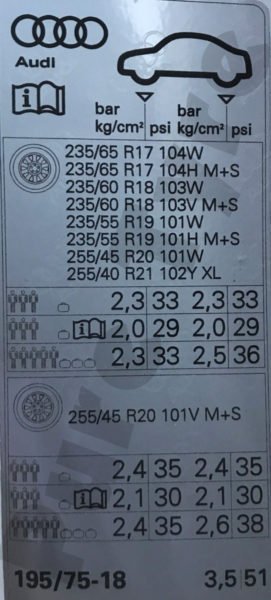
To check pressure correctly, park your Q5 on level ground and ensure tires are “cold” (parked for at least three hours or driven less than one mile). Remove the valve cap and press the gauge firmly onto the stem at a straight 90-degree angle. You’ll hear a brief hiss as the gauge seals—hold for 2 seconds to get an accurate reading. Compare to your recommended pressure (typically 33-35 PSI), noting which tires need adjustment.
Precise Inflation Techniques for Audi Standards
When adding air, use short 2-second bursts followed by rechecking—Q5 tires reach their full pressure capacity quickly due to relatively small air volume. Overinflation is common when using gas station compressors with inaccurate gauges. If you exceed the target pressure, press the center pin in the valve stem briefly to release air while monitoring with your reliable gauge.
For the most accurate results, check pressure at the same time each month—early morning readings provide the most consistent baseline as temperatures stabilize overnight. Always reinstall valve caps immediately after checking; these small components prevent moisture and debris from damaging the valve core, which causes slow leaks that trigger TPMS warnings.
Decode Seasonal Pressure Fluctuations Specific to Q5
Winter Pressure Management Strategies
During cold snaps, your Q5’s tire pressure drops approximately 1 PSI for every 10°F temperature decrease. A 30-degree temperature drop from summer to winter can cause a 3 PSI loss—enough to trigger the TPMS warning light even with properly inflated tires. To prevent this, inflate tires to 35-36 PSI when temperatures consistently fall below 40°F.
When driving in winter conditions, check pressure weekly as temperature swings significantly impact readings. Never reduce pressure for snow driving—proper inflation maintains the tire’s optimal contact patch for winter traction. If storing your Q5 during winter months, inflate tires to 40 PSI to prevent flat spots from developing during extended inactivity, but remember to reduce to normal pressure before driving.
Summer Highway Driving Adjustments
During summer heat waves, tire pressure can increase 5-8 PSI above your cold inflation level during extended highway driving. This thermal expansion explains why TPMS warnings sometimes disappear after driving—they triggered from genuinely low pressure that increased to acceptable levels as tires warmed up. For summer highway trips, maintain cold pressure at 33-34 PSI to prevent overinflation at operating temperatures.
When driving at high speeds for extended periods, stop every two hours to check pressure. Excessive heat buildup in overinflated tires accelerates center-tread wear on your Q5’s performance-oriented tires. If you notice persistent TPMS warnings during summer driving despite proper cold inflation, have your tires inspected for slow leaks that become more pronounced when tires are hot.
Troubleshoot Persistent TPMS Warnings Like a Pro
Diagnose Sensor-Related Issues
When the TPMS light remains illuminated after proper inflation, perform this quick diagnostic: drive at 15+ mph for 10 minutes, then check individual tire pressures with your gauge. If pressures are correct but the light persists, you likely have a faulty sensor. Common failure points include damaged valve stems from curbs or corrosion from road salt.
To identify which sensor has failed, check pressure readings through the MMI system. If one tire shows “—-” or “N/A” while others display values, that’s the problematic sensor. Most TPMS sensors last 5-10 years before battery depletion—consider this timeline if your Q5 is older than 2014. Sensor replacement requires specialized tools to avoid damaging the expensive aluminum wheels, making professional service the recommended approach.
Address Common Calibration Failures
If your Q5’s TPMS light flashes for 60-90 seconds before staying illuminated, the system failed to calibrate properly. This usually happens when you didn’t drive long enough after resetting or if a sensor isn’t transmitting. Complete a full calibration cycle by driving 15+ minutes at varying speeds (15-55 mph) to allow all sensors to transmit updated readings.
After tire rotation or replacement, always recalibrate the TPMS system. Failure to do so causes the system to monitor pressures against the wrong wheel positions, triggering false warnings. Some Q5 models require a special tool to activate sensors in their new positions—another scenario where Audi dealer service proves cost-effective despite higher initial expense.
Final Note: Consistent tire pressure maintenance delivers substantial benefits for your Audi Q5’s performance, safety, and operating costs. Checking pressure monthly with a quality gauge, understanding TPMS warnings, and making seasonal adjustments takes less than five minutes but prevents costly tire replacement and maintains your Q5’s renowned driving dynamics. When in doubt about persistent TPMS issues or sensor failures, consult an Audi specialist who has the proper diagnostic equipment to service your vehicle’s sophisticated monitoring system correctly.