Maintaining proper tire pressure in your Audi A3 isn’t just about optimal performance—it directly impacts your safety, fuel efficiency, and tire longevity. When your tires are underinflated by just 6 PSI, you’re looking at a 25% reduction in tire life and up to 4% worse fuel economy. Many Audi A3 owners mistakenly believe the sidewall pressure number is their target, but that’s actually the maximum safe pressure, not the manufacturer’s recommendation. Your Audi A3’s ideal pressure settings are specifically engineered for your vehicle’s weight distribution, suspension tuning, and performance characteristics. This guide will walk you through the precise process for checking and maintaining correct tire pressure in your Audi A3, helping you avoid premature tire wear, dangerous blowouts, and unnecessary trips to the service center.
Locate Your Audi A3’s Recommended Tire Pressure Specifications
Find the Official Pressure Rating Sticker
Your Audi A3’s exact tire pressure requirements aren’t guesswork—they’re documented in two specific locations in your vehicle. The primary reference is the sticker mounted on the driver’s side door jamb, which displays the recommended cold tire pressure for both front and rear tires based on your specific model year and configuration. Don’t confuse this with the maximum pressure rating printed on your tire sidewall, which is significantly higher than what Audi engineers designed for your vehicle. For most Audi A3 models from 2015-2024, front tires typically require 32-35 PSI while rear tires need 30-33 PSI, but always verify with your vehicle’s specific sticker as variations exist between sedan and hatchback models.
Understand Seasonal and Load Adjustments
Audi’s recommended tire pressures assume standard conditions, but you need to adjust for specific scenarios. During colder months, tire pressure drops approximately 1 PSI for every 10°F temperature decrease, so check pressures more frequently when seasonal changes hit. If you’re carrying heavy loads or multiple passengers regularly, consult your owner’s manual for the temporary increased pressure requirements—usually 3-5 PSI above standard—to maintain proper handling and prevent excessive tire flexing. Never inflate to the maximum pressure listed on the tire sidewall, as this will compromise ride comfort, braking performance, and tire wear patterns on your Audi A3.
Gather the Right Equipment for Accurate Measurements
Select the Proper Tire Pressure Gauge
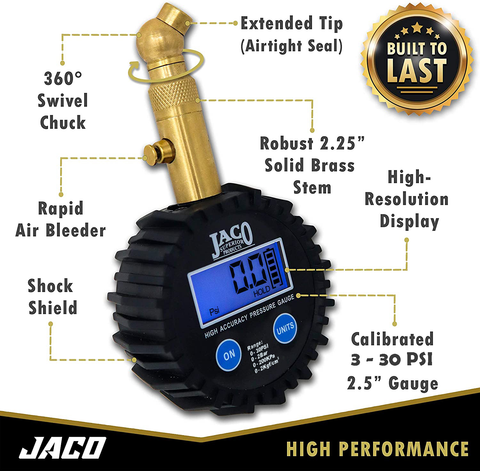
While many gas stations have air pumps with built-in gauges, these are often poorly maintained and inaccurate—sometimes by as much as 5-7 PSI. Invest in a digital tire pressure gauge ($10-$20) or high-quality analog gauge for reliable readings on your Audi A3. Digital gauges provide precise readings with backlit displays ideal for nighttime checks, while analog “pencil” gauges offer durability without batteries. Avoid the free disposable gauges from gas stations, as their accuracy degrades quickly with use. Your Audi dealership can also verify your gauge’s accuracy during routine service visits.
Determine When You Need an Air Compressor
Most Audi A3 owners will need to add air 1-2 times monthly to maintain proper pressure, especially with seasonal temperature swings. If you’re frequently at the gas station, consider a portable 12V air compressor that plugs into your Audi’s cigarette lighter socket—these typically cost $30-$60 and save time versus using public air pumps. For home use, a more powerful corded compressor provides faster inflation but requires garage storage. Always carry a basic gauge in your glove compartment regardless of whether you have a compressor, as pressure checks should happen before every long trip and monthly for regular driving.
Execute the Correct Tire Pressure Checking Procedure
Measure When Tires Are Cold for Accuracy
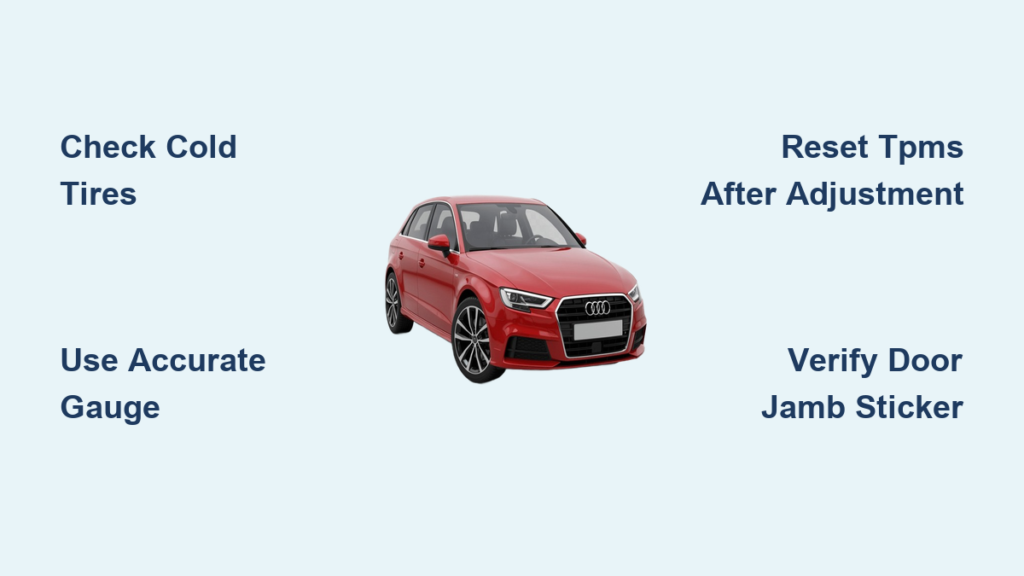
The single biggest mistake Audi A3 owners make is checking tire pressure when tires are warm from driving. “Cold” means the vehicle has been parked for at least three hours or driven less than 1 mile at moderate speed. Warm tires show falsely high pressure readings—sometimes 4-6 PSI higher than actual cold pressure—leading to chronic underinflation. For the most accurate measurement, check pressures first thing in the morning before driving. If you must check after driving, note the reading but don’t adjust pressure until tires have cooled completely.
Follow the Proper Checking Sequence
Start with the driver’s side front tire, then move to passenger’s side front, followed by driver’s rear and finally passenger’s rear. Remove each valve cap and press your gauge firmly onto the valve stem until you hear a brief hiss—this ensures an airtight seal for an accurate reading. Digital gauges will display the pressure within seconds, while analog gauges require you to read the extended rod. Write down each reading before moving to the next tire so you can compare against your recommended specifications. Replace valve caps immediately after checking to prevent dirt from entering the valve mechanism, which can cause slow leaks.
Reset Your Audi A3’s TPMS After Adjusting Pressure

Access the TPMS Reset Function Through MMI
After adjusting tire pressures to the recommended levels, you must reset your Tire Pressure Monitoring System (TPMS) to clear any warning lights. Start your Audi A3 but don’t drive yet. Navigate through the MMI screen to “CAR” > “SETTINGS” > “TIRES” > “TIRE PRESSURE MONITORING.” Select “START” to initiate the reset process. Drive at speeds above 18 mph for approximately 10 minutes while the system recalibrates to your new pressure settings. If done correctly, the TPMS warning light on your dashboard should extinguish within this driving cycle.
Troubleshoot Common TPMS Reset Issues
If the TPMS light remains illuminated after resetting, first verify all tires are at the exact recommended pressure—sometimes a 1-2 PSI difference prevents proper system recognition. Check for slow leaks by applying soapy water to valve stems and looking for bubbles. If no leaks are present and pressures are accurate, your Audi A3 may require a more advanced reset procedure available only through dealership diagnostic equipment, especially for models from 2020 and newer. Never ignore a persistent TPMS warning light, as it could indicate a sensor failure that requires professional attention.
Establish a Maintenance Routine to Prevent Problems
Create a Monthly Pressure Check Habit
Set a recurring calendar reminder to check your Audi A3’s tire pressure on the first of each month—consistency matters more than frequency. Include pressure checks as part of your pre-road trip preparation, especially before highway driving where underinflated tires pose greater blowout risks. Keep a small log in your glove compartment noting each month’s readings to identify developing trends like slow leaks that might otherwise go unnoticed. This simple habit can extend your tire life by up to 25% while maintaining optimal Audi driving dynamics.
Recognize Warning Signs of Pressure Issues
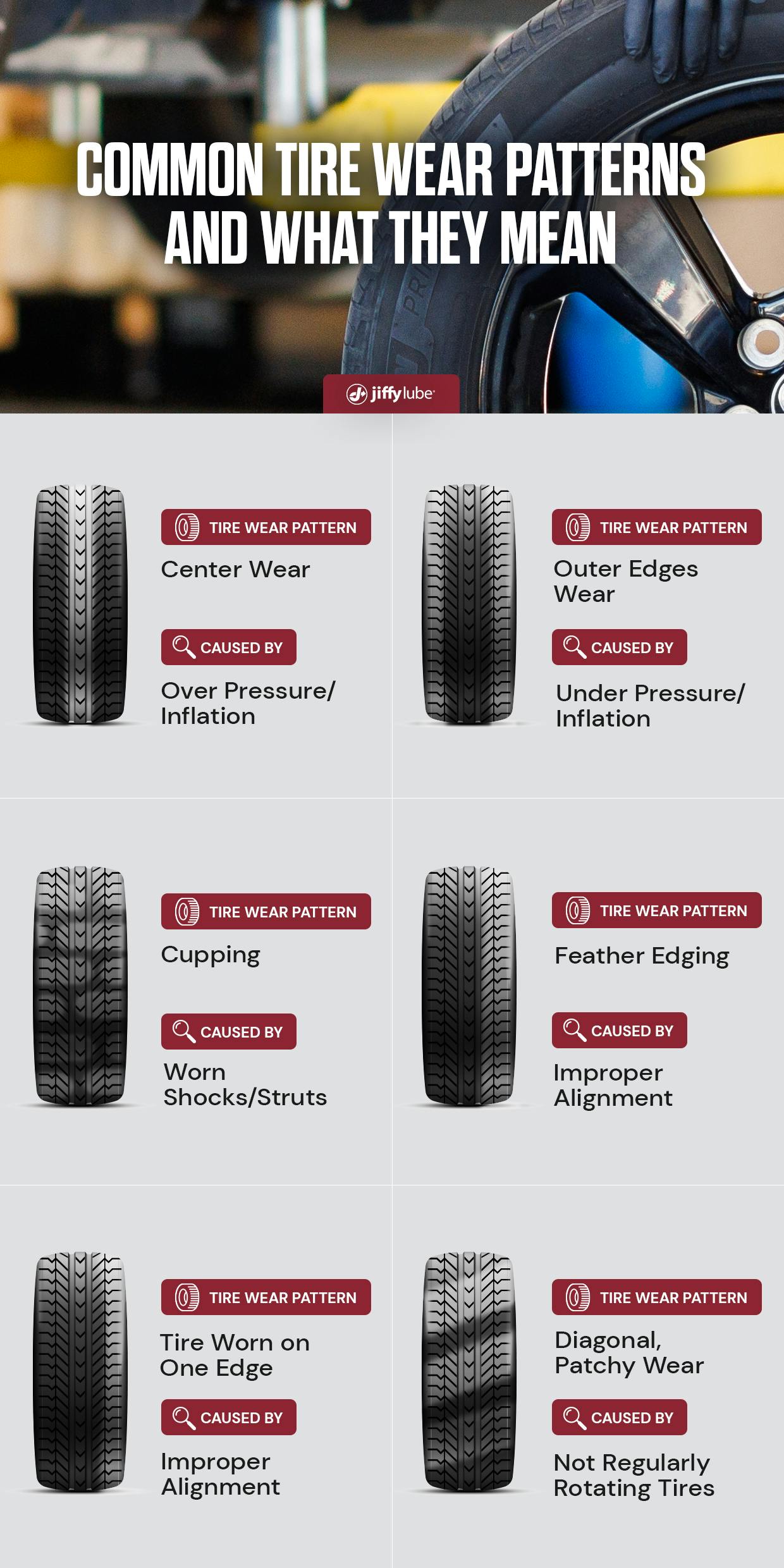
Your Audi A3 communicates pressure problems through several subtle cues beyond the obvious TPMS light. Uneven tread wear, particularly excessive wear on the outer edges of tires, typically indicates chronic underinflation. A “spongy” steering response or increased road noise often means tires are 5+ PSI below specification. If you notice your fuel economy dropping suddenly without other changes, check tire pressures immediately—underinflation is a common culprit. Address these signs promptly before they lead to expensive tire replacements or compromised handling.
Final Note
Proper tire pressure maintenance represents one of the simplest yet most impactful maintenance tasks for your Audi A3. By following these specific procedures—checking cold tires monthly with an accurate gauge, resetting the TPMS correctly, and understanding your model’s exact pressure requirements—you’ll maximize safety, performance, and tire longevity. Remember that your Audi A3’s recommended pressures differ from generic guidelines, so always reference your door jamb sticker rather than guessing. For the most precise maintenance schedule and model-specific details, consult your Audi owner’s manual or visit an authorized dealership service center—they have access to the exact specifications for your vehicle’s year and configuration. Taking just five minutes each month to check your tire pressure properly preserves that premium Audi driving experience while keeping you and your passengers safe on the road.