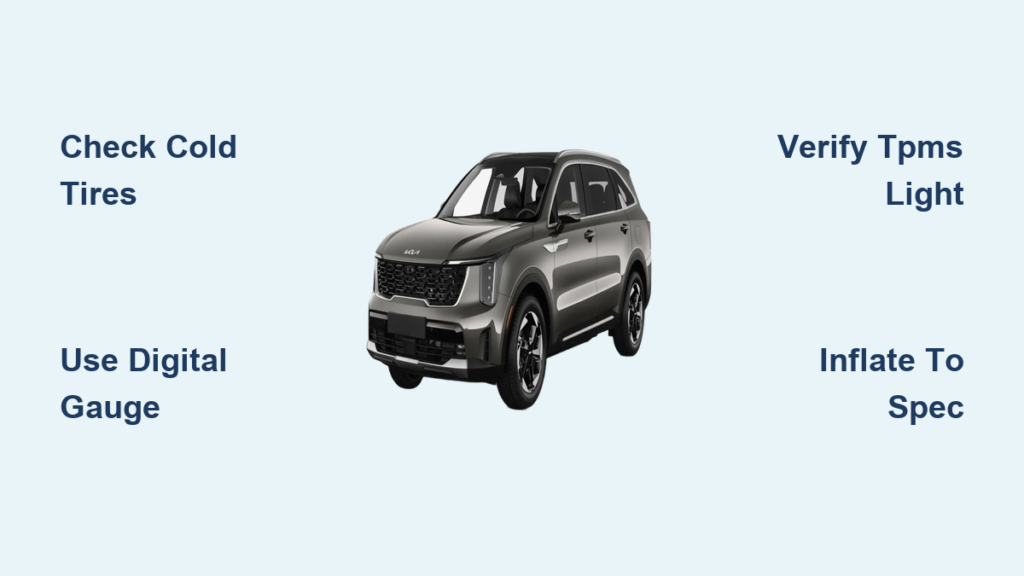
Your Kia Sorento’s tires are the only part of your vehicle that makes direct contact with the road, making proper inflation critical for safety, performance, and cost savings. Underinflated tires on your Sorento increase stopping distances, reduce fuel efficiency by up to 3%, and cause uneven tread wear that shortens tire life. Overinflated tires create a harsher ride and make your SUV more susceptible to road hazards. The good news is checking your Sorento’s tire pressure takes less than five minutes and requires minimal equipment. By mastering how to check tire pressure Kia Sorento owners need to maintain, you’ll enhance your driving experience while potentially saving hundreds of dollars in premature tire replacements and wasted fuel.
Find Your Sorento’s Exact Tire Pressure Specifications
The first critical step in how to check tire pressure Kia Sorento models requires is locating your specific vehicle’s recommended PSI. Your Sorento’s ideal pressure isn’t a universal number—it’s precisely calibrated for your SUV’s weight distribution, suspension settings, and tire dimensions. Many owners make the mistake of using the maximum pressure listed on the tire sidewall, which is dangerously incorrect for daily driving.
Your Sorento’s door jamb sticker (located on the driver’s side B-pillar when you open the door) provides the manufacturer-specified cold tire pressure for both front and rear wheels. This label typically shows 32-35 PSI for standard trims, but higher-performance Sorento models with 20-inch wheels may require different pressures. The sticker also indicates your vehicle’s maximum load capacity and correct tire size—critical information if you’ve ever replaced your original tires.
If the door jamb sticker is missing or damaged, consult your Sorento’s owner’s manual where tire specifications appear in the “Vehicle Loading” or “Tire Information” section. Some newer Sorento models display this information digitally through the infotainment system under vehicle settings. Never rely on generic online charts—your specific model year and trim level determine the correct pressure.
Why “Cold Tires” Matters for Accurate Readings
Understanding what “cold tires” means is essential when learning how to check tire pressure Kia Sorento owners must perform correctly. Cold tires refer to those that haven’t been driven for at least three hours or driven less than one mile at moderate speed. Driving heats the air inside your tires, increasing pressure by 4-6 PSI—enough to give misleading readings. For the most accurate measurement, check your Sorento’s tire pressure first thing in the morning before your daily commute.
Assemble Your Tire Pressure Checking Toolkit
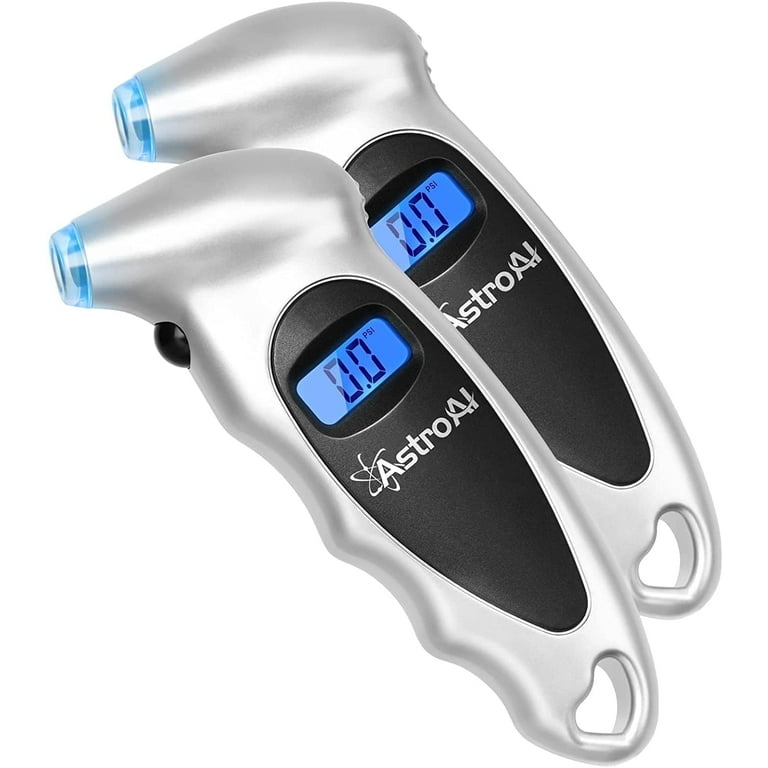
Checking your Sorento’s tire pressure properly requires just three essential items, but choosing the right tools makes a significant difference in accuracy. Skip the unreliable air gauges at gas stations that often give inconsistent readings due to wear and improper handling by previous users.
Selecting the Right Pressure Gauge for Your Sorento
Invest in a quality digital tire pressure gauge that provides precise readings to the nearest 0.1 PSI. Models like the AstroAI Digital Tire Gauge feature a bright LED display that’s easy to read in low light and automatically turns off to preserve battery life. These typically cost $10-$15 and fit perfectly in your Sorento’s center console. For traditionalists, a precision analog dial gauge (not the cheap pencil-style ones) offers reliable performance without batteries.
Air Compressor Options for Quick Corrections
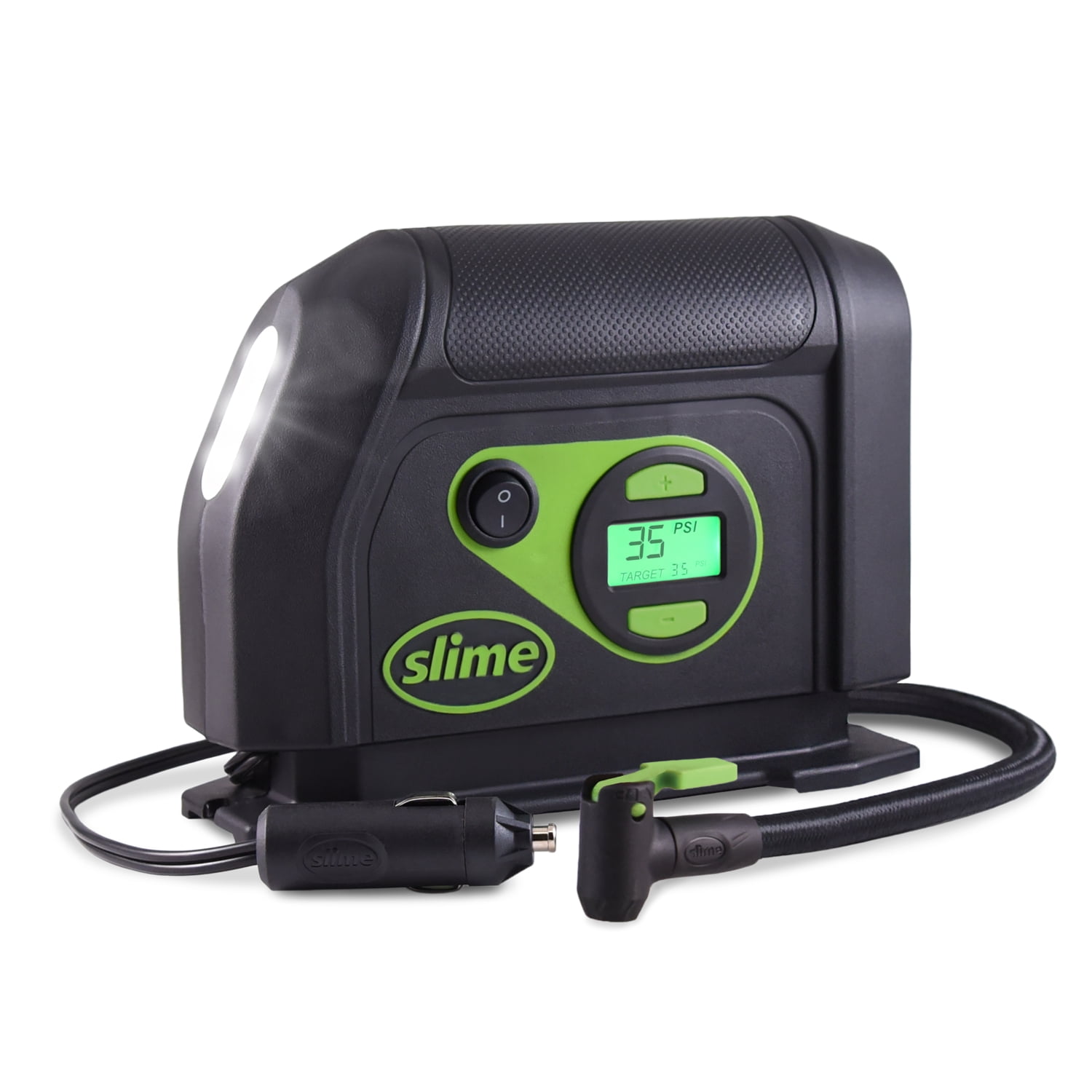
Keep a portable 12V air compressor in your Sorento’s trunk for emergencies. The Slime Road Assist model plugs directly into your vehicle’s power outlet and inflates tires quietly in about 3 minutes. For home use, consider a larger compressor with a built-in pressure gauge that automatically shuts off at your desired PSI—eliminating the guesswork when adding air to your Sorento’s tires.
Execute the Proper Tire Pressure Check Sequence
Now that you have the correct specifications and tools, follow this precise sequence to check your Sorento’s tire pressure accurately. Rushing through this process leads to inaccurate readings and potential safety hazards.
Step-by-Step Pressure Measurement Technique
- Remove each valve cap and place it in your Sorento’s cup holder to avoid losing it
- Press your gauge firmly straight onto the valve stem until no air escapes (you’ll hear a brief hiss)
- Hold the gauge steady for 2 seconds to allow the reading to stabilize
- Note the PSI displayed and compare it to your Sorento’s recommended pressure
- Immediately replace the valve cap to prevent slow leaks
Check all four tires in sequence, recording each measurement. Significant discrepancies between tires (more than 3 PSI difference) indicate potential issues like slow leaks or valve stem problems. Don’t neglect the spare tire—your Sorento’s temporary spare typically requires 60 PSI, significantly higher than your regular tires.
Troubleshooting Unexpected Readings
If your gauge shows zero pressure, the valve stem may be clogged with debris. Clean it with a small brush or the tip of a key before retesting. Consistently low readings on one tire suggest a puncture or faulty valve core. If your digital gauge gives inconsistent readings, replace the battery—low power affects accuracy.
Correctly Inflate Your Sorento’s Tires When Needed
Adding air seems straightforward, but improper technique can damage your tires or lead to dangerous overinflation. Your Sorento’s recommended pressure range is narrow—typically just 3-4 PSI between minimum and maximum safe levels.
Precision Air Addition Method
- Attach the air hose securely to the valve stem
- Add air in 10-second bursts, checking pressure after each addition
- When within 2 PSI of target, add air in 3-5 second increments
- Recheck pressure with your gauge after each addition
- Stop immediately when reaching the recommended PSI
Overinflating is common when using gas station air pumps. If you exceed the recommended pressure, press the gauge’s bleed valve to release small amounts of air while monitoring the reading. Never rely solely on the air pump’s built-in gauge—always verify with your personal gauge.
Valve Stem Maintenance Tips
Inspect each valve stem for cracks or corrosion while checking pressure. Replace any damaged stems immediately—a compromised valve stem causes slow leaks that gradually undermine your tire pressure efforts. Consider installing metal valve caps instead of plastic ones—they create a better seal against moisture and debris.
Decode Your Sorento’s TPMS Warning System

Your Kia Sorento’s Tire Pressure Monitoring System (TPMS) provides critical alerts, but understanding what the warnings mean prevents unnecessary panic or dangerous complacency.
Solid TPMS Light: Immediate Action Required
When the TPMS light appears as a solid yellow symbol (resembling a flat tire with an exclamation point), one or more tires has dropped 25% below the recommended pressure. For a Sorento requiring 35 PSI, this means at least one tire has fallen below 26 PSI—a serious safety hazard. Check all four tires immediately and inflate to specification. The light should turn off automatically after driving 10-15 minutes once proper pressure is restored.
Flashing TPMS Light: System Malfunction
If the TPMS light flashes for one minute then remains solid, your Sorento’s system has detected a fault. This could indicate a dead sensor battery (typical lifespan is 5-10 years), damaged sensor from road debris, or electrical interference. Unlike a pressure warning, a flashing light requires professional diagnosis—you’re driving without tire pressure monitoring until repaired.
Establish a Reliable Tire Pressure Maintenance Routine
Proper tire maintenance extends beyond occasional checks—it requires consistent habits that protect your investment and ensure year-round safety.
Monthly Pressure Check Protocol
Schedule the first Sunday of each month to check your Sorento’s tire pressure. Temperature changes significantly impact pressure—tire pressure drops approximately 1 PSI for every 10°F decrease in ambient temperature. During seasonal transitions (fall and spring), check pressure weekly as temperatures fluctuate dramatically.
Visual Inspection Checklist
During each pressure check, perform these quick visual assessments:
– Look for nails, screws, or embedded road debris
– Check sidewalls for cuts, bulges, or irregular wear patterns
– Examine tread depth using the penny test (insert upside down—if Lincoln’s head is fully visible, replace tires)
– Note any vibration or pulling while driving, which indicates alignment issues
Seasonal Pressure Adjustments
Your Sorento may require slight pressure adjustments for extreme conditions. In winter, add 3-4 PSI above recommended levels to compensate for cold temperatures (but never exceed the maximum pressure on the tire sidewall). When carrying heavy loads for family vacations, consult your owner’s manual for temporary pressure increases—typically 4-6 PSI for full passenger and cargo capacity.
Prevent Common Tire Pressure Mistakes Sorento Owners Make
Many Kia Sorento drivers unknowingly sabotage their tire maintenance efforts through these preventable errors:
- Assuming the TPMS replaces manual checks: TPMS only warns when pressure drops 25% below spec—smaller, damaging variations go undetected
- Checking pressure after driving: Hot tire readings can be 4-6 PSI higher than actual cold pressure
- Using inconsistent gauges: Different gauges have varying accuracy—stick with one reliable tool
- Ignoring the spare: Your Sorento’s temporary spare requires 60 PSI and should be checked quarterly
By dedicating just five minutes each month to checking your Sorento’s tire pressure correctly, you’ll enjoy safer handling, better fuel economy, and tires that last thousands of miles longer. This simple maintenance task delivers exceptional returns on your time investment while keeping your family protected on the road. Keep your digital gauge and portable compressor in the Sorento’s trunk at all times—you never know when you’ll need to verify pressure during a road trip or correct a slow leak before it becomes an emergency. Properly inflated tires aren’t just about maintenance—they’re your first line of defense in any driving situation.