Finding yourself staring at confusing numbers and letters on your tire sidewall? You’re not alone. Knowing how to check tire dimensions properly ensures you select the right replacements that match your vehicle’s specifications exactly. The correct tire size affects everything from handling and braking to fuel efficiency and safety. This guide reveals exactly where to find your tire specs, how to decode every number and letter, and why each measurement matters for your specific vehicle. By the end, you’ll confidently interpret tire dimensions like a professional and avoid costly replacement mistakes.
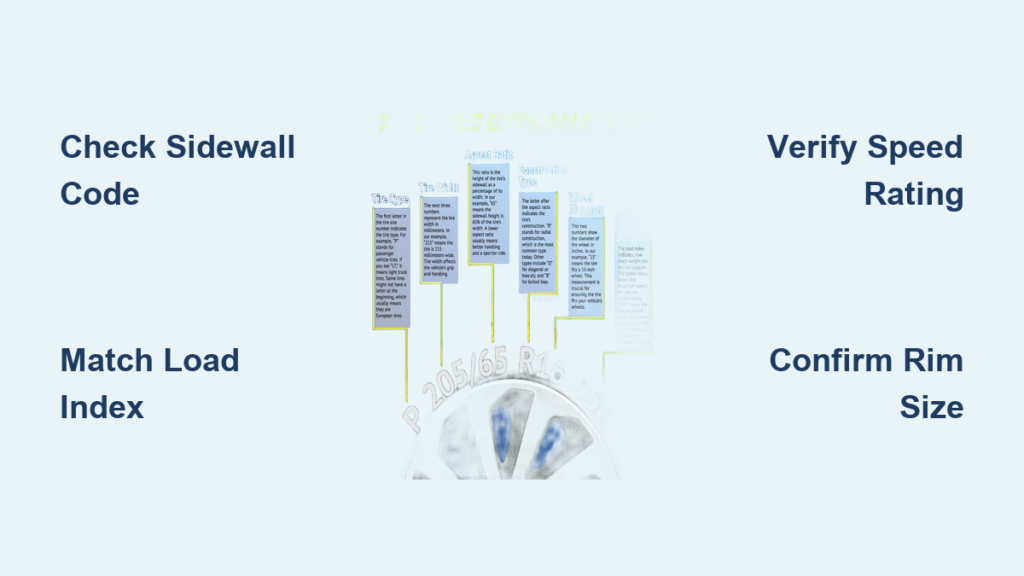
Your vehicle’s ideal tire specifications live in two key locations: the driver’s side doorjamb sticker and your owner’s manual. These sources provide the manufacturer’s recommended size, inflation pressure, and load capacity—critical information that prevents mismatched tire installations. The string of characters on your tire sidewall isn’t random; it’s a precise code containing width, height, construction type, and performance capabilities. Mastering this code means you’ll never accidentally install undersized tires or overload your vehicle again.
Locate Your Vehicle’s Official Tire Size Specifications
Before examining tire sidewalls, verify your factory specifications using your vehicle’s built-in references. The driver’s side doorjamb sticker contains a goldmine of tire information: recommended cold inflation pressures, exact tire sizes for front and rear axles, maximum load capacity, and sometimes even speed ratings. This placard reflects your vehicle’s engineering requirements—not aftermarket modifications—making it the most reliable source for replacement tires. If you see different sizes listed for front versus rear wheels (common on performance vehicles), note both specifications.
Your owner’s manual provides comprehensive tire guidance beyond just dimensions. Look in the “Tires and Wheels” section for recommended rotation patterns, seasonal tire guidelines, and warnings about mixing sizes. Some manufacturers specify different tire types for front and rear axles, particularly on all-wheel-drive vehicles where mismatched tires can damage the drivetrain. Keep this manual in your glove compartment—when shopping for replacements, you’ll need to compare specs side-by-side with potential new tires.
Spot the Difference Between P-Metric and Euro-Metric Passenger Tires

Passenger vehicles use two nearly identical sizing systems that often cause confusion. P-Metric tires begin with “P” (example: P225/70R16 97H), indicating they meet U.S. Tire and Rim Association standards for passenger cars. Euro-Metric tires lack the “P” prefix (example: 225/70R16 98H) but follow European standards. Never assume these are interchangeable—though physically similar, they have different load capacity calculations. A Euro-Metric 98 load index might support 1,653 pounds while a P-Metric 98 supports 1,609 pounds. When learning how to check tire dimensions, always match the exact designation type (P-Metric or Euro-Metric) from your doorjamb sticker.
Key visual identifier: Check for that critical “P” prefix. If your original equipment used P-Metric tires, don’t substitute Euro-Metric without consulting a tire professional. Mixing types on the same axle can create uneven handling characteristics, especially during emergency maneuvers.
Identify LT-Metric vs. C-Type Light Truck Tire Designations
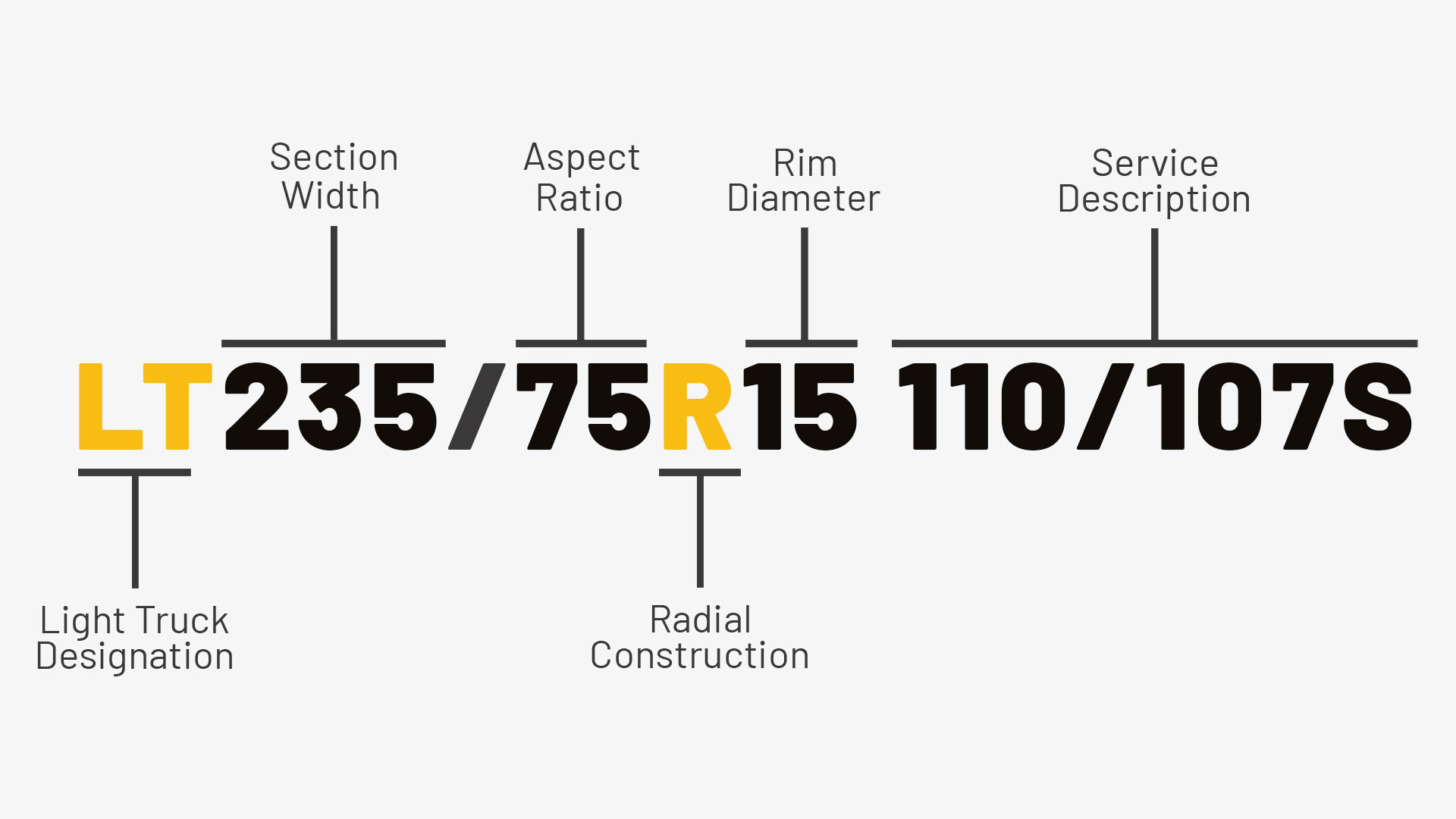
Heavy-duty vehicles require specialized sizing that accounts for payload capacity. LT-Metric tires start with “LT” followed by two load index numbers separated by a slash (example: LT245/75R17 119/116R). The first number (119) indicates single-wheel load capacity (2,756 lbs), while the second (116) applies when mounted in dual configurations (2,756 lbs). These tires also display a Load Range letter (B through F) corresponding to ply ratings—critical for trucks used for towing.
C-Type tires (example: 235/65R16C 121/119R) look nearly identical to Euro-Metric but include “C” after the rim size. They follow European commercial tire standards and also feature dual load indexes. Critical warning: Never install passenger tires on vehicles requiring LT or C-Type tires. A ½-ton pickup might use P-Metric tires, but ¾-ton and larger trucks demand these reinforced constructions. When checking tire dimensions on work trucks, confirm Load Range matches your vehicle’s requirements—exceeding capacity causes dangerous heat buildup.
Decode Tire Width and Aspect Ratio Measurements
Measure Tire Width from Sidewall to Sidewall
The first number in your tire size (225 in P225/70R16) represents width in millimeters. This measures the tire’s cross-section from outer sidewall to inner sidewall when mounted on its designated rim width and inflated to 36 psi—not under vehicle load. For accurate dimension checking, compare this number to your doorjamb specifications. Installing tires wider than recommended causes rubbing against suspension components, while narrower tires reduce stability.
Calculate Tire Height from Aspect Ratio
The aspect ratio (70 in P225/70R16) shows sidewall height as a percentage of width. Here’s the math: 225mm width × 0.70 = 157.5mm sidewall height. Multiply by two (for top and bottom sidewalls) and add rim diameter to get overall tire height. Pro tip: When changing widths, adjust aspect ratio to maintain original height. Switching from P225/70R16 to P235/65R16 keeps similar overall diameter (critical for speedometer accuracy). A 10% change in overall diameter triggers ABS and traction control malfunctions.
Verify Construction Type and Rim Diameter Compatibility
Recognize Radial vs. Bias-Ply Construction
The letter after aspect ratio (R in P225/70R16) indicates construction. “R” means radial—standard for 99% of modern vehicles. Radial tires have plies running perpendicular to the direction of travel, providing flexibility, fuel efficiency, and heat dissipation. Older “D,” “B,” or “-” designations indicate bias-ply construction with crisscrossed plies, common on vintage vehicles and some trailers. Never install bias-ply tires on modern cars—they handle poorly and generate excessive heat at highway speeds.
Match Rim Diameter Exactly
The final number (16 in P225/70R16) specifies rim diameter in inches. This must match your wheel size precisely—no exceptions. A “16” tire only fits 16-inch wheels. Some performance vehicles use staggered fitments (wider rear tires), so always verify front and rear specifications separately. Critical mistake to avoid: Never force a tire onto an incorrect rim size. Improper bead seating causes air leaks and sudden blowouts.
Check Load Index and Speed Rating Requirements
Translate Load Index Numbers to Pounds
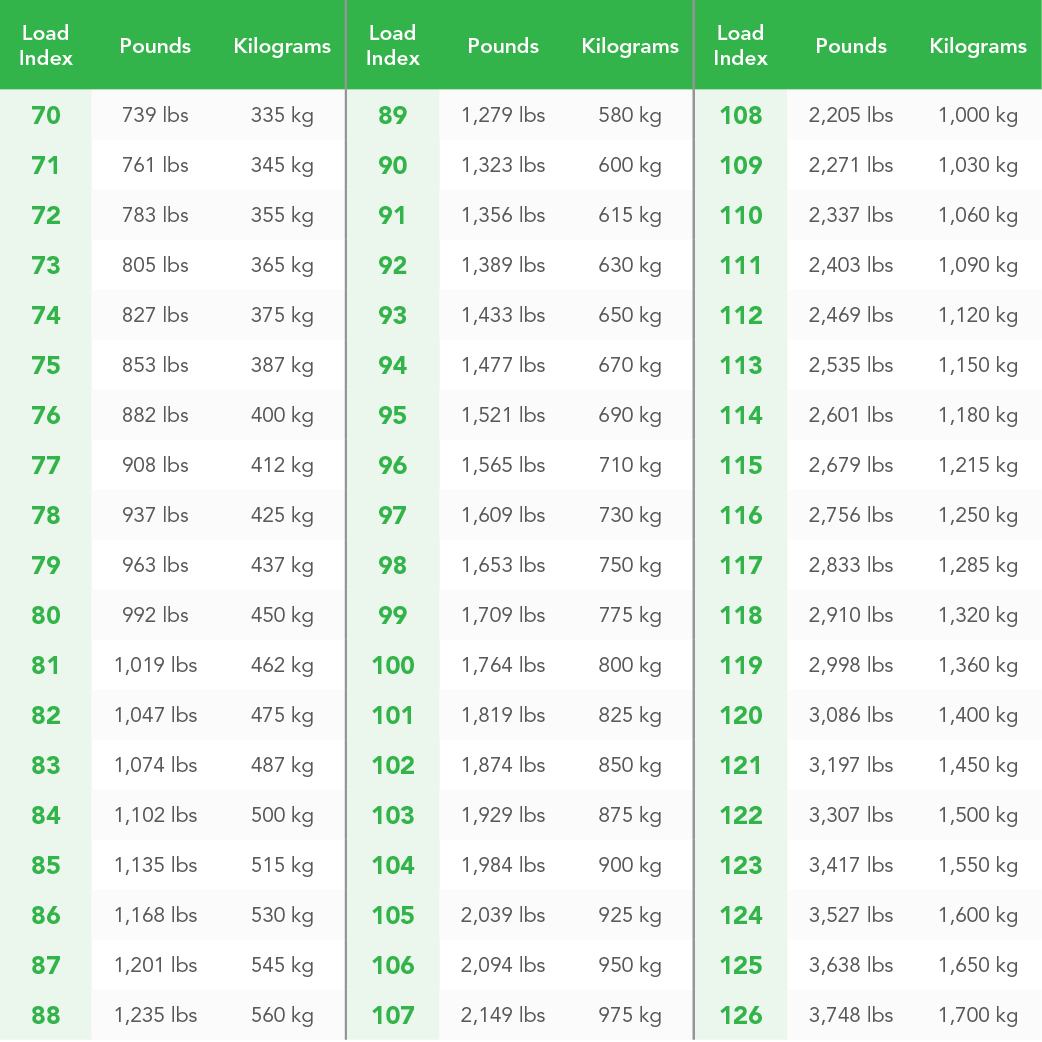
Load index (97 in P225/70R16 97H) corresponds to maximum load capacity. Consult a load index chart—97 equals 1,609 lbs per tire. For light trucks with dual indexes (119/116), the first number applies to single wheels, the second to dual setups. Safety alert: Your vehicle’s gross weight must stay below the combined load capacity of all four tires. Exceeding limits by just 10% increases failure risk by 50%.
Match or Exceed Speed Ratings
Speed rating (H in P225/70R16 97H) indicates maximum safe speed under laboratory conditions. H-rated tires handle 130 mph—but this doesn’t mean you should drive that fast! Replacement tires must match or exceed original speed ratings. Installing an S-rated (112 mph) tire on a car designed for H-rated tires creates a dangerous performance mismatch. Critical rule: Your vehicle’s top speed equals the lowest-rated tire’s capability. One T-rated tire (118 mph) limits your entire vehicle.
Analyze UTQG Ratings for Safer Tire Selection
Compare Treadwear Grades When Shopping
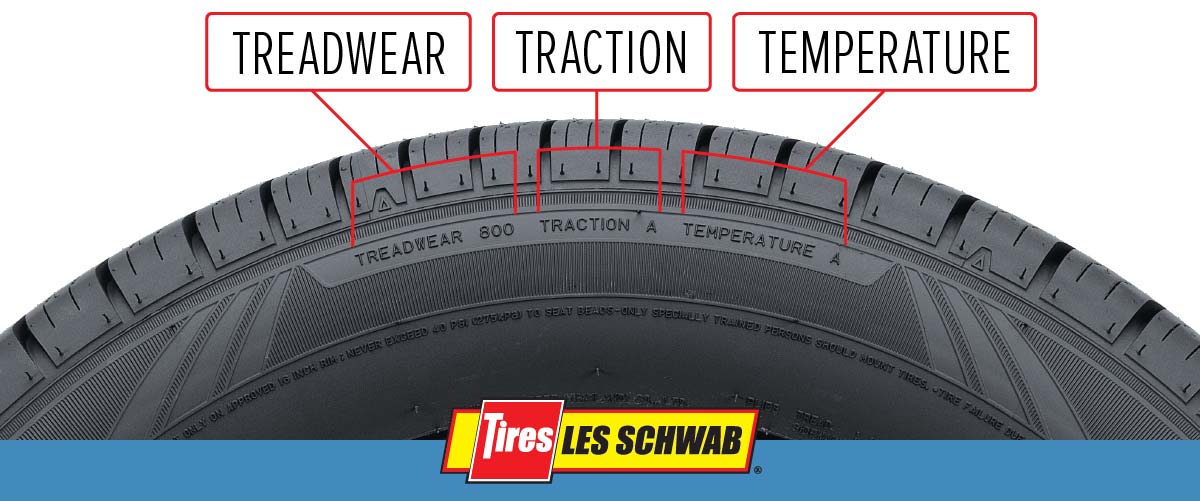
Treadwear grades (e.g., 400) indicate expected longevity relative to a baseline 100-grade tire. A 400-grade tire should last four times longer—but real-world factors like alignment and driving habits heavily influence actual wear. Smart shopping tip: When checking tire dimensions for replacements, prioritize higher treadwear grades if you drive mostly on highways, but consider lower grades for better wet traction if you live in rainy climates.
Test Traction Ratings for Wet Weather Safety
Traction grades (AA, A, B, C) measure straight-line stopping ability on wet surfaces. AA is best, C is minimum legal. Critical safety note: These ratings don’t measure cornering traction! If you live in rainy areas, never accept tires below “A” grade. Check sidewalls for “TRACTION AA” or similar markings—this specification matters more than tread pattern for wet braking.
Verify Your Tire Dimensions in 5 Quick Steps
Follow this foolproof method whenever checking tire dimensions:
- Locate the size sequence beginning with P, LT, T, ST, or numbers (Euro-Metric)
- Measure width (first number in mm) against your doorjamb specifications
- Calculate overall height using aspect ratio math to ensure speedometer accuracy
- Confirm load index matches or exceeds your vehicle’s requirements
- Verify speed rating equals or surpasses original equipment
Final pro tip: Photograph your current tire sidewall before shopping. This visual reference prevents salespeople from upselling incompatible sizes. When in doubt, consult a tire professional—they’ll measure your actual dimensions with precision tools and cross-reference manufacturer databases. Correctly checking tire dimensions takes just 2 minutes but prevents thousands in potential damage from mismatched installations. Your safety depends on these precise measurements—never guess with something as critical as your tires.