
Getting a flat tire in your Hyundai Elantra can turn a routine drive into a stressful situation, but knowing exactly how to change it transforms panic into confidence. With the right preparation and knowledge of your Elantra’s specific requirements—from jack points to lug nut torque—you can safely handle this common roadside emergency. This guide provides step-by-step instructions tailored specifically to your Hyundai Elantra, ensuring you complete the process correctly without damaging your vehicle.
Before you ever face a flat tire, spend just 15 minutes familiarizing yourself with your Elantra’s tire-changing procedure. Understanding where your jack points are located and how to properly tighten lug nuts prevents costly damage and keeps you safe. By the end of this guide, you’ll know exactly how to change a tire on your Hyundai Elantra in any situation, giving you the independence to handle this common automotive challenge with confidence.
Gather Your Hyundai Elantra’s Specific Tools First
Your Hyundai Elantra comes equipped with essential tools stored beneath the trunk floor panel—locate them now before you need them in an emergency. The factory jack is a scissor-style design that safely lifts your vehicle when positioned correctly, while the cross-bar lug wrench provides the leverage needed to remove stubborn lug nuts. Pull up the trunk floor panel to verify these tools are present and in good condition.
Don’t rely solely on factory tools—add these critical items to your emergency kit: a torque wrench (essential for proper 76-88 ft-lb lug nut tightening), jack stands for secure support, and wheel chocks to prevent rolling. A rubber mallet helps loosen stuck tires from the hub without damage, while work gloves protect your hands from sharp edges and improve grip on oily components. A flashlight becomes indispensable when changing tires in low-light conditions.
Critical warning: Never attempt to change a tire without a torque wrench. Hyundai specifies 76-88 ft-lbs (103-119 Nm) for Elantra lug nuts—over-tightening can warp brake rotors or break studs, while under-tightening risks wheels coming loose while driving. Many auto parts stores offer torque wrench rentals if you don’t own one.
Select the Perfect Location for Your Elantra Tire Change
Find flat, level ground away from traffic before attempting a tire change—concrete or asphalt surfaces provide stable foundations for your jack. Never change a tire on a slope or soft surface like grass or dirt that could cause the jack to sink. If stuck on soft terrain, place a sturdy board beneath the jack base to distribute weight evenly.
Engage your parking brake completely and shift into Park (automatic) or first gear with parking brake engaged (manual). Turn on hazard lights immediately and position warning triangles 50-100 feet behind your vehicle if on a roadway. Take 30 seconds to assess the flat tire’s condition—note any sidewall damage that might indicate replacement is necessary rather than simple repair.
Pro tip: If you feel unsafe changing your tire roadside, call for professional help. Many insurance policies, credit cards, and automobile clubs include roadside assistance—know your options before an emergency occurs.
Break Loose Lug Nuts Before Raising Your Elantra
This critical step prevents wheel spin while loosening lug nuts—complete it while the tire remains on the ground. Using your lug wrench, turn each nut counterclockwise approximately one-quarter to one-half turn (don’t remove completely yet). Apply steady pressure at the wrench handle’s end for maximum leverage—carefully stand on the wrench if needed but ensure vehicle stability first.
Work in a star pattern (opposite nuts) rather than sequentially around the wheel to prevent warping the wheel or brake rotor. If lug nuts resist, apply penetrating oil and wait 5 minutes before trying again—forcing them risks rounding the nut edges or damaging studs. Place loosened nuts in a secure container where they won’t roll away.
Common mistake: Trying to remove lug nuts after raising the vehicle—this often causes the wheel to spin, making removal impossible without additional tools. Always break loose lug nuts while the tire remains firmly on the ground.
Position Your Jack at Hyundai’s Exact Jack Points
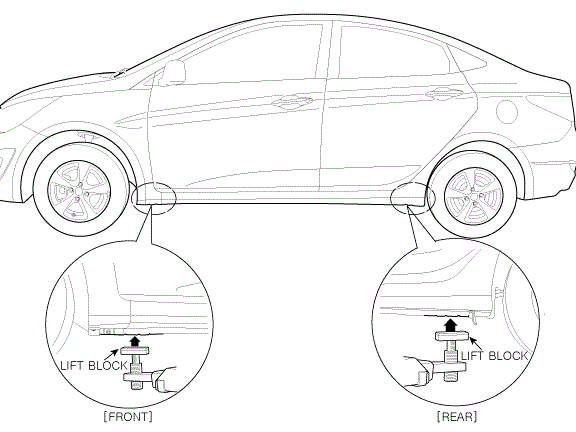
Your Elantra has specific reinforced jack points located beneath the rocker panels—just behind front wheels and ahead of rear wheels. Look for small notches indicating where the jack saddle should contact the pinch weld. Never place the jack under the floor pan, differential, or other unsupported areas—this can cause severe damage and create dangerous instability.
Ensure the scissor jack base sits flat on solid ground and the saddle fully engages the jack point. Double-check that the jack stands perpendicular to the ground without tilting. Place wheel chocks against the tires opposite your work area for additional security—this prevents any possibility of rolling while the vehicle is raised.
Visual cue: Proper jack placement shows the saddle making full contact with the jack point notch without sliding. If the jack appears to be resting on curved body panels rather than the flat notch, reposition immediately.
Raise and Safely Remove Your Flat Elantra Tire
Begin raising by inserting the lug wrench into the jack’s drive mechanism and turning clockwise. Lift until the flat tire clears the ground by about six inches—enough room to remove the wheel. Periodically check jack stability during lifting; stop immediately if it tilts or the vehicle shifts.
Critical safety rule: Never position any body part beneath a vehicle supported only by a jack. The factory jack is designed solely for tire changes, not for working under the vehicle.
With the tire raised, finish removing all lug nuts and carefully lift the flat tire straight off the hub. If stuck due to corrosion, gently tap the tire’s backside with a rubber mallet—never kick or use excessive force. Inspect the hub surface for rust or debris that could prevent the spare from seating properly.
Mount and Secure Your Spare Tire Correctly

Align the spare tire with the wheel studs and slide it onto the hub—apply gentle rocking motion if needed for proper alignment. Hand-tighten all lug nuts before using the wrench to prevent cross-threading. Snug them in a star pattern but don’t fully tighten yet—the tire may need slight adjustment for proper seating.
Important: Hyundai’s temporary spare (donut) has significant limitations—maximum 50 mph speed and 50-mile distance. Check its pressure immediately (should be 60 psi) before driving. Never mount the spare on the front axle if possible—move a rear tire to the front and place the spare on the rear to minimize handling issues.
Lower Vehicle and Apply Final Lug Nut Torque
Lower the vehicle slowly by turning the jack mechanism counterclockwise until the spare just touches the ground. Now apply final lug nut tightening using a star pattern—this ensures even pressure on the hub. Continue lowering completely, then perform a final torque check to verify 76-88 ft-lbs specification.
Verification step: Lug nuts require re-checking after driving 50-100 miles as studs can stretch slightly during initial use. Many tire shops will perform this free service—take advantage of it for your safety.
Check Spare Tire Pressure Before Driving
Verify your spare tire’s pressure with a reliable gauge before driving—Hyundai specifies 60 psi for temporary spares compared to 33-35 psi for regular tires. Check pressure when the tire is cold for accuracy, and adjust using an air compressor if needed.
Pro tip: Monthly spare tire checks prevent surprises—these tires often lose pressure over time even when unused. Inspect for dry rot or cracking during each check, as spares have limited service lives (typically 6-10 years).
Recognize When to Call Professionals Instead
Some situations demand professional help rather than DIY attempts: flat tires on busy highways, severe weather conditions, or if lug nuts are completely seized. If you lack the physical strength to handle the spare tire or have mobility limitations, roadside assistance is the smarter, safer choice.
Newer Elantra models may include tire repair kits instead of spares—these seal small punctures temporarily but cannot fix sidewall damage. Understand your specific model’s equipment before an emergency occurs.
Maintain All Tires for Future Roadside Readiness
Inspect all five tires monthly for proper inflation, wear patterns, and damage. Rotate tires every 5,000-8,000 miles following your owner’s manual pattern to extend their life. Practice changing your tire in a safe location before emergencies strike—familiarity builds confidence and ensures you can act quickly when needed.
Final tip: Keep your trunk organized with all tire-changing tools easily accessible. A well-prepared Elantra owner handles flat tires with confidence, transforming a potential crisis into a manageable task completed in under 20 minutes. Mastering how to change a tire on your Hyundai Elantra provides invaluable peace of mind for every journey.