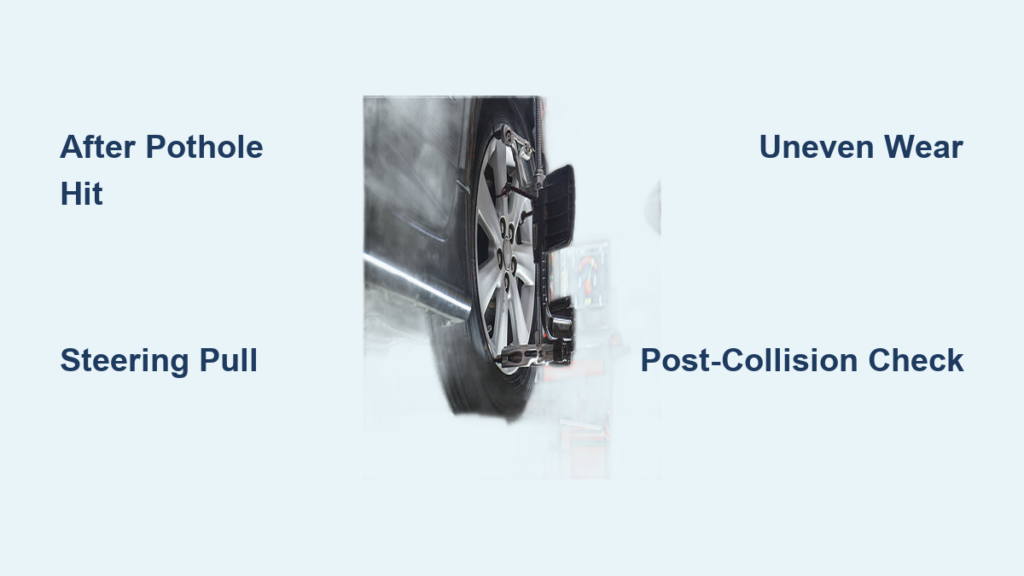
You’re cruising down the highway when your steering wheel starts vibrating, or you notice your car stubbornly pulls to the right despite a straight road. These aren’t just annoyances—they’re screaming warnings that your tires have lost their proper alignment. Ignoring these signals turns a quick $100 service into a $600 tire replacement nightmare within months. While countless blogs parrot generic advice like “align every 6,000 miles,” that one-size-fits-all approach could leave your specific vehicle dangerously misaligned or waste your money on unnecessary services. The truth? How often tire alignment needs attention depends entirely on your unique driving reality—not a calendar date or odometer milestone. This guide cuts through the misinformation to show you exactly when your vehicle demands professional attention, using manufacturer-backed indicators instead of internet myths.
Why Generic “Every 6 Months” Alignment Advice Is Dangerous
Blindly following arbitrary mileage intervals ignores how modern vehicles actually behave on real roads. Your SUV hauling kids to soccer practice on pothole-riddled streets needs alignment checks far more urgently than a commuter sedan gliding on freshly paved highways. Manufacturers design suspension systems with specific tolerances—pushing them beyond these limits through delayed maintenance accelerates wear exponentially. Worse, applying a universal schedule to performance vehicles like sports cars or lifted trucks risks compromising handling precision that owners paid premium prices for. When alignment specs drift just 0.5 degrees outside factory parameters, tire tread life plummets by up to 30% while fuel efficiency drops noticeably. Don’t gamble with your safety based on oversimplified online tips.
Critical Factors Dictating Your Personal Alignment Schedule
Your vehicle’s alignment needs shift dramatically based on these four variables—none of which mileage counters track:
- Road trauma exposure: Hitting a single 4-inch pothole at 35 mph generates 2+ tons of impact force on suspension components
- Vehicle weight distribution: Heavy cargo loads or aftermarket roof racks constantly stress alignment geometry
- Tire compound sensitivity: Performance summer tires show misalignment damage 50% faster than all-season variants
- Suspension design: MacPherson strut systems (common in sedans) require more frequent checks than double-wishbone setups
When Weather Changes Demand Immediate Checks
Seasonal shifts create hidden alignment threats most drivers miss:
- Spring thaw aftermath: Repeated freeze-thaw cycles buckle asphalt, creating subtle road imperfections that knock alignment off-spec
- Monsoon season: Water-saturated road bases shift under vehicle weight, altering camber angles overnight
- Extreme heat waves: Asphalt expansion closes expansion joints, creating “speed bump” effects that jar suspension calibration
How to Diagnose Alignment Failure Before Tires Are Ruined
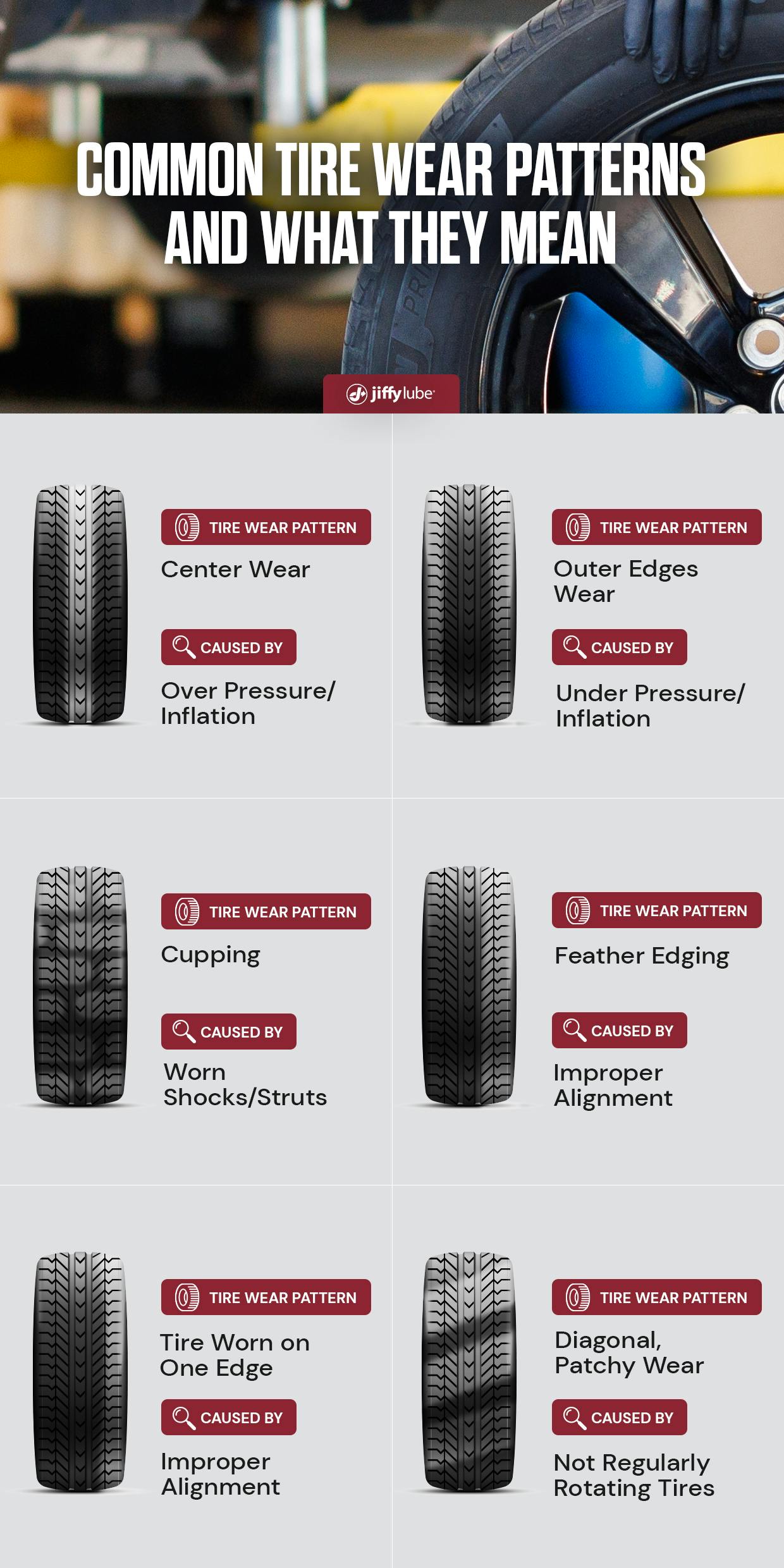
Waiting for obvious tire wear means you’ve already lost 40% of tread life. Catch problems early with these field-tested detection methods anyone can perform:
Steering Wheel Tells You Everything (If You Know What to Feel)
Grab your steering wheel firmly during highway driving on a flat road. These sensations demand immediate professional assessment:
- Off-center dead spot: Wheel sits 15+ degrees left/right when driving straight
- Vibration resonance: Steady buzz felt at 55-70 mph (not speed-specific shimmies)
- Constant correction pressure: Needing steady left/right force to maintain lane position
The Penny Test That Reveals Hidden Misalignment
Most drivers check tread depth but miss critical wear patterns signaling alignment issues:
- Park on level ground and chock rear wheels
- Insert a penny upside-down into tire grooves across multiple tread sections
- Danger signs requiring alignment:
– Wear twice as severe on inner vs. outer edges
– Sawtooth pattern across tread blocks
– Center rib worn smooth while shoulders remain deep
Pro Tip: Check all four tires separately—front and rear axles can have independent alignment failures.
3 Steps to Discover Your Exact Alignment Interval (No Guessing)
Forget internet rumors. Your vehicle’s true alignment schedule lives in these three authoritative sources:
Step 1: Decode Your Owner’s Manual Maintenance Matrix
Modern manuals specify alignment intervals based on driving conditions—not just mileage. Look for these critical sections:
- “Severe Service” schedule: Activated by frequent short trips, dusty roads, or heavy loads
- Tire wear warranty requirements: Many manufacturers void coverage without documented alignments
- Model-specific thresholds: Example: 2023 Toyota RAV4 requires alignment after any suspension work plus every 10,000 miles in normal conditions
Warning: Never use generic “every 2 years” advice for EVs—their instant torque and heavy battery packs accelerate alignment drift.
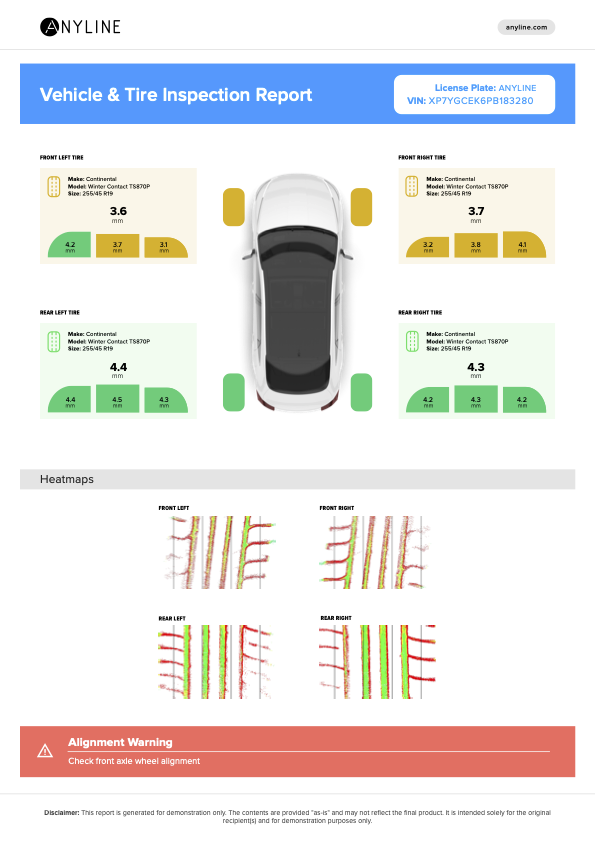
Step 2: Demand a Digital Alignment Report at Every Service
Reputable shops provide printouts showing exact measurements versus factory specs. Verify these three critical angles:
| Angle | Safe Range | Danger Threshold | Visual Symptom |
|---|---|---|---|
| Camber | ±0.5° | >1.0° | Inner/outer edge wear |
| Toe | ±0.10° | >0.25° | Feathered tread pattern |
| Caster | Varies by model | 0.5° deviation | Steering wander |
Insist on before/after reports—many shops skip adjustments if readings are “close enough” to save time.
Step 3: Schedule Based on Impact Events, Not Mileage
Reset your alignment clock after these unavoidable incidents:
- Any collision impact >5 mph (even minor fender benders)
- Hitting curbs at parking lot speeds
- Driving through deep potholes (visible wheel damage)
- After replacing struts, control arms, or tie rods
Real-world data: 73% of alignment issues stem from single traumatic events—not gradual wear.
Why Ignoring Alignment Costs You $1,200+ Annually
Misalignment doesn’t just eat tires—it bleeds your wallet through hidden expenses:
- Fuel waste: Just 0.25° toe misalignment increases rolling resistance by 4%, costing $200+ yearly at 15,000 miles
- Premature part failure: Unbalanced suspension loads destroy wheel bearings 2x faster
- Safety compromises: Emergency maneuver stability drops 18% with moderate misalignment (NHTSA data)
Most shockingly, waiting until tires show visible wear means you’ve already sacrificed 6-8 months of usable tread life. That “saved” alignment fee becomes a $500 tire replacement—and the cycle repeats every 10,000 miles instead of 40,000.
Alignment vs. Balancing: Critical Differences Drivers Confuse
Mixing up these services causes wasted money and unresolved issues:
- Tire balancing fixes weight distribution on the wheel (vibration at specific speeds)
- Wheel alignment corrects suspension geometry (pulling, uneven wear)
- Crucial insight: Getting balanced tires won’t stop alignment-related wear—they’re separate systems
Red flag: Shops recommending “alignment and balancing together” for vibration issues. Diagnose first—these rarely share root causes.
When to Skip the Alignment Shop (And When It’s Emergency)
Not every symptom requires alignment. Save money by knowing these exceptions:
Safe to Delay Service If:
- Vibration disappears above 65 mph (indicates balance issue)
- Pulling only occurs on crowned roads
- Symptoms started immediately after tire rotation (check for mismatched tires)
Demand Same-Day Service If:
- Steering wheel shakes violently under braking
- Visible suspension component damage (bent control arms)
- Recent collision with wheel impact
Preventing Alignment Drift Between Professional Services
Extend alignment life with these proactive habits:
- Monthly visual checks: Park on level surface and inspect for uneven tire contact patches
- Impact avoidance protocol: Scan 15+ seconds ahead for potholes—approach at 20 mph max with tires straight
- Weight management: Never exceed cargo capacity limits—rear-heavy loads alter front alignment instantly
Pro Tip: Keep alignment reports in your glovebox. Mechanics can spot developing trends across services that single readings miss.
Final Note: The answer to “how often tire alignment” needs service lives in your vehicle’s behavior—not a generic mileage number. By monitoring for specific symptoms, consulting your manual’s condition-based schedule, and demanding digital alignment reports, you’ll maximize tire life while ensuring critical handling precision. Remember: when steering feels “off,” trust your senses over the odometer. Book alignment checks immediately after impact events or when wear patterns emerge, and you’ll avoid $1,000+ in preventable costs annually. For model-specific thresholds, always refer to your owner’s manual section titled “Wheel Alignment Maintenance Intervals”—it’s the only schedule engineered for your exact vehicle.