Your Subaru constantly monitors tire pressure through a sophisticated network of sensors, transmitters, and receivers working together seamlessly. When that small yellow TPMS warning light appears on your dashboard, it’s signaling that one or more tires has lost significant air pressure. Understanding exactly how these components interact helps you diagnose issues properly, maintain optimal tire inflation, and avoid unnecessary service visits. This guide explains the technology behind Subaru’s tire pressure monitoring system so you can interpret warning lights with confidence and keep your vehicle performing at its best.
Tire pressure monitoring systems became mandatory on all new passenger vehicles in the United States starting with the 2008 model year, and Subaru implemented this technology across its entire lineup. The system triggers alerts when tire pressure drops 25% or more below the manufacturer’s recommended specification. Proper tire pressure isn’t just about avoiding warning lights—it directly impacts your vehicle’s fuel efficiency, tire longevity, and most critically, your safety through maintaining optimal handling and braking performance during emergency maneuvers.
Direct TPMS Sensor Operation in Subaru Tires
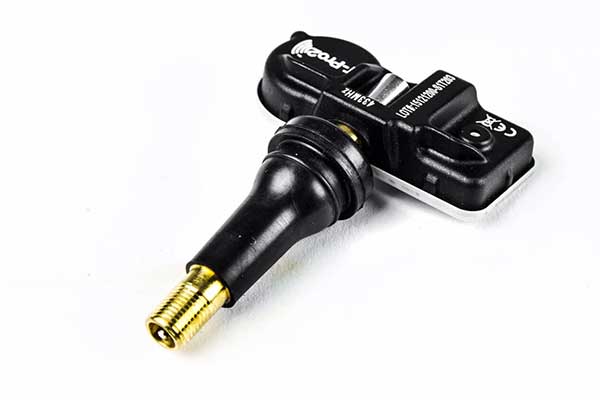
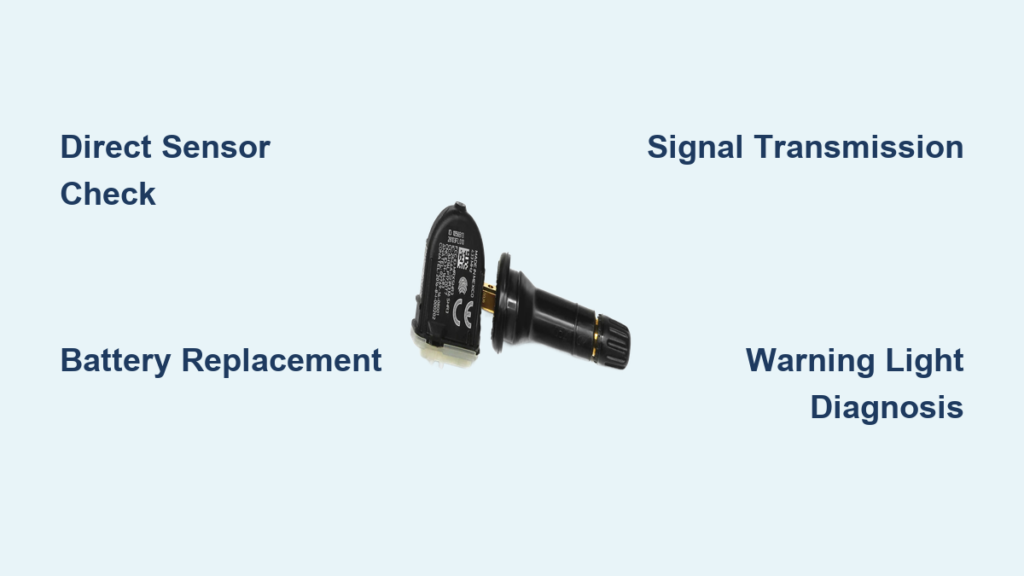
Subaru vehicles primarily use direct tire pressure monitoring systems where each wheel contains its own dedicated sensor that measures actual air pressure inside the tire. These sensors mount either on the valve stem or strap directly to the inside of the wheel rim, positioned where they can accurately measure the air pressure surrounding them.
How Direct Sensors Measure and Transmit Data
Each direct TPMS sensor contains a precision pressure transducer that takes continuous measurements of the air pressure inside your tire. The sensor also includes a temperature sensor because air pressure changes with temperature—approximately 1 PSI for every 10-degree Fahrenheit change. This temperature compensation prevents false warnings during normal weather fluctuations. The sensor transmits this combined pressure and temperature data via radio frequency signals approximately every 30-60 seconds while driving, sending a unique identification code along with the readings so your vehicle knows which wheel is reporting.
When your Subaru detects a pressure drop of 25% or more below the recommended level (typically around 33-35 PSI depending on model), the system triggers the dashboard warning light. Modern Subarus display actual pressure readings for each tire through the trip computer menu, allowing you to identify exactly which tire needs attention before the warning light even illuminates. This real-time monitoring helps catch slow leaks early, potentially preventing a roadside emergency.
Why Direct Systems Outperform Indirect Alternatives
Subaru’s direct TPMS offers significant advantages over the indirect systems found in some earlier models. With direct sensors, you receive precise pressure readings for each individual tire, eliminating guesswork about which wheel has the problem. The system can detect slow leaks that might otherwise go unnoticed for weeks, and the temperature compensation ensures weather changes don’t trigger unnecessary warnings. Most importantly, direct systems won’t miss equal underinflation across all four tires—a critical limitation of indirect systems that led Subaru to phase them out after model year 2009.
Wireless Communication Between Sensors and Vehicle
The radio frequency communication between your tire sensors and Subaru’s receiver unit represents sophisticated engineering that functions reliably despite challenging conditions. Subaru TPMS sensors operate in the 315 MHz or 433 MHz frequency bands, carefully selected to balance transmission range with minimal interference from other vehicle electronics.
Signal Transmission Protocols and Reliability
Each TPMS sensor has a unique identification code programmed at the factory. When your Subaru receives a signal, it checks this ID against its stored list of authorized sensors—preventing interference from nearby vehicles. The transmission frequency increases when the system detects rapid pressure changes (suggesting an active leak) but reduces when parked to conserve battery life. Despite the challenging environment of rotating wheels, metal obstructions, and electromagnetic interference from other vehicle systems, Subaru engineers have optimized antenna placement (typically near the rearview mirror or in the roof structure) to ensure reliable signal reception at all speeds.
Understanding Warning Light Behavior
Subaru’s TPMS warning system operates with two distinct modes you should recognize. A steady illuminated warning light indicates one or more tires is significantly underinflated—check and adjust pressure immediately. A flashing warning light signals a system malfunction rather than low pressure, meaning the vehicle can no longer reliably monitor tire pressure. This could indicate a failed sensor, receiver issue, or communication problem requiring professional diagnosis. Never ignore a flashing TPMS light, as it means your safety monitoring system is compromised.
Sensor Battery Life and Replacement Procedures

The lithium-ion batteries inside direct TPMS sensors typically last 5-10 years depending on driving conditions and climate. Extreme temperatures, frequent pressure fluctuations, and constant vibration gradually deplete these non-replaceable batteries. When battery failure occurs, the sensor stops transmitting entirely, eventually triggering the TPMS warning light as a system malfunction rather than a low pressure condition.
Replacing Failed TPMS Sensors
When replacing Subaru TPMS sensors, you have two options: genuine OEM sensors from your dealer ($50-$100 each) or quality aftermarket alternatives ($15-$40 each). The critical factor is ensuring compatibility with your specific Subaru model’s communication protocol. Aftermarket sensors often require programming to match your vehicle’s system, while OEM sensors typically work with Subaru’s automatic relearn procedures. The replacement process involves tire dismounting, sensor installation, and completing the vehicle’s sensor relearn sequence—either through driving a specific pattern or using specialized programming tools.
Troubleshooting Common TPMS Issues
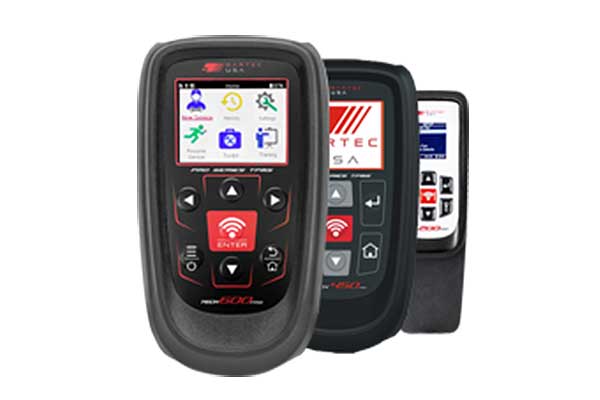
When your TPMS warning light illuminates, follow this systematic approach before visiting a service center. First, manually check all four tires with a reliable pressure gauge—don’t rely solely on the dashboard display. Inflate any underinflated tires to the exact specification shown on your driver’s side door jamb placard (typically 33-35 PSI when cold). Drive for 10-15 minutes to allow the system to register updated pressures; the warning light should extinguish automatically if the issue was simply low pressure.
Diagnosing Persistent Warning Lights
If the light remains illuminated after proper inflation, access your Subaru’s TPMS diagnostic mode through the trip computer or specific button sequence. This displays actual pressure readings from each sensor, helping identify non-communicating sensors (shown as “–” or “0”) or inaccurate readings. Temperature-related pressure fluctuations are normal—cold mornings often trigger temporary warnings that resolve as tires warm during driving. Valve stem corrosion represents another common failure point, especially with older metal valve stems that Subaru has largely replaced with rubber-sealed versions in newer models.
Essential TPMS Maintenance Practices
Proper TPMS maintenance extends sensor life and ensures reliable performance when you need it most. Check tire pressure monthly with a quality gauge (not just the dashboard display), especially before long trips or when carrying heavy loads. Always check pressure when tires are “cold”—meaning the vehicle has been parked for at least three hours or driven less than one mile.
Professional Service Considerations
When getting new tires installed, inform the technician about your TPMS system. Proper service includes testing sensor function before and after mounting tires to prevent damage during the process. After any tire service, verify that your TPMS light extinguishes during driving and that all tire pressure readings appear reasonable on your dashboard display. Avoid tire sealants unless absolutely necessary for emergency repairs, as many contain chemicals that can damage TPMS sensor electronics.
Understanding System Limitations for Safe Driving
Recognize that your TPMS is designed to detect significant pressure loss, not to monitor comprehensive tire health. A slow leak might take weeks to trigger a warning while still causing uneven tire wear and reduced handling. Regular visual inspections remain essential for spotting embedded objects, sidewall damage, or abnormal wear patterns that TPMS won’t detect. The system also cannot compensate for load-related pressure needs—when carrying heavy cargo or towing, consult your owner’s manual for adjusted pressure specifications.
Your Subaru’s tire pressure monitoring system represents an important safety feature that, when properly maintained, provides years of reliable service. By understanding how these sensors work, recognizing warning patterns, and following proper maintenance practices, you’ll maximize both tire life and your vehicle’s safety performance. The next time that TPMS light appears, you’ll know exactly how to respond—turning potential anxiety into confident action that keeps you and your passengers safe on every journey.