Driving over a sharp object and hearing that dreaded hiss of air escaping your tire is a stressful experience. You might be tempted to patch any puncture to save money on a new tire, but when it comes to sidewall damage, cutting corners can have dangerous consequences. Understanding how close to the sidewall a tire can be safely patched isn’t just about saving money—it’s about ensuring your safety on the road. In this guide, we’ll clarify the critical distance measurements that determine whether your tire needs repair or replacement, helping you make informed decisions that protect both your wallet and your wellbeing.
Why Sidewall Repairs Are Different From Tread Repairs
The fundamental difference between tread and sidewall repairs comes down to tire construction and function. While the tread area is designed to handle punctures with proper repair methods, the sidewall serves a completely different purpose in your tire’s structure. Tire sidewalls flex significantly as you drive, absorbing road impacts and maintaining vehicle stability. This constant flexing creates unique challenges for any repair attempt near this critical area.
The Structural Danger of Sidewall Damage
When a puncture occurs within the sidewall zone, the structural integrity of your tire is compromised in ways that simple patching cannot fix. Unlike the reinforced tread area, sidewalls lack the same internal structure that would support a proper repair. Attempting to patch damage too close to the sidewall creates a weak point that can fail catastrophically at highway speeds. The rubber compound in sidewalls is also formulated differently—it’s more flexible to allow for the necessary movement, which means patches don’t adhere as securely as they do in the stiffer tread area.
Industry Standards for Repairable Zones
Professional tire technicians follow strict guidelines that define exactly how close to the sidewall a puncture can be and still qualify for repair. These standards exist for good reason—improperly repaired tires are a leading cause of preventable blowouts. The repairable zone typically extends only to a specific distance from where the sidewall begins to curve, measured from both the inner and outer edges of the tire. Understanding these boundaries could prevent you from making a dangerous decision when faced with tire damage.
Measuring the Critical Repair Boundary
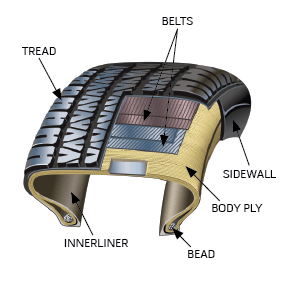
The precise measurement that determines whether a puncture can be safely repaired is more specific than most drivers realize. This critical distance isn’t measured from the very edge of the tire, but from the point where the sidewall’s curvature begins—a distinction that matters significantly when assessing damage.
The One-Inch Safety Margin Rule
Professional tire repair standards establish that any puncture within one inch (approximately 25 millimeters) of the beginning of the sidewall curvature falls outside the repairable zone. This measurement applies to both the inner and outer sidewalls of the tire. To visualize this boundary, run your finger along the tire’s edge until you feel where the straight sidewall begins to curve inward toward the wheel—that transition point is your starting measurement location. Any damage closer than one inch from this point requires tire replacement rather than repair.
Why This Specific Measurement Matters
This one-inch rule isn’t arbitrary—it’s based on extensive testing of tire flex patterns and failure points. When tires rotate, the sidewall flexes approximately 15-20% more in the first inch beyond the defined boundary than in the tread area. This increased flexing creates excessive stress on any repair, causing the patch or plug to separate from the tire casing over time. Numerous tire failure analyses show that repairs performed within this critical zone consistently develop air leaks or catastrophic failures within 3,000-5,000 miles of driving.
Visual Inspection Techniques for Sidewall Damage

Identifying whether your tire damage falls within the repairable zone requires careful visual inspection—not just a quick glance at the puncture site. Many drivers mistakenly believe they can assess sidewall damage from the outside alone, but proper evaluation requires examining both the interior and exterior of the tire.
How to Locate the Sidewall Boundary
To accurately determine if your puncture is too close to the sidewall, follow these steps:
- Clean the tire thoroughly with soap and water to remove dirt and debris
- Locate the shoulder area where the tread pattern ends and the sidewall begins
- Identify the precise point where the tire’s curvature changes from the relatively flat tread area to the curved sidewall
- Measure one inch inward from this transition point toward the center of the tread
If your puncture sits at or within this one-inch zone, professional standards require tire replacement. Don’t be fooled by superficial appearances—a puncture that looks minor on the surface might have caused significant internal damage that extends into the non-repairable zone.
Warning Signs of Non-Repairable Damage
Certain visual indicators clearly signal that your tire damage extends beyond repairable limits:
- Bulges or bubbles appearing near the puncture site
- Cuts or gashes rather than clean punctures
- Damage that extends through multiple tread grooves
- Visible cord material at the puncture site
- Any damage that appears on the actual sidewall rubber (not just near it)
If you notice any of these warning signs, continuing to drive on the tire—even temporarily—puts you at serious risk. Sidewall failures often happen without warning and can cause complete loss of vehicle control.
Professional Repair Process for Borderline Cases
When a puncture appears near but possibly outside the one-inch boundary, professional tire technicians follow specific protocols to determine if repair is safe. This process involves more than just measuring distance—it includes thorough internal inspection and structural assessment.
The Mandatory Internal Inspection
No reputable tire shop will attempt a repair without first removing the tire from the wheel and inspecting the interior. This critical step reveals damage that might not be visible from the outside. Technicians examine the inner liner for:
- Hidden puncture tracks extending toward the sidewall
- Separation of internal plies
- Damage to the bead area
- Evidence of previous improper repairs
If any internal damage extends within the one-inch boundary, the tire must be replaced regardless of how the exterior appears.
Repair Methods That Meet Safety Standards
For punctures that clear the one-inch boundary, proper repair requires both a plug and a patch—not just one or the other. The rubber plug fills the puncture channel, while the internal patch seals the liner and reinforces the damaged area. Repairs using only a plug (common at some quick-lube shops) don’t meet industry safety standards and should be avoided. The entire repair process should take approximately 30-45 minutes per tire when performed correctly.
When Replacement Is the Only Safe Option
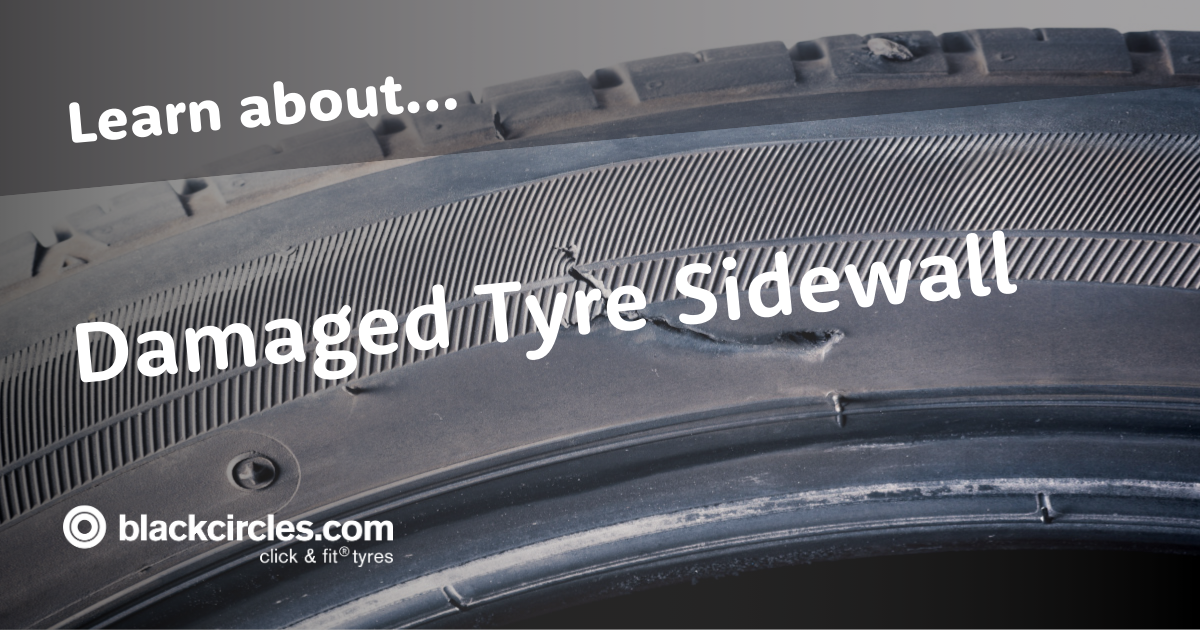
Certain types of damage automatically disqualify a tire from any repair attempt, regardless of location. Understanding these absolute no-repair scenarios can prevent dangerous decisions when you’re faced with tire damage.
Irreparable Sidewall Damage Types
Complete sidewall replacement is required when:
- Any visible bulge or bubble appears on the sidewall
- The puncture hole measures larger than ¼ inch (6mm) in diameter
- Damage results from impact with a curb or pothole (not a simple puncture)
- Previous repairs exist in the same general area
- The tire has been driven while significantly underinflated
These conditions compromise the tire’s structural integrity in ways that no repair can safely restore. Continuing to drive on such a tire risks sudden air loss at speed, which can cause loss of vehicle control.
Cost Considerations vs. Safety
While tire replacement represents a greater immediate expense than repair, consider the potential costs of an accident caused by tire failure. The average cost of a single tire replacement ranges from $80-$200 depending on vehicle type, while the consequences of a blowout-related accident could include thousands in vehicle repairs, medical bills, and increased insurance premiums. Many tire retailers also offer warranty programs that provide pro-rated replacement value if you need to replace multiple tires within a certain timeframe.
Preventive Maintenance to Avoid Sidewall Damage
The best approach to sidewall safety is preventing damage before it occurs. Regular tire maintenance significantly reduces your risk of encountering situations where you must decide between risky repairs and expensive replacements.
Monthly Inspection Routine
Establish a simple monthly inspection habit:
- Check tire pressure (including spare) with an accurate gauge
- Rotate tires every 5,000-7,000 miles to ensure even wear
- Examine tires for nails, glass, or other embedded objects
- Look for uneven wear patterns that indicate alignment issues
- Inspect sidewalls for cuts, cracks, or bulges
Catching potential problems early often prevents minor issues from becoming major safety hazards. Pay particular attention to sidewalls during winter months when road debris increases and temperature fluctuations stress tire rubber.
Driving Habits That Protect Your Tires
Your driving behavior significantly impacts tire longevity and safety:
- Avoid curbs when parking—hitting them even at low speeds can damage sidewalls
- Slow down for potholes and road hazards
- Don’t overload your vehicle beyond manufacturer specifications
- Maintain proper inflation (underinflation causes excessive sidewall flexing)
- Replace tires before they reach minimum tread depth (2/32 inch)
These simple practices extend tire life and dramatically reduce your chances of encountering the difficult decision about whether a sidewall puncture can be safely repaired.
Final Note: When in doubt about whether your tire damage falls within repairable limits, always err on the side of caution and replace the tire. No repair is valid for punctures within one inch of the sidewall boundary, and attempting to patch damage in this zone creates an unacceptable safety risk. Consult a certified tire professional who follows industry repair standards rather than risking a shortcut that could compromise your safety. Regular maintenance and prompt attention to tire damage represent your best strategy for avoiding dangerous situations on the road.