Your Sportster’s tires are the critical connection between you and the road, yet many riders overlook the simple but vital task of maintaining proper tire pressure. Even a 4-6 PSI deviation from recommended levels can significantly impact your motorcycle’s handling, braking performance, and tire longevity. Whether you’re cruising on an Iron 883, carving corners on a Roadster, or pulling up to the local bike night on a Forty-Eight, getting tire pressure right transforms your riding experience from mediocre to magnificent. This guide delivers everything you need to know about Harley Davidson Sportster tire pressure—no guesswork, no fluff, just actionable information that keeps you safe and your bike performing at its best.
Harley Sportster Recommended Tire Pressure Specifications
Harley Davidson engineers have precisely determined the optimal pressure ranges for each Sportster model, and ignoring these specifications compromises your safety and performance. These manufacturer recommendations aren’t arbitrary numbers—they’re the result of extensive testing to balance handling, comfort, and tire wear across various riding conditions.
Cold Pressure Recommendations for Maximum Performance
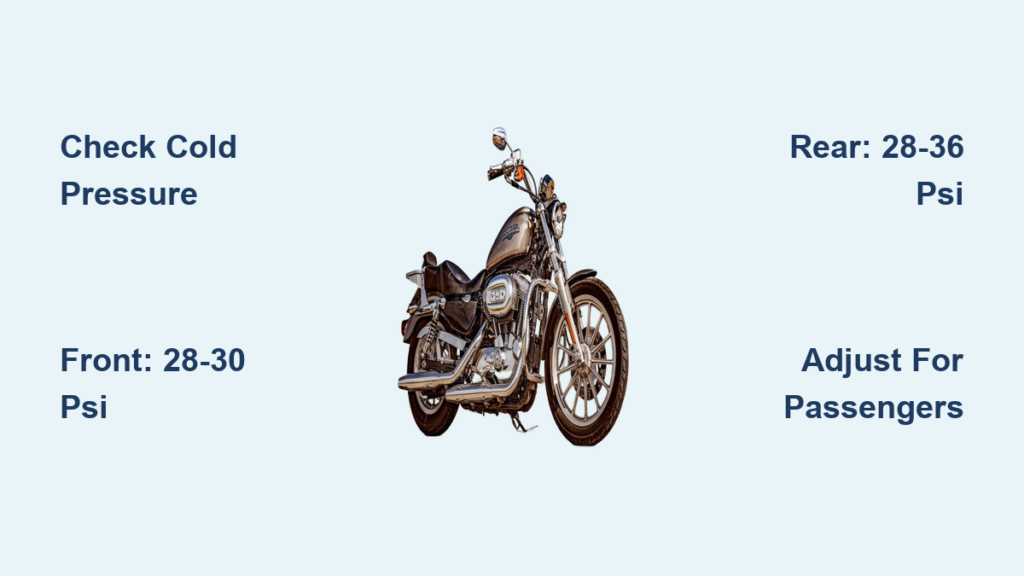
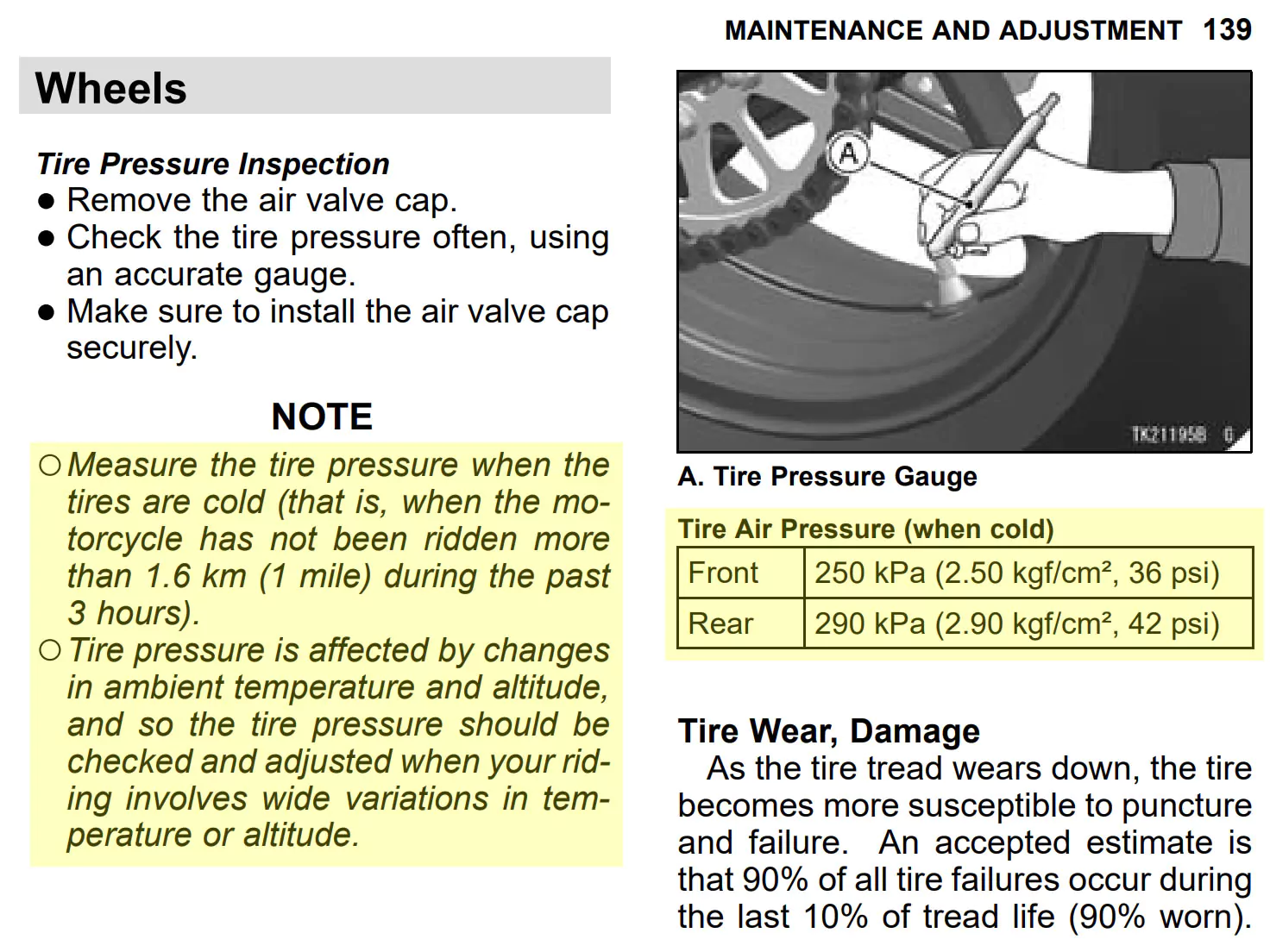
For all modern Harley Davidson Sportster models—including the Iron 883, Forty-Eight, Roadster, SuperLow, and 1200 Custom—the manufacturer specifies 28-30 PSI for the front tire and 28-36 PSI for the rear tire when measured cold. This cold pressure measurement is non-negotiable for accuracy. Tires naturally heat up during riding, causing internal air pressure to increase by 4-8 PSI. Checking pressure after riding gives false readings that lead to chronic underinflation if used as your baseline. Always measure pressure when tires have been stationary for at least two hours or overnight—this is the only way to get a true reading against which to adjust.
Load and Passenger Adjustments That Prevent Dangerous Handling
When carrying a passenger or loaded saddlebags, your Sportster’s rear tire requires immediate pressure adjustment to 36-40 PSI to maintain stability. Without this increase, the rear tire squirms under load, creating dangerous instability during acceleration, braking, and cornering. Solo riders can optimize their setup by running the rear tire at 28-32 PSI for improved wet-weather traction and a slightly more compliant ride. However, never assume—always verify your specific model year’s recommendation in the owner’s manual, as Harley occasionally updates these specifications based on tire technology advancements.
Why Incorrect Sportster Tire Pressure Creates Dangerous Consequences
Understanding exactly how tire pressure affects your Sportster’s behavior transforms this routine maintenance task from chore to essential safety practice. Both overinflation and underinflation create predictable handling problems that compromise your control in critical situations.
Handling and Stability Effects That Could Save Your Life
Overinflated Sportster tires reduce the contact patch—the actual rubber touching the road—by up to 25%, creating dangerous instability. You’ll notice your motorcycle following road grooves aggressively, skipping over pavement imperfections, and delivering harsh feedback through the handlebars. In emergency braking situations, overinflated tires can actually increase stopping distance by reducing available traction. Underinflated tires create equally dangerous problems: excessive sidewall flex makes cornering feel vague and sluggish, while the distorted contact patch reduces effective braking power. At highway speeds, underinflation can cause the motorcycle to feel unstable during lane changes—a potentially catastrophic condition when sharing the road with larger vehicles.
Tire Wear Patterns That Reveal Hidden Safety Hazards
Your Sportster’s tires tell a story through their wear patterns, and incorrect pressure writes a damaging narrative. Center wear indicates chronic overinflation—the middle of your tire wears twice as fast as the edges, dramatically reducing available traction in corners. Edge wear reveals dangerous underinflation, where the tire’s shoulders bear excessive load and wear prematurely. Both conditions accelerate tire degradation, potentially creating weak spots that could fail during aggressive riding. Properly inflated Sportster tires typically last 5,000-8,000 miles, but incorrect pressure can cut this lifespan in half—meaning you’re not just wasting money on premature tire replacements, you’re riding on potentially compromised safety equipment.
Step-by-Step Sportster Tire Pressure Checking and Adjustment
Checking and adjusting your Sportster’s tire pressure takes less than five minutes but delivers disproportionate safety and performance benefits. Establishing this simple routine prevents most tire-related problems before they compromise your ride.
Professional-Grade Measurement Procedure
Use a digital pressure gauge with a clear backlit display for accurate readings in any lighting condition—never rely on gas station gauges, which are often miscalibrated. Remove the valve cap, press the gauge firmly straight onto the valve stem (angling creates false readings), and record the number. Compare this against your Sportster’s specifications, typically found on a sticker near the steering head or in your owner’s manual. Check pressure at least once weekly, and always before extended rides. Remember that temperature changes affect pressure predictably—a 10°F drop reduces pressure by 1-2 PSI, so check more frequently during seasonal transitions.
Precision Refilling Technique That Prevents Common Mistakes
When adjusting pressure, add air in small bursts and recheck frequently—overfilling is far more common than underfilling during maintenance. If using a gas station air pump, fill to 2-3 PSI below target, wait 30 seconds for pressure to stabilize, then make final adjustments. Always verify with your own gauge afterward, as hot compressor pumps often overstate pressure. Never adjust pressure based on hot tire readings—wait the required two hours for cooling or account for the expected 4-6 PSI increase from normal riding.
Seasonal Sportster Tire Pressure Adjustments You Must Make
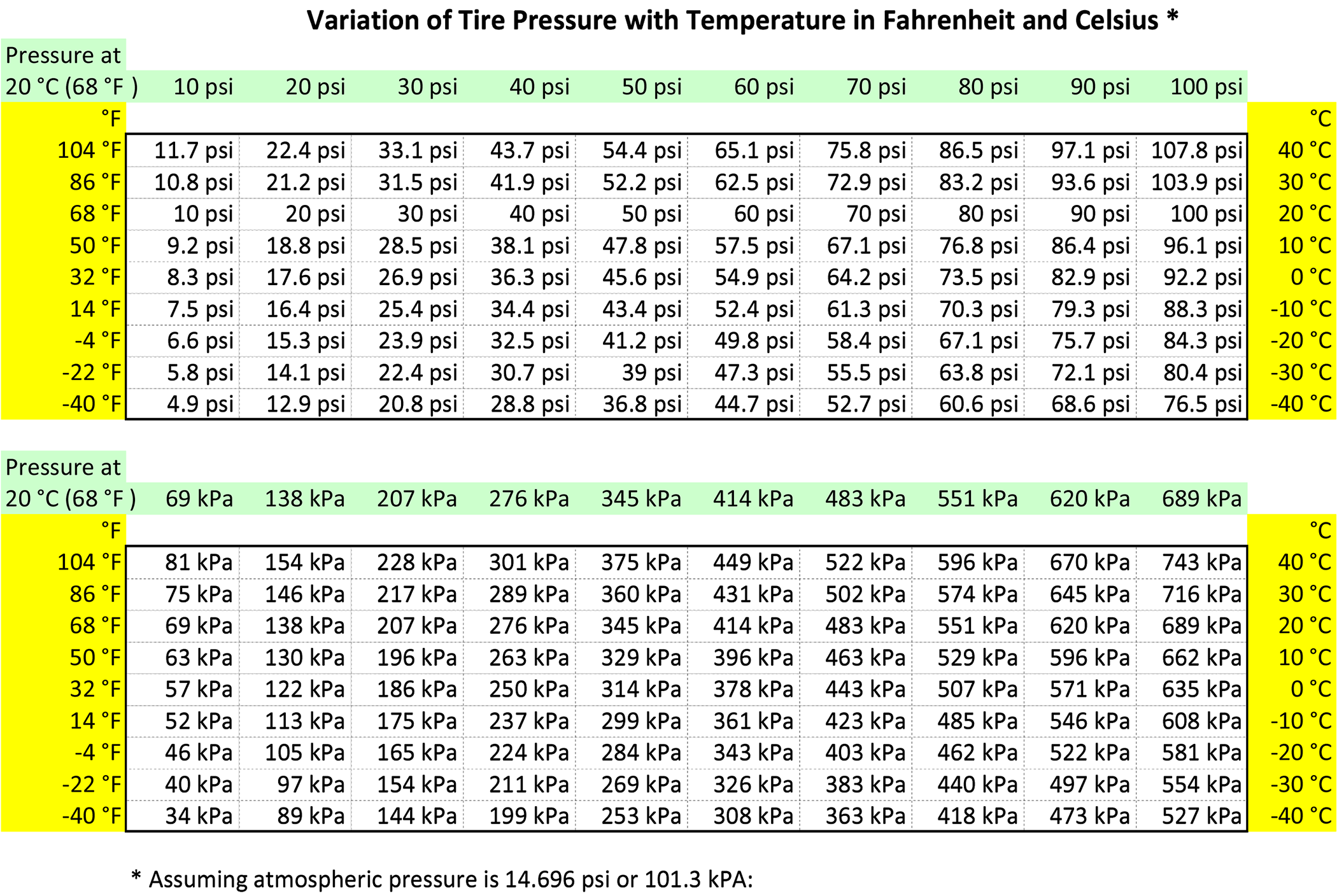
Temperature fluctuations throughout the year cause measurable pressure changes in your Sportster’s tires, and understanding these natural variations prevents unnecessary adjustments and maintains consistent performance.
Cold Weather Riding Adjustments That Improve Winter Safety
During winter months or when storing your Sportster in unheated spaces, expect pressure to drop 3-5 PSI compared to summer readings—a completely normal phenomenon, not a leak. Simply add air to restore the recommended cold pressure for your riding conditions. Some experienced Sportster riders increase pressure by 2-3 PSI above summer specifications for cold-weather riding to compensate for reduced tire flexibility in low temperatures, though this depends on personal preference and road conditions. Never ride with tires significantly below minimum specifications, as cold rubber compounds become less compliant and require proper inflation to maintain adequate contact with the road.
Hot Weather and Touring Pressure Management
During summer riding or extended highway touring, expect pressure to increase 8-12 PSI above cold readings—a normal response to heat buildup. Never release air from hot tires; wait until they’ve cooled completely before making adjustments. If pressure increases more than 15 PSI above cold specifications during normal riding, this indicates either chronic underinflation before riding or aggressive riding conditions that generate excessive heat. Consistently high heat buildup accelerates tire degradation and reduces available traction when you need it most.
Diagnosing and Fixing Common Sportster Tire Pressure Problems
Recognizing symptoms of pressure-related issues allows you to address problems before they compromise your safety or damage expensive tires.
Slow Pressure Loss Diagnosis and Repair
If your Sportster loses 2-3 PSI per week, you likely have a slow leak rather than a catastrophic failure. Apply soapy water solution to the valve stem base and bead area while the tire is inflated—bubbles reveal the leak location. Most slow leaks originate from deteriorated valve stems (replace every 2-3 years) or bead seal failures requiring professional tire mounting. Never ignore gradual pressure loss; consistent underinflation creates dangerous handling characteristics and damages both tires and wheels over time.
Emergency Flat Tire Response Protocol
If you experience sudden pressure loss while riding, gradually reduce speed while maintaining a firm grip on the handlebars—avoid hard braking or steering inputs that become unpredictable with a deflated tire. Pull over safely and inspect the tire for punctures or bead separation. For roadside repairs, use a quality tire plug kit only as a temporary measure to reach a professional repair facility. Never ride more than 50 miles or exceed 50 mph on a plugged tire, and always have a professional inspect the damage—sidewall punctures or damage larger than 1/4 inch require complete tire replacement.
Sportster Tire Type Pressure Considerations That Affect Performance

Your Sportster’s tire construction significantly impacts optimal pressure, and using incorrect specifications for your tire type creates unnecessary handling compromises.
Bias-Ply Tire Pressure Optimization
Most Sportster models use bias-ply tires with crisscrossed internal plies that require firm inflation to maintain sidewall stability. Running these tires below 28 PSI causes excessive flex that generates dangerous heat buildup during aggressive riding or extended highway cruising. Bias-ply tires also exhibit more pronounced pressure changes with temperature fluctuations, requiring more frequent checks during seasonal transitions.
Radial Tire Pressure Adjustments for Modern Sportsters
Some newer Sportster applications use radial construction with steel belts running perpendicular to the direction of travel. These tires typically perform best at 2-4 PSI lower than equivalent bias-ply applications while providing superior heat dissipation and grip. If your Sportster has radial tires, consult the tire manufacturer’s specific recommendations rather than defaulting to standard Sportster specifications.
Essential Sportster Tire Maintenance Practices
Beyond pressure management, these simple maintenance habits maximize tire performance and safety throughout their service life.
Inspect tires visually before every ride for embedded objects, cracks, bulges, or uneven wear patterns. Remove any visible nails or screws but mark their location for professional inspection—small objects can work deeper into the tire with continued riding. Replace valve stems whenever you replace tires—the rubber components degrade over time and become the most common source of slow leaks. During extended storage, inflate tires to the upper end of the recommended range to prevent flat spotting, and move the motorcycle periodically to shift weight distribution.
Sportster Tire Pressure Summary: Critical Takeaways for Every Ride
Proper tire pressure management is the single most impactful maintenance task for Sportster owners. Always measure pressure when tires are cold, target 28-30 PSI front and 28-36 PSI rear (adjusting upward for passengers), and check weekly. Temperature changes naturally affect pressure—add air in winter, but never release air from hot tires. Inspect tires visually during each pressure check, looking for wear patterns that reveal hidden problems. Address pressure loss immediately rather than repeatedly refilling, as consistent loss indicates a repairable issue. By mastering these simple practices, you’ll enjoy predictable handling, optimal traction, and maximum tire life on every Sportster adventure.