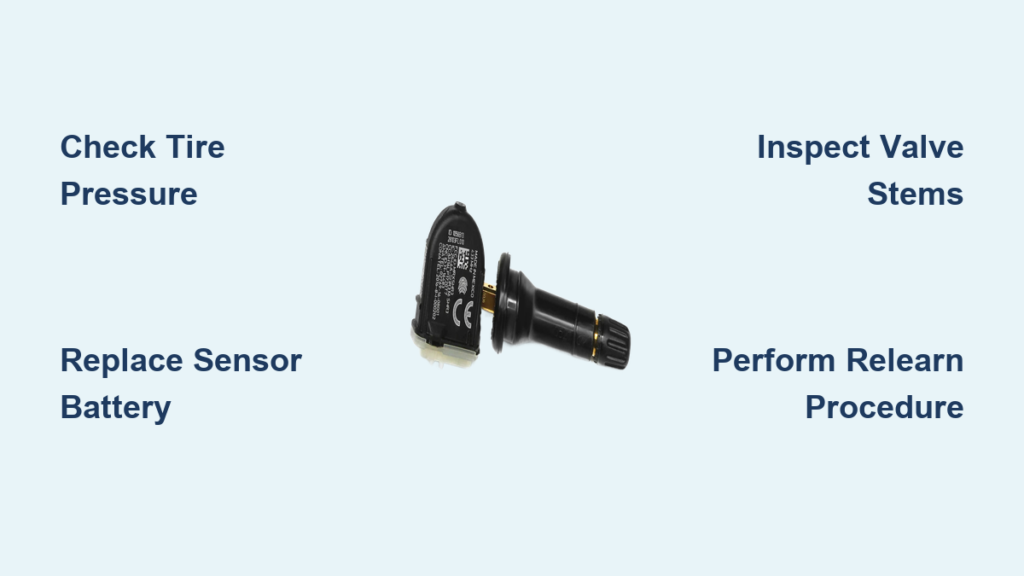
That persistent flashing tire pressure light on your Subaru dashboard isn’t just an annoyance—it’s your vehicle’s urgent signal that something is wrong with the tire pressure monitoring system itself. Unlike a steady TPMS light, which simply indicates low tire pressure, a flashing pattern that persists for 60-90 seconds before staying solid signals a system malfunction requiring diagnostic attention. This critical distinction determines whether you need a simple air fill-up or professional repair service. Understanding what causes this warning, how to diagnose it properly, and what repair options exist can save you time, money, and frustration while ensuring your vehicle’s safety systems function correctly.
This comprehensive guide walks you through everything Subaru owners need to know about that flashing tire pressure light, from initial diagnosis to professional repair options and preventive maintenance strategies that keep your TPMS functioning reliably for years to come.
Decode Your Subaru’s Flashing TPMS Warning Pattern
When you start your Subaru, the TPMS light should flash briefly as a system self-check—this is normal behavior. However, if the light continues flashing for 60-90 seconds before transitioning to a steady glow, the system has detected a fault rather than simply identifying low tire pressure. This distinction matters because the repair approach differs entirely. Low pressure requires only inflation, while system faults demand diagnostic investigation to identify the underlying component failure.
A steady TPMS light means one or more tires are underinflated and needs air. A flashing pattern means the monitoring system itself has a problem. The flashing pattern serves as an early warning that the TPMS control module cannot reliably monitor tire pressure. The system may still be receiving some data from sensors, but something is preventing normal operation—typically a failing sensor battery, damaged component, or electrical interference. Ignoring this warning removes an important safety net that could alert you to dangerous tire conditions while driving.
Common Causes of Your Subaru’s Flashing Tire Pressure Warning
Sensor Battery Depletion After 7 Years
The lithium-ion batteries inside TPMS sensors are designed to last 5-10 years, but real-world conditions often shorten this lifespan significantly. Extreme temperature fluctuations accelerate battery depletion, and Subaru vehicles typically see sensor battery failures cluster around the 7-year mark. The left front tire position often fails first because of its proximity to engine heat, but pattern variations occur based on driving conditions.
When a sensor battery reaches end-of-life, it transmits weakened or intermittent signals that the control module interprets as a system malfunction, triggering the flashing warning sequence. High-mileage vehicles experience more sensor activation cycles, which draws battery power more quickly. This is why many owners experience TPMS issues after routine tire rotations or replacements performed at independent shops.
Physical Sensor Damage from Road Hazards
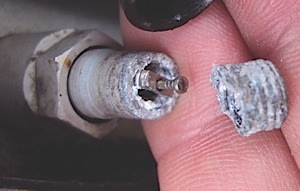
TPMS sensors mounted inside each wheel assembly face constant exposure to road hazards. Potholes, speed bumps, curbs, and debris impacts can damage sensor housings or disrupt internal components. Winter driving poses particular risks as ice, salt, and gravel accumulate on roads, creating conditions where sensor damage occurs more frequently. Subaru owners in northern climates often report TPMS issues following especially harsh winter seasons.
Tire replacement procedures also present opportunities for sensor damage. If technicians aren’t careful when breaking tire beads and removing tires from rims, sensors can be nicked, crushed, or their valve stems bent. Even improper tool use during tire service can damage sensor electronics. This is why many Subaru owners experience their first TPMS issues after routine tire service.
Electrical System Faults in Subaru Wiring
The TPMS relies on a network of sensors, a receiver unit, and the central control module—all connected through your vehicle’s electrical system. Wiring harness damage from road debris or corroded connectors can disrupt communication between components, causing the flashing warning pattern. The receiver unit itself, typically located in the trunk area or under the dashboard, can fail due to age, vibration, or power supply irregularities.
Ground connection problems plague many Subaru vehicles and often affect multiple systems simultaneously. The ground straps connecting various electrical components to the chassis can corrode, loosen, or break over time, creating intermittent electrical connections that cause sporadic TPMS faults. These ground-related issues frequently cause symptoms that appear and disappear based on vehicle movement or temperature changes.
Model-Specific Flashing TPMS Issues in Subaru Vehicles

Legacy and Outback (2010-2019) Relearn Requirements
Subaru Legacy and Outback models from this period use direct TPMS systems with sensors at each wheel location and an integrated display in the instrument cluster showing individual tire pressures. The flashing TPMS light commonly appears during battery replacement because the system requires a relearn procedure to recognize new sensor identity codes.
The receiver unit in these models integrates with the body control module, meaning electrical system faults can affect multiple functions simultaneously. Owners frequently report TPMS warnings appearing alongside other dashboard indicators when underlying electrical issues exist. This interconnection means diagnostic procedures should assess overall electrical system health rather than focusing solely on TPMS components.
Impreza and WRX (2012-2020) Performance Sensor Challenges
The Impreza and WRX use similar direct TPMS technology but with different sensor specifications. The WRX performance model employs sensors with higher temperature tolerances to withstand heat generated during performance driving. These specialized sensors may trigger false warnings when subjected to extreme driving conditions that generate significant heat.
TPMS sensor replacement in WRX models requires careful attention to torque specifications during installation. Over-tightening sensor mounting hardware damages the sensor body and creates leaks at the valve stem interface, while under-tightening allows the sensor to rotate within the tire assembly, potentially causing structural damage over time. Many owners recommend having WRX sensor replacement performed by technicians familiar with these specific requirements.
Diagnose Your Subaru’s Flashing TPMS Warning
Immediate Visual and Pressure Inspection (5-Minute Check)
Begin diagnosis with a thorough visual inspection of all four tires and their valve stems. Check for visible damage to valve stems, including cracks, corrosion, or signs of leakage. Verify each tire’s pressure using an accurate gauge—the specification is located on the driver’s door jamb placard and typically ranges from 33-35 PSI for front tires and 32-33 PSI for rear tires on most Subaru models.
After adjusting tire pressure, start your vehicle and allow it to idle for 15-20 minutes to let the TPMS system register the changes. Many Subaru systems enter a learning mode when pressure changes are detected and require this idle period to process sensor data properly. If the flashing pattern continues after proper inflation and the waiting period, move to diagnostic equipment for deeper investigation.
Professional Diagnostic Scan for Accurate Results
Professional-grade TPMS diagnostic tools can read sensor identification codes, battery status information, and real-time pressure data from each wheel location. The diagnostic process involves activating each sensor through low-frequency transmission from the diagnostic tool, prompting the sensor to broadcast its identification code and current pressure reading.
Sensors that fail to respond are candidates for replacement, though electrical system issues should be ruled out before assuming sensor failure. Professional diagnosis typically costs $50-100 at tire shops or independent mechanics but can prevent unnecessary parts purchases. Some auto parts stores will scan TPMS codes free of charge as a customer service.
Fix Your Subaru’s Flashing Tire Pressure Light
Replace Failed Sensors with Proper Programming
When diagnostic procedures identify a failed TPMS sensor, replacement is the most effective repair. Replacement sensors must be programmed with your vehicle’s identification number to ensure proper communication with the control module. Many aftermarket sensors arrive blank and require programming before installation, while others are pre-programmed for specific vehicle applications.
The sensor replacement process involves breaking the tire bead seal, removing the tire to access the sensor mounting location, and installing the new sensor with fresh mounting hardware. After installation, the tire mounts and balances, then the vehicle’s TPMS relearn procedure initiates to register the new sensor identity code. Professional sensor replacement typically costs $75-150 per sensor including parts and labor.
Address Valve Stem Issues Before They Worsen
Valve stem problems can cause TPMS warnings that mimic sensor failures. Rubber valve stems deteriorate over time due to ozone exposure and should be inspected during any tire service. Cracked, hardened, or leaking valve stems should be replaced during any TPMS service to prevent future issues. Metal valve stems offer extended service life and come standard on many Subaru models.
Valve stem replacement often performs without full tire removal by accessing the valve stem through the wheel opening. However, this approach may not work on all wheel designs, and tire removal may be necessary for proper access. Valve stem service costs $10-30 for parts and $15-40 for labor per stem when performed during tire service.
Prevent Future Subaru TPMS Issues
Monthly Pressure Verification Saves Money Long-Term
Monthly tire pressure verification is the most effective preventive measure against TPMS-related issues. Check pressure when tires are cold, before driving generates heat that increases pressure readings. Include the spare tire in your checks, as many Subaru vehicles monitor the spare and will trigger warnings for low spare pressure.
Seasonal pressure adjustments may be necessary in regions with significant temperature variations. Tire pressure decreases approximately 1 PSI for every 10 degrees Fahrenheit temperature drop, meaning winter driving conditions can cause pressure to fall below specifications even without actual leaks. Checking monthly compensates for these natural pressure variations.
Wheel Compatibility Verification Before Upgrades
When considering aftermarket wheel purchases, verify TPMS sensor compatibility before buying. Wheels designed for Subaru applications typically accommodate TPMS sensors without modification, while universal fitment wheels may require adapters or modifications affecting sensor function. The wheel’s valve stem hole size and location must match sensor specifications for proper mounting and signal transmission.
Consult with wheel retailers about specific TPMS compatibility for your Subaru model year. Many reputable wheel sellers provide compatibility guides or can advise on which wheel options work with factory TPMS sensors. Avoiding compatibility issues prevents headaches and ensures your TPMS continues functioning after wheel upgrades.
Drive Safely with Active TPMS Warnings
While a flashing tire pressure light on your Subaru indicates a system malfunction rather than an immediate tire-related safety hazard, the underlying issue could eventually lead to tire pressure problems going undetected. Operating with an inoperative TPMS removes automatic warning for pressure loss, making regular manual pressure checks essential until repairs complete. Check tire pressure at least weekly when an active TPMS warning exists.
The most appropriate approach to persistent TPMS warnings involves proper diagnosis and repair of the underlying system fault. Tampering with or disabling TPMS systems for convenience is not recommended and may be illegal in jurisdictions requiring functional tire pressure monitoring. Understanding why your Subaru’s tire pressure light is flashing and taking appropriate action ensures your vehicle’s safety systems remain fully operational.