When you notice your Hyundai Elantra’s tire pressure light flashing instead of staying steadily illuminated, it signals a more serious issue than simply underinflated tires. This specific warning pattern indicates a problem with your Tire Pressure Monitoring System (TPMS) itself—not just low air in your tires. Ignoring this flashing indicator could compromise your safety and lead to expensive repairs down the road. Understanding why this happens and how to respond properly can save you time, money, and potential roadside emergencies. In this guide, we’ll explain what a flashing tire pressure light means for Elantra owners, outline the common causes behind this specific warning, and provide actionable steps to diagnose and resolve the issue safely.
Immediate Actions When Your Elantra Tire Pressure Light Starts Flashing
Check Your Tires Before Taking Further Action
Before assuming the worst, perform these critical checks:
- Visually inspect all four tires for obvious damage like punctures, bulges, or embedded objects
- Use a quality tire gauge to measure pressure in each tire (don’t rely on gas station gauges)
- Compare readings to the manufacturer’s specifications (typically found on the driver’s side door jamb sticker)
- Check tire temperature—recent driving can temporarily increase pressure readings
If you discover significantly low pressure in one or more tires, inflate them to the recommended PSI and monitor whether the light behavior changes. Sometimes a simple pressure adjustment resolves what initially appeared to be a system malfunction.
Don’t Ignore the Flashing Pattern
A flashing tire pressure light on your Elantra differs significantly from a steady illumination:
- Steady light: Indicates one or more tires are underinflated (typically 25% below recommended PSI)
- Flashing light (for 60-90 seconds after startup, then steady): Normal system initialization
- Continuously flashing light: Critical TPMS malfunction requiring immediate attention
This persistent flashing pattern means your Elantra’s tire pressure monitoring system cannot properly monitor your tire pressures, leaving you without this important safety feature. Unlike a steady light that simply means “check your tires,” a continuously flashing light indicates the monitoring system itself has failed.
Common Causes of a Flashing Tire Pressure Light in Hyundai Elantras

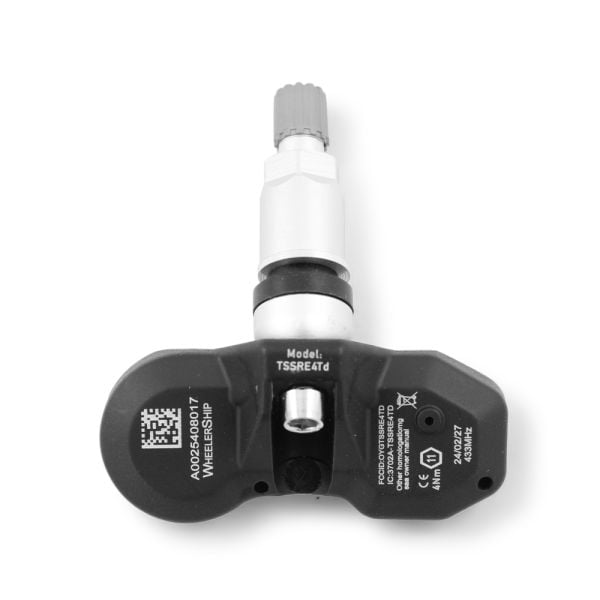
Faulty TPMS Sensor in One or More Wheels
The most frequent reason for a continuously flashing tire pressure light is a malfunctioning sensor:
- Dead sensor battery (TPMS sensors contain non-replaceable batteries lasting 5-10 years)
- Physical damage to the sensor from road hazards or improper tire changes
- Corroded sensor contacts preventing proper communication with the vehicle
- Improperly reinstalled sensors after tire rotation or replacement
When any sensor fails to transmit data consistently, the Elantra’s system cannot verify tire pressures, triggering the flashing warning light to alert you that the monitoring system is compromised.
Electrical System Issues Affecting TPMS Functionality
Several electrical problems can disrupt proper TPMS operation:
- Blown fuse dedicated to the TPMS system (check your owner’s manual for location)
- Damaged wiring harness connecting sensors to the control module
- Faulty TPMS control module that processes sensor data
- Electromagnetic interference from aftermarket electronics or accessories
Unlike low tire pressure issues that might resolve themselves as temperatures change, electrical problems typically cause persistent flashing until properly diagnosed and repaired.
How to Diagnose Your Elantra’s Flashing Tire Pressure Light
Perform a System Reset Attempt (Temporary Diagnostic Step)
Before seeking professional help, try this diagnostic reset procedure:
- Ensure all tires are inflated to the correct PSI (found on driver’s door jamb)
- Turn your ignition to the “ON” position (do not start the engine)
- Locate the TPMS reset button (typically below the steering wheel)
- Press and hold the button until the TPMS light blinks three times
- Start the engine and drive at 19+ mph for 20+ minutes to complete reinitialization
Important: If the light continues flashing after this procedure, you have a system malfunction—not just low tire pressure. This test helps determine whether you’re dealing with a simple pressure issue or actual system failure.
Monitor the Flashing Pattern for Diagnostic Clues
Pay close attention to the specific flashing behavior:
- Continuous rapid flashing: Typically indicates complete system failure
- Intermittent flashing: May suggest a weak signal or intermittent connection
- Flashing followed by steady illumination: Could indicate one failed sensor among working ones
Different flashing patterns can help technicians pinpoint whether the problem lies with individual sensors, the receiver module, or broader electrical issues.
Professional Diagnosis vs. DIY Repair Considerations

When to Seek Professional Assistance Immediately
Certain situations require professional diagnosis without delay:
- Flashing continues after proper tire inflation and reset attempt
- You’ve recently had tire service performed (sensors may have been damaged)
- Multiple warning lights appear simultaneously (indicates possible electrical issues)
- You notice handling changes along with the flashing light
Modern TPMS systems require specialized diagnostic equipment to read sensor IDs, check battery status, and verify communication signals—tools most DIYers don’t possess. Attempting improper repairs could create additional problems or safety hazards.
Cost Considerations for TPMS Repairs
Understanding potential costs helps manage expectations:
| Repair Type | Typical Cost Range | Time Required |
|---|---|---|
| Single sensor replacement | $100-$250 per wheel | 30-60 minutes |
| TPMS system reprogramming | $50-$150 | 20-40 minutes |
| Control module replacement | $300-$600 | 1-2 hours |
| Electrical system diagnosis | $80-$150/hour | 1-2 hours |
Replacing a single faulty sensor is usually the most common and cost-effective solution. However, if multiple sensors have failed or the control module is defective, costs increase significantly. Some newer Elantra models integrate TPMS with other vehicle systems, making repairs more complex.
Preventing Future TPMS Issues in Your Hyundai Elantra
Regular Maintenance Practices That Extend Sensor Life
Extend the life of your TPMS components with these proactive measures:
- Check tire pressure monthly with a quality gauge (don’t wait for the warning light)
- Avoid curbs and potholes that can damage sensors mounted inside wheels
- Use valve stem caps to prevent moisture and debris from affecting sensors
- Have sensors inspected during routine tire rotations or service appointments
Properly maintained tires not only prevent unnecessary TPMS warnings but also improve fuel efficiency and handling while extending tire life.
What to Tell Your Technician for Efficient Service
When seeking professional help, provide these details to streamline diagnosis:
- Exact flashing pattern you’re observing (continuous, intermittent, etc.)
- When the problem started (after tire service, following weather change, etc.)
- Whether you’ve attempted any resets and their results
- Any recent repairs or modifications to wheels or tires
This information helps technicians skip basic troubleshooting steps and focus immediately on likely causes, potentially reducing diagnostic time and costs.
Understanding TPMS Limitations in Your Elantra
Environmental Factors That Trigger False Alarms
Certain conditions can temporarily affect TPMS accuracy:
- Rapid temperature changes (20+ degree swings overnight)
- Driving through car washes or heavy rain (moisture affecting sensors)
- Extreme altitude changes (mountain driving)
- Tire warming during extended highway driving
While these typically cause steady warning lights rather than flashing indicators, understanding environmental influences helps you distinguish between actual system failures and temporary conditions.
Model Year Variations in TPMS Systems
TPMS technology has evolved across Elantra generations:
- 2011-2015 models: Basic indirect system using wheel speed sensors
- 2016-2020 models: Direct TPMS with individual wheel sensors
- 2021+ models: Enhanced system with temperature monitoring
Newer Elantra models feature more sophisticated TPMS that provide additional data but may have different failure modes and diagnostic requirements. Always reference your specific model year when seeking repair information.
Final Steps for Resolving Your Flashing Tire Pressure Light
If your Hyundai Elantra’s tire pressure light continues flashing after proper tire inflation and reset attempts, treat this as a critical system failure requiring professional attention. Unlike a steady light that simply indicates low pressure, a continuously flashing light means your vehicle cannot monitor tire pressures at all—eliminating an important safety feature. Document the exact behavior, avoid extended driving until repaired, and consult a Hyundai specialist who has the proper diagnostic equipment for your specific Elantra model year. Remember that maintaining proper tire pressure isn’t just about preventing warning lights—it directly affects your vehicle’s braking performance, handling, and overall safety. Addressing TPMS issues promptly ensures you maintain this vital safety system that helps prevent tire-related accidents and keeps you informed about your tire conditions at all times.