That yellow tire-shaped warning light on your Subaru Crosstrek’s dashboard can cause unnecessary panic, but it doesn’t always mean you have a flat tire. Temperature changes, seasonal tire swaps, and normal driving conditions often trigger the TPMS (Tire Pressure Monitoring System) warning light even when your tires are perfectly fine. Knowing how to reset tire pressure on your Subaru Crosstrek correctly saves you time, money, and prevents you from ignoring a genuine safety issue when the light appears.
This guide provides step-by-step instructions for every reset method available for your Crosstrek, explains why the light might be on when your tires look fine, and helps you distinguish between simple pressure adjustments and actual sensor problems. You’ll learn how to handle winter tire changes, diagnose persistent warning lights, and extend the life of your TPMS sensors to avoid costly replacements.
Verify Correct Tire Pressure Before Any Reset
Don’t attempt a reset until you’ve confirmed all tires have the proper PSI—many warning lights disappear after simple inflation adjustments. Locate your Crosstrek’s recommended pressure on the sticker inside the driver’s door jamb (typically 32-33 PSI for most models), not the maximum pressure listed on the tire sidewall. This specification represents cold tire pressure, measured when tires haven’t been driven for at least three hours.
Use a reliable digital or dial gauge (not the often-inaccurate gas station gauges) to check pressure on all four tires. Remove each valve cap and press the gauge firmly onto the valve stem to get an accurate reading. If pressure is low, add air in short bursts, checking frequently to avoid overinflation. Remember that cold weather causes air to contract—your tires lose about 1 PSI for every 10°F temperature drop, which commonly triggers false warnings in winter.
After adjusting all tires to the correct PSI, drive your Crosstrek for 5-10 minutes at normal speeds. The TPMS light should extinguish automatically if the issue was simply low pressure. If it remains illuminated, proceed with one of the reset methods below.
How to Identify True Pressure Problems vs. Sensor Issues
A steady TPMS light usually indicates actual low pressure in one or more tires, while a flashing warning light signals sensor malfunction or battery failure. If you’ve verified correct pressure but the light persists, check for slow leaks by applying soapy water to valve stems and tire beads—bubbles will form where air escapes. Address any leaks before attempting further resets, as the system won’t recognize proper pressure with ongoing air loss.
Drive to Automatically Reset the TPMS System

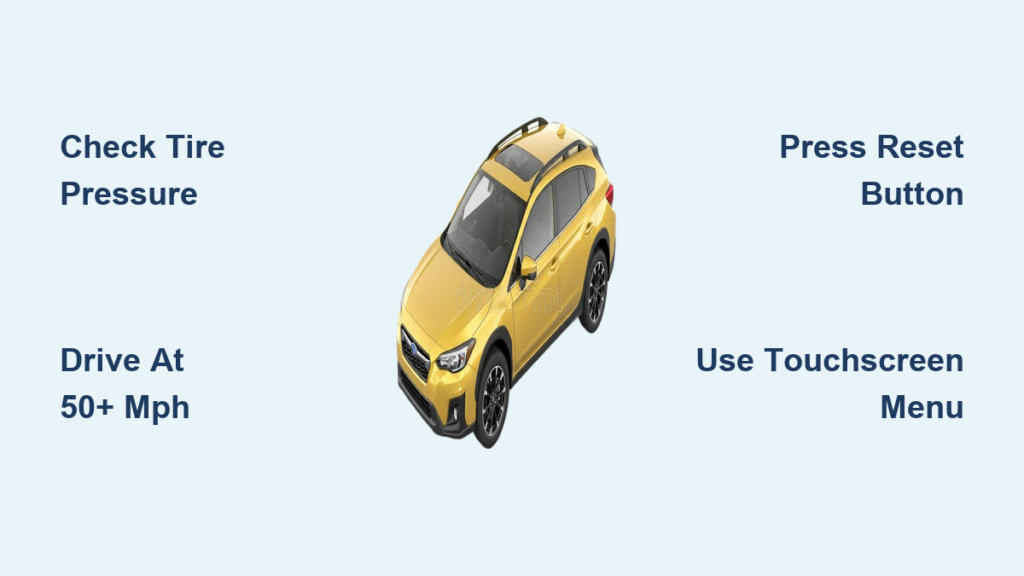
Most Crosstrek models reset automatically after driving with properly inflated tires—no button pressing required. After confirming correct pressure, drive your vehicle at 50+ mph for 10 minutes to allow the system to recognize proper pressure readings. During this drive, vary your speed between 35-65 mph to help the system calibrate across different driving conditions.
The TPMS light should extinguish within 1-2 driving cycles (a cycle being starting the car, driving, and turning it off). If the light remains on after 10 miles of normal driving, the system likely requires manual intervention. This method works best after minor pressure adjustments but often fails after seasonal tire changes or sensor replacements.
When Extended Driving Cycles Are Necessary
For stubborn warning lights after winter tire swaps or extended storage periods, complete 3 full driving cycles (start, drive 5+ miles, stop engine). Drive at varying speeds during each cycle, including highway speeds above 45 mph. The system needs this extended period to recognize all four sensors’ signals and establish baseline pressure readings. Many owners report success after driving 15-20 miles total with properly inflated tires.
Press the Manual TPMS Reset Button Under Dash

Locate your Crosstrek’s reset button beneath the steering column on the driver’s side—typically near the hood release or emergency brake. Start the engine (without driving) and press/hold this button until the TPMS light blinks rapidly (about 3-10 seconds). Release the button when the light turns off, then drive 1 mile at 25+ mph to complete the reset.
This button reset works on most 2012-2019 Crosstrek models but may not exist on newer trims with infotainment-based systems. If holding the button produces no response after 30 seconds, your model likely uses the touchscreen method instead.
Troubleshoot Unresponsive Reset Buttons
If the button doesn’t work despite proper pressure:
– Clean the button area (dirt can prevent activation)
– Try holding with engine both on and off
– Ensure all tires are within 3 PSI of recommended pressure
– Check fuse #18 (10A) in the cabin fuse box if completely unresponsive
Reset TPMS Through Infotainment Touchscreen
Newer Crosstrek models (2020+) require using the STARLINK system for resets. With the engine running, navigate: Menu > Vehicle Settings > Tire Pressure > Reset. Confirm the reset on-screen, then drive 2+ miles at varying speeds. The system will verify all sensors during this drive.
Some models require additional steps—after selecting reset, drive 1 mile, then stop and restart the vehicle before completing the reset process through the menu. Consult your owner’s manual for model-specific touchscreen reset procedures, as Subaru has modified this process across recent model years.
Common Infotainment Reset Mistakes to Avoid
Many owners fail at this method by:
– Skipping the required post-reset drive cycle
– Not confirming all four tires show pressure readings
– Attempting reset with any tire more than 5 PSI below spec
– Ignoring system prompts to verify sensor positions
Handle Winter Tire Changes Without Triggering TPMS
When switching to winter tires on rims without TPMS sensors, expect the warning light to stay illuminated—it’s normal. Your Crosstrek can’t monitor pressure in tires without sensors. To prevent frustration:
- For sensor-equipped winter tires: Drive 10-20 miles after installation to allow automatic recognition
- For sensor-less winter rims: Budget $15-25 for professional sensor relearn when reinstalling summer tires
- Persistent summer tire lights: Common on 2012-2017 models after winter swaps—requires dealer relearn
After reinstalling your original tires, complete the standard driving reset procedure. If the light remains on after 50+ miles, visit a tire shop for sensor relearn—don’t ignore it as this indicates unrecognized sensors.
Diagnose Why Your TPMS Light Won’t Reset
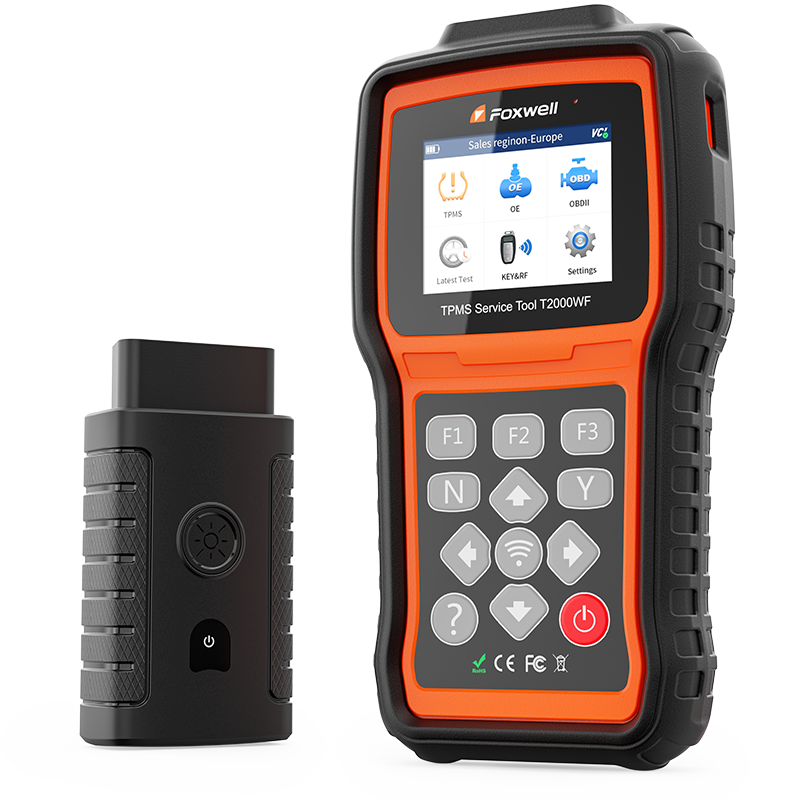
When proper inflation and multiple reset attempts fail, the issue likely involves sensor problems rather than pressure. A flashing TPMS light almost always indicates sensor failure—typically battery depletion (sensors last 5-10 years). Check these common culprits:
- Dead sensor batteries: Most frequent cause in vehicles over 7 years old
- Damaged sensors: From tire rotations or road impacts
- Aftermarket sensor incompatibility: Cheap replacements often fail prematurely
- Body control module errors: Rare but requires dealership diagnosis
Visit a tire shop for $10-25 sensor scan—they’ll identify which specific sensor has failed using professional equipment. Many shops offer free diagnostics with tire service.
When to Replace TPMS Sensors Instead of Resetting
Don’t waste time resetting if you have these symptoms:
– Warning light returns within 24 hours of successful reset
– One tire consistently shows “N/A” pressure reading
– Multiple sensors fail within short timeframe (battery depletion)
– Physical damage visible on valve stem sensors
Original equipment sensors (Schrader brand) cost $50-100 each but last significantly longer than budget alternatives. Replace all sensors at once if they’re 8+ years old—staggered replacements lead to repeated service visits as remaining sensors fail.
Extend TPMS Sensor Lifespan With These Practices
Protect your sensors to avoid costly replacements:
– Inform tire technicians about TPMS sensors before service
– Check pressure monthly to prevent extreme underinflation
– Replace valve cores during tire rotations (they leak air slowly)
– Use rubber valve stems instead of metal (reduces corrosion)
After any tire service, verify the TPMS light extinguishes within 10 miles of driving. Persistent lights after service often indicate accidental sensor damage during mounting/dismounting.
Resetting tire pressure on your Subaru Crosstrek typically requires just three steps: verify correct PSI on all tires, drive 10 minutes at highway speeds, and if needed, press the reset button for 10 seconds. When the light persists despite proper pressure, professional sensor diagnosis becomes necessary—don’t ignore it as faulty TPMS leaves you unaware of genuine tire emergencies. Regular pressure checks and understanding your specific model’s reset process keeps your Crosstrek’s safety system functioning properly year-round.