You’re driving down the highway when you suddenly hear that dreaded thumping sound—your tire has gone flat. Your heart sinks as you pull over, but then you remember your Hyundai Santa Fe has a spare tire underneath. Unfortunately, if you’ve never accessed it before, you might be staring at the underside of your vehicle wondering exactly how to remove spare tire Hyundai Santa Fe models store beneath the cargo area. Unlike some vehicles with trunk-mounted spares, the Santa Fe tucks its emergency tire underneath the vehicle to preserve cargo space, requiring a specific sequence to safely access it. This guide walks you through every critical step to remove, inspect, and properly reinstall your spare tire without damaging the mechanism or compromising your safety.
Knowing how to remove spare tire Hyundai Santa Fe owners rely on can transform a stressful roadside emergency into a manageable situation. Most drivers never think about their spare tire until they need it, only to discover the mechanism has seized up from lack of use or they can’t find the proper tools. By learning this procedure now—while you’re parked safely in your driveway—you’ll avoid frustration when time matters most. Whether you’re preparing for a long road trip or simply maintaining your vehicle’s emergency readiness, understanding this process ensures you’re never stranded with an inaccessible spare.
Essential Tools for Spare Tire Removal on Your Hyundai Santa Fe
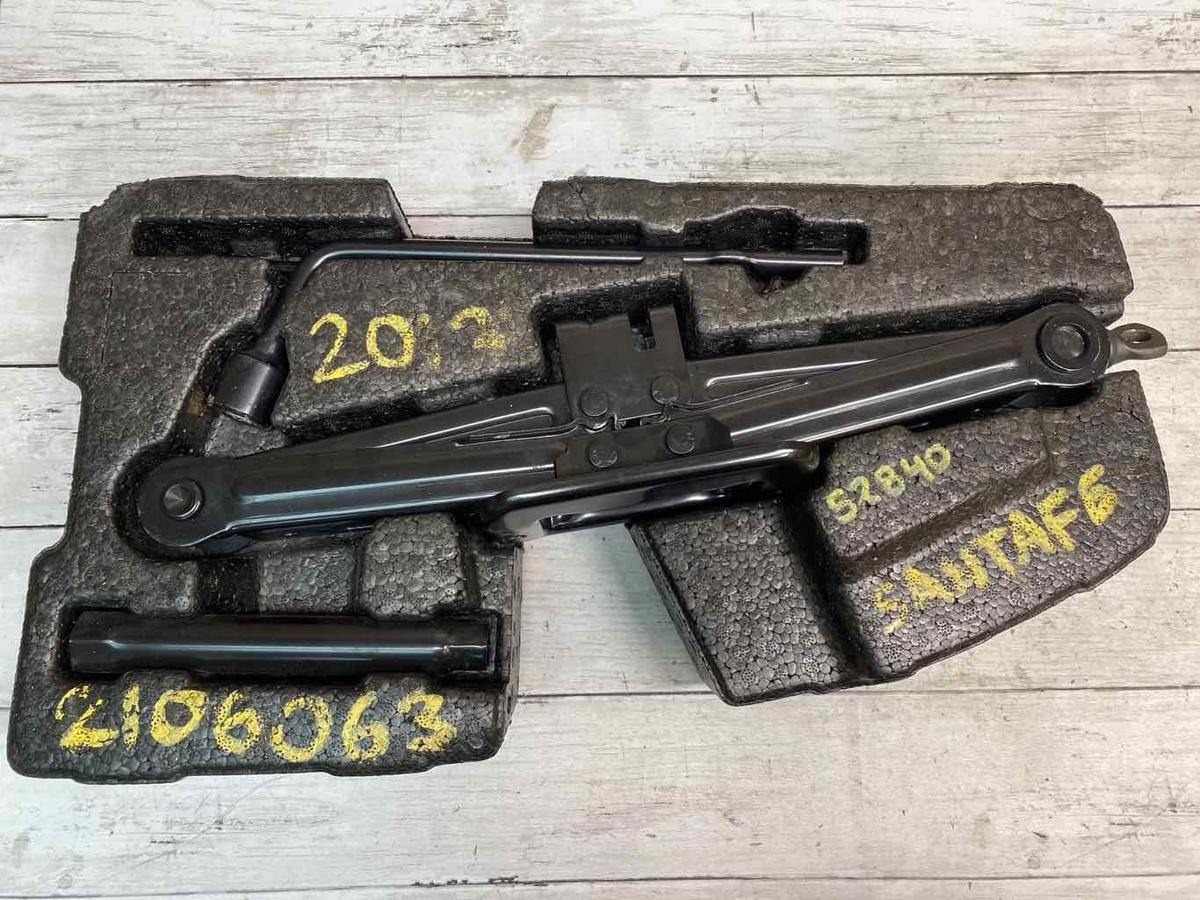
Before crawling under your vehicle, gather the two critical tools required for spare tire removal. The primary tool is your Hyundai Santa Fe’s wheel lug nut wrench—typically stored with your emergency kit in the cargo area. This versatile tool serves dual purposes: it loosens your wheel lug nuts during tire changes and operates the spare tire lowering mechanism. The hexagonal end of this wrench specifically engages with the spare tire carrier system, so ensure it’s in your vehicle at all times.
You’ll also need a simple household item: a coin or flat-blade screwdriver. This small tool removes the protective hex bolt cover that shields the spare tire mechanism from road debris. A standard quarter usually works perfectly, though a small flat-head screwdriver provides more leverage if the cover has become tight from exposure to elements. Never substitute sharp objects that could damage the plastic cover, as you’ll need to reinstall it properly to maintain the mechanism’s protection against dirt and moisture.
Locating Your Vehicle’s Hidden Hex Bolt Cover
The hex bolt cover sits on the underside of your Hyundai Santa Fe, positioned directly beneath the rear cargo floor. This small black or gray plastic cover blends with the vehicle’s undercarriage, making it easy to miss if you’re unfamiliar with its location. To find it, stand behind your vehicle with the liftgate open and look upward toward the floor of the cargo area—you’ll spot the cover approximately centered beneath where your spare tire would sit if mounted inside the vehicle.
Before attempting removal, inspect the cover for cracks or brittleness caused by exposure to road salt, extreme temperatures, and age. Damaged covers fail to protect the mechanism from contaminants that can cause corrosion and seizing. If your cover shows significant wear, consider replacing it before your next road trip—most Hyundai dealerships stock this inexpensive part. A properly functioning cover snaps securely into place and resists accidental dislodging from road vibrations.
Removing the Cover and Accessing the Spare Tire Mechanism
With your coin or screwdriver ready, insert the edge into the small gap along the cover’s perimeter and apply gentle outward pressure to release the retaining clips. Work your way around the cover if necessary, as some models have multiple attachment points. Set the cover aside in a secure location—many drivers temporarily wedge it in the liftgate opening to prevent loss. Take a moment to clear any accumulated dirt or debris around the exposed hex bolt, as foreign material can interfere with wrench engagement and cause damage.
The exposed hex bolt connects directly to your spare tire’s cable winch mechanism. This precision-engineered component raises and lowers your spare tire through a controlled cable system. Before inserting your wrench, verify that no obstructions block the mechanism’s operation—look for debris, ice, or corrosion that might impede movement. Proper wrench alignment is critical; ensure the hexagonal end seats fully into the bolt before applying force to prevent rounding the connection points.
Lowering Your Hyundai Santa Fe’s Spare Tire Safely
Insert the hexagonal end of your wheel lug nut wrench firmly onto the exposed bolt, confirming full engagement by gently testing the connection. Turn the wrench counterclockwise to begin lowering the spare tire—this direction releases cable tension gradually. Maintain steady, moderate pressure as you turn; the mechanism should operate smoothly without excessive resistance. Continue turning until you feel the spare tire make contact with the ground, which typically requires about 15-20 full rotations depending on your vehicle’s suspension height.
As the tire descends, position yourself to the side rather than directly beneath it—this precaution protects you in the unlikely event of mechanism failure. Listen for unusual grinding or clicking sounds that might indicate internal damage. If the mechanism binds or requires extraordinary force, stop immediately and inspect for obstructions before proceeding. Never use extensions on your wrench to increase leverage, as this can damage the delicate internal components of the spare tire carrier system.
Completing the Spare Tire Removal Process

Once the spare tire touches the ground, continue turning the wrench counterclockwise through approximately two additional full rotations. This crucial step disengages the carrier mechanism from the tire, allowing you to fully extract the spare. As you turn, guide the tire with your free hand to ensure it clears the vehicle’s undercarriage without catching on any components. Most Santa Fe models require this extra rotation to completely release the tire from its mounting position.
With the tire free, roll it away from the vehicle to a safe working area. Take this opportunity to thoroughly inspect your spare: check inflation pressure with a reliable gauge (most Hyundai spare tires require 60 PSI), examine tread depth and condition for dry rot or damage, and verify the valve stem integrity. A spare tire that’s been neglected for years may appear serviceable but could fail under load—don’t wait for an emergency to discover your spare is unusable.
Properly Reinstalling Your Hyundai Santa Fe’s Spare Tire
When returning your spare to storage, position it on the ground with the valve stem facing upward—this orientation simplifies future pressure checks and ensures proper alignment with the carrier mechanism. Slide the wheel portion of the carrier assembly beneath the vehicle, then thread the retainer guide and chain through the tire’s center hole. The retainer guide features a distinctive shape designed to center the tire within the carrier assembly.
Insert your wrench onto the hex bolt and turn clockwise to raise the assembly. Continue turning steadily until you hear a distinct clicking sound—this auditory feedback confirms the internal locking mechanism has engaged. Never judge completion by visual inspection alone; the clicking sound verifies proper mechanical engagement. After securing the tire, gently tug upward on the spare to confirm it’s firmly anchored before driving.
Critical Safety Warnings Every Santa Fe Owner Must Know
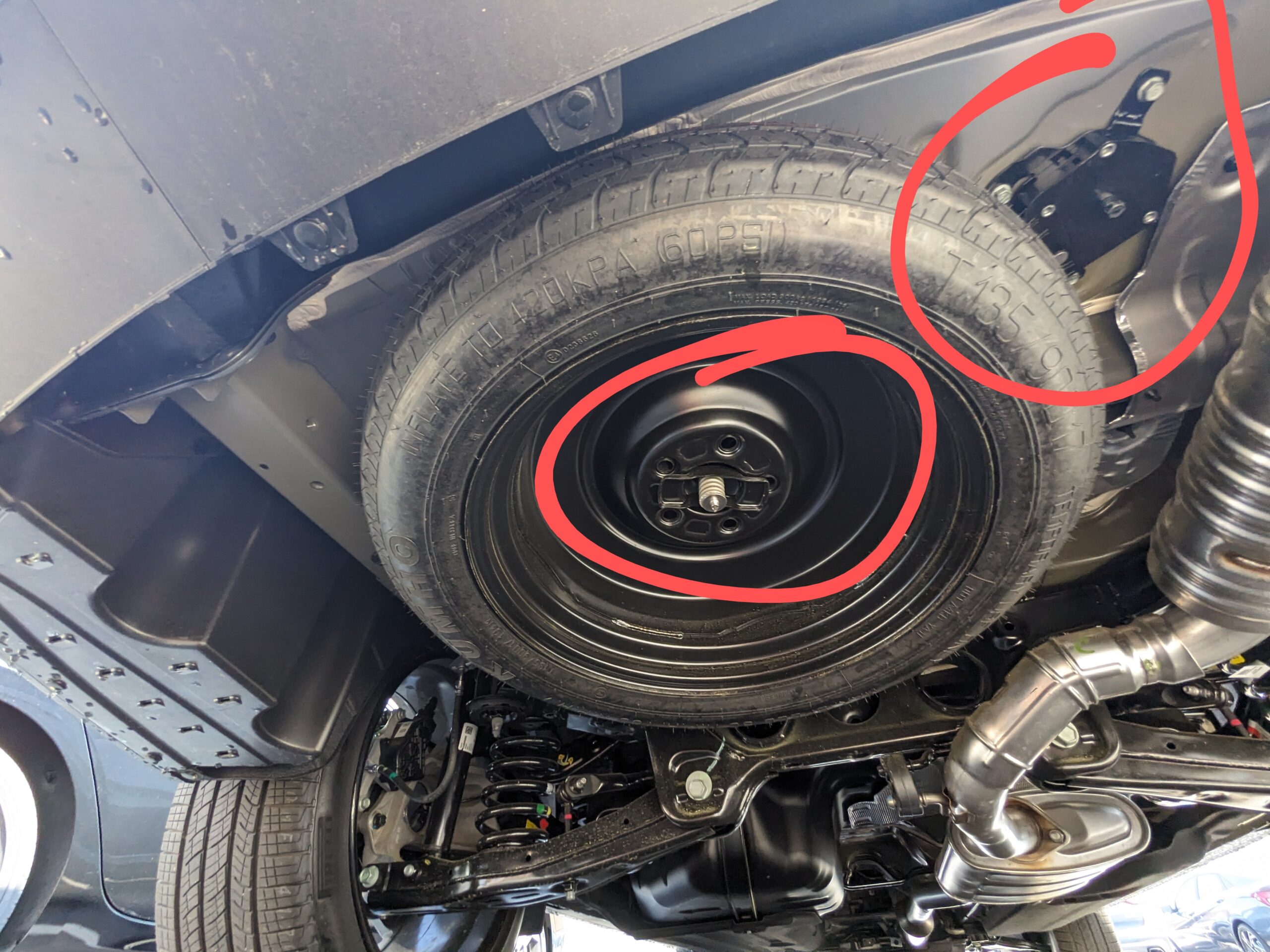
Never drive with a misaligned spare tire retainer guide—this seemingly minor issue creates dangerous consequences. An improperly positioned guide causes the spare to rattle during driving, signaling an insecure mounting condition that could lead to complete detachment at highway speeds. A falling spare tire creates a massive road hazard capable of causing catastrophic accidents for following vehicles. Always verify the retainer guide aligns precisely with the tire’s center before driving.
Excessive force destroys the spare tire mechanism. If you encounter unusual resistance during operation, stop immediately and inspect for obstructions rather than forcing the wrench. The cable winch system operates smoothly with moderate effort—if it requires significant force, something has gone wrong. Damaging this mechanism typically requires expensive professional repair, leaving you without a functional spare until fixed. When in doubt, consult a Hyundai technician rather than risk compromising your safety system.
Essential Maintenance Practices for Your Spare Tire System
Inspect your spare tire and carrier mechanism at least twice yearly, preferably before seasonal road trip seasons. Check tire pressure with an accurate gauge (never rely on visual inspection), examine tread depth, and look for cracks or dry rot in the rubber. Most Hyundai spare tires have a 10-year service life regardless of apparent condition—check the manufacture date stamped on the sidewall.
Exercise the carrier mechanism every six months by lowering and raising the spare tire completely. This practice prevents cable corrosion, maintains lubrication in the winch mechanism, and verifies proper operation before you need it in an emergency. During these checks, examine the cable for fraying, rust, or kinks that could compromise its strength. A well-maintained spare tire system provides peace of mind that often proves invaluable when you least expect it.
When storing your spare, always reinstall the hex bolt cover to protect the mechanism from water, dirt, and road salt. A damaged or missing cover accelerates corrosion in the lowering mechanism, potentially rendering your spare inaccessible when needed most. Keep your wheel lug nut wrench clean and dry in its storage location—rusted or damaged tools create unnecessary complications during roadside emergencies.
Final Note: This comprehensive guide ensures you can confidently access and reinstall your Hyundai Santa Fe’s spare tire whenever needed. By practicing this procedure now and maintaining your spare system regularly, you’ll transform what could be a stressful roadside emergency into a manageable situation. Remember that proper spare tire maintenance isn’t just about convenience—it’s a critical safety measure that protects you and other drivers on the road.