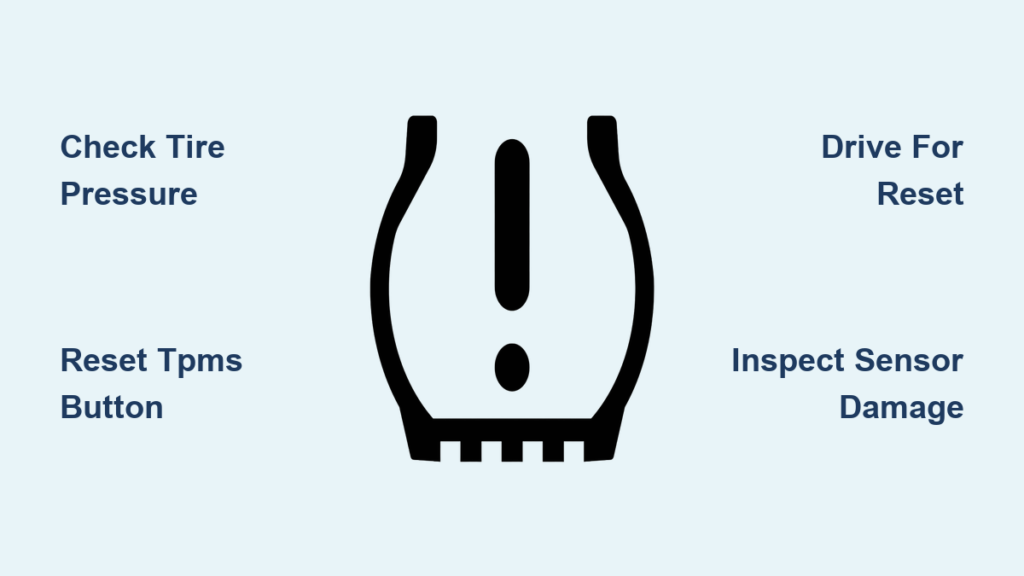
That familiar dashboard symbol—a flat-tipped exclamation point inside a U-shaped bracket—sends a jolt of concern through every driver who sees it illuminated. Your tire pressure light serves as a critical safety sentinel, warning you when tire inflation falls outside manufacturer specifications. While this system protects you from potential hazards, knowing how to turn off tire pressure light indicators becomes essential when you’ve addressed the underlying issue or when seasonal temperature changes trigger false alarms.
The Tire Pressure Monitoring System (TPMS) became mandatory under the TREAD Act of 2000 for vehicles under 10,000 pounds, with standard implementation on most new cars since 2005. Understanding how this system operates and the proper reset procedures ensures you can maintain both vehicle safety and peace of mind. This guide walks you through every scenario from simple resets to troubleshooting persistent warning lights, so you’ll know exactly how to turn off tire pressure light warnings when appropriate.
Decode Your Tire Pressure Light Warning System
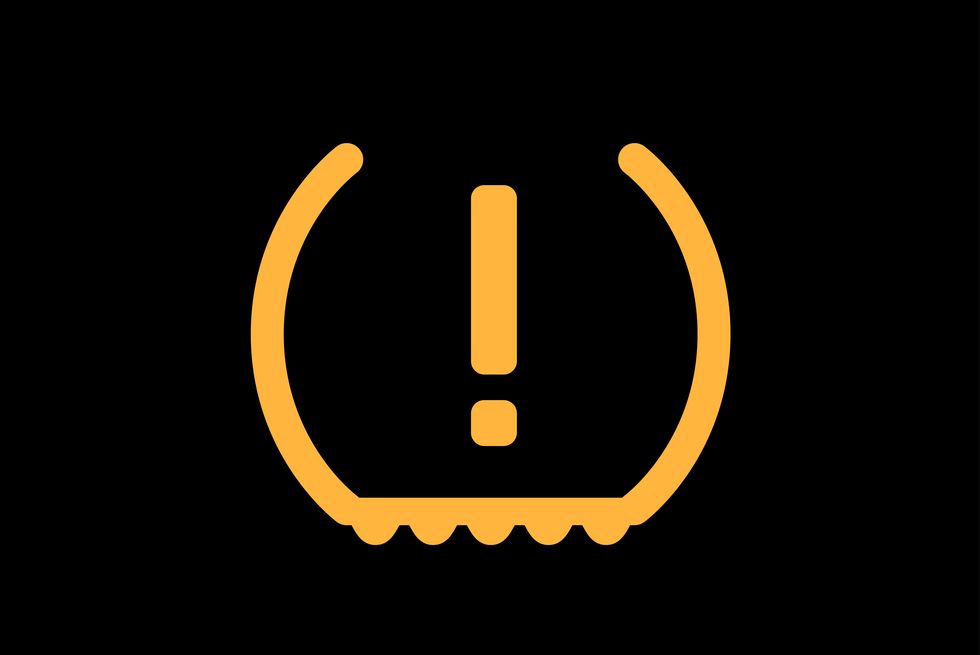
The tire pressure light appearing on your dashboard communicates specific information about your vehicle’s tire monitoring system. Interpreting this warning correctly determines whether you need to add air, schedule service, or simply perform a system reset.
The standard tire pressure warning icon illuminates when tire pressure drops approximately 25% below the manufacturer’s recommended specifications. A brief illumination during vehicle startup indicates the system is performing its diagnostic check and functioning properly. Distinguishing between the tire pressure light and a separate TPMS system light matters for proper diagnosis. Some vehicles display a TPMS-specific indicator when the monitoring system itself malfunctions rather than when actual pressure problems exist. A flashing or blinking TPMS light typically signals sensor battery failure, sensor damage, or control module faults requiring professional diagnostic testing.
Direct vs. Indirect TPMS Systems: Which Do You Have?
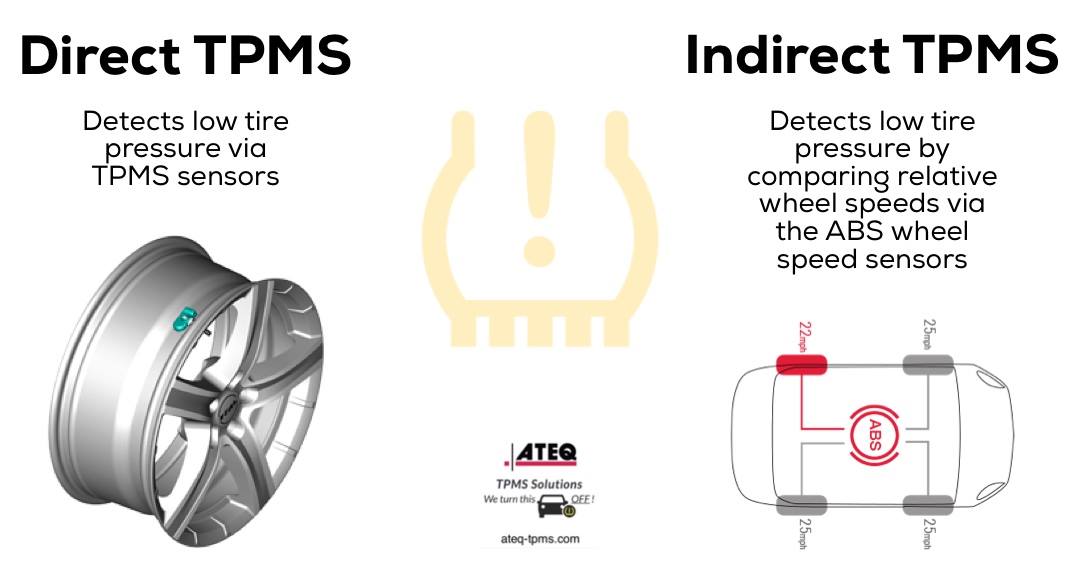
Your vehicle likely uses one of two TPMS types, each requiring different reset procedures. Direct TPMS uses pressure monitoring sensors mounted inside each tire to measure exact pressure readings. These battery-operated sensors transmit data to your vehicle’s computer and typically last about 10 years before battery replacement becomes necessary.
Indirect TPMS operates differently by measuring wheel rotation speed through existing anti-lock braking system components. When a wheel spins faster than expected (indicating low pressure), the system triggers the warning light. Unlike direct systems, indirect TPMS must be manually reset after addressing tire pressure issues. Understanding your specific system type—check your owner’s manual if unsure—determines the correct method for how to turn off tire pressure light warnings.
Why Your Tire Pressure Light Illuminates Unexpectedly
Understanding the conditions triggering your illuminated tire pressure light helps you address the root cause effectively and determine whether professional intervention is necessary.
Temperature Fluctuations Trigger Most False Alarms
Temperature changes represent the most common cause of unexpected warning light activation. For every 10 degrees Fahrenheit that ambient temperature drops, tire pressure decreases by approximately one to two PSI. This natural phenomenon occurs because cold air contracts while warm air expands. A tire properly inflated at 35 PSI during 70°F weather may drop to 27 PSI on a 30°F morning, triggering the TPMS sensor.
Seasonal temperature changes routinely activate TPMS warnings throughout winter and summer months. Cold morning illuminations often resolve themselves after approximately 20 minutes of driving, as tire friction and ambient conditions warm the internal air to restore proper pressure. However, if the light remains on after this warming period, actual air addition becomes necessary regardless of outdoor temperatures.
Actual Low Pressure and System Malfunctions
Actual low tire pressure from slow leaks, puncture damage, or normal pressure loss over time also triggers illumination. Your tires naturally lose one to two PSI monthly through normal permeation, making regular pressure checks essential maintenance. Additionally, damaged valve stems, corroded wheel assemblies, or impact damage from road hazards can create slow leaks that gradually reduce tire pressure.
System malfunctions trigger the warning light even when all tires appear properly inflated. Dead sensor batteries, damaged monitoring components, or TPMS control module faults produce this behavior. Since direct TPMS sensors contain internal batteries lasting approximately 10 years, vehicles manufactured before 2015 increasingly experience sensor battery failures. A flashing tire pressure light frequently indicates a sensor battery approaching end-of-life, requiring individual sensor replacement.
Quick Reset Methods That Work After Inflating Tires
After addressing the underlying cause of your illuminated tire pressure light, several methods exist to reset the system and extinguish the warning indicator.
Driving Reset Method for Automatic Systems
The simplest method requires no special tools or technical knowledge. After inflating all tires to manufacturer specifications, drive your vehicle for 10 to 15 minutes at speeds exceeding 20 miles per hour. Most vehicles reset their TPMS automatically during normal driving as the system performs recalculation based on wheel speed data and pressure readings. For optimal results, maintain 50 miles per hour for approximately 10 minutes, providing more consistent wheel rotation data for system self-diagnostics. The light typically extinguishes during the drive cycle or when you next start the vehicle.
Physical Reset Button Procedure
Many vehicles include a dedicated TPMS reset button located beneath the steering column or within the driver’s footwell area. To perform this reset:
- Ensure all tires including the spare reach recommended pressure specifications
- Turn your vehicle’s ignition to the “ON” position without starting the engine
- Press and hold the TPMS reset button until the tire pressure light blinks or turns off (3-5 seconds)
- Release the button, start your vehicle, and verify the warning light has extinguished
Some manufacturers require holding the button through three blinking cycles, so consulting your owner’s manual provides the most accurate procedure for your specific vehicle.
Touchscreen Infotainment System Reset
Contemporary vehicles equipped with touchscreen infotainment systems often include TPMS reset functionality within the vehicle settings menu. Access this feature by navigating to your display’s settings section, selecting tire pressure or TPMS options, and choosing the reset function. Follow the on-screen prompts to complete recalibration, typically confirming successful reset with a notification before returning to normal operation.
Fixing Persistent Tire Pressure Warning Lights

When the tire pressure light remains illuminated despite proper inflation and attempted resets, systematic troubleshooting helps identify the underlying issue.
Verify Pressure Readings Across All Tires
Uneven pressure between tires may trigger the system even if all tires technically meet minimum specifications. Use a quality digital tire pressure gauge for precise readings, as pencil-style gauges often provide less accurate measurements. Check pressure when tires are cold (not driven in last 3 hours) for accuracy. Compare each reading against manufacturer specifications and add air as needed to achieve uniform inflation across all tires.
Inspect for Physical Sensor Damage
Physical damage to TPMS sensors can occur during tire replacement, rotation, or from road hazards. Check for bent or damaged valve stems, corroded sensor hardware, or sensor detachment from the tire interior. After tire work or unusual driving conditions, visually inspect valve stems for damage. Aftermarket wheels without proper TPMS sensor mounting provisions may prevent correct sensor installation, causing system faults that require specific valve stem configurations.
Diagnose System Faults with Professional Help
A flashing tire pressure light typically indicates system faults rather than actual pressure problems. Battery depletion in one or more sensors, sensor communication failures, or TPMS module malfunctions produce this behavior. Professional diagnostic scanning identifies specific fault codes and determines whether sensor replacement, module repair, or other service is required. Since direct TPMS sensors operate on internal batteries designed for approximately 10 years, vehicles manufactured before 2015 increasingly require sensor replacement.
Cold Weather and Temperature Effects on Tire Pressure
Understanding temperature-related pressure changes helps you respond appropriately to cold weather warnings. For every 10-degree Fahrenheit decrease in ambient temperature, tire pressure drops by approximately one to two PSI. This relationship operates bidirectionally—rising temperatures increase tire pressure proportionally.
This temperature sensitivity explains why tire pressure lights frequently illuminate on cold winter mornings despite no obvious cause for pressure loss. The phenomenon occurs naturally as air contracts in colder conditions. After approximately 20 minutes of driving, tire friction and ambient conditions typically warm the air enough to restore proper pressure, causing the light to extinguish without any intervention. However, if the light remains on after this warming period, actual air addition becomes necessary.
Regular tire pressure checks every 30 days help prevent unexpected TPMS illumination due to temperature fluctuations. Checking pressure when tires are cold provides the most accurate readings. Most vehicle manufacturers recommend tire pressures between 30 and 35 PSI, though specifications vary by vehicle and can be found on the driver’s door jamb sticker or in the owner’s manual.
Safety Risks of Ignoring the Tire Pressure Warning
The tire pressure monitoring system provides essential safety information that directly impacts vehicle operation and occupant protection. Ignoring this warning compromises your safety and potentially the safety of others on the road.
Underinflated tires increase tire contact with the road surface, generating additional heat during operation that may lead to tread separation, excessive wear, or catastrophic blowouts at highway speeds. According to National Highway Traffic Safety Administration data, 738 people died in tire-related crashes in 2017 alone. The TPMS warning light provides advance notice of developing problems, allowing drivers to address issues before they become hazardous.
Beyond safety implications, proper tire inflation delivers measurable financial benefits. Maintaining recommended tire pressure can improve fuel efficiency by up to 11 cents per gallon through reduced rolling resistance. Additionally, properly inflated tires last approximately 4,700 miles longer than underinflated equivalents, reducing replacement frequency and total tire costs over vehicle ownership.
Extend Your TPMS Sensor Lifespan Through Proper Maintenance
Proper TPMS maintenance ensures reliable operation throughout your vehicle’s service life and prevents unexpected warning light issues requiring costly repairs.
Direct TPMS sensors operate on internal batteries designed for approximately 10 years of service. Vehicles manufactured before 2015 increasingly require sensor replacement as batteries reach end-of-life. When replacing tires, having TPMS sensors inspected and tested prevents future issues and ensures continued reliable operation.
Complex TPMS issues including sensor programming, system recalibration after tire changes, and diagnostic troubleshooting benefit from professional service department attention. Dealership technicians have access to manufacturer-specific tools and technical information ensuring proper procedures for your vehicle make and model.
Regular attention to your tire pressure monitoring system protects your safety, improves fuel economy, and extends tire lifespan. By understanding how to turn off tire pressure light indicators and when professional service is required, you maintain both vehicle reliability and peace of mind throughout your ownership experience.