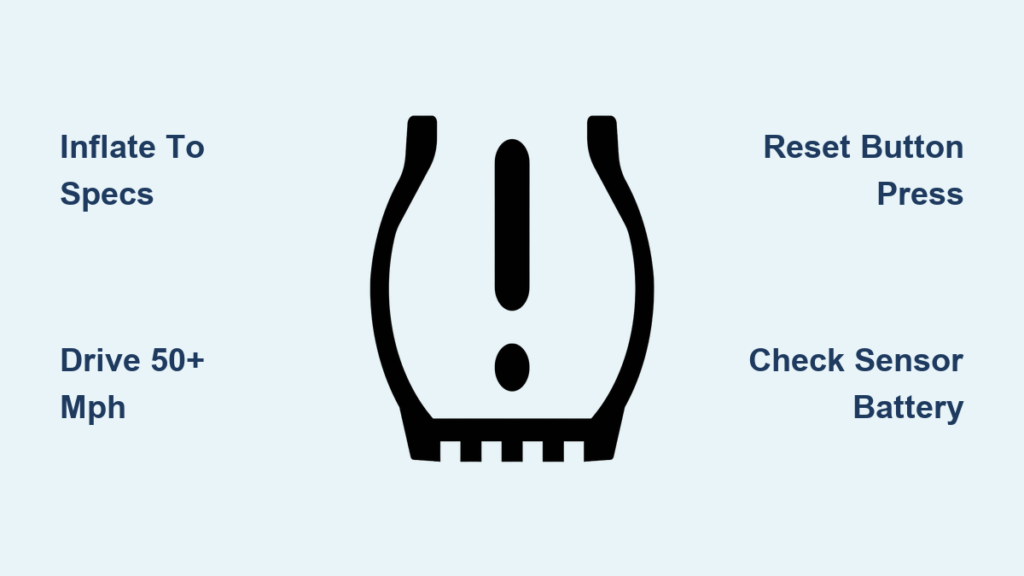
That persistent orange light glowing on your dashboard isn’t just an annoyance—it’s a critical safety warning from your vehicle’s Tire Pressure Monitoring System, or TPMS. When your tire pressure light stays illuminated, it signals that at least one of your tires isn’t holding the proper amount of air, which can affect your vehicle’s handling, braking performance, and fuel efficiency. Learning how to clear tire pressure light properly ensures you maintain optimal safety on the road while avoiding unnecessary trips to the mechanic.
The good news is that most tire pressure light issues can be resolved without professional assistance. In many cases, the light remains on simply because your tires need air or because the system needs time to recalibrate after you’ve addressed the underlying pressure problem. Understanding the difference between a straightforward pressure adjustment and a more serious sensor malfunction will save you time, money, and frustration. This guide walks you through every scenario you might encounter, from basic inflation procedures to diagnosing system faults that require expert attention.
Why Your Tire Pressure Light Won’t Turn Off After Inflation
When your TPMS light stays illuminated after filling your tires, don’t panic—you’re likely dealing with one of several common scenarios. The tire pressure monitoring system activates when it detects pressure approximately 25% below the manufacturer’s recommended level. This threshold exists because significantly underinflated tires generate dangerous heat buildup during operation, which can lead to tire degradation, blowouts, or loss of vehicle control. When your TPMS light stays on after you’ve added air to your tires, several factors could be at play.
Temperature fluctuations naturally affect tire pressure, with cold weather causing pressure to drop and warm weather causing it to rise. A light that appears in the morning after an overnight cold snap may turn off automatically once the tires warm up during driving. Similarly, if you’ve recently driven on a long highway trip at high speeds, the heat generated can temporarily increase pressure enough to affect sensor readings. For every 10-degree Fahrenheit temperature change, tire pressure changes by approximately 1 PSI—enough to trigger the warning light in marginal situations.
A slow leak represents another common reason the light persists despite your inflation efforts. If a tire loses pressure over the course of a day or two after you’ve filled it, the TPMS will continue detecting the low condition and keeping the warning light active. Identifying and repairing the source of a slow leak—whether from a punctured tire, a failing valve stem, or a corroded wheel rim—becomes necessary in these situations. Additionally, if one tire was significantly underinflated while others remained at proper pressure, the system may require more extensive driving before it recognizes that all tires now meet specifications.
Properly Inflate Tires to Manufacturer’s Specifications

Before attempting any reset procedures, you must ensure all four tires are inflated to the manufacturer-specified pressure level. This specification is not the maximum pressure printed on the tire sidewall—it’s the exact pressure recommended by your vehicle’s manufacturer for optimal performance and safety. Finding this number requires checking your owner’s manual, looking for a sticker on the driver’s side door jamb, or examining the glove compartment for the original manufacturer documentation.
When inflating your tires, use a reliable pressure gauge rather than attempting to estimate pressure by sight or kick. Gas station air pumps typically have gauges, but carrying a personal digital gauge in your vehicle ensures consistent accuracy. Fill each tire to the specified PSI while the tires are cold, meaning the vehicle hasn’t been driven for at least three hours. Adding air to warm tires requires adjusting for the approximately 3-5 PSI increase that occurs as tires heat up during driving, though most manufacturers recommend measuring when tires are cold for consistency.
After inflating all tires to the correct pressure, don’t expect the tire pressure light to turn off immediately. The TPMS sensors need time to transmit updated pressure data to your vehicle’s computer system, and the system requires confirmation that pressures have stabilized before resetting. Start your vehicle and observe the dashboard—if the light remains on, proceed to the driving procedure outlined below. If the light turns off immediately, your system has successfully recognized the corrected pressures.
Driving Procedure to Reset Tire Pressure Light
When the tire pressure light stays illuminated after proper inflation, a specific driving procedure typically triggers the system to reset. This method leverages the TPMS sensor cycle and the vehicle computer’s data processing requirements to recalibrate the system and turn off the warning indicator.
Drive at speeds of 50 mph or higher for a minimum of 10 continuous minutes. During this high-speed driving period, the centrifugal forces generated by wheel rotation help activate the sensors more thoroughly, and the extended duration ensures the system processes multiple complete data cycles from all four tires. The vehicle’s computer needs this sustained driving period to confirm that tire pressures have stabilized at proper levels across all tires before it will reset the warning light.
If your vehicle has a TPMS reset button located somewhere in the cabin—typically beneath the steering wheel, in the glove compartment, or integrated into the infotainment system—you may need to press and hold this button after completing your driving. However, modern vehicles increasingly rely on automatic reset procedures that don’t require button activation. After your 10-minute high-speed drive, park your vehicle and turn off the ignition. Wait several minutes, then restart and check whether the warning light has turned off. If it remains active, the issue may involve a sensor malfunction rather than a simple pressure adjustment.
Manual Reset Methods by Vehicle Brand
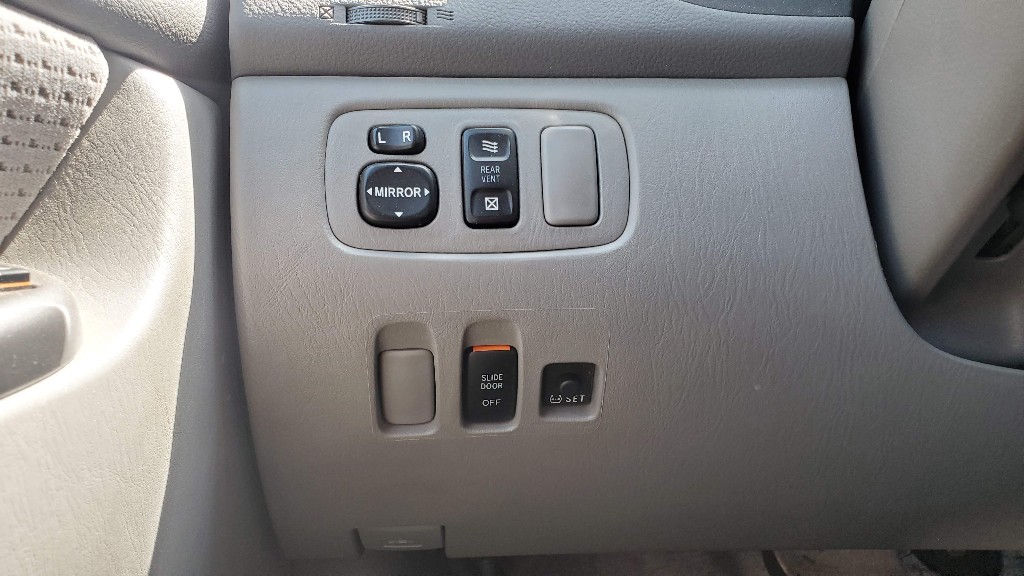
Different vehicle manufacturers require different approaches to manual TPMS resets, and knowing your specific procedure saves frustration when the automatic reset doesn’t work. While general driving procedures work across most vehicles, some manufacturers require specific button sequences or menu selections to force a system reset.
For vehicles equipped with a dedicated TPMS reset button, the procedure typically involves turning the ignition to the “on” position without starting the engine, then pressing and holding the reset button until the TPMS light flashes or the dashboard displays a confirmation message. Some vehicles require you to press the button three times in quick succession, while others need a sustained hold of 3-5 seconds. Consult your owner’s manual for the exact procedure, as incorrect button sequences may enter diagnostic modes rather than initiating resets.
Infotainment screen reset procedures have become common in newer vehicles. Access the vehicle settings menu through your touchscreen, navigate to the tire pressure or TPMS section, and look for a “reset” or “relearn” option. Selecting this option typically prompts you to drive the vehicle to complete the relearn process, though some systems allow immediate reset after confirming tire pressures. Certain luxury brands require dealership-level diagnostic equipment for TPMS resets, particularly if the system has detected a fault condition rather than simply low pressure.
What a Flashing Tire Pressure Light Really Means
A flashing or blinking tire pressure light indicates a significantly different problem than a steadily illuminated light, and understanding this distinction prevents misdiagnosis. While a steady light simply warns of low tire pressure, a flashing light signals a malfunction within the TPMS itself that prevents proper monitoring of your tire pressures.
When the TPMS light flashes for approximately 60-90 seconds before switching to a steady illumination, this pattern indicates that the system has detected a fault and cannot reliably monitor tire pressures. The flashing phase serves as an alert that the system is not functioning correctly, while the subsequent steady light reminds you that tire pressure monitoring is compromised. This pattern repeats with each vehicle start until the underlying fault is resolved.
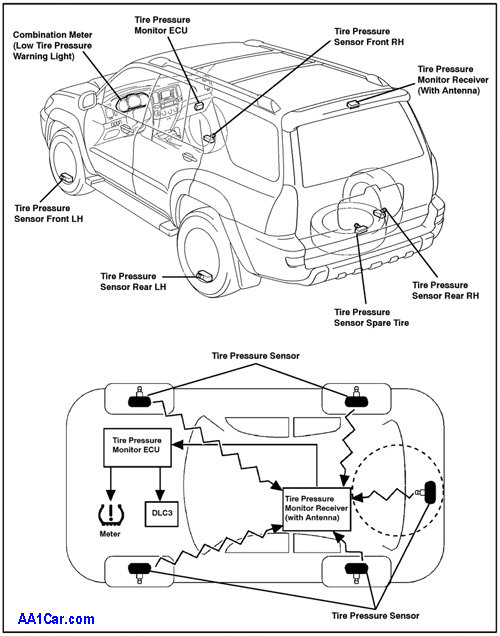
The most common cause of a flashing TPMS light is a failing or depleted battery within one of the tire pressure sensors. Each sensor contains a small internal battery designed to last 5-10 years under normal conditions, and as these batteries approach end-of-life, they produce intermittent signals or fail to transmit data altogether. When the TPMS receiver cannot maintain consistent communication with all sensors, it triggers the fault pattern and flashing light. Other potential causes include damaged sensors from road debris or tire changes, corroded sensor components due to moisture intrusion, or issues with the TPMS receiver module itself.
When to Get Professional TPMS Diagnostics
When your tire pressure light continues flashing despite tire pressure verification and basic troubleshooting, professional diagnostic equipment becomes necessary to identify the specific system fault. Auto parts stores and many mechanics offer free TPMS diagnostic scans that identify which sensor is malfunctioning or whether the issue lies with the receiver module.
Professional diagnostics involve connecting specialized scan tools to your vehicle’s OBD-II port to read TPMS-related fault codes stored in the vehicle’s computer. These codes indicate whether the problem stems from a specific sensor battery failure, sensor damage, communication errors, or receiver module issues. Armed with this information, you can make informed decisions about repair options and costs rather than guessing at the cause.
Certain vehicle manufacturers use proprietary TPMS systems that require dealer-level diagnostic equipment for reprogramming or reset procedures. If your vehicle falls into this category and basic reset procedures haven’t resolved the issue, a dealership visit may be necessary. Some independent mechanics also invest in manufacturer-specific scan tools, so obtaining quotes from multiple service providers can help you find affordable options.
Prevent TPMS Warnings With Simple Maintenance
Regular tire maintenance prevents most tire pressure light issues before they occur, saving you the inconvenience of unexpected dashboard warnings. Check tire pressure monthly using an accurate gauge, including verification of the spare tire if your vehicle monitors spare pressure. Temperature changes of just 10°F can shift tire pressure by approximately 1 PSI, making regular checks essential for maintaining consistent readings.
Inspect your tires regularly for visible damage, nails, or debris that could cause slow leaks. Also examine the valve stems—the small metal caps where you add air—for cracks, corrosion, or damage that could allow air to escape. Valve stem failures account for a surprising number of intermittent tire pressure warnings, and replacing a faulty stem costs significantly less than investigating recurring TPMS alerts.
Address any tire pressure warning immediately rather than allowing it to persist. A steady TPMS light means at least one tire is significantly underinflated, which creates unsafe driving conditions while simultaneously reducing your fuel efficiency. By responding promptly to warnings and maintaining consistent tire pressures, you extend tire life, improve vehicle safety, and prevent the frustration of persistent dashboard alerts.
Understanding how to clear tire pressure light empowers you to maintain your vehicle’s safety systems effectively while avoiding unnecessary service visits. Most situations resolve through proper inflation and a brief high-speed drive, while flashing lights indicate sensor issues requiring professional diagnosis. Regular attention to tire pressure keeps your TPMS functioning correctly and ensures optimal safety whenever you drive. Take control of your vehicle maintenance and drive with confidence knowing you’ve properly addressed any tire pressure warnings that appear.