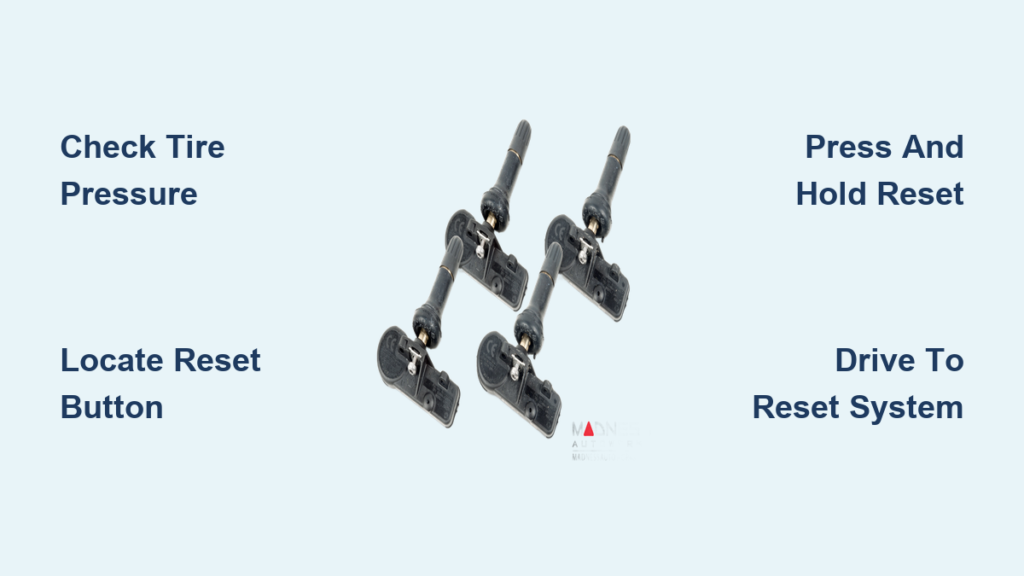
That persistent tire pressure warning light on your Fiat 500 dashboard can transform a smooth drive into an anxiety-filled experience. Whether it appeared after filling your tires, during a temperature swing, or seemingly out of nowhere, knowing exactly how to reset your tire pressure monitoring system (TPMS) light saves you from unnecessary service visits. Most Fiat 500 models let you reset the warning light in under five minutes using either the dedicated reset button or through your vehicle’s infotainment system. This guide delivers precise, model-specific instructions for eliminating that annoying TPMS warning light, including troubleshooting steps when standard methods fail and prevention strategies to avoid future occurrences.
Confirm Correct Tire Pressure Before Resetting
Check Cold Tire Pressure Against Manufacturer Specifications
Your Fiat 500’s TPMS light won’t stay off if your tires aren’t properly inflated, regardless of how many times you attempt a reset. Locate the tire pressure specifications on the driver’s side door jamb sticker—most Fiat 500 models require 33-35 PSI for all four tires, though newer models may specify 35 PSI consistently. Always check pressure when tires are cold (after the vehicle has been parked for at least three hours or driven less than one mile) for accurate readings. Using a reliable digital pressure gauge, measure each tire individually, noting any that fall below the recommended range.
Inflate Tires to Proper Specifications
If any tire reads below the manufacturer’s recommendation, visit a gas station air pump or use a home compressor to add air until reaching the correct PSI. Many drivers make the critical mistake of inflating tires to the “max pressure” listed on the tire sidewall instead of the vehicle-specific recommendation—this leads to harsher ride quality and uneven tire wear. After inflating all tires, recheck each one to ensure accuracy, as overfilling is just as problematic as underinflating. Wait 10 minutes after inflation before attempting a reset, allowing the air to stabilize within the tire.
Locate Your Fiat 500’s TPMS Reset Button

Identify Common Reset Button Positions by Model Year
The TPMS reset button location varies slightly depending on your Fiat 500’s model year but generally appears in one of two places. For 2012-2019 models, you’ll find it under the steering wheel on the left side, nestled in the fuse panel area near the driver’s kick panel. Newer 2020+ models sometimes integrate the button into the driver’s side dashboard itself. The button is typically small (about the size of a pencil eraser) and may feature a tire symbol or “TPMS” labeling, though some models simply use a plain reset button.
Troubleshoot Hard-to-Find Reset Buttons
If you’re struggling to locate the reset button in these standard positions, try these visual cues: look for a small indentation or slightly different colored plastic among the surrounding paneling. The button often sits behind a removable plastic cover that requires gentle prying with a flathead screwdriver. Some Fiat 500 owners report the button being partially hidden by the steering column shroud, requiring you to crouch down and look upward at a 45-degree angle to spot it. Keep a flashlight handy during your search, as the dimly lit area under the dash can make the small button difficult to see.
Execute the Steering Wheel Button Reset Method
Proper Ignition Position and Button Timing
Turn your ignition to the “ON” position without starting the engine—this activates all electrical systems while keeping the vehicle stationary. Locate the TPMS reset button you identified earlier and press it firmly with your fingertip. Hold the button continuously for 3-5 seconds; releasing too early is one of the most common reasons this method fails. During this time, watch your instrument cluster for the “Tire Pressure Reset” message or observe the TPMS light beginning to blink, indicating the system has registered your command.
Complete the Reset Driving Cycle
Release the button only after seeing visual confirmation on your dashboard, then start your engine. Drive your Fiat 500 for 5-10 minutes at speeds exceeding 15 mph to allow the sensors to recalibrate—this driving cycle is non-negotiable for a successful reset. During this time, the system automatically registers each wheel’s position and establishes new pressure baselines. The TPMS light should extinguish within this driving period if all tires maintain proper pressure. If the light remains illuminated after completing this cycle, repeat the procedure once more before moving to alternative methods.
Reset Through Uconnect Infotainment System

Navigate Through Uconnect Menus Correctly
For Fiat 500 models equipped with Uconnect 5.0 or newer systems, access the TPMS reset function through your touchscreen display. From the home screen, select “Settings” (usually represented by a gear icon), then choose “Vehicle” from the submenu options. Scroll through the vehicle settings until you locate “TPMS” or “Tire Pressure Monitoring System.” Some models may nest this option under “Driver Assistance” settings, so check all relevant categories if you don’t see it immediately.
Complete the Digital Reset Process
Select “Reset Tire Pressure” from the TPMS submenu and confirm your selection when prompted by the system. Your Uconnect display will show a progress indicator while the system initializes the reset sequence. Unlike the physical button method, this digital approach often provides more explicit confirmation messages on screen. After confirming the reset, drive your Fiat 500 for the required 5-10 minutes above 15 mph to complete the sensor relearning process. This method proves particularly useful if your physical reset button has become damaged or difficult to access.
Troubleshoot Unresponsive Reset Buttons
Address Common Button Malfunctions
When pressing the reset button produces no response, first verify that your ignition is fully engaged in the “ON” position—not accessory mode, but with all dashboard lights illuminated. Many drivers accidentally leave the ignition in accessory mode, which doesn’t activate the TPMS system sufficiently for reset. Press the button more firmly than you think necessary, as these buttons sometimes require significant pressure to activate. If the button still doesn’t respond, inspect the area for debris—dust, coins, or other small objects can become lodged around the button, preventing proper depression.
Check Related Electrical Components
A blown fuse can disable your TPMS system entirely, making reset attempts futile. Consult your owner’s manual to locate the specific fuse for the TPMS system (often labeled “TPMS” or “Instrument Cluster”) and inspect it for damage. The fuse panel in most Fiat 500 models appears either under the steering column or in the engine compartment. If you discover a blown fuse, replace it with an identical amperage rating and retest the reset button. Persistent electrical issues may indicate a deeper problem requiring professional diagnosis.
Perform Emergency Battery Disconnect Reset
Safely Disconnect Vehicle Battery
When conventional methods fail, disconnecting your Fiat 500’s battery creates a hard reset of all electronic control units, including the TPMS system. Turn off all vehicle systems completely, then locate the negative battery terminal (marked with a minus sign “-“). Using a 10mm wrench, loosen the retaining nut just enough to slide the cable connector off the terminal. Carefully position the disconnected cable away from the battery to prevent accidental contact during the reset process.
Allow Complete System Discharge
Leave the battery disconnected for 10-15 minutes to ensure all capacitors fully discharge and the vehicle’s electronic memory clears completely. This waiting period proves critical—many drivers reconnect too soon, resulting in incomplete resets. After the waiting period, reconnect the negative battery cable and tighten the retaining nut securely. Start your vehicle and immediately check the instrument cluster; the TPMS light may have reset itself, or you may need to perform one of the standard reset procedures now that the system has been fully power-cycled.
Verify Successful TPMS Reset Completion
Monitor Dashboard Indicators During Startup
After completing any reset method, pay close attention to your instrument cluster during the next startup sequence. The TPMS light should illuminate briefly as part of the standard bulb check, then extinguish within 5-10 seconds once the engine is running. If the light remains solid after this period, your reset attempt was unsuccessful and requires repeating. A blinking TPMS light indicates a system malfunction rather than simple low pressure—this requires professional diagnosis rather than another reset attempt.
Conduct Post-Reset Pressure Verification
Drive your Fiat 500 for at least 15 minutes after a successful reset to ensure the system maintains stable readings. Periodically check your tire pressure over the next few days, especially during temperature fluctuations. If the light reappears within 48 hours despite proper inflation, you likely have a slow leak or faulty TPMS sensor that needs professional attention. Documenting when the light returns helps technicians diagnose whether the issue relates to a specific sensor or general system malfunction.
Identify When Professional Service Becomes Necessary
Recognize Persistent System Malfunctions
If your Fiat 500’s TPMS light remains illuminated after verifying proper tire pressure and attempting multiple reset methods, you likely face a hardware issue requiring professional intervention. A continuously flashing TPMS light specifically indicates a system error code that prevents normal operation. Individual TPMS sensor replacement typically costs $50-$150 per sensor plus labor, making professional diagnosis essential to avoid unnecessary part replacements. Remember that your spare tire lacks a TPMS sensor, so a flat spare won’t trigger the system—but attempting to drive on it with other properly inflated tires might cause confusing readings.
Implement Long-Term Tire Pressure Maintenance
Establish Monthly Pressure Monitoring Routine
Prevent future TPMS light activations by checking your Fiat 500’s tire pressure at least once monthly using a quality digital gauge. Temperature fluctuations significantly impact tire pressure—every 10°F change affects pressure by approximately 1 PSI, explaining why the light often appears during seasonal transitions. During winter months, check pressure more frequently as cold temperatures cause natural pressure drops. Keep a portable air compressor in your vehicle for quick pressure adjustments when you notice readings approaching the lower end of the recommended range.
Optimize Tire Rotation and Maintenance Schedule
Rotate your Fiat 500’s tires every 5,000-7,500 miles to promote even wear and consistent pressure retention across all wheels. When installing new tires, ensure technicians properly service the TPMS sensors by replacing valve stem cores and torqueing lug nuts correctly to prevent air leaks. Consider investing in high-quality valve stem caps that create better seals, reducing gradual air loss over time. Properly maintained tires not only prevent TPMS light annoyances but also improve your Fiat 500’s fuel economy by up to 3% and extend tire lifespan by thousands of miles.