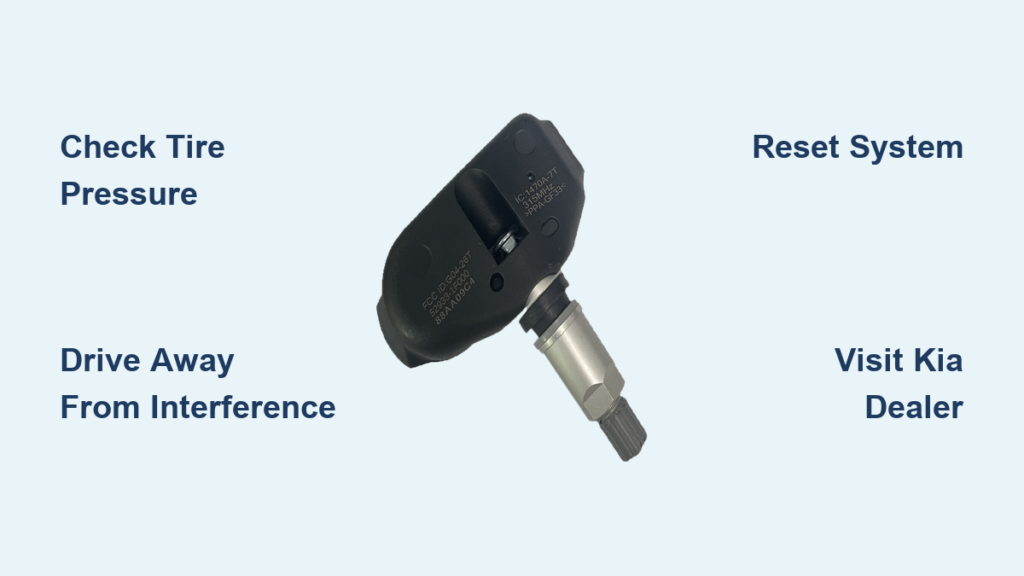
That blinking tire pressure warning light on your Kia dashboard isn’t just another routine alert—it’s your vehicle’s urgent signal that the Tire Pressure Monitoring System (TPMS) has detected a serious malfunction. Unlike a steady light that simply indicates low tire pressure, a flashing pattern followed by continuous illumination means your safety system itself has failed. This specific blinking sequence (approximately one minute of flashing before settling into a steady glow) is your Kia’s way of telling you that the TPMS can no longer reliably monitor your tire pressure, putting you at risk of driving on dangerously underinflated tires without warning. Understanding exactly what this flashing light means and how to respond could prevent a blowout, save you costly repairs, and keep you and your passengers safe on the road.
When your Kia’s TPMS indicator starts flashing, it’s communicating a critical system failure rather than a simple tire inflation issue. The initial blinking phase serves as an emergency alert that the system has detected an anomaly in sensor communication, while the subsequent steady illumination confirms the malfunction is persistent. During this state, your vehicle loses its ability to warn you about low tire pressure—meaning you won’t receive any alerts even if one or more tires becomes severely underinflated. This creates a dangerous situation where you must manually monitor tire pressure until the issue is resolved. In this guide, you’ll learn how to distinguish between temporary interference issues and permanent system failures, discover immediate steps to take when the light flashes, and understand when professional Kia dealer intervention becomes essential for your safety.
Why Your Kia’s TPMS Light Flashes Instead of Staying Steady
The distinctive one-minute flashing pattern followed by continuous illumination is your Kia’s specific diagnostic code for a TPMS malfunction, not merely low tire pressure. This precise sequence tells you that the system has detected either a component failure or significant external interference preventing normal sensor communication. During the blinking phase, your vehicle’s computer is attempting to establish contact with each tire pressure sensor but receiving either no response or invalid data. Once the light transitions to steady illumination, the system has confirmed it cannot operate correctly and will remain in this protective failure mode until the underlying issue is resolved.
How to Confirm It’s a Malfunction Rather Than Low Tire Pressure
Determining whether you’re dealing with a true TPMS malfunction versus simple low tire pressure is critical for proper response. A standard low pressure warning displays as a steady light from the moment it activates—never flashing. If your tire pressure light began blinking for approximately one minute before settling into continuous illumination, you’re facing a system malfunction. To verify, manually check all four tires (and spare if equipped) with a reliable pressure gauge. Compare your readings to the specifications listed on your driver’s side door jamb label. If all tires show proper inflation yet the light continues its flashing pattern, you’ve confirmed a TPMS malfunction requiring specific troubleshooting steps.
Immediate Actions When the Flashing Sequence Begins
When you first notice the TPMS light flashing, take these immediate actions to assess the situation:
- Note your location: Are you parked near broadcasting stations, government buildings, or transmission towers?
- Check recent vehicle modifications: Did you recently install snow chains or new electronic devices?
- Drive away from potential interference sources: Move at least several miles from your current location
- Allow system reset time: Drive for 15-20 minutes at speeds above 15 mph to let the system attempt self-correction
If the light transitions to steady illumination after these steps, the interference has revealed or caused a genuine system fault that requires professional attention.
Common Causes of Persistent Kia TPMS Malfunctions
Understanding the specific causes behind your flashing tire pressure light helps determine whether you can resolve the issue yourself or need professional intervention. Kia TPMS malfunctions generally fall into two categories: temporary interference issues that resolve when conditions change, and permanent component failures requiring replacement.
External Radio Frequency Interference Hotspots
Certain environments emit powerful radio frequencies that overwhelm your Kia’s sensitive TPMS receivers. These high-interference zones include:
- Police and emergency service stations with powerful radio transmitters
- Government and military installations with extensive communication systems
- Broadcasting stations (radio and television)
- Airports with radar and communication equipment
- Cellular towers and microwave relay stations
If your flashing TPMS light appeared after parking near any of these facilities, drive away from the area and monitor whether the indicator clears after 15-20 minutes of normal driving. Persistent illumination after relocation indicates a separate underlying issue beyond temporary interference.
Vehicle-Specific Interference Sources You Can Control
Several common vehicle accessories and conditions create electromagnetic interference that triggers TPMS malfunctions:
- Snow chains: The metal construction creates both physical obstruction and electromagnetic interference
- Notebook computers: Especially when charging, they generate fields that disrupt sensor signals
- Cheap mobile phone chargers: Poorly shielded models emit interference affecting TPMS receivers
- Aftermarket electronics: Radar detectors, navigation systems, and remote starters often cause issues
If you’ve recently added any electronic devices to your Kia, disconnect them one by one while monitoring the TPMS light. Remove snow chains immediately if installed, then drive for 15 minutes to see if the system resets.
Safety Risks When Your Kia’s TPMS Malfunction Light Is Active
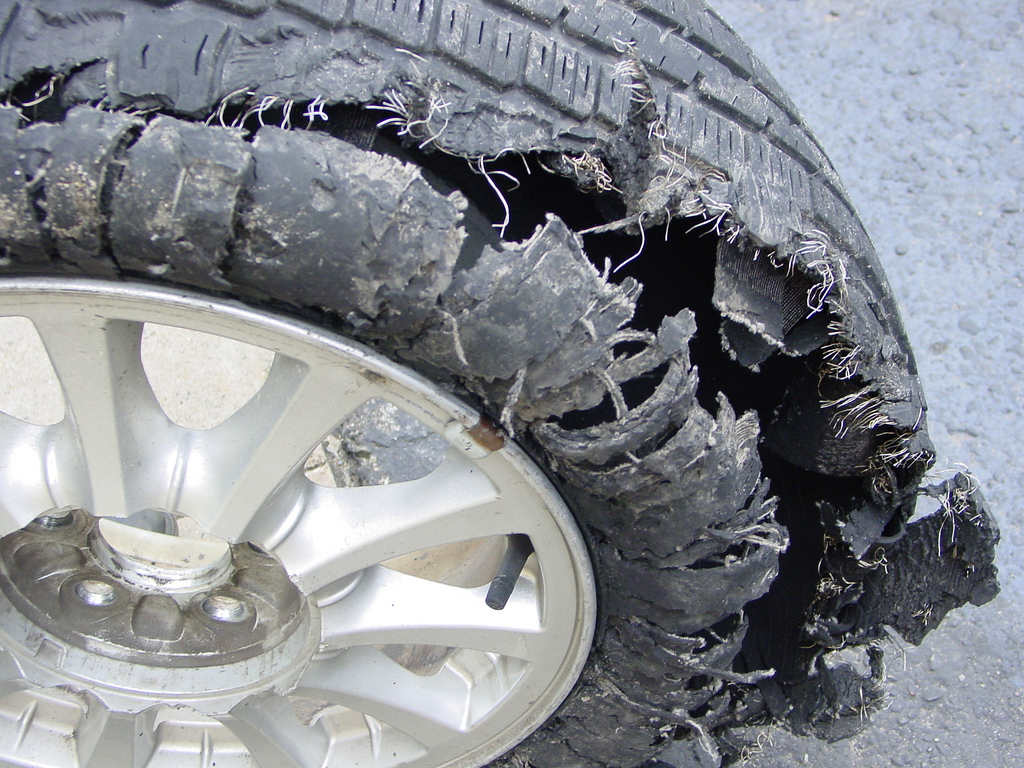
The most critical consequence of a flashing then steady TPMS light is that your vehicle loses its ability to warn you about low tire pressure. During this malfunction state, the low pressure warning will not illuminate even when tires become dangerously underinflated. This creates a serious safety hazard because underinflated tires generate excessive heat during driving, leading to:
- Accelerated and uneven tire wear
- Reduced fuel efficiency
- Compromised vehicle handling
- Increased risk of tire failure or blowout
Essential Manual Tire Checks During TPMS Malfunction
Until your TPMS malfunction is resolved, adopt these critical safety practices:
- Weekly pressure checks: Use a high-quality digital tire gauge to verify pressure in all tires
- Pre-drive visual inspections: Look for tires that appear flattened at the bottom or bulging at the sides
- Reference proper specifications: Find your Kia’s exact pressure requirements on the driver’s door jamb sticker
- Check when tires are cold: Measure pressure before driving or at least three hours after stopping
Remember that tire pressure changes with temperature—drop approximately 1 PSI for every 10°F decrease in ambient temperature. Adjust your manual checks accordingly during seasonal changes.
Professional Diagnosis: When to Visit a Kia Dealer
While some TPMS malfunctions resolve when you move away from interference sources, persistent issues require professional diagnostic equipment only available at authorised Kia dealerships. Schedule immediate dealer service if:
- The malfunction indicator remains steady after relocating from potential interference sources
- The light flashes repeatedly without clear connection to specific locations or devices
- Manual tire pressure checks confirm proper inflation but the light persists
- You’ve recently had tire service performed (improper sensor handling often causes malfunctions)
What Kia Dealers Do During TPMS Diagnostics
Authorised Kia technicians follow a comprehensive diagnostic protocol:
- Scan for fault codes: Using Kia-specific diagnostic tools to identify which sensor or component has failed
- Verify sensor operation: Checking each tire’s sensor signal strength and battery status
- Inspect physical components: Examining valve stems, sensor mounting points, and wiring for damage
- Perform system relearn: Resetting the TPMS to recognize all sensors after repairs
Unlike general repair shops, Kia dealers have access to manufacturer-specific technical service bulletins addressing known TPMS issues in your specific model year, ensuring accurate diagnosis and proper repair procedures.
Preventing Future Kia TPMS Malfunction Issues
Proactive maintenance significantly reduces the likelihood of future TPMS malfunctions. Implement these preventative measures:
During Tire Service Appointments
- Request TPMS-safe service: Inform technicians your vehicle has TPMS sensors requiring special handling
- Verify proper valve stem replacement: Ensure technicians use TPMS-specific valve cores and caps
- Avoid tire sealants: Liquid sealants can coat sensor components and cause premature failure
- Check sensor battery status: Most TPMS sensors have 5-10 year battery life—ask about replacement during tire changes
Managing In-Vehicle Electronics
- Use high-quality charging devices: Invest in name-brand chargers with proper electromagnetic shielding
- Position electronics strategically: Keep laptops and other devices away from the dashboard center console
- Test new accessories: Monitor TPMS behavior after installing any new electronic component
- Remove unnecessary devices: Reduce electromagnetic load when driving in areas where TPMS is critical
Critical Takeaways for Kia Owners with Flashing Tire Pressure Light

Your Kia’s flashing tire pressure light signals a TPMS malfunction that requires immediate attention—not just low tire pressure. The specific one-minute blinking pattern followed by steady illumination means your vehicle cannot warn you about underinflated tires, creating a serious safety hazard. Start by relocating away from potential interference sources and removing aftermarket electronics, then drive for 15-20 minutes to allow system reset. If the light remains steadily illuminated, schedule professional diagnosis at an authorised Kia dealer immediately.
Until your TPMS malfunction is resolved, manually check tire pressure weekly using a reliable gauge and perform visual tire inspections before each drive. Never ignore a flashing then steady TPMS light, as driving with undetected low tire pressure risks dangerous blowouts and costly tire damage. By understanding what triggers this specific warning pattern and responding appropriately, you’ll maintain safer driving conditions and extend the life of your tires and TPMS components. Remember that proper TPMS function isn’t just about convenience—it’s a critical safety system designed to protect you and your passengers on every journey.