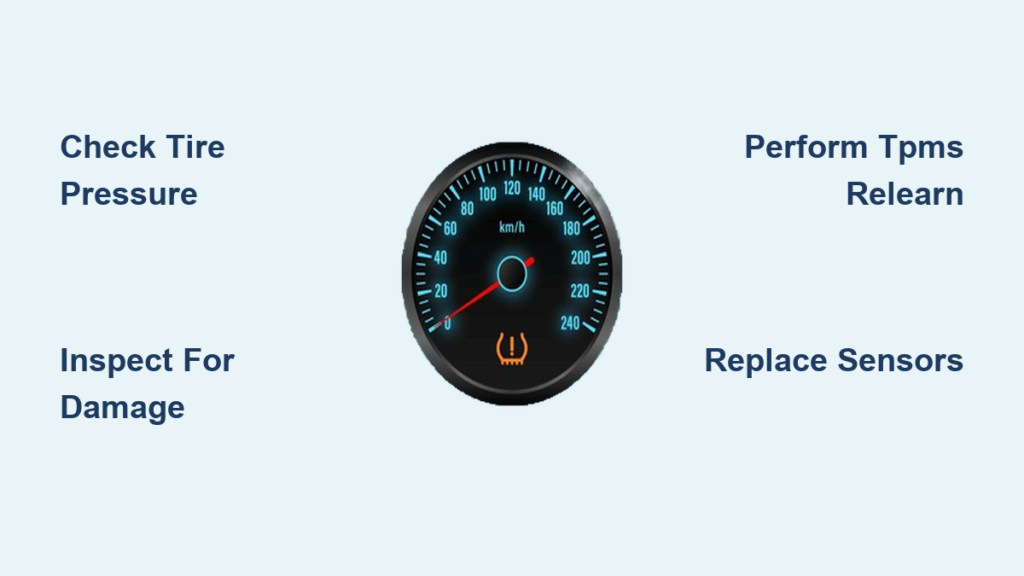
That blinking tire pressure light on your dashboard isn’t just a minor annoyance—it’s your vehicle’s urgent alert that something’s wrong with the tire pressure monitoring system (TPMS). Unlike a solid warning light that usually means simple underinflation, a flashing pattern signals a sensor malfunction, electrical problem, or system fault that requires immediate attention. Ignoring this warning could leave you without crucial tire pressure information when you need it most. This guide gives you the exact steps to diagnose and resolve your blinking tire pressure light issue, from quick checks you can do yourself to knowing when professional service becomes essential.
Why Your Tire Pressure Light Flashes: 3 Critical Causes
Your vehicle’s TPMS uses specific light patterns to communicate different issues, and understanding these patterns determines your next steps. A solid TPMS light typically means one or more tires has dropped significantly below the manufacturer’s recommended pressure—usually 25% or more. This often resolves with simple inflation. However, a blinking or flashing tire pressure light indicates your monitoring system has detected a malfunction and cannot reliably track tire pressure.
When your tire pressure light blinks for 60-90 seconds after startup before either continuing to blink or switching to a solid light, your vehicle’s computer is signaling a specific fault condition. This flashing period serves as an attention-getter, essentially warning you that “the monitoring system may not work when you need it.” Many drivers mistakenly ignore this pattern, assuming the light will reset itself, but a blinking light indicating system malfunction will persist until the underlying issue is properly diagnosed and repaired.
Identify Your Specific TPMS Warning Pattern
Your vehicle’s TPMS communicates through distinct light behaviors that tell you exactly what’s wrong. A solid tire pressure light usually means simple underinflation that requires pressure adjustment. A blinking tire pressure light, however, signals system malfunction requiring diagnostic attention. Some vehicles display a flashing pattern for 60-90 seconds after startup when a fault is detected, then switch to solid—this specific sequence means your TPMS cannot be trusted to provide accurate readings.
How Temperature Changes Trigger False Alarms
Temperature fluctuations significantly impact tire pressure, with pressure dropping approximately 1 PSI for every 10°F decrease. This explains why many drivers notice warnings during cold mornings even when tires were properly inflated recently. If your tire pressure light blinks only in cold weather but disappears after driving, temperature-related pressure changes might be the culprit. However, if the blinking persists after driving for 10-15 minutes, you’re likely dealing with a genuine system fault rather than temporary temperature effects.
When a Flashing Light Means Sensor Failure
A continuously blinking tire pressure light often indicates TPMS sensor failure. Each tire contains a sensor with a lithium-ion battery typically lasting 5-10 years. When these batteries fail or sensors sustain damage from road hazards, the system detects communication failure and responds with the blinking warning. If your vehicle is approaching 7-10 years of age, sensor battery depletion is the most likely cause of your blinking tire pressure light.
Quick 10-Minute Visual Inspection Checklist

Before investing in complex diagnostics, perform this thorough visual inspection of all four tires—it often reveals obvious problems quickly. Start by examining each tire’s overall condition, looking for visible damage such as nails, screws, or other objects embedded in the tread area. These punctures may not cause immediate flat tires but can trigger slow leaks that activate your TPMS.
Focus your inspection on these critical areas:
– Sidewalls for bulges, cuts, or abrasions indicating structural damage
– Valve stems for cracks, damage, or corrosion around the base
– Valve caps to ensure they’re present and secure on each tire
– Wheel rims for damage that might cause slow air leaks
If you find an object embedded in the tread, don’t remove it immediately—this object might be plugging a leak. Instead, mark the location and take your vehicle to a professional tire service for proper repair. Removing the object could cause rapid air loss while you’re driving.
Correct Tire Pressure Measurement and Adjustment Protocol

Using a reliable tire pressure gauge, measure the pressure in each tire when they’re cold (before driving that day). Driving heats tires and increases pressure, leading to inaccurate readings. Compare your measurements to the manufacturer’s recommended pressure found on the driver’s door jamb sticker, owner’s manual, or fuel door.
If underinflation is present, add air to bring each tire to the correct specification. After inflating all tires properly, take your vehicle for a short drive of 10-15 minutes at speeds above 20 mph to allow the system to update. Important: The blinking tire pressure light should turn off during this drive if the issue was simple underinflation.
However, if the blinking pattern continues after proper inflation and test driving, this confirms a sensor malfunction or electrical problem rather than simple pressure loss. At this point, you have two options: perform a TPMS relearn procedure if your vehicle supports it, or seek professional diagnostic scanning.
Execute Your Vehicle’s Specific TPMS Relearn Procedure
Most vehicles require a relearn procedure after tire rotation, sensor replacement, or sometimes after pressure adjustment. This procedure teaches your vehicle’s computer to recognize each tire’s sensor identification codes and their positions, ensuring accurate location-specific pressure reporting.
The exact relearn process varies significantly by manufacturer:
- Common stationary relearn procedure: Turn ignition to “on” (without starting engine), deflate and reinflate each tire in a specific sequence
- Tool-activated procedure: Use a TPMS activation tool to trigger sensors in proper order
- Drive-based procedure: Drive at specific speeds for predetermined time periods
If your vehicle’s manual doesn’t describe a relearn procedure or if attempting it doesn’t resolve the blinking tire pressure light, professional diagnostic equipment becomes necessary. Many tire dealers offer free TPMS diagnostics, especially when you’re already having tires serviced.
Sensor Replacement: When and How to Proceed
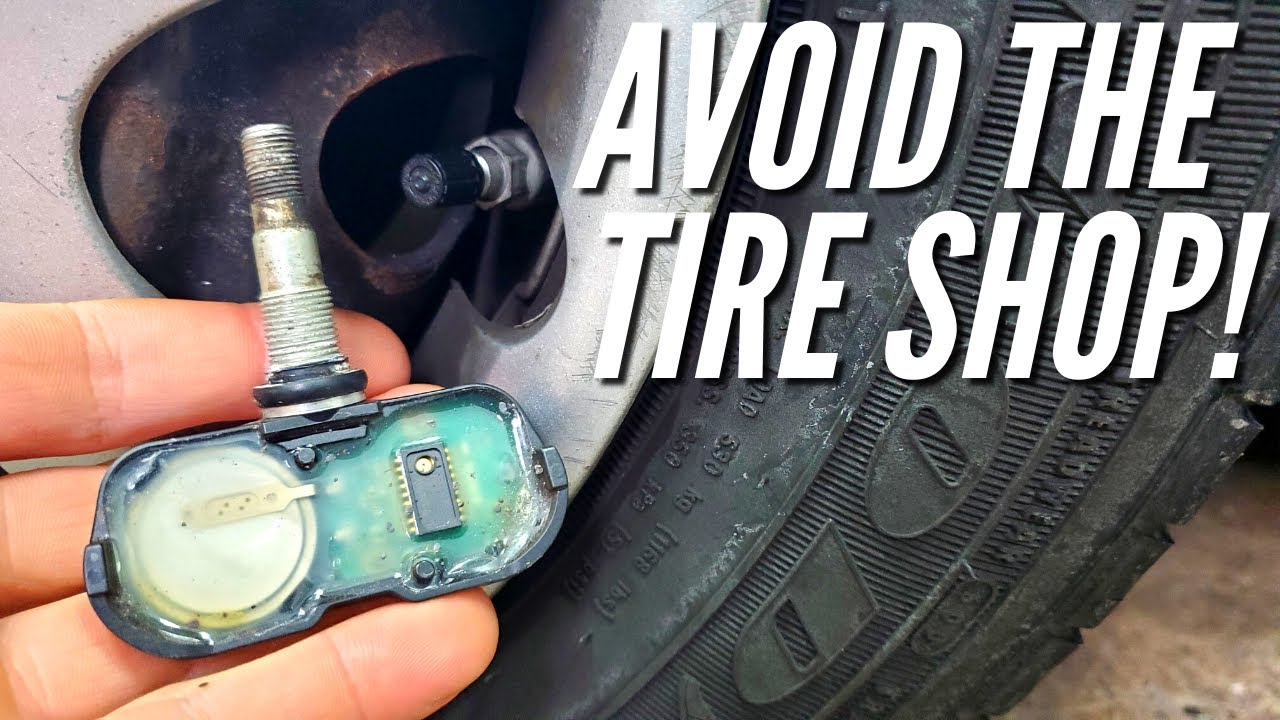
When TPMS sensors fail due to battery depletion or damage, replacement becomes necessary to restore system functionality. Each tire requires its own sensor, and replacement involves removing the tire from the wheel, extracting the old sensor, installing the new one, and remounting the tire—work that typically requires professional service.
Pro tip: If your vehicle is approaching 7-10 years of age, consider replacing all four sensors simultaneously when one fails. This approach ensures consistent battery life and reliability across the entire system, preventing future blinking tire pressure light warnings from additional sensor failures in the near term.
TPMS sensor replacement costs vary by vehicle, ranging from $50-$150 per sensor including installation. Some manufacturers require specific sensor programming, adding complexity and cost but ensuring proper communication with your vehicle’s computer system.
Diagnose TPMS Electrical Faults in Your Vehicle

When basic troubleshooting doesn’t resolve the blinking tire pressure light, electrical issues within the TPMS system may be the culprit. These problems can involve corroded sensor connectors, broken wiring, or faults in the TPMS control module.
Professional service centers use specialized scanners that communicate directly with the TPMS control module, reading fault codes and sensor status. These tools can identify which specific sensor is malfunctioning, whether there’s an electrical issue, or if the control module itself requires attention.
Corroded connectors can sometimes be cleaned and protected, while damaged wiring may require splicing and repair. Control module failure is less common but can occur in vehicles exposed to extreme conditions. Module replacement requires programming to ensure proper communication with other vehicle systems.
Dangerous Consequences of Ignoring a Flashing Tire Pressure Light
Ignoring a blinking tire pressure light carries significant safety risks beyond simply driving without a warning system. Underinflated tires generate excessive heat during operation, which can lead to tire degradation and potential blowouts at highway speeds. The TPMS exists specifically to help you avoid these dangerous situations by providing early pressure warnings.
Operating with a known TPMS malfunction removes an important safety buffer designed to alert you to gradual pressure changes you might not otherwise notice. Tire pressure can change gradually without obvious signs, and drivers relying only on visual inspection may not recognize developing problems until a serious situation develops. If your tire pressure light is blinking indicating system fault, have it diagnosed and repaired promptly rather than depending solely on manual pressure checks.
Prevent Future Blinking Tire Pressure Light Warnings
Establish these regular maintenance habits to prevent TPMS warnings:
- Check tire pressure monthly (or more frequently during extreme temperature changes), always when tires are cold
- Follow manufacturer’s tire rotation schedule (typically every 5,000-8,000 miles)
- Inspect valve stems during tire service for signs of cracking or corrosion
- Always keep valve caps secured to prevent debris from entering valve cores
During tire rotation, ensure the TPMS relearn procedure is performed if required by your vehicle—many drivers overlook this step, leading to blinking tire pressure light warnings after routine service. Replacing valve stems showing signs of damage, even if the tire appears serviceable, helps identify developing problems before they cause TPMS warnings or flat tires.
Final Note: A blinking tire pressure light signals that your vehicle’s tire pressure monitoring system requires attention. Unlike a solid light that often resolves with simple inflation, a flashing pattern typically indicates sensor malfunction, electrical issues, or system faults requiring proper diagnosis. Regular tire pressure monitoring, prompt attention to warning lights, and appropriate maintenance of TPMS components help ensure this critical safety system continues protecting you on the road. When in doubt about your blinking tire pressure light issue, professional automotive service provides the most reliable path to proper diagnosis and repair, keeping you safe while preserving your vehicle’s integrated safety systems.